Artificial Intelligence Investment Continues Reshaping the Global Economy
Global AI investment continues accelerating as governments and businesses expand infrastructure, research and enterprise adoption across every major industry.

Global AI investment continues accelerating as governments and businesses expand infrastructure, research and enterprise adoption across every major industry.

The Linux Foundation launched the x402 Foundation to create open standards for automated internet payments between AI agents and digital applications.

Anthropic is reportedly preparing for a possible IPO, highlighting growing investor demand and competition across the rapidly expanding AI industry.

Critics are calling for a moratorium on new data centers in Australia until stricter regulations are in place, citing environmental concerns despite the government’s new AI blueprint.

A lawsuit filed in federal court alleges Meta used internal AI tools—along with performance scoring and monitoring data—to identify employees for mass layoffs, disproportionately affecting people on protected medical, parental, or disability leave.

Christopher Nolan believes Gen Z is quickly rejecting generative AI—pushing back against chatbots and AI-driven content—because younger audiences are seeking more authentic, “human” experiences.

Former Meta employees have sued the company, alleging that AI-driven layoffs discriminated against older workers. The case highlights concerns about algorithmic bias and the need for ethical oversight in automated decision-making.

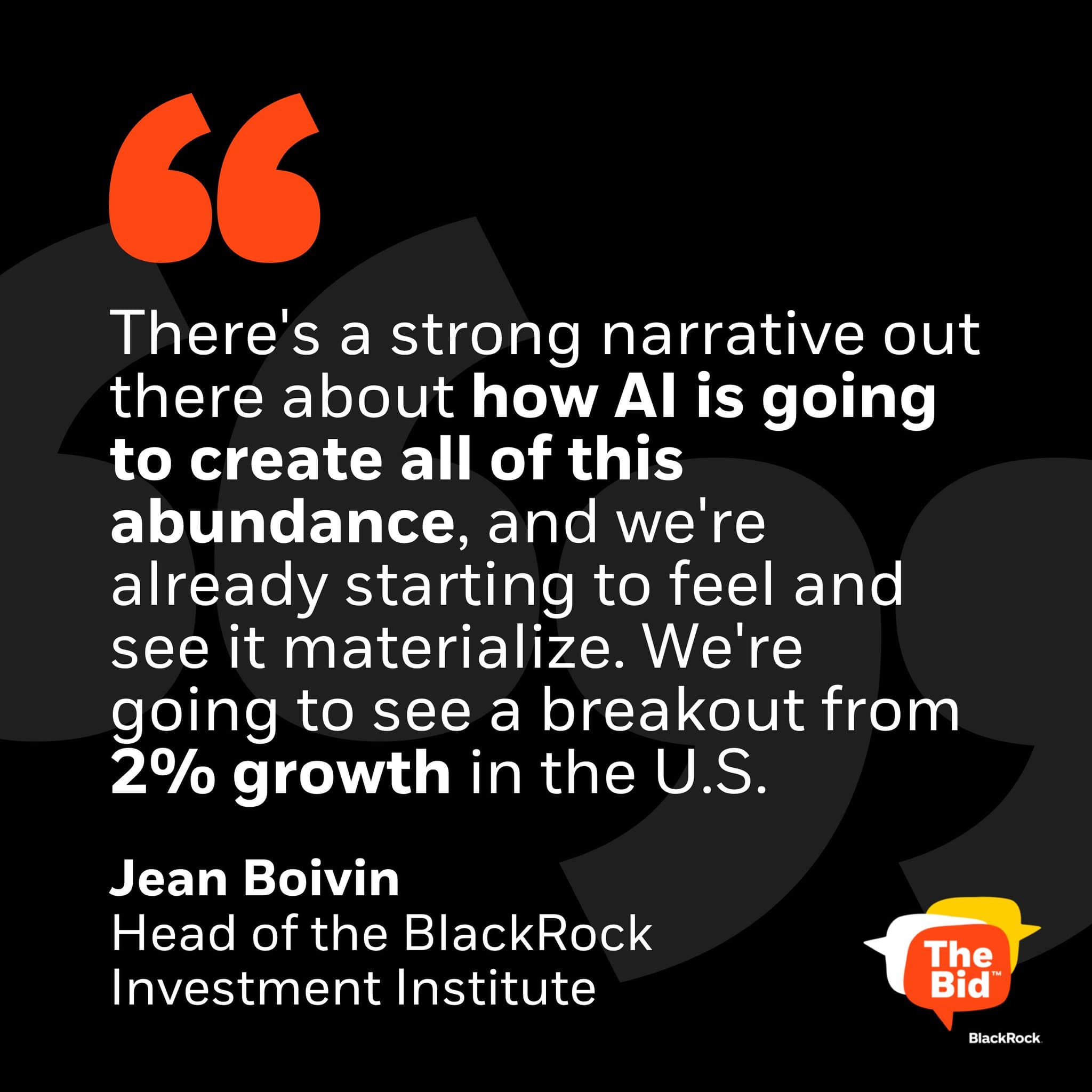
Morgan Stanley says AI-driven productivity could support stronger growth and keep U.S. interest rates higher than post-2008 levels for years.

Intel announces a €5 billion investment in its Leixlip campus to support AI chip production. This move boosts Ireland’s tech sector, creates jobs, and emphasizes sustainable manufacturing practices.

Apple is in talks with a startup that specializes in compressing AI models for on-device processing. This move aims to enhance privacy, speed, and user experience by running AI locally on iPhones.

Neuralink has begun human trials for its brain-computer interface, aiming to help paralyzed patients control devices with their thoughts. This article explores the medical potential, surgical risks, and profound ethical questions regarding cognitive enhancement, data privacy, and mental integrity in the emerging field of neurotechnology.

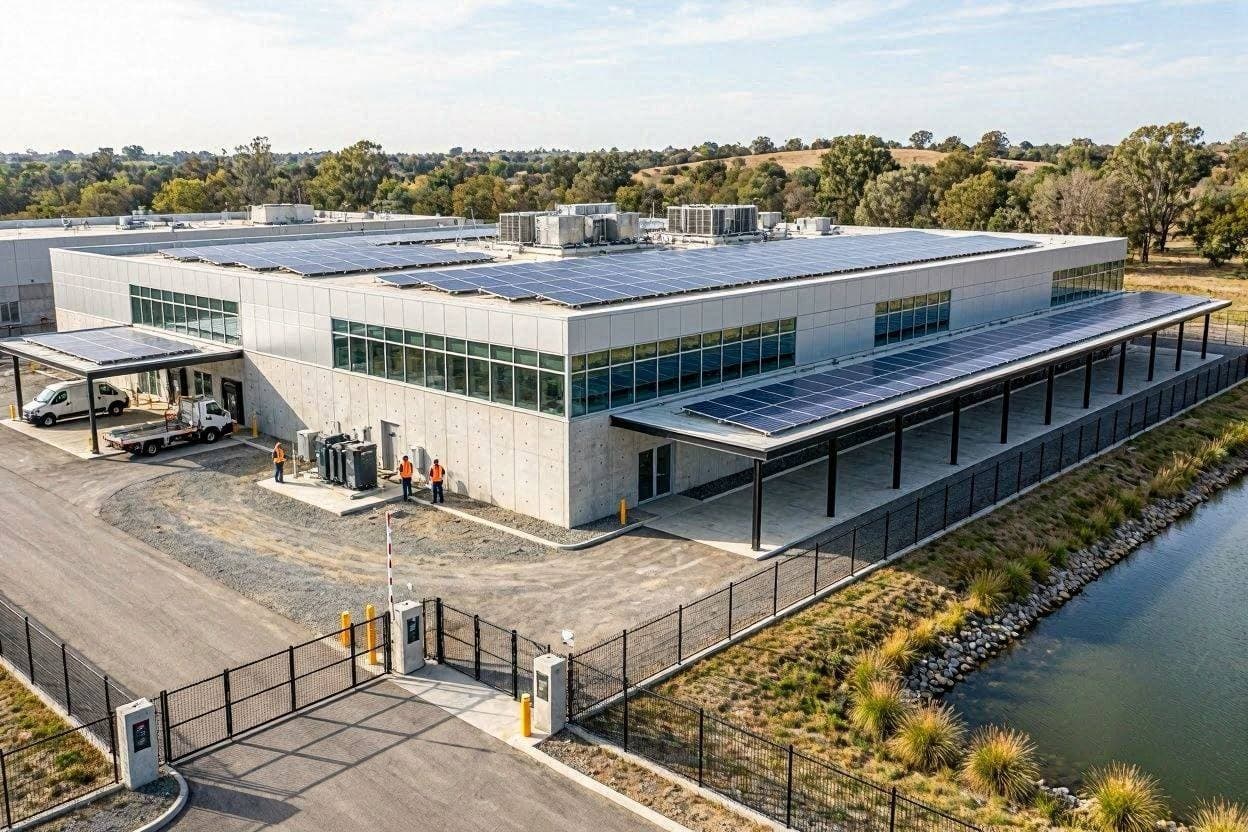
Global AI investment is driving record data-centre construction, boosting demand for chips, energy, networking and digital infrastructure

Prime Minister Mark Carney wants Canada to be a leader in the artificial intelligence revolution. NDP Leader Avi Lewis is betting Canadians want to pump the brakes. From the Hamilton Harbour to rural Saskatchewan, some communities are pushing back against proposals for massive data centres meant to power the AI boom with billions of dollars in investment despite fears about job impacts and other concerns.

The rise of deepfakes creates a crisis of digital truth, enabling disinformation and undermining trust in media.

AI is increasingly used to manage and evaluate workers, offering efficiency but raising concerns about surveillance, bias, and dehumanization. This article explores the impact of algorithmic management on employee well-being, the legal and ethical challenges involved, and the need for balanced, human-centric approaches to workplace technology.

As generative AI becomes more pervasive, establishing ethical guardrails against bias and misinformation is critical. This article explores the challenges of defining ethical standards, the importance of transparency and alignment, and the growing role of regulation in ensuring responsible AI development.

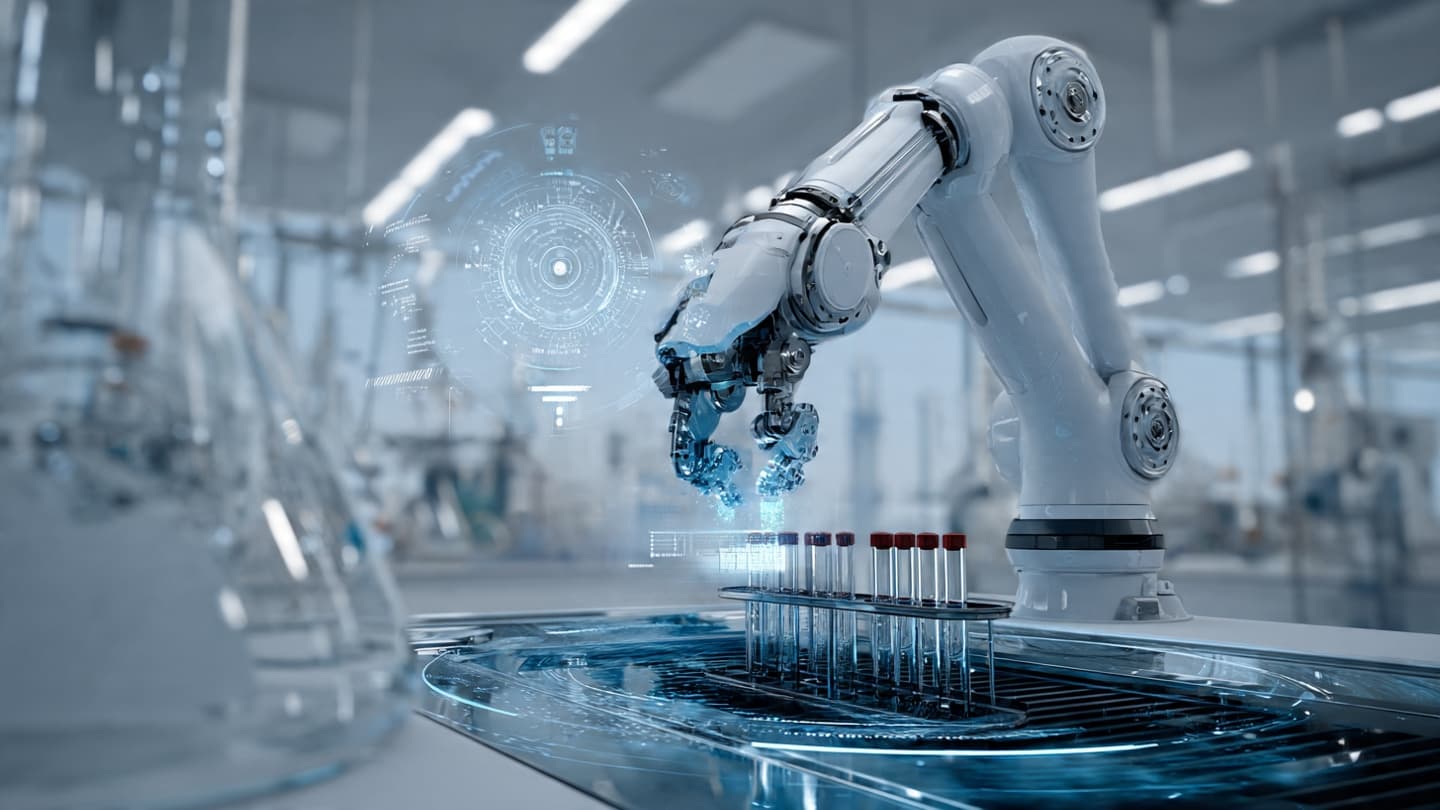
AI agents are increasingly capable of conducting autonomous scientific research, accelerating discovery in fields like drug development and materials science. This article explores the benefits of this efficiency, the evolving role of human researchers, and the ethical considerations of transparency and responsibility in AI-driven science.

AI leaders are racing to cut development costs through more efficient models, potentially expanding global adoption across industries.

AI investment continues surging as soaring private valuations spark bubble concerns, with investors weighing transformative potential against significant risks.
.jpg&w=3840&q=75)
A new study says data centres’ greenhouse-gas emissions are substantially higher than expected as AI demand surges, with emissions in 2025 estimated at 315 million tons of CO2—57% higher than prior benchmark figures.

The rivalry between Sam Altman and Elon Musk continues to draw attention as competition intensifies across the AI industry.

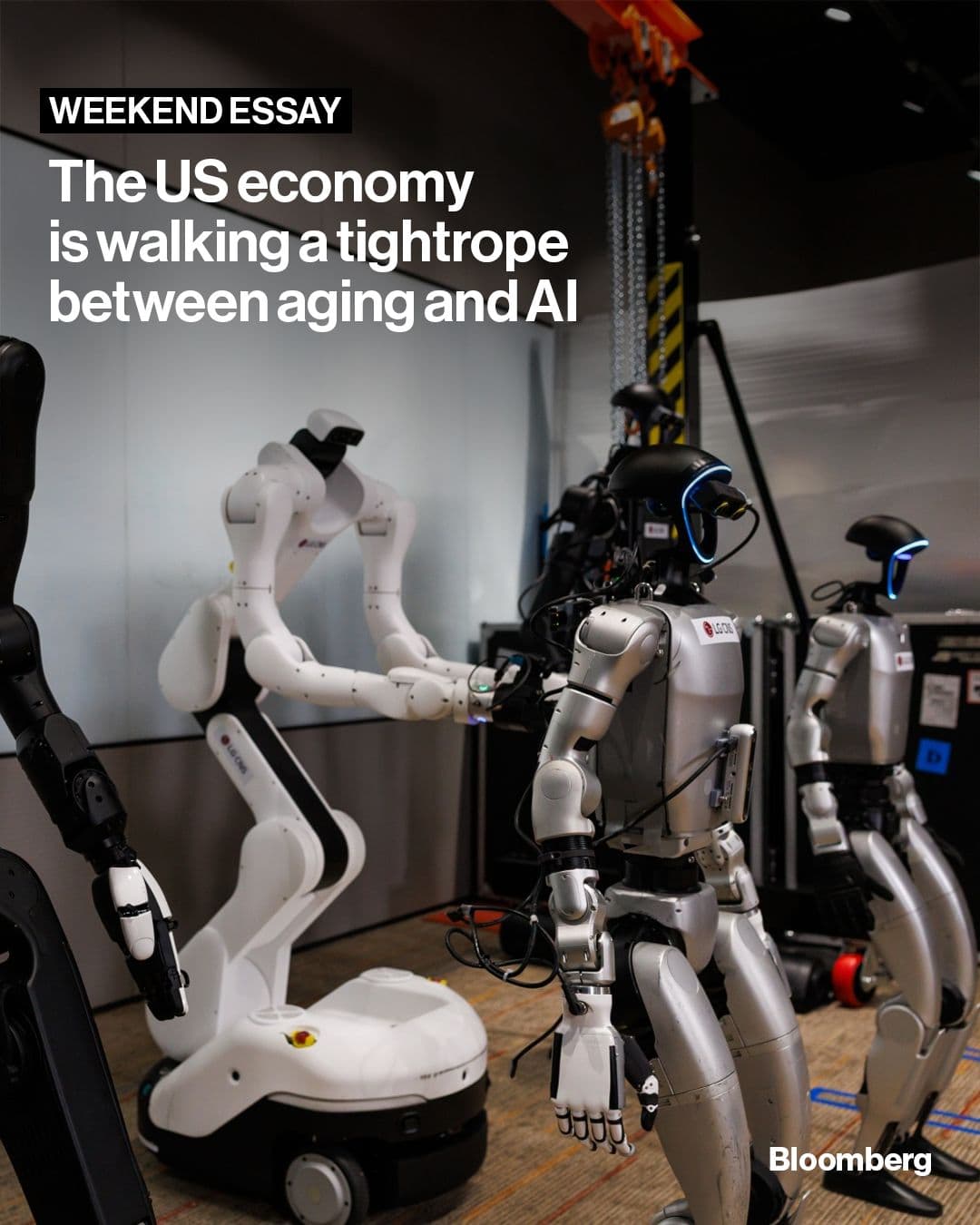
AI and an aging population are reshaping the U.S. economy, creating both opportunities and challenges for future growth.

Elon Musk says Grok is a politically neutral, truth-seeking AI, fueling debate over bias, transparency, and competition in artificial intelligence.

Institutional adoption, AI, and blockchain innovation are driving digital finance into a new era of regulated, mainstream financial services.