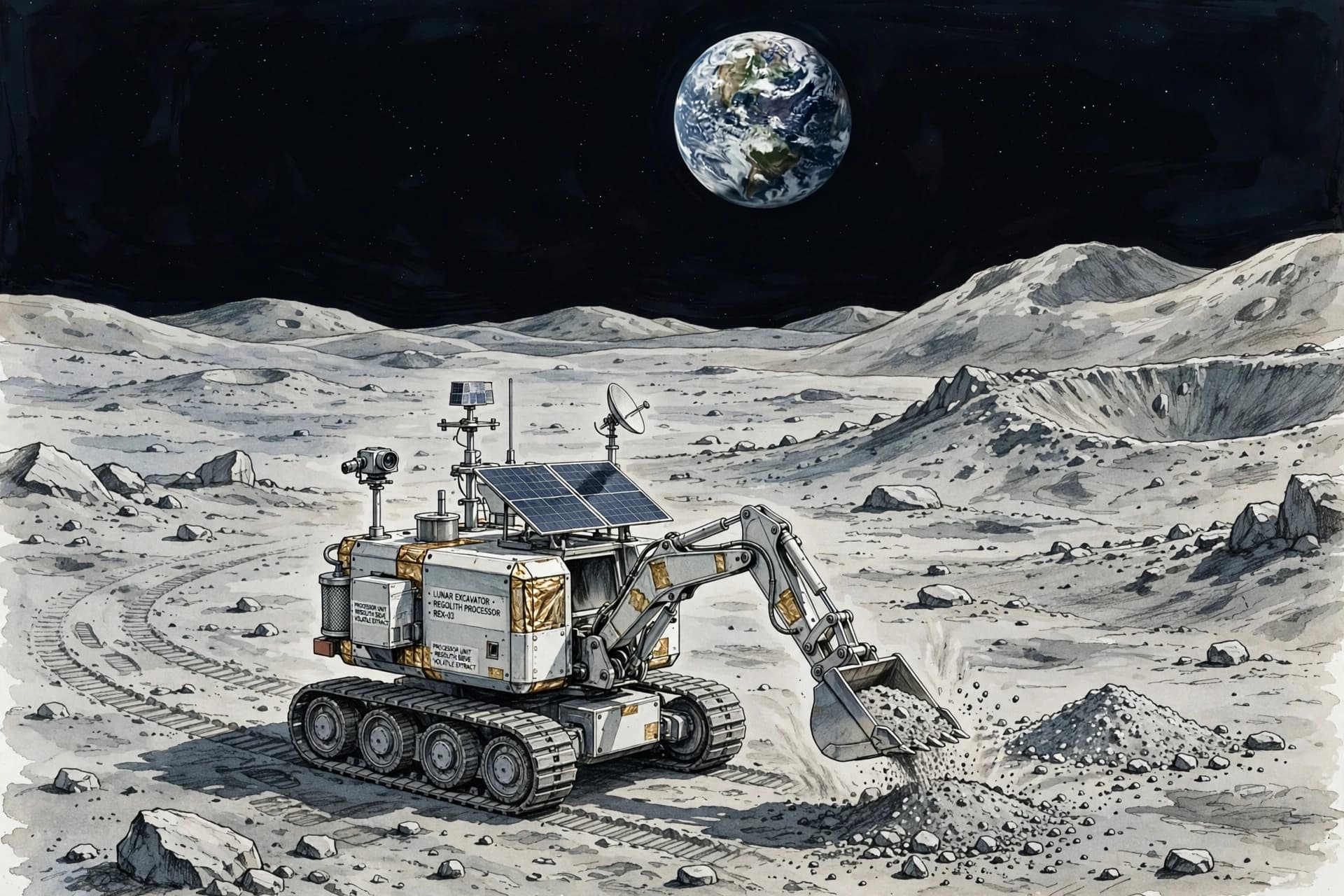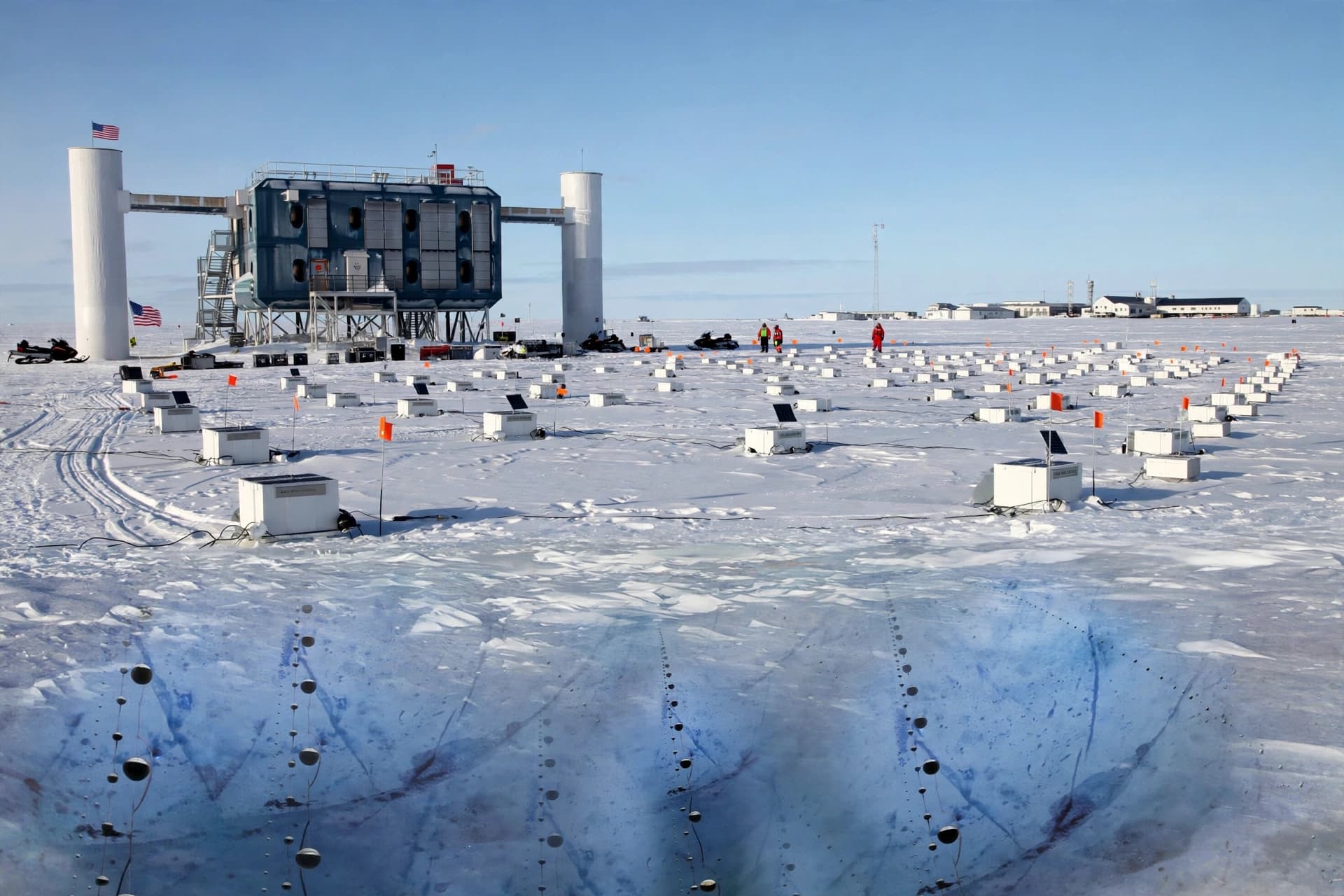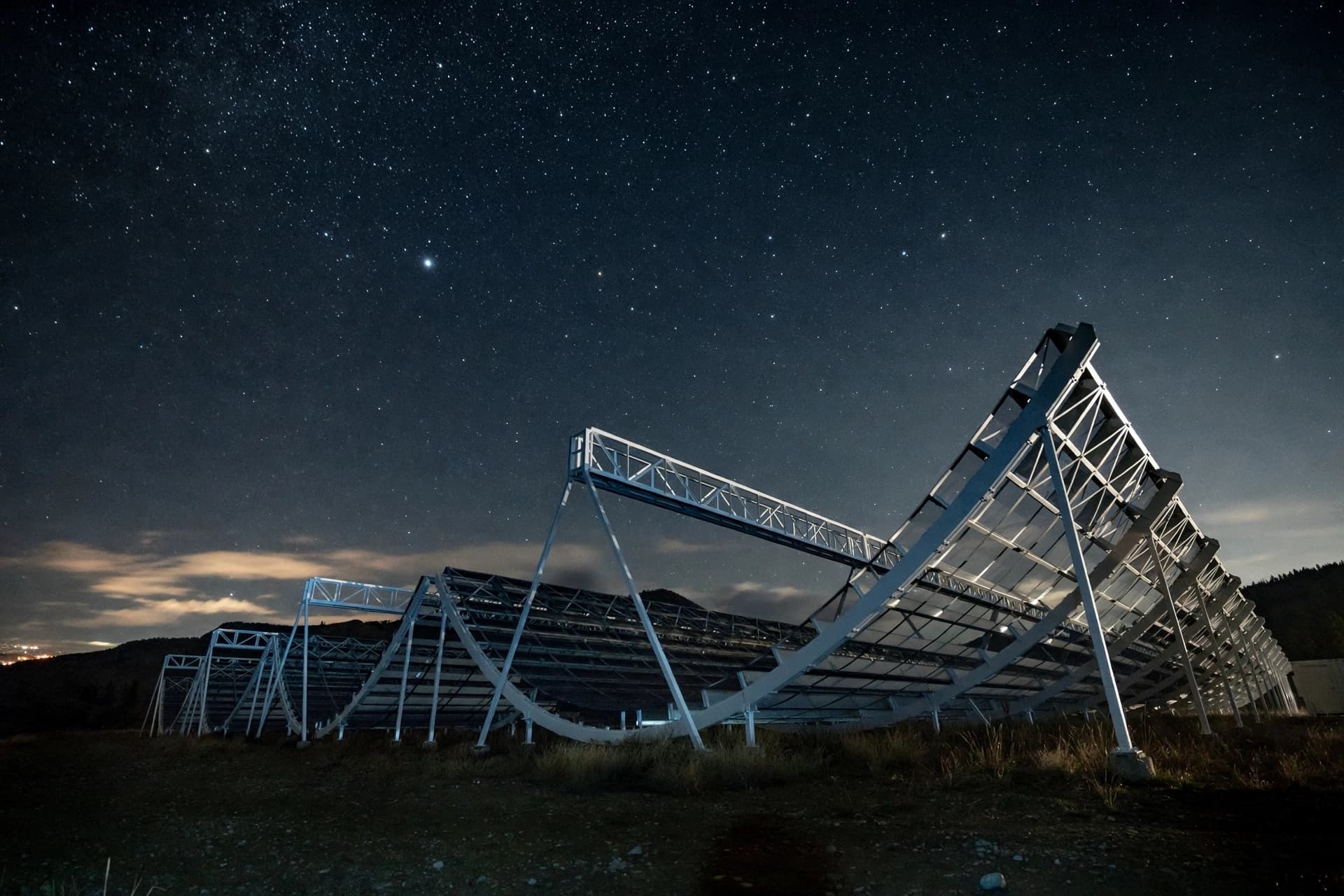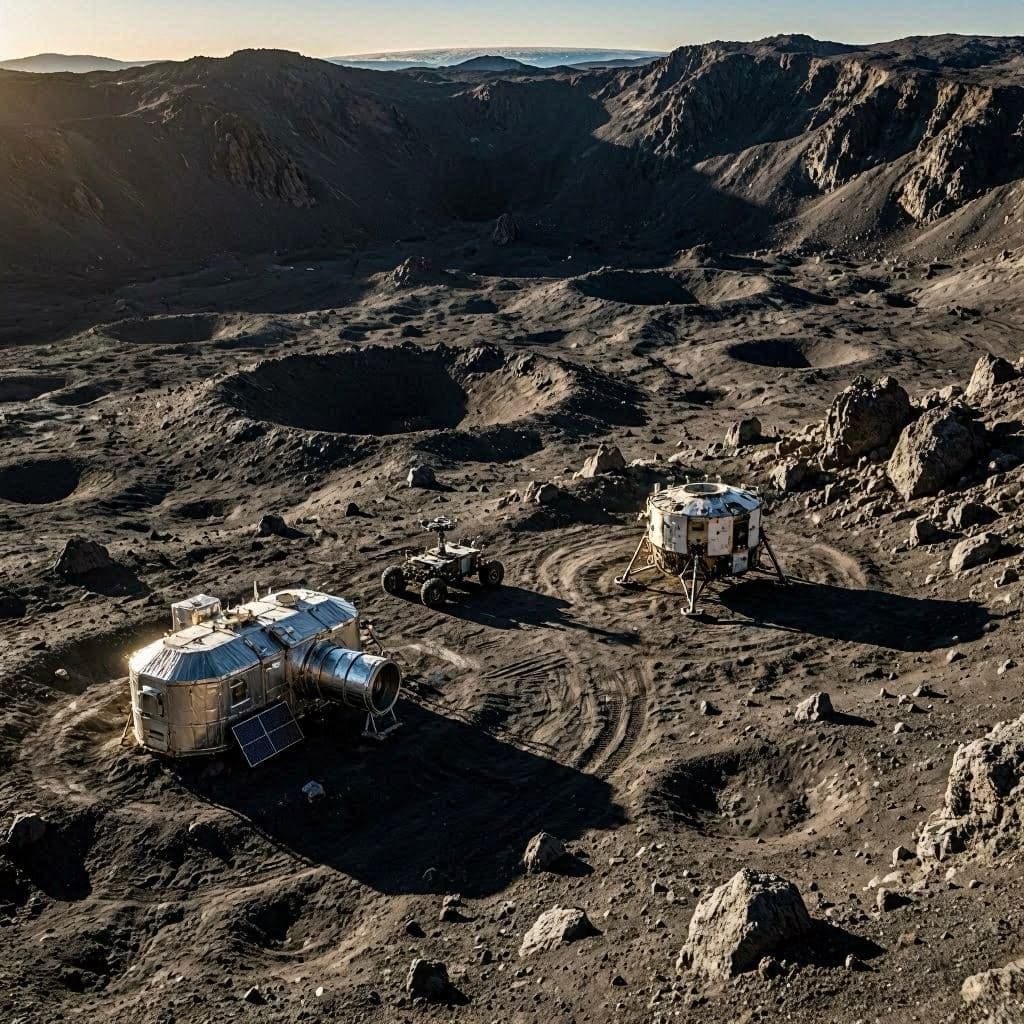
Like a ship steering carefully through shoals before reaching open water, NASA has adjusted its navigation to avoid costly delays and detours on the way to a permanent lunar outpost—estimated at roughly $30 billion in investment over seven to ten years . The Artemis program, long subject to schedule slips and expense overruns, has adopted a leaner, more direct architecture focused on reliable surface progress. The revised strategy shifts central emphasis away from the Lunar Gateway orbital station—once a core feature—toward direct, phased construction of a surface base primarily near the lunar South Pole . Officials noted that Gateway’s complexity and phasing introduced bottlenecks and redundant links that risked slowing lander, habitat, and rover work. New measures include separating difficult “first‑time” demonstrations into dedicated test flights—such as an Artemis III orbital‑integration mission in 2027—rather than stacking every new challenge into the first crewed landing attempt . This “test‑before‑land” approach mirrors the incremental philosophy used successfully in the Apollo era, reducing risk of cascading delays . Standardization of hardware—including upper‑stage rockets and launch‑pad infrastructure—will enable serial production and faster turnaround, lowering both unit cost and wait‑times between missions . NASA also places engineering staff directly within contractor facilities to spot issues early and strengthen accountability, while simplifying requirements for commercial landers and rovers . Financially, the plan structures spending in clear phases through 2036: beginning with robotic landings and site prep; advancing to short‑duration crew stays and basic utilities; and finally establishing nuclear‑powered habitats, resource‑processing systems, and semi‑annual crew rotations. This clarity helps Congress, partners, and industry track progress and fund accordingly. Coordination with Commercial Lunar Payload Services and Lunar Terrain Vehicle programs is tightened to align deliveries with base‑construction timelines. NASA also encourages parallel, competing pathways for landing systems to keep options open and reduce reliance on single‑source bottlenecks . These adjustments are not about cutting ambition but about smoothing execution—turning an over‑layered design into a more robust, repeatable rhythm of launches and installations. The agency targets the first crewed surface landing in 2028 and a fully operational permanent outpost by roughly 2036 . By separating risks, standardizing designs, and prioritizing the surface over detours in orbit, NASA hopes to dodge the delays and spiraling costs that have slowed large space projects before—keeping the path to the moon steady and sustainable . AI Image Disclaimer: Visual concepts are AI‑generated and not official NASA blueprints or operational photographs. Sources: NASA, FLYING Magazine, Scientific American, CSIS Aerospace Security Project
Published by Banx Network. This article is part of the Banx decentralized media programme, powered by the BXE token on the XRP Ledger.