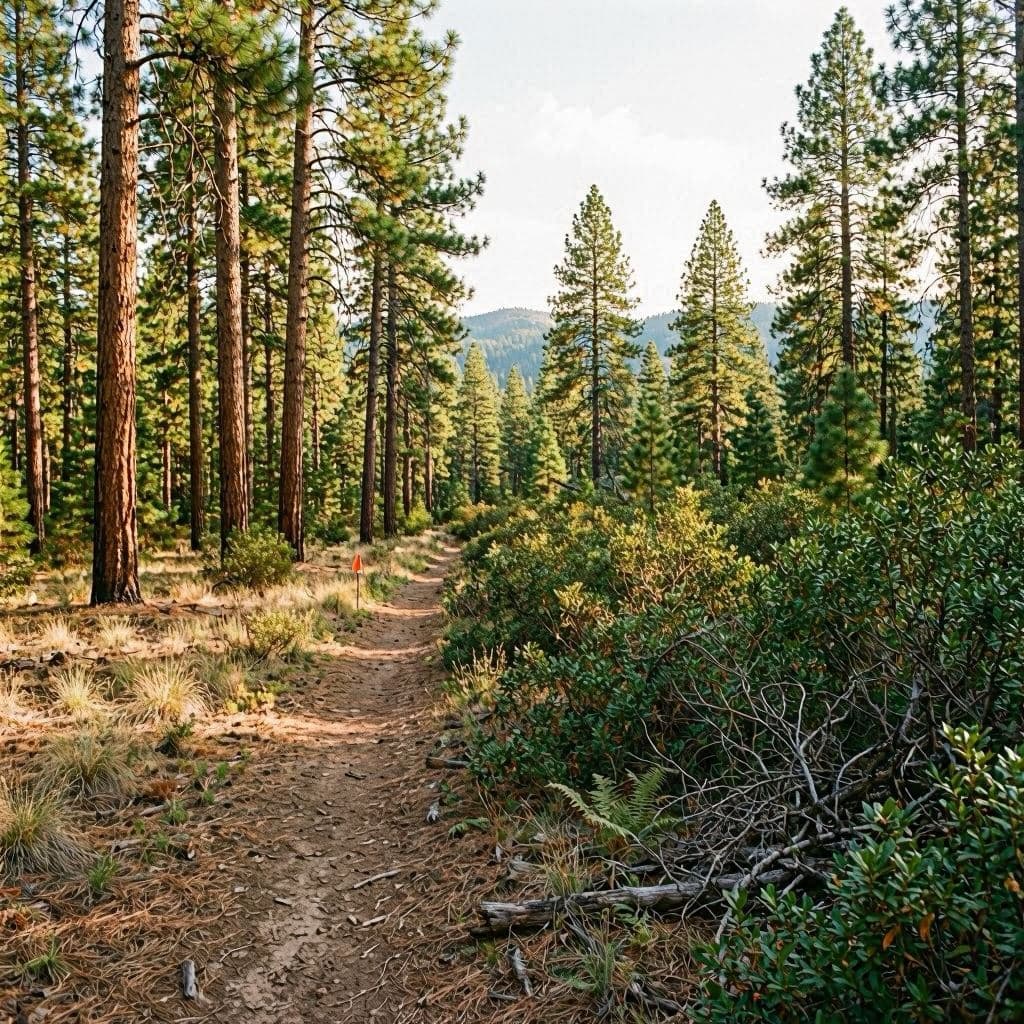
Like trying to silence every gust of wind in a forest, a policy of “stomping out every fire as fast as possible” once seemed logical—but over decades, researchers learned it often weakens the landscape’s natural resilience, leaving it more vulnerable to far bigger blazes later . Now, as fire seasons grow longer and more intense, the administration brings back an approach many scientists and former land managers say was discredited long ago. For nearly a century, federal agencies prioritized total suppression on nearly every ignition, even small, low‑burning fires that nature once used to clear underbrush and thin crowded stands . The result was a buildup of heavy fuels—grasses, twigs, and dead branches—so thick that when fires finally escaped control, they burned with unmatched heat and speed, destroying soil, waterways, and even mature trees that once survived periodic burns . The revived emphasis on “immediate, total suppression” comes alongside moves to streamline agencies and consolidate fire response into a single service, but without restoring the balance that earlier reforms sought—such as controlled burns and letting naturally ignited fires burn safely under watchful conditions . Many experts warn that doubling down on the old model will only delay trouble rather than solve it, especially as drought and heat shrink safe windows for treatment work . Fire scientists note that the old “all‑out suppression” doctrine contributed directly to today’s crisis: forests that used to burn gently every decade or so now can stand packed with fuel for 50–100 years, so that one ignition can sweep across hundreds of thousands of acres in days . The new policy also places less emphasis on climate‑driven drying and vegetation shifts, which most studies identify as key drivers of worsening risk . Proponents argue that speed and unity in response protect towns and infrastructure faster; but critics—including former Forest Service leaders—reply that rapid attack works best when paired with landscape‑level reduction of fuels, not as the only strategy . Without those preventive steps, fast response becomes like racing to plug leaks without patching the pipe itself. Independent reviews over the past 20 years have consistently found that aggressive suppression alone does not reduce total area burned over time; it can even increase severity and cost by creating more explosive conditions . Agencies that restored carefully managed fire as a tool have seen fewer huge, catastrophic seasons and lower long‑term costs. The administration’s restructuring and renewed suppression focus also raises practical questions: whether centralizing operations and cutting some prevention budgets leaves less flexibility to do the “quiet, slow work” that actually lowers risk—planning, burning, and thinning before smoke appears . As wildfire records continue to be broken year after year, reviving an outdated approach stands as a reminder that speed in fighting is valuable—but only if it supports, rather than replaces, the landscape’s natural ability to stay healthy and resilient. AI Image Disclaimer: These illustrations are stylized landscape views only; they are not operational maps or exact fire‑line photos. Sources: U.S. Forest Service, Department of the Interior, AP News, Science, Wildfire Today
Published by Banx Network. This article is part of the Banx decentralized media programme, powered by the BXE token on the XRP Ledger.