When daylight fades and the stars begin to appear, the night sky transforms into a vast natural observatory. Long before telescopes and spacecraft existed, people looked upward to navigate, measure seasons, and wonder about the universe beyond Earth. Today, astronomy continues to connect professional scientists and amateur skywatchers through regular celestial events that anyone can observe under favorable conditions.
NASA has released its July 2026 Skywatching Guide, highlighting several astronomical events expected to be visible throughout the month. The monthly guide is designed to help the public identify planets, constellations, and other celestial objects while encouraging greater interest in astronomy and space science.
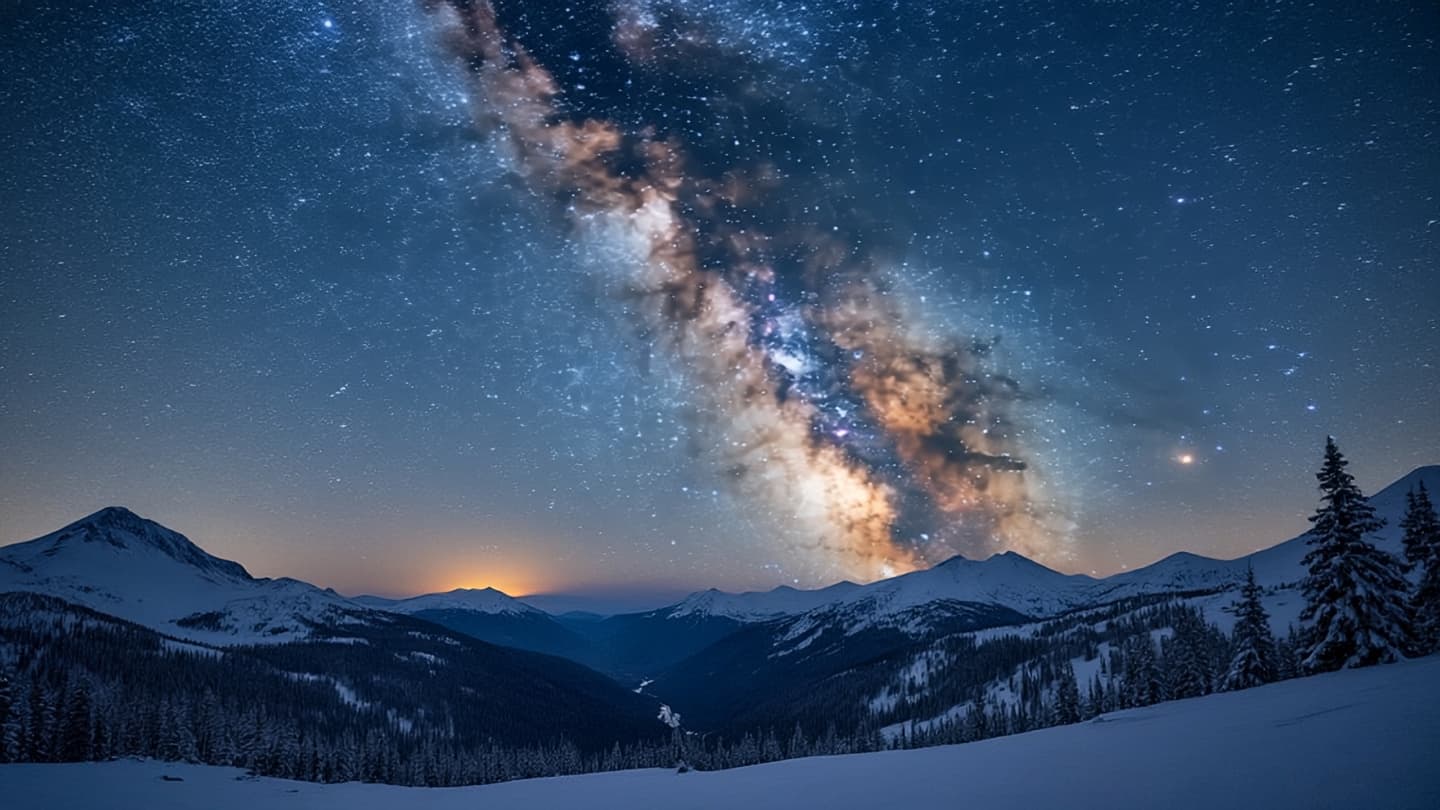
One of the guide's featured highlights is the opportunity to observe the Milky Way stretching across dark skies in locations with minimal light pollution. During July, many regions in the Northern Hemisphere experience favorable evening conditions for viewing the galaxy's bright central band, offering impressive opportunities for both visual observation and astrophotography.
The guide also notes that several bright planets will be visible during different times of the month. Depending on local viewing conditions, observers may be able to identify Mars, Saturn, and Venus either before sunrise or after sunset. NASA recommends checking local sky charts for the most accurate viewing times based on geographic location.
Another feature of the July sky includes the changing phases of the Moon, which influence the visibility of fainter celestial objects. Around the new moon, darker skies provide improved opportunities to observe star clusters, nebulae, and distant galaxies. During the full moon, attention often shifts toward studying the lunar surface itself through binoculars or small telescopes.
NASA emphasizes that most skywatching activities require little specialized equipment. Many constellations, bright planets, and meteor activity can be enjoyed with the unaided eye, while binoculars or entry-level telescopes can enhance the viewing experience. Amateur astronomy organizations frequently organize public observation events that welcome participants of all experience levels.
Beyond simply identifying objects in the sky, the guide encourages people to appreciate astronomy as an ongoing scientific endeavor. Observations made by professional observatories, spacecraft, and citizen scientists continue contributing to research involving planetary science, stellar evolution, and the broader structure of the universe.
NASA's monthly skywatching guides remind people that astronomy remains one of the most accessible scientific experiences available. Whether viewed from a rural landscape or a city park with clear skies, the universe offers opportunities for curiosity, education, and reflection. Each clear evening provides another chance to observe the changing heavens and better understand humanity's place within the cosmos.
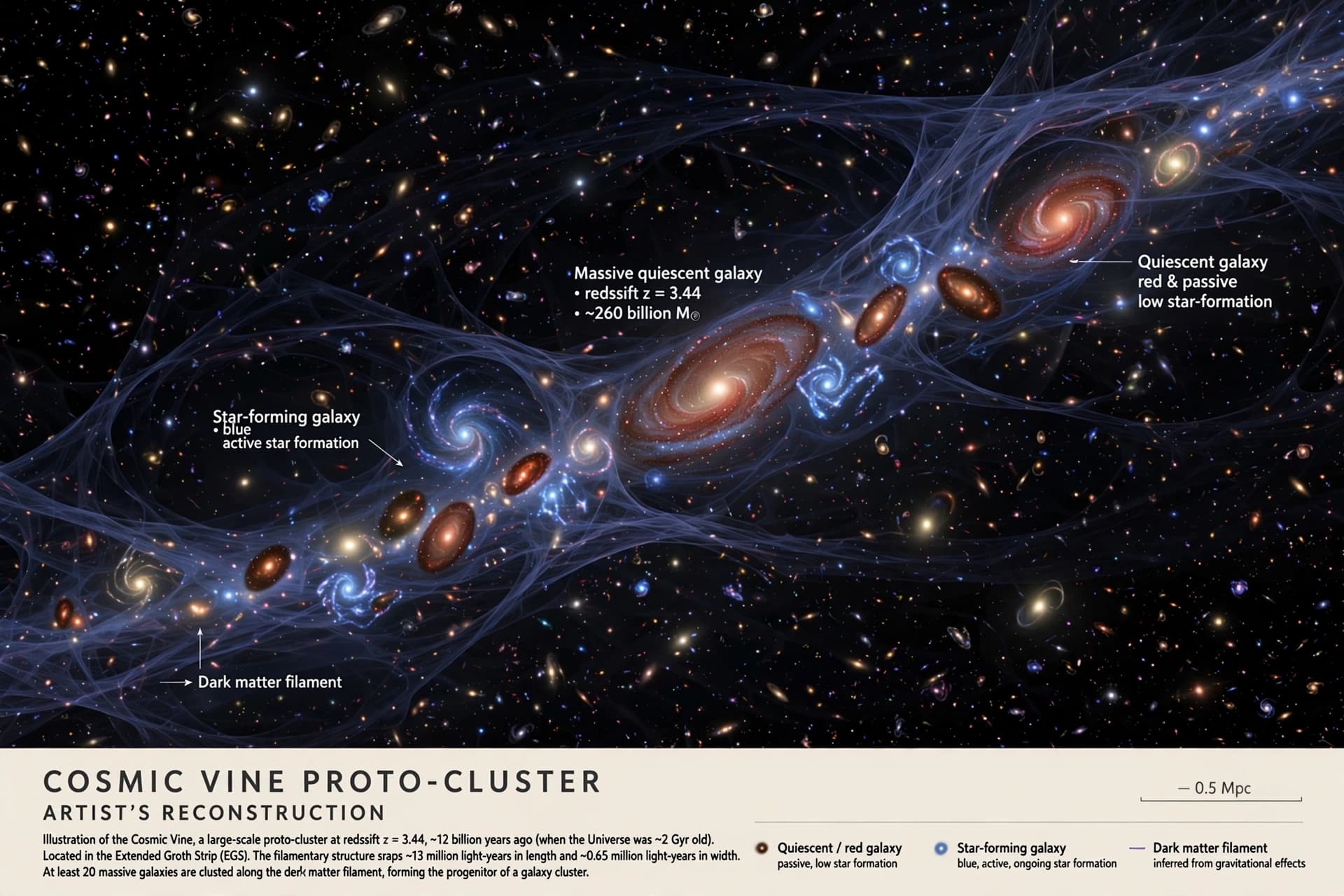
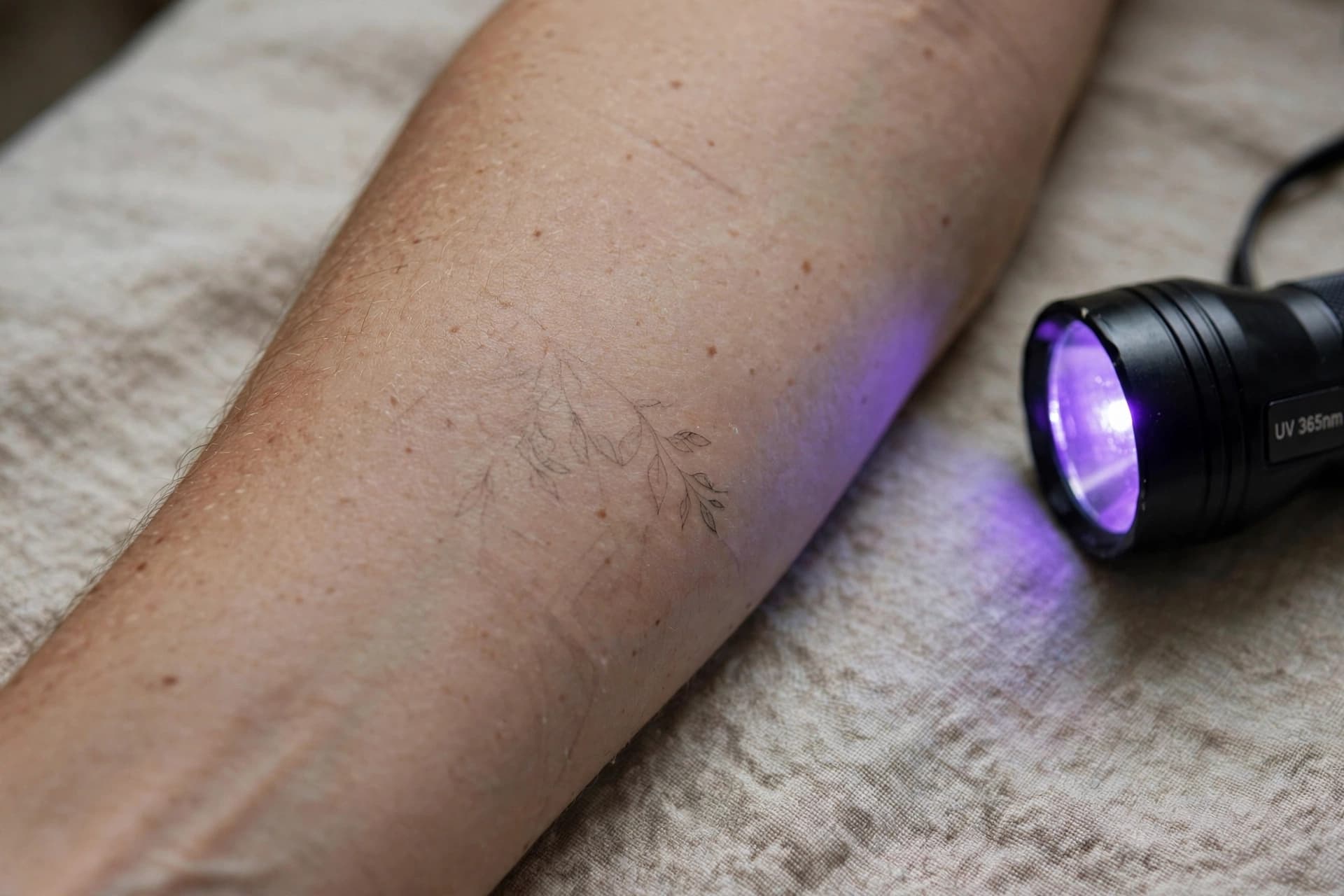
AI Image Disclaimer: The illustrations accompanying this article are AI-generated for editorial visualization and should not be considered actual NASA imagery.
Source Verification: Verified.
Sources: NASA, NASA Science, astronomical observation resources.
Published by Banx Network. This article is part of the Banx decentralized media programme, powered by the BXE token on the XRP Ledger.