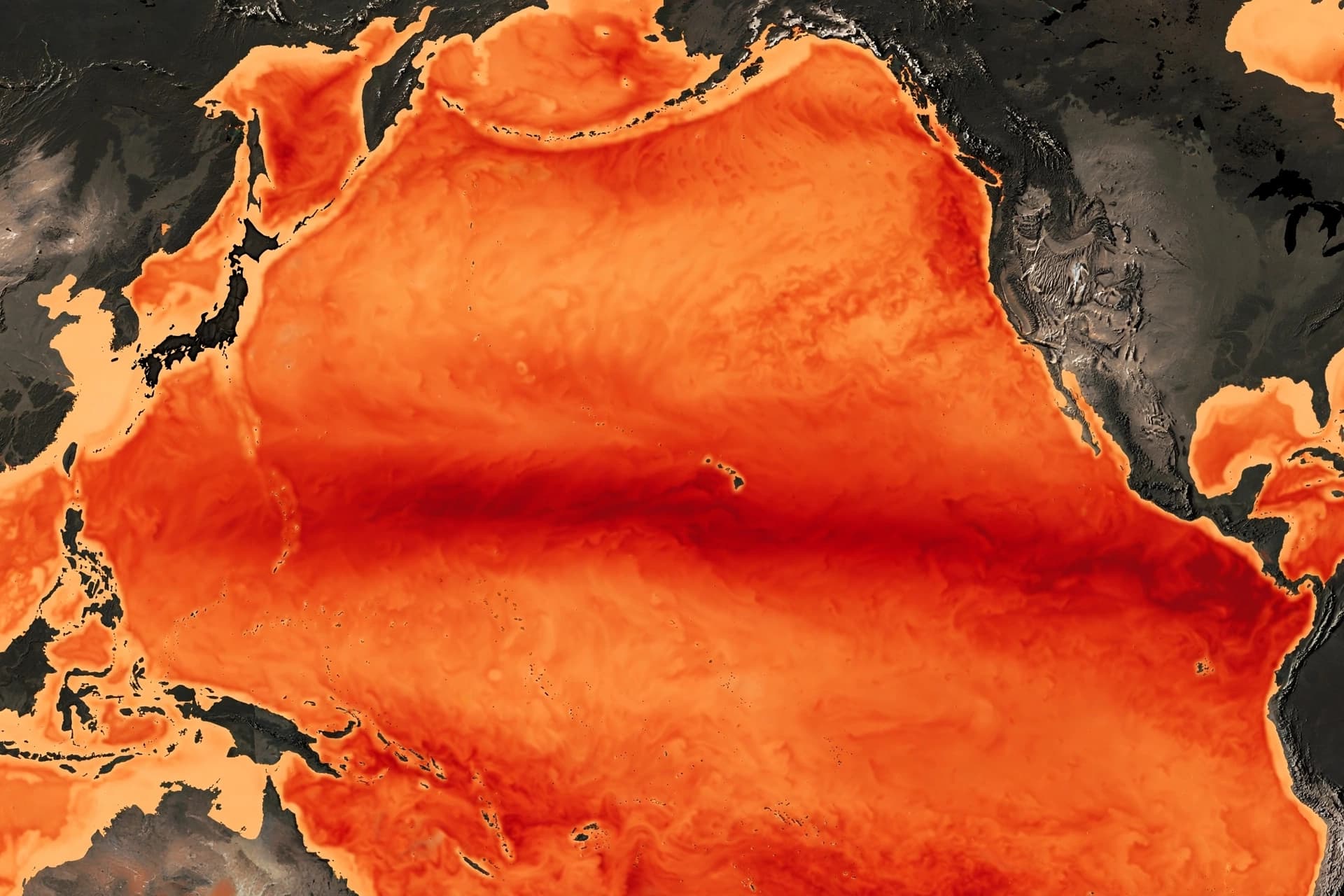
Far beneath the ocean surface lies one of Earth’s least explored environments. The deep ocean remains a vast frontier where extreme pressure, darkness, and unique ecosystems create conditions unlike anywhere else on the planet. For generations, scientists have sought better ways to understand these hidden environments, recognizing that the deep sea holds important clues about biodiversity, climate processes, and the history of life on Earth.
Researchers have recently developed improved methods for studying deep ocean ecosystems, combining advanced underwater technology, autonomous vehicles, and environmental sensors. These tools allow scientists to observe marine environments with greater detail while reducing the challenges traditionally associated with deep-sea exploration.
The deep ocean contains thousands of species adapted to extreme conditions. Many organisms survive without sunlight by relying on chemical energy from underwater geological activity. Studying these ecosystems helps scientists understand how life can exist in challenging environments and may provide insights into the possibility of life beyond Earth.
One major advancement has been the increased use of autonomous underwater vehicles. These robotic systems can travel to great depths, collect images, measure water conditions, and gather biological samples while operating in areas that are difficult or dangerous for human divers to reach.
Scientists are also using environmental DNA, known as eDNA, to identify marine species through genetic material left behind in seawater. This approach allows researchers to detect the presence of organisms without capturing them directly, creating a less invasive method for monitoring biodiversity.
Deep ocean research has important connections to climate science as well. Marine ecosystems influence global carbon cycles by storing carbon in ocean sediments and biological systems. Understanding these processes helps scientists improve models of how oceans interact with Earth's changing climate.
Researchers emphasize that protecting deep ocean environments requires better scientific knowledge. Human activities, including pollution, resource extraction, and climate-related changes, can affect even remote marine ecosystems. Reliable observations are essential for developing conservation strategies based on evidence rather than assumptions.
As technology continues advancing, scientists expect deep ocean exploration to reveal many more discoveries. The hidden ecosystems beneath the waves represent one of Earth's greatest scientific frontiers, offering new opportunities to understand biodiversity, environmental change, and the remarkable ability of life to adapt.
AI Image Disclaimer: The illustrations accompanying this article are AI-generated visual representations created for editorial purposes and do not show actual deep-sea expeditions.
Source Verification: Verified.
Sources: NOAA Ocean Exploration, National Geographic Science
Published by Banx Network. This article is part of the Banx decentralized media programme, powered by the BXE token on the XRP Ledger.