Beneath the crushing weight of the ocean’s depths, where sunlight never reaches and silence reigns supreme, the Earth is constantly reshaping itself. For decades, scientists have understood that tectonic plates drift apart, creating new crust in a slow, fiery dance. Yet, witnessing this process in real-time has remained one of geology’s greatest challenges. Now, through the innovative use of in situ seismogeodesy, researchers have managed to capture the intimate anatomy of a seafloor spreading event, offering a rare glimpse into the planet’s hidden heartbeat.
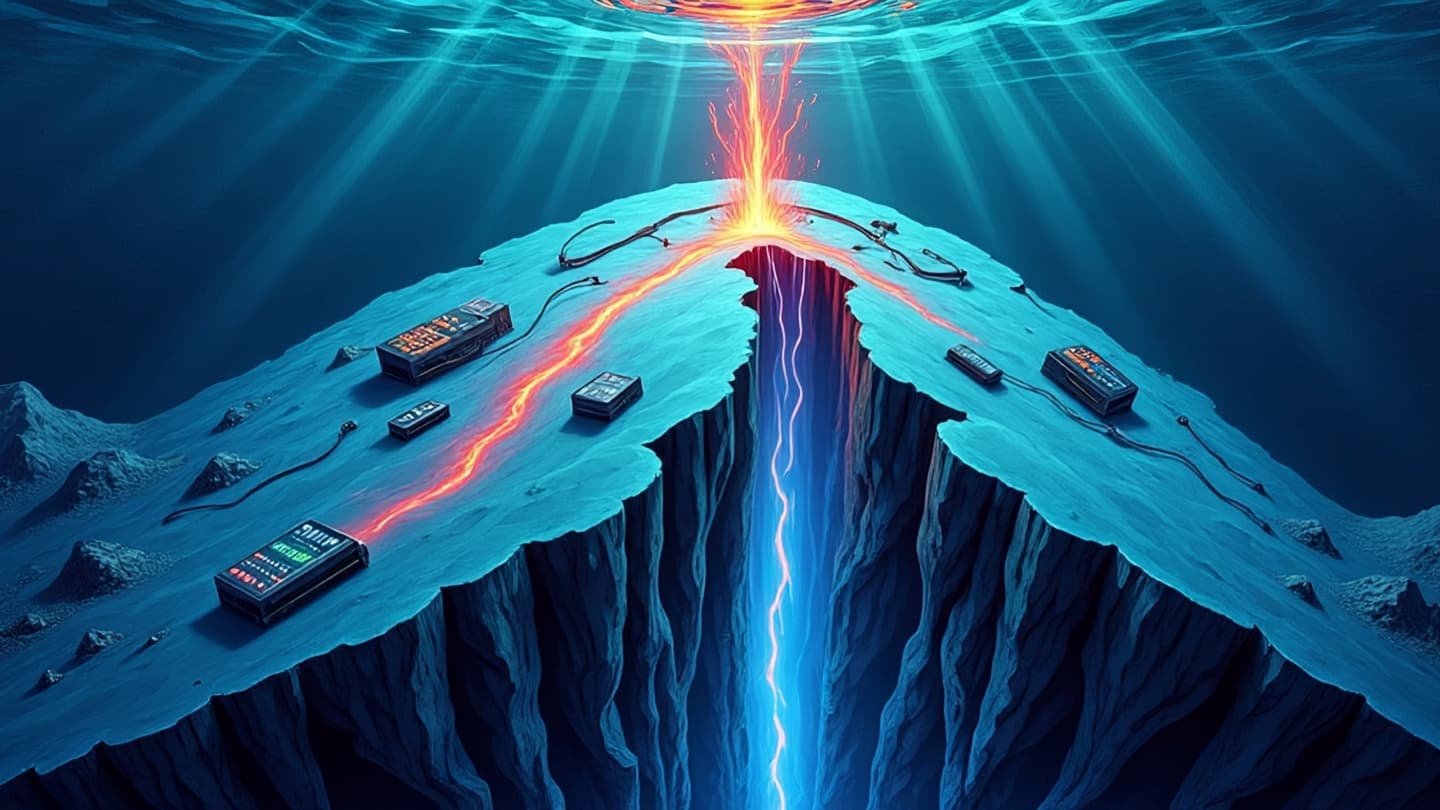
Body: The study focuses on the mid-ocean ridges, vast underwater mountain ranges where magma rises from the mantle to fill the gaps between diverging plates. Traditionally, monitoring these areas required indirect methods or brief snapshots from research vessels. However, the deployment of advanced sensor arrays directly on the seafloor has changed the narrative. These instruments combine seismic data with geodetic measurements, allowing scientists to track both the vibrations of the earth and the physical movement of the crust with unprecedented precision.
The term "seismogeodesy" reflects this dual approach, merging the study of earthquakes with the measurement of Earth’s geometric shape. By placing these tools in situ, or in their original place, researchers avoided the signal loss and interference often associated with surface-based observations. The result is a high-resolution record of the forces at play, revealing how stress builds up and releases during the formation of new oceanic crust.
The captured event revealed a complex sequence of magma injection and faulting. Rather than a single, smooth rupture, the spreading occurred in a series of smaller, interconnected movements. This nuanced view challenges some existing models that assumed a more uniform process. It suggests that the creation of new seafloor is a jagged, dynamic affair, influenced by local variations in magma supply and rock strength.
This breakthrough has significant implications for our understanding of volcanic hazards and tsunami risks. While mid-ocean ridges are far from populated coastlines, the mechanics of magma movement learned here can be applied to other volcanic systems closer to human settlements. Understanding the subtle precursors to spreading events may help improve early warning systems for underwater landslides or eruptions.
Furthermore, the success of this technology highlights the growing capability of oceanographic engineering. Deploying and maintaining sensitive equipment in such a hostile environment requires robust design and careful planning. The data retrieved not only advances scientific knowledge but also demonstrates the resilience of modern instrumentation against extreme pressure and corrosion.
As the analysis continues, scientists hope to correlate these findings with satellite data and historical records. This holistic approach will help build a more complete picture of plate tectonics, turning isolated observations into a coherent story of planetary evolution. The ocean floor, once a mysterious blank spot on the map, is gradually revealing its secrets.
Closing: With the successful capture of a seafloor spreading event using in situ seismogeodesy, scientists have opened a new window into the dynamics of plate tectonics. This detailed observation enhances our understanding of geological processes and underscores the value of direct, long-term monitoring in the deep ocean.
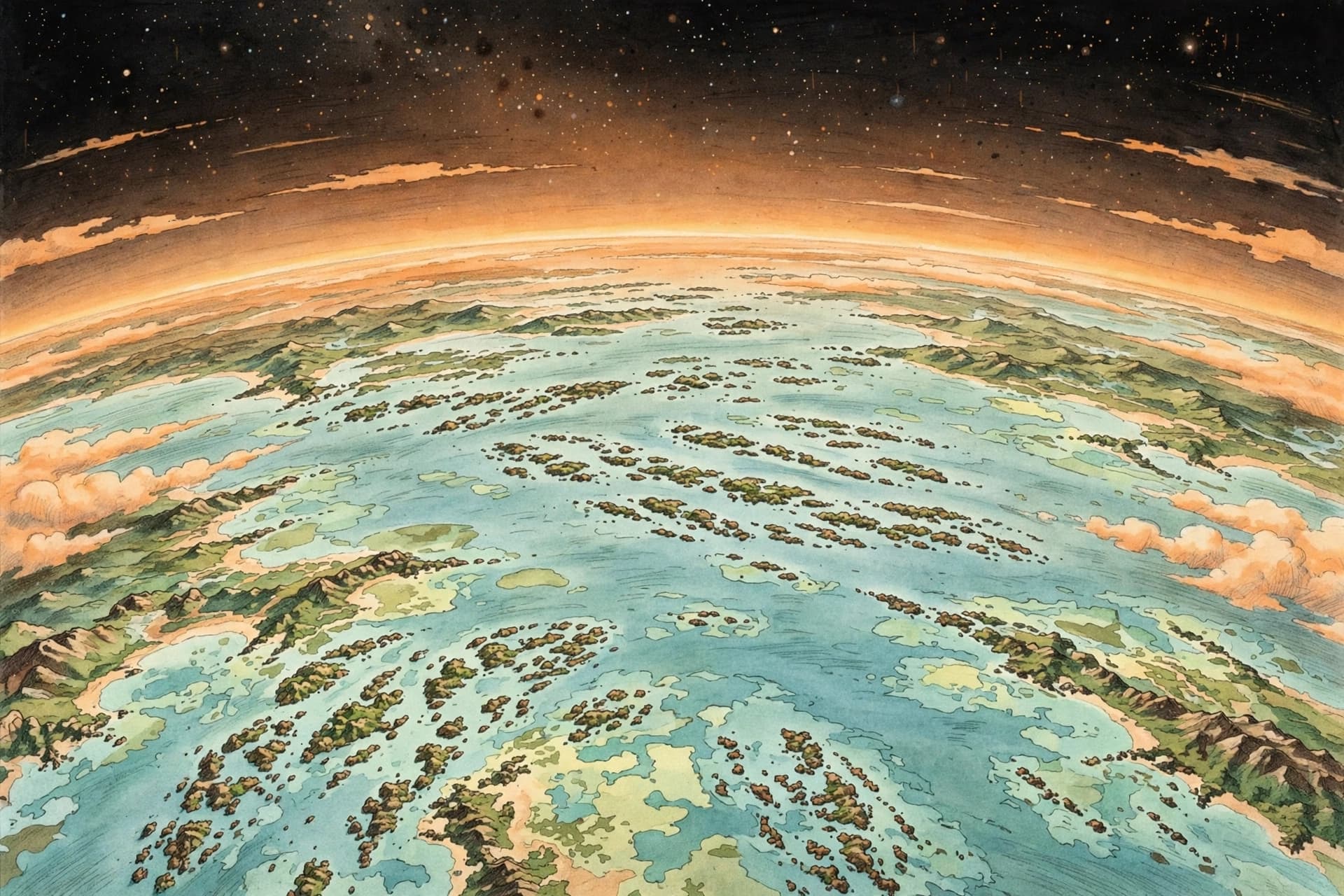
AI Image Disclaimer: Please note that the images accompanying this article are AI-generated illustrations intended to visualize the concepts of deep-sea geology and scientific instrumentation.
Sources: Nature Geoscience ScienceDaily Woods Hole Oceanographic Institution Geophysical Research Letters
Published by Banx Network. This article is part of the Banx decentralized media programme, powered by the BXE token on the XRP Ledger.