SCIENCE94% credibility
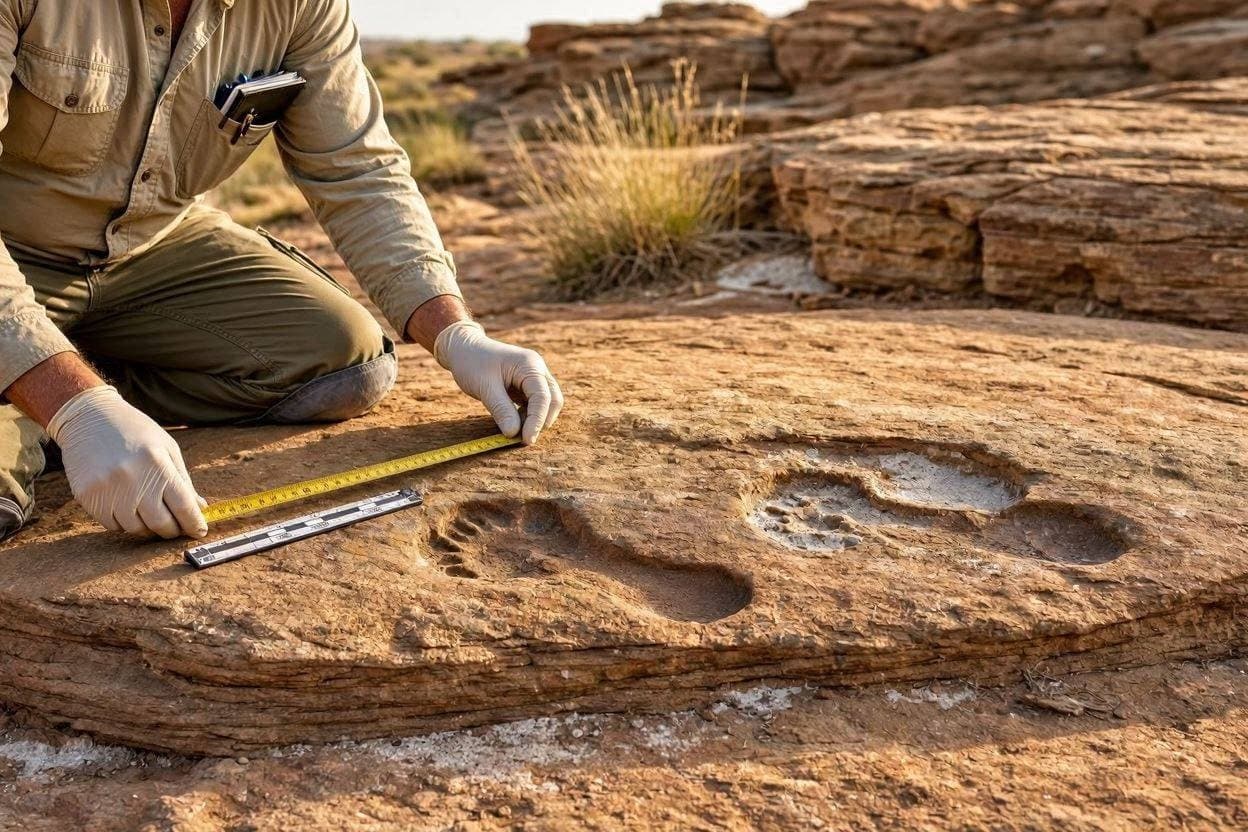
Steps Through Time: The 1.4 Million-Year-Old Footprints
Ancient footprints in Ethiopia, dated to 1.4 million years ago, reveal details about the walking style and social structure of Homo erectus.
3 min read

Ancient footprints in Ethiopia, dated to 1.4 million years ago, reveal details about the walking style and social structure of Homo erectus.
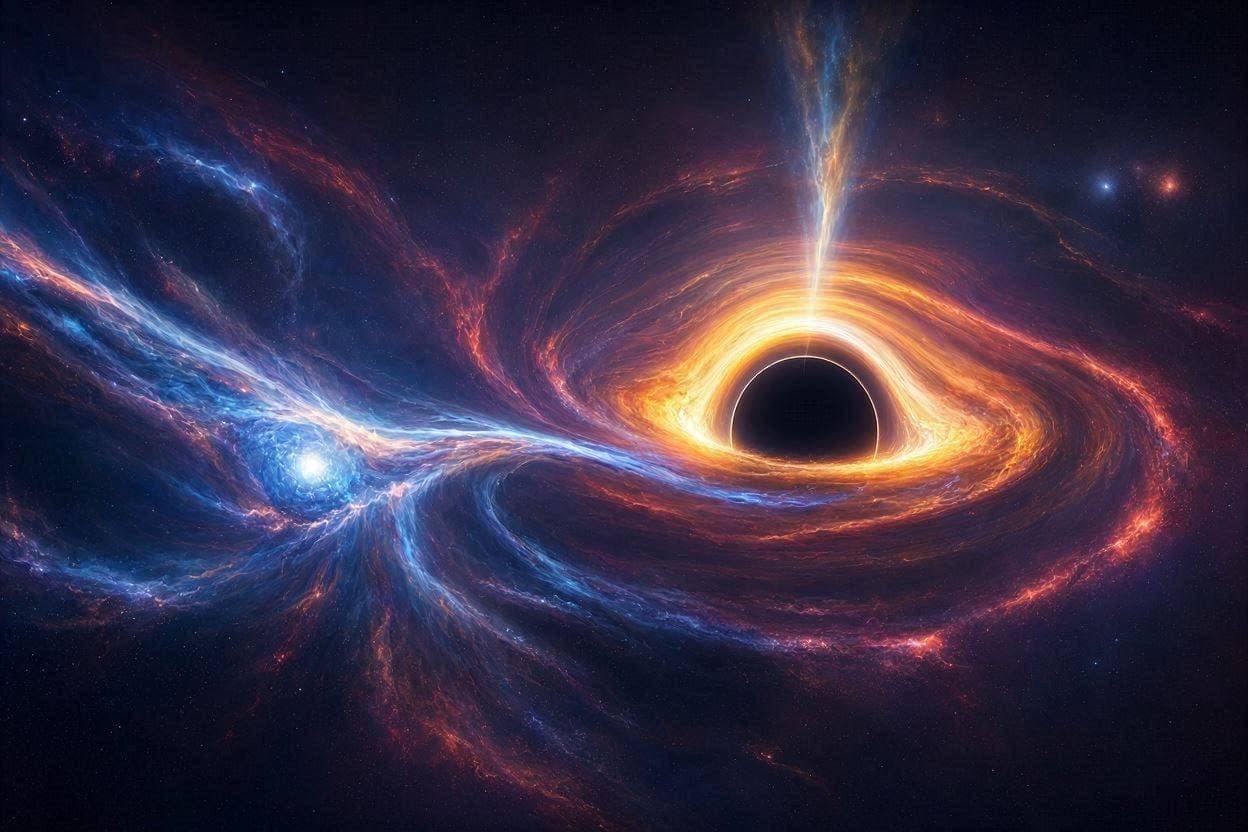
UNC astronomers observed a rare tidal disruption event where a black hole tore apart a star, providing valuable data on black hole physics.
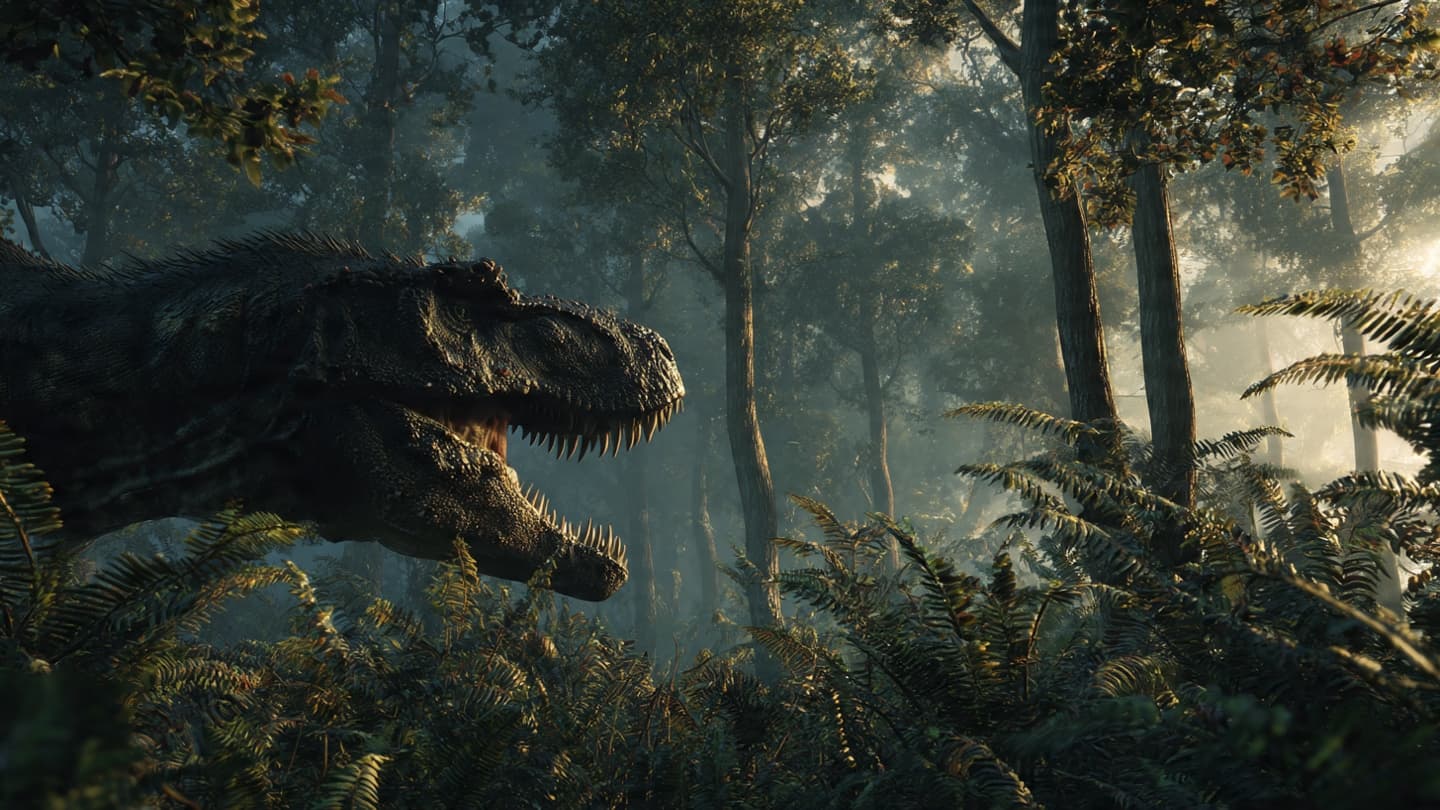
A world-first fossil from Queensland captures a rare predatory attack, offering detailed insights into dinosaur behavior and Mesozoic ecosystems.

Bali’s first waste-to-energy plant is operational, aiming to cut emissions by 640,000 tons annually and create 1,200 green jobs.
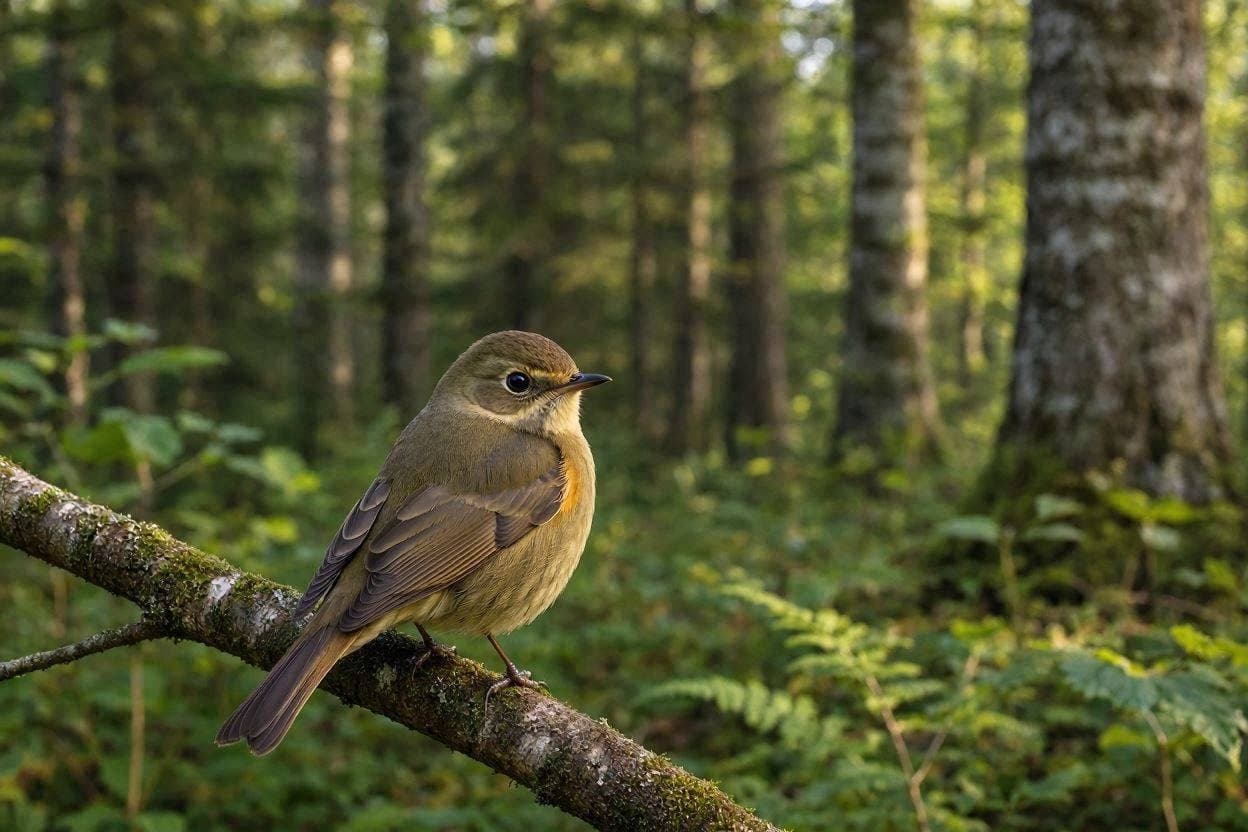
Health officials have identified seven suspected cases of avian influenza in native wildlife species, prompting calls for public vigilance and hygiene.
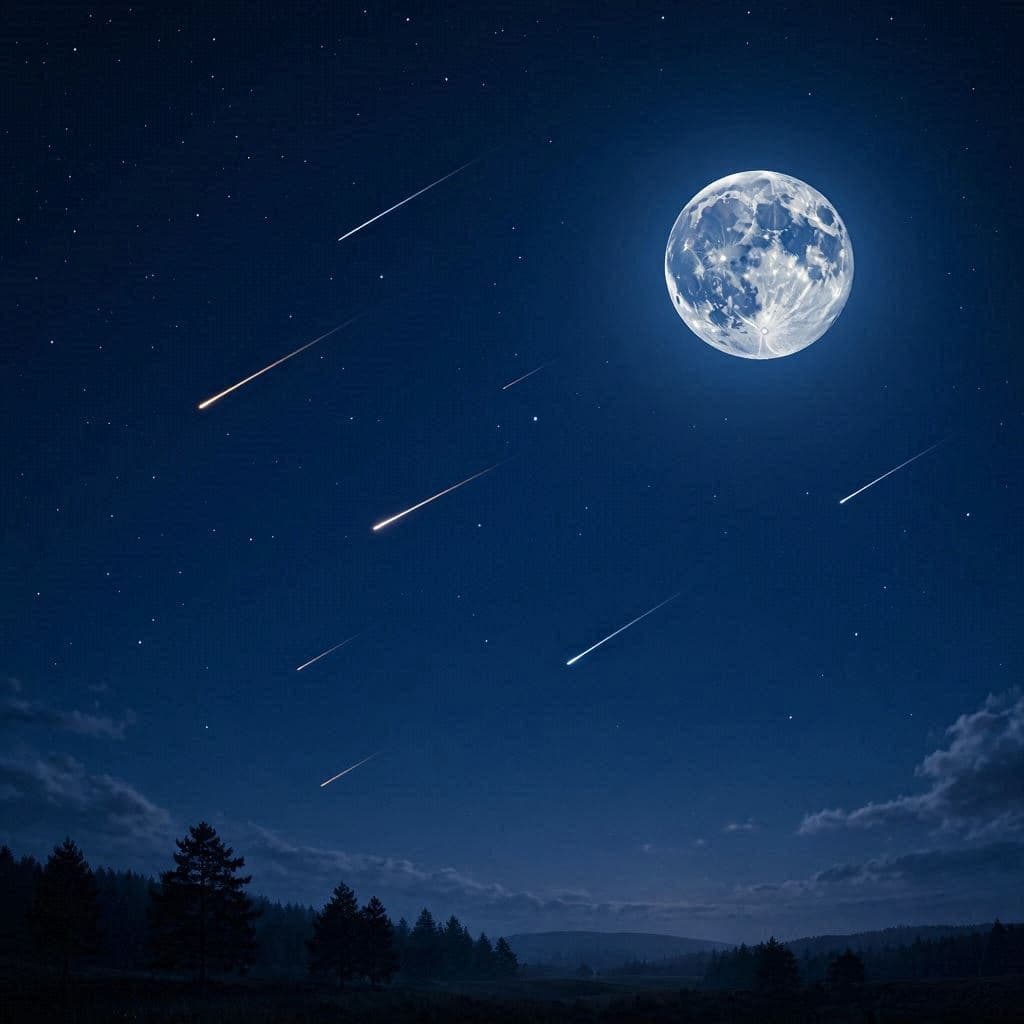
The Southern Delta Aquariids and Alpha Capricornids meteor showers peak this week, offering a chance to see shooting stars despite the bright Full Buck Moon.
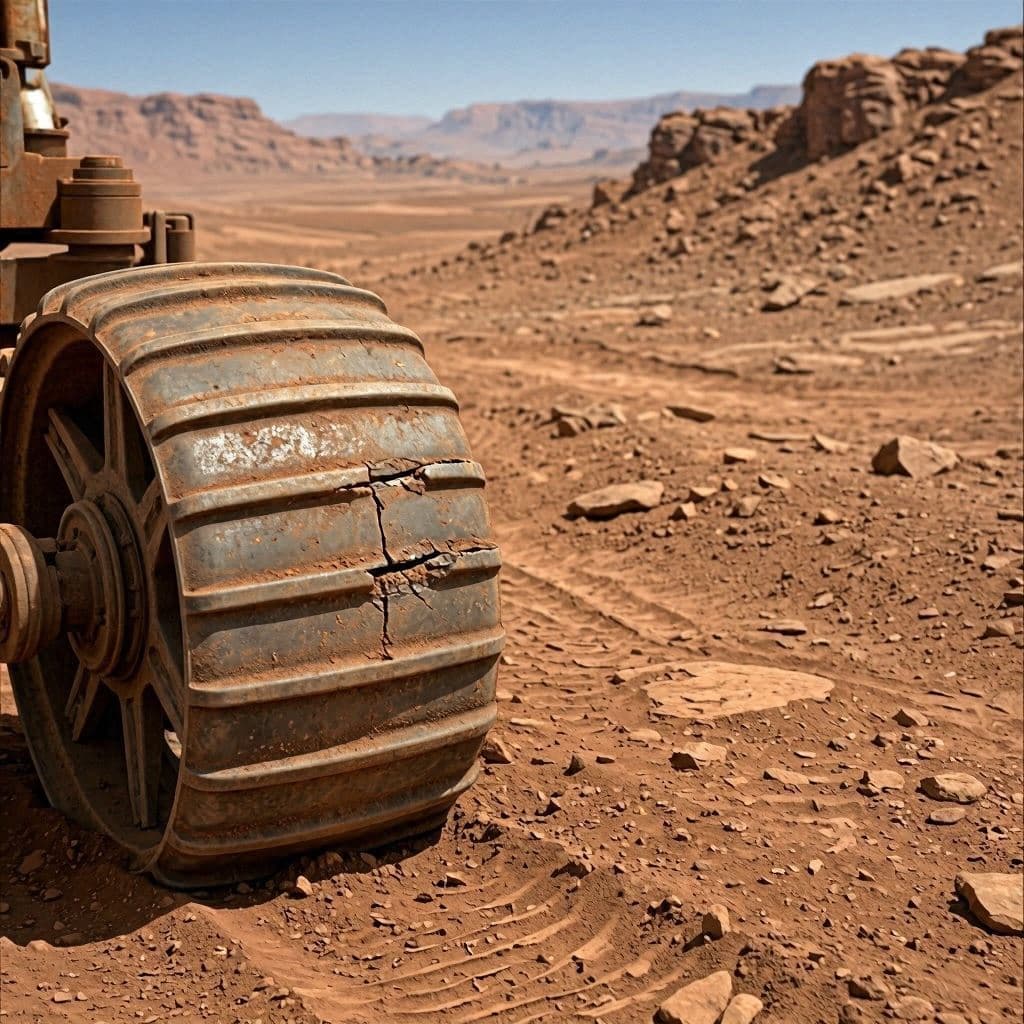
NASA’s Curiosity rover inspects a cracked wheel on Mars, showcasing its durability and continued scientific operation after more than a decade on the Red Planet.
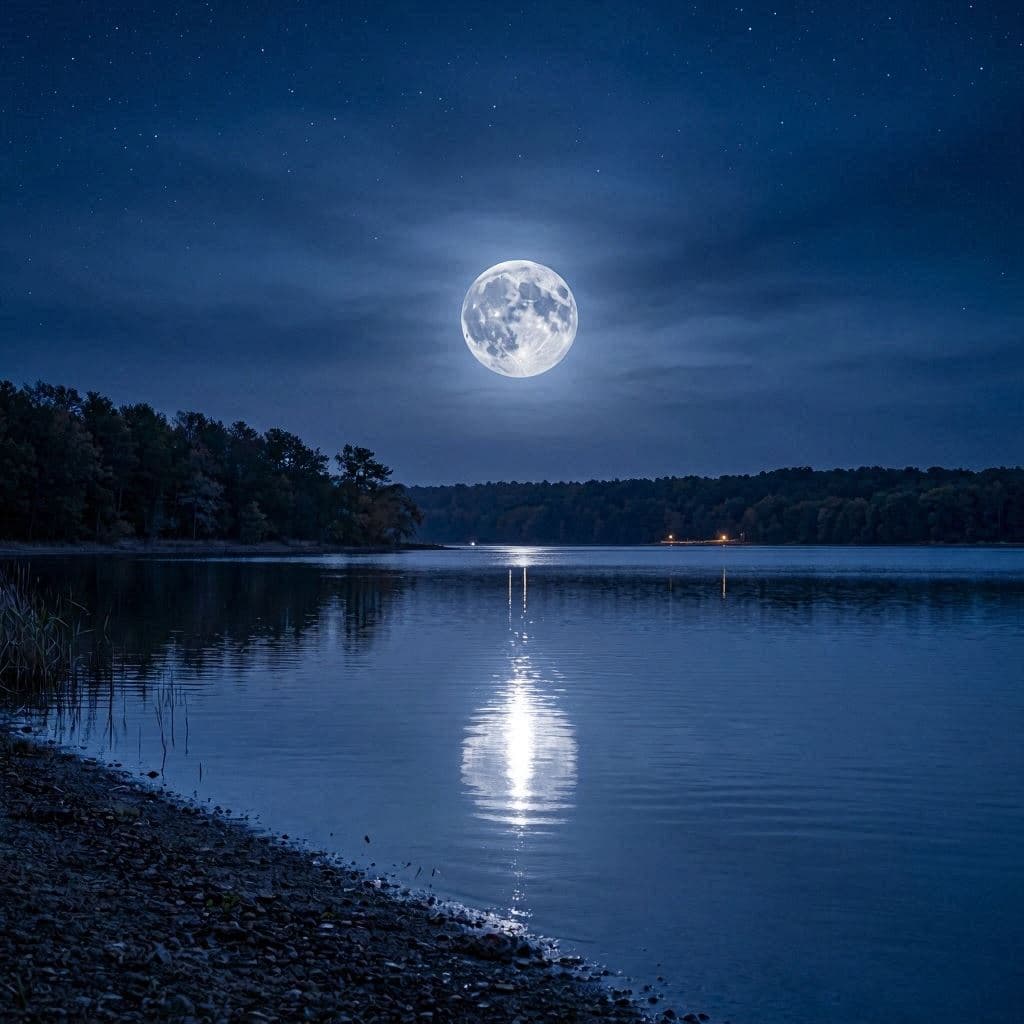
The Full Buck Moon peaks this week, offering a bright and colorful display in the summer sky, with tips for viewing and photography.
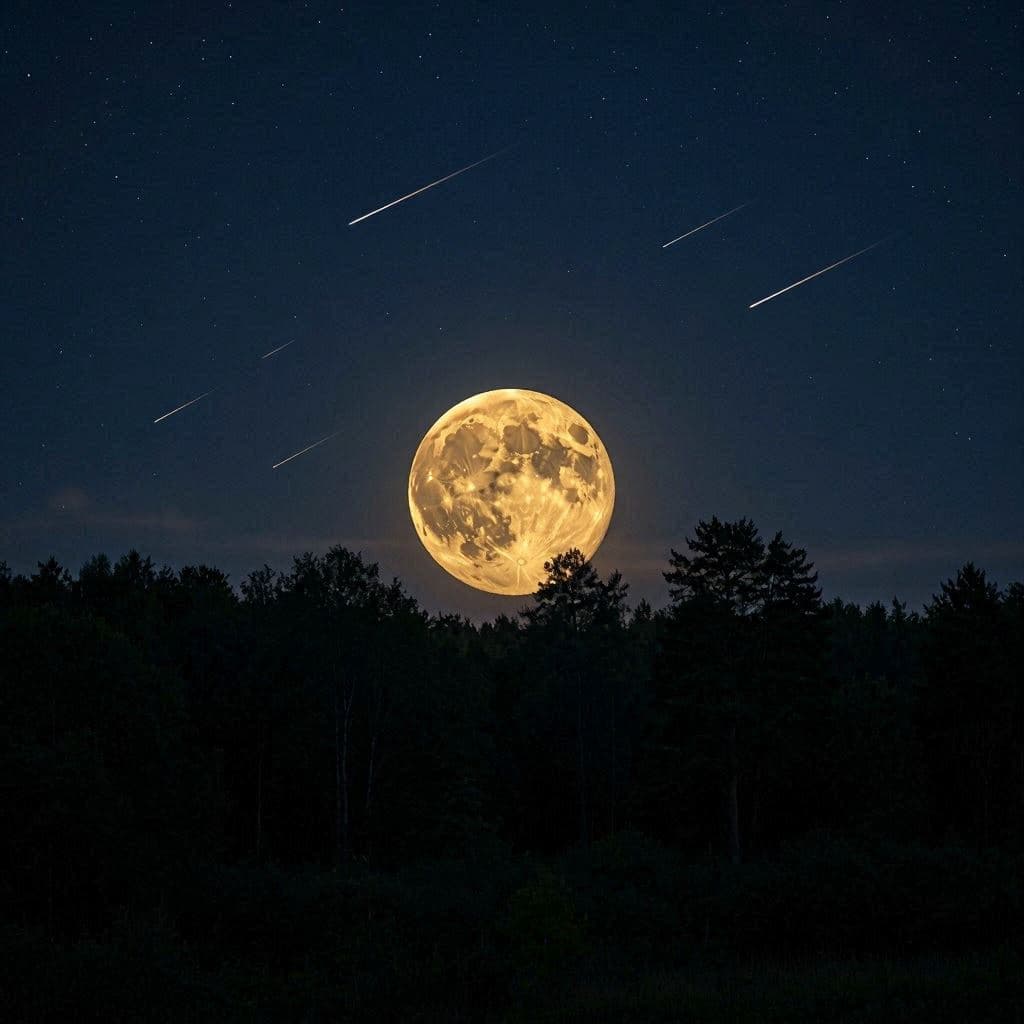
This week, skywatchers can enjoy the Full Buck Moon and the Southern Delta Aquariid meteor shower, offering a beautiful combination of lunar glow and shooting stars.
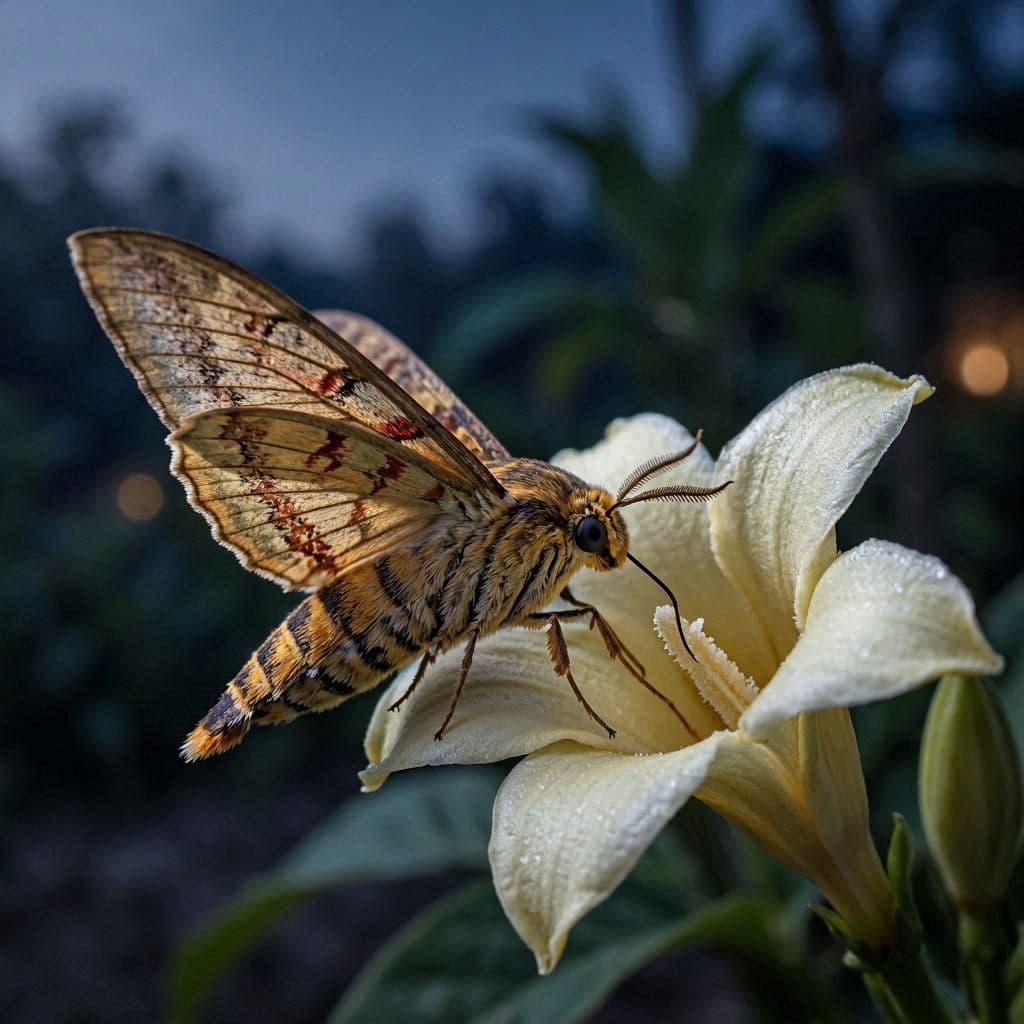
A new study finds that certain moths can detect floral scents through specialized pores on their wings, enhancing their ability to locate nectar sources.
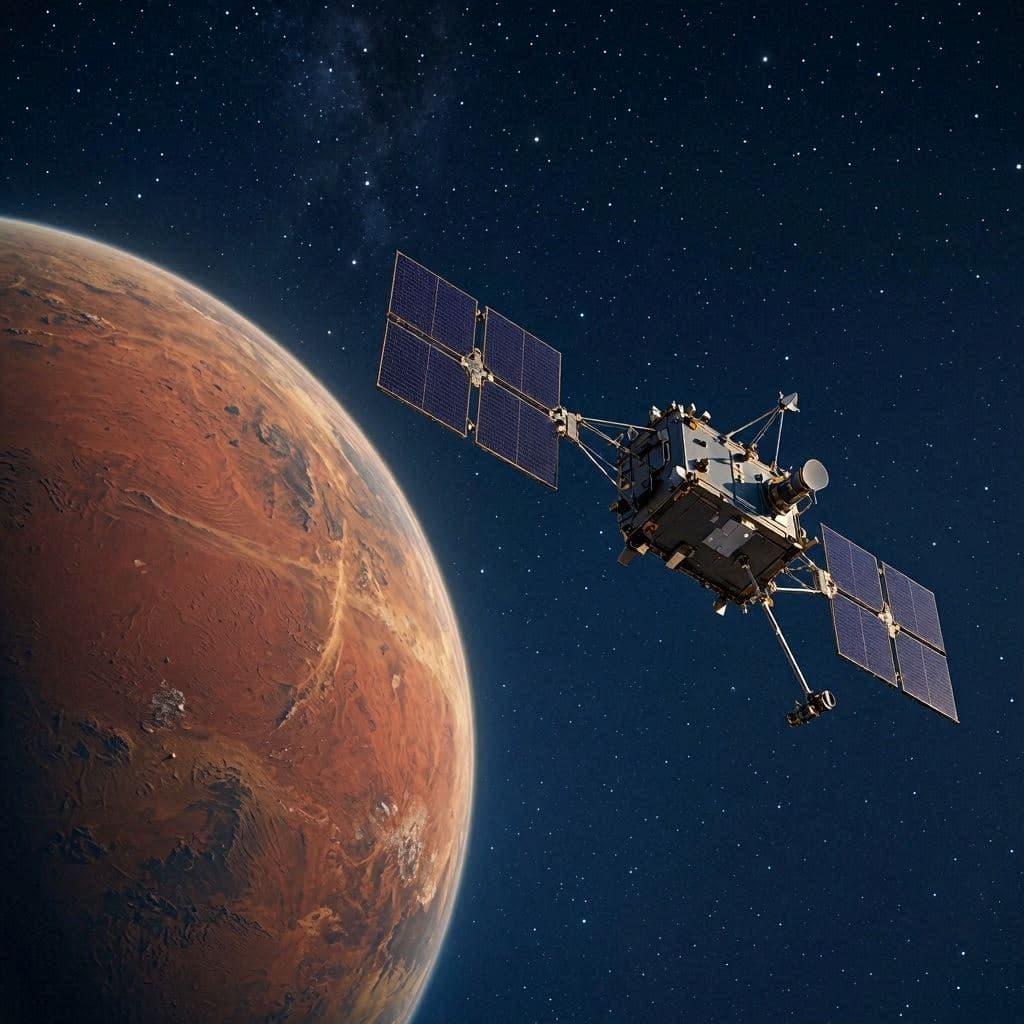
NASA’s Psyche spacecraft performed a gravity-assist flyby of Mars to adjust its trajectory toward the metal-rich asteroid 16 Psyche, scheduled for arrival in 2029.
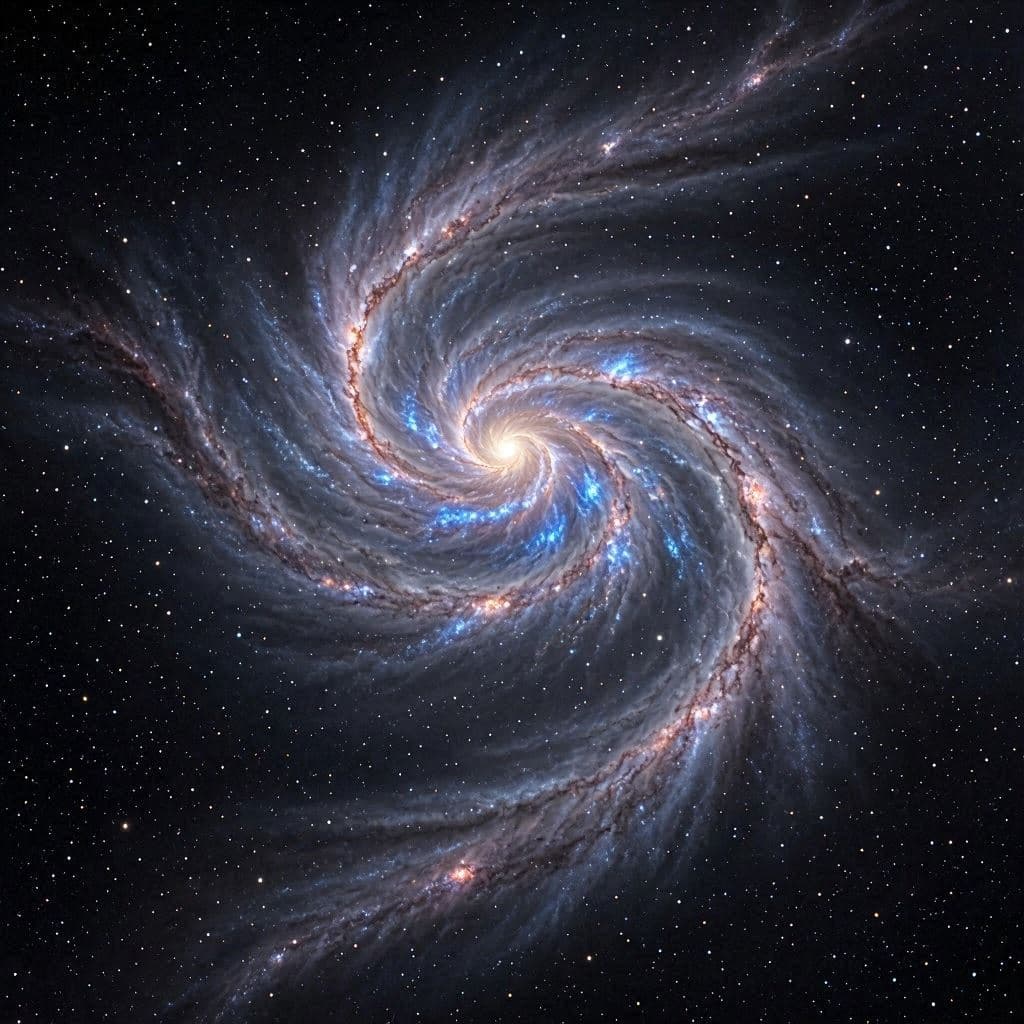
The Hubble Space Telescope has captured an image of a spiral galaxy distorted by tidal forces from a nearby galaxy cluster, revealing the impact of gravity on cosmic structures.

Archaeologists discovered a 480,000-year-old elephant bone fragment used as a hammer to sharpen stone axes, revealing advanced toolmaking skills in ancient Britain.
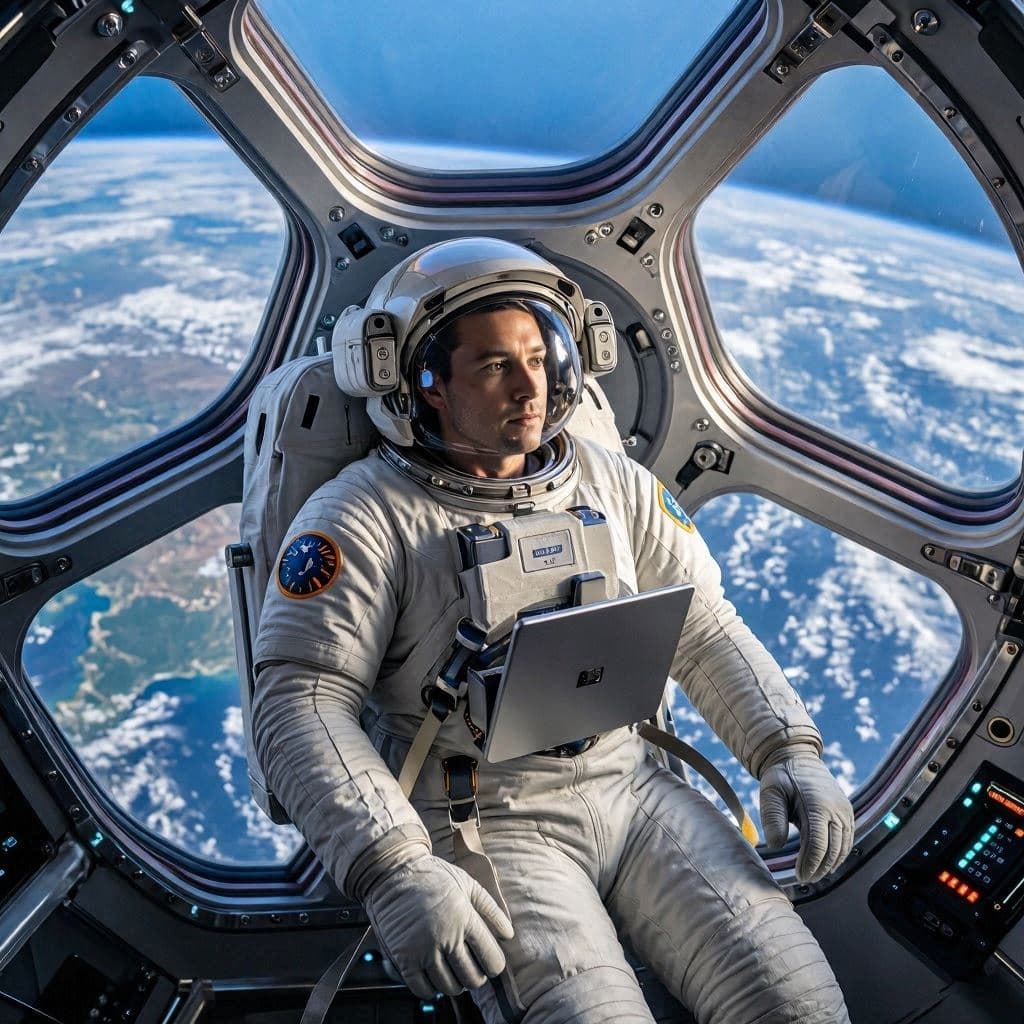
NASA astronaut Chris Williams shares insights from his ISS mission, highlighting scientific research, international cooperation, and the overview effect.
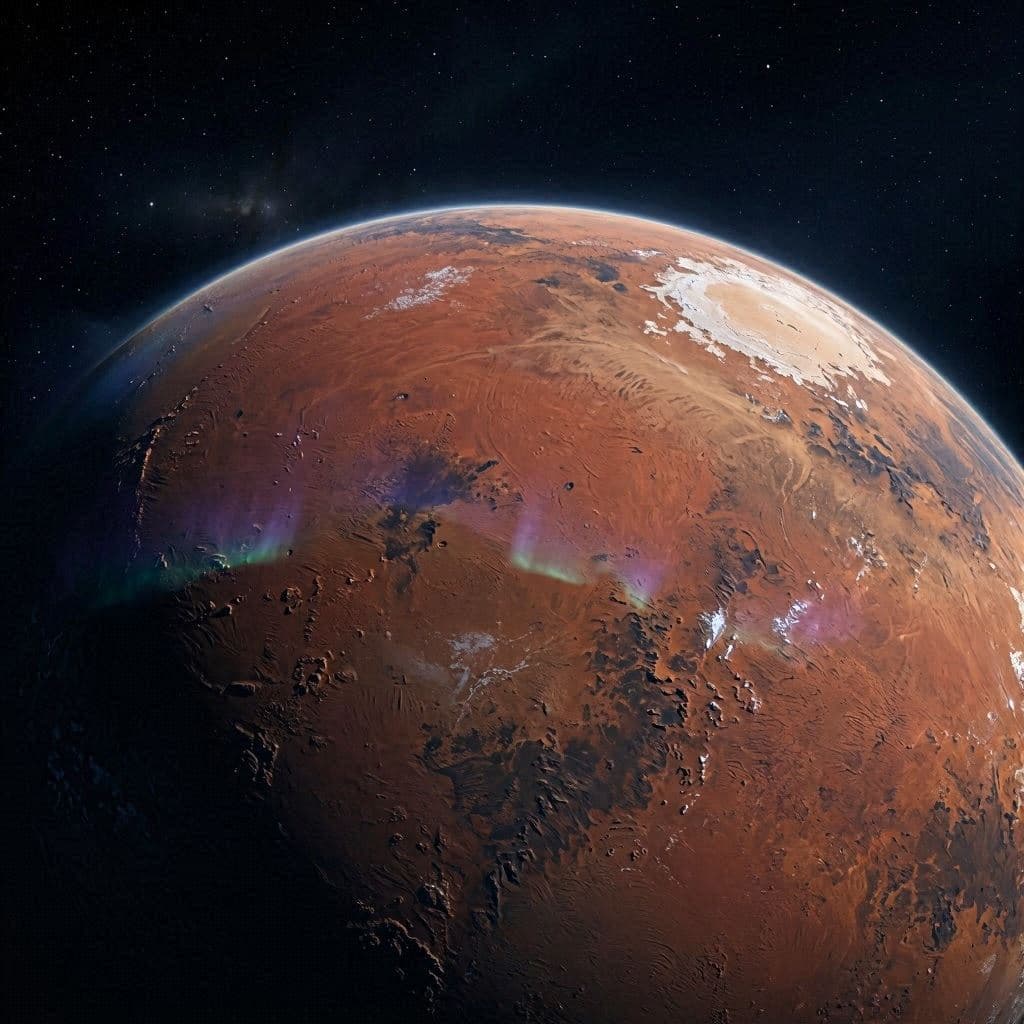
The Emirates Mars Mission Hope probe, after recovering from a communication blackout, revealed how localized magnetic fields create discrete auroras on Mars.
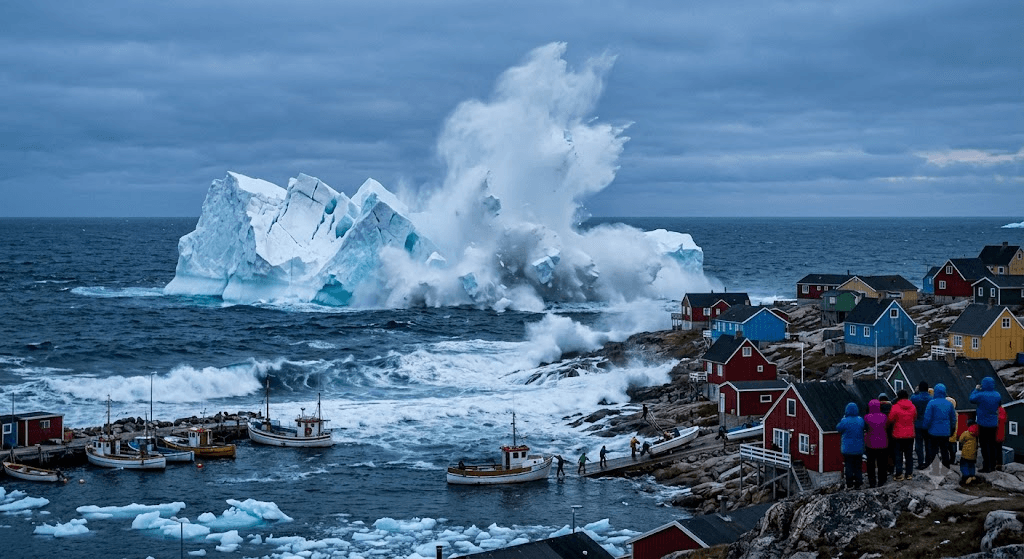
A massive iceberg suddenly fractured and toppled near a Greenland settlement, triggering powerful coastal waves. Stunned residents witnessed the dramatic collapse, which caused no injuries.
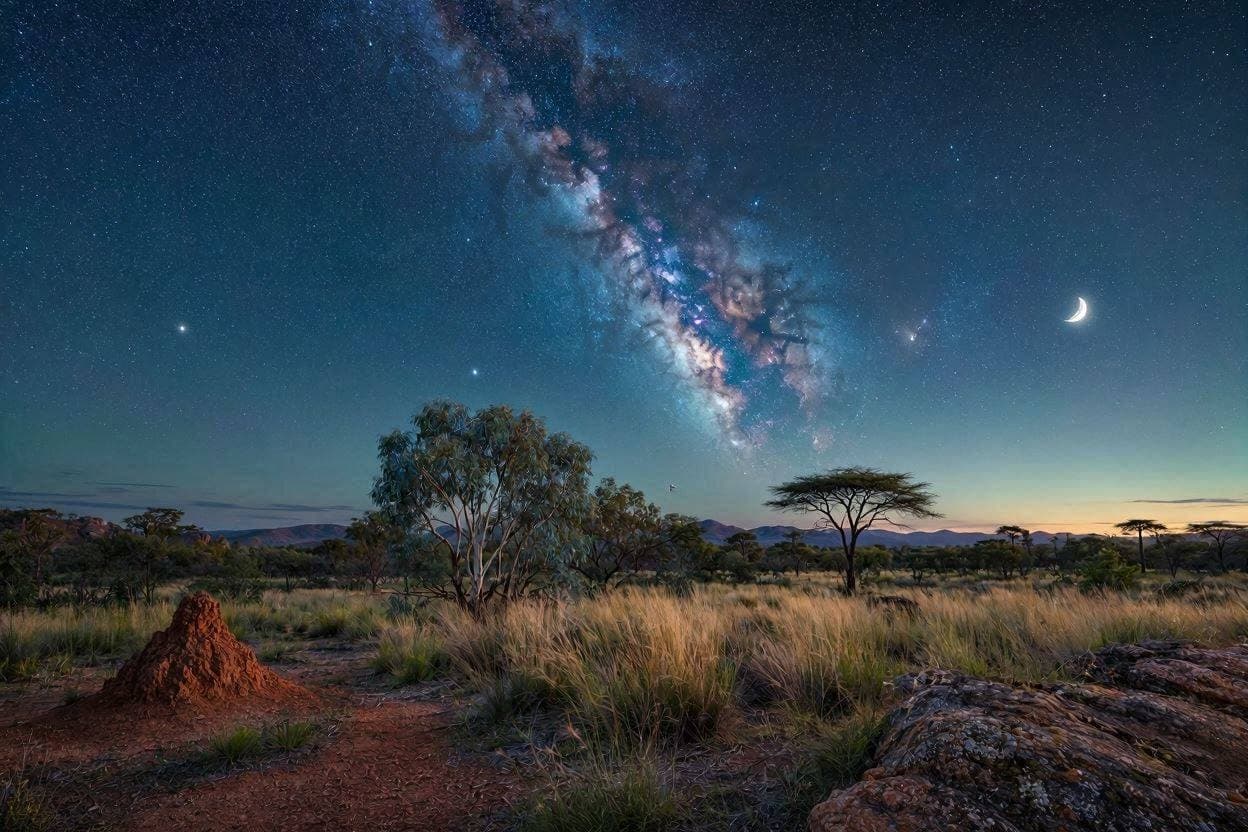
A new exhibition connects Indigenous astronomical knowledge from Australia and South Africa, highlighting shared cultural traditions and the significance of the Milky Way in First Nations cosmologies.
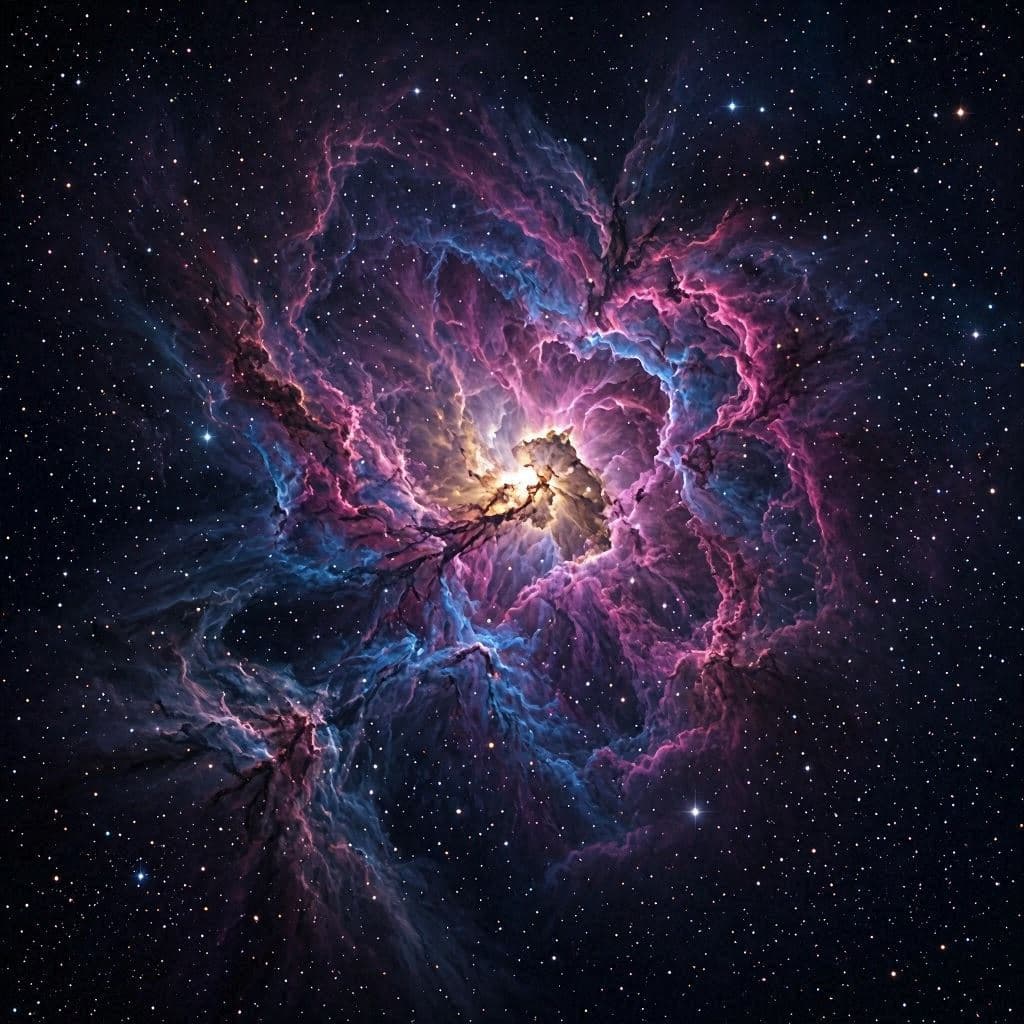
The Royal Observatory Greenwich has announced the 29 finalists for the 2026 Astronomy Photographer of the Year, showcasing stunning images of nebulae, eclipses, and aurorae from around the world.
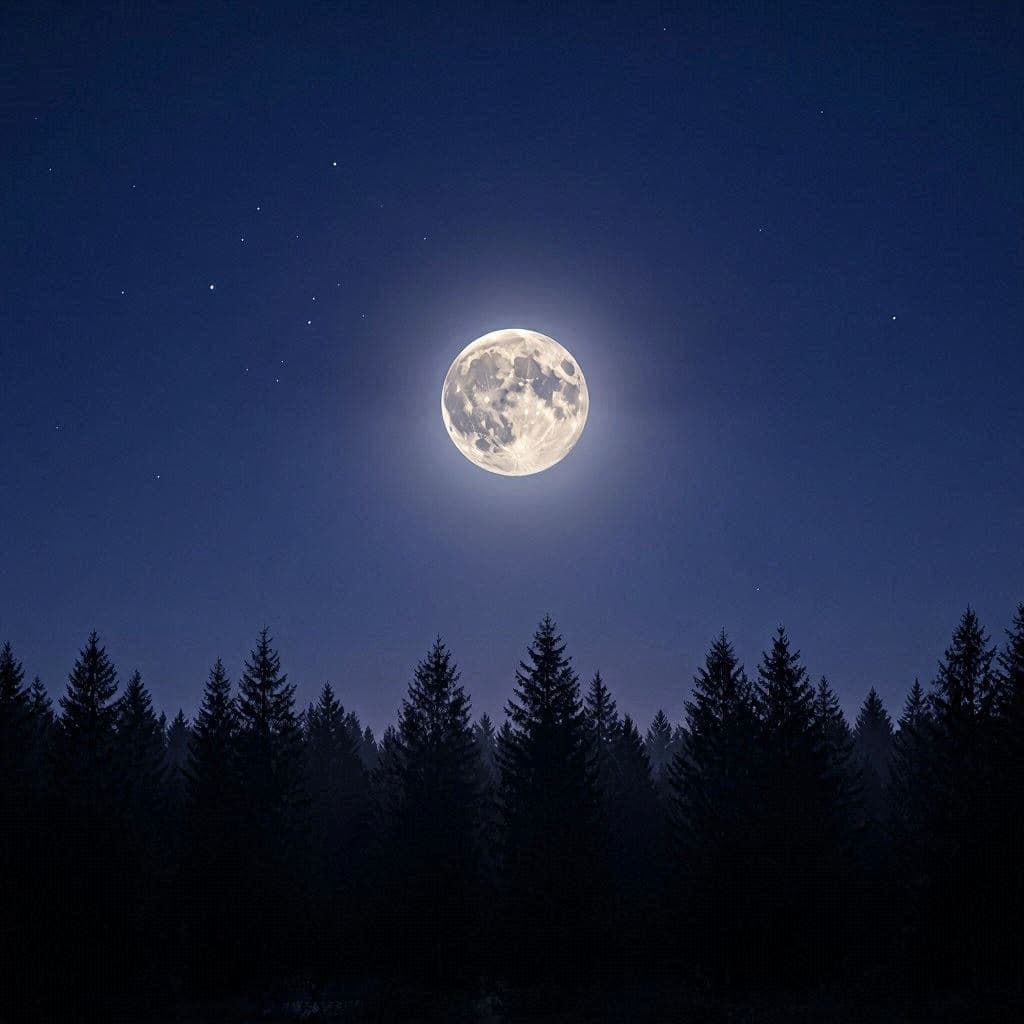
The July 2026 Buck Moon serves as a seasonal marker and precursor to the upcoming total solar eclipse, offering stargazers a chance to observe the lunar cycle’s role in celestial alignments.
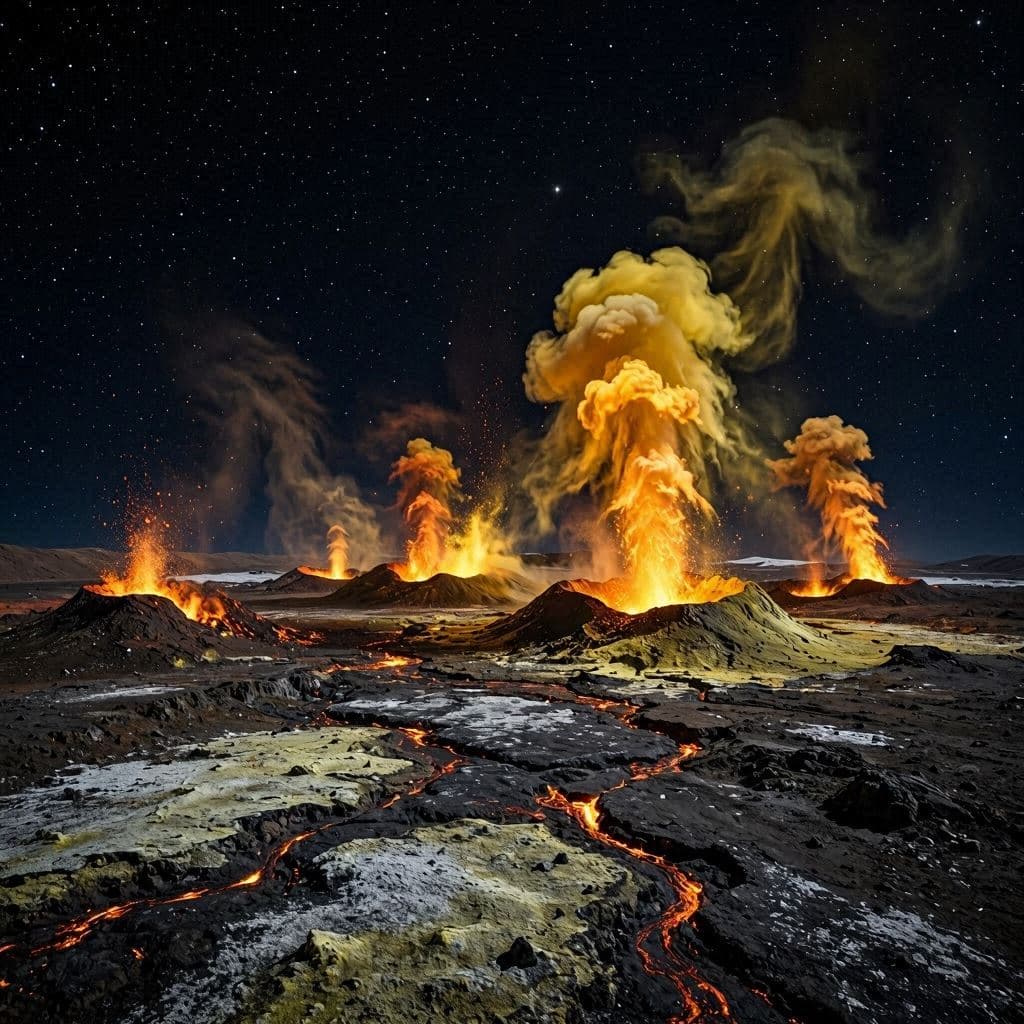
Jupiter’s moon Io is the most volcanically active body in the solar system, with plumes shooting 500km high, a phenomenon initially mistaken for camera errors by Voyager scientists.
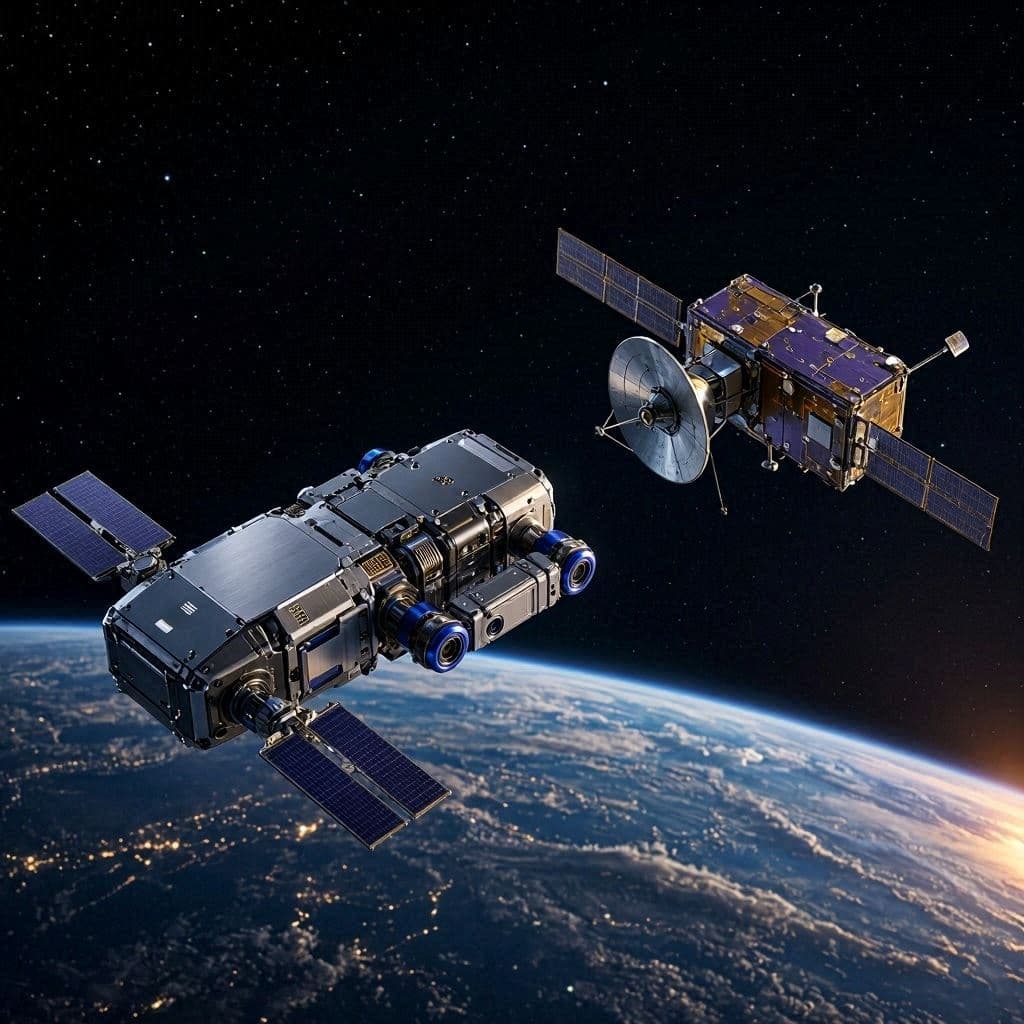
Advanced robotic servicing satellites are now capable of docking with and extending the life of aging spacecraft, marking a shift toward sustainable space infrastructure and debris reduction.
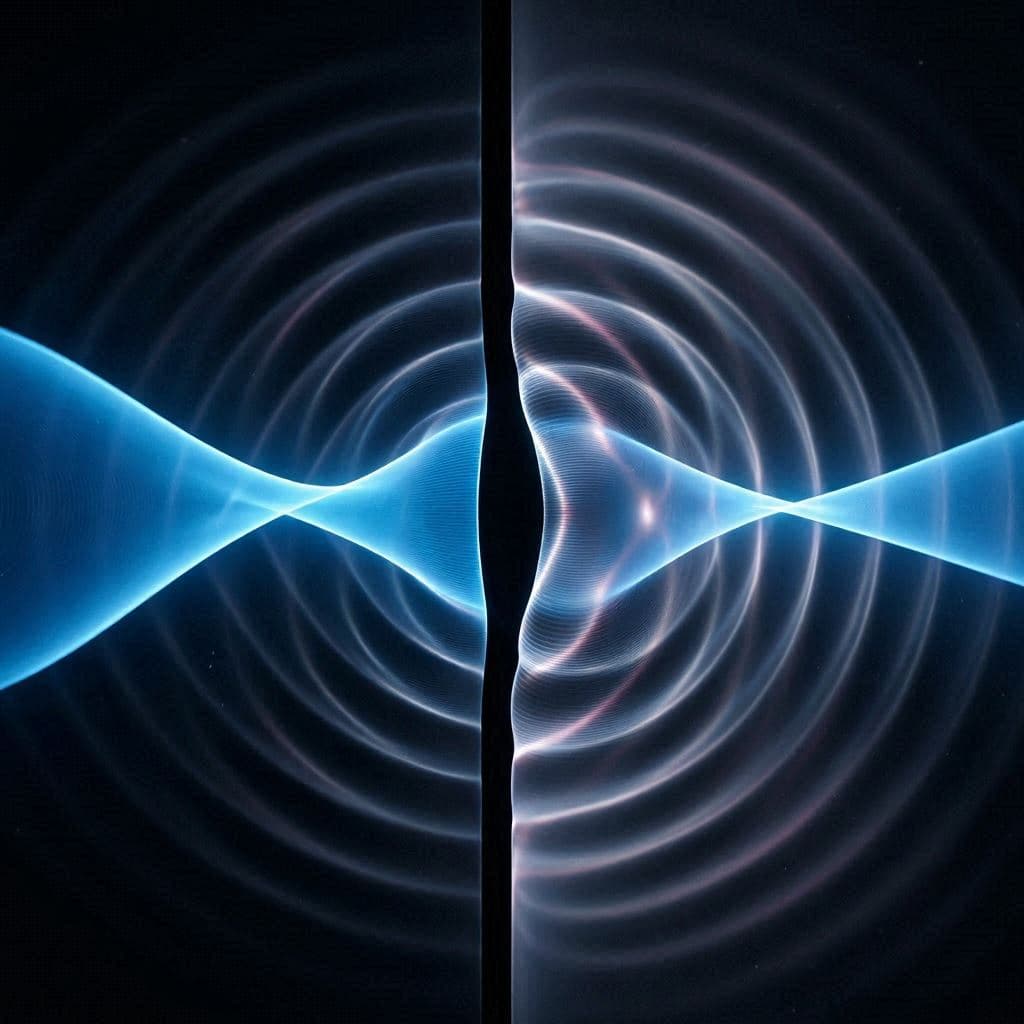
Theoretical physicists found that "cutting" a photon with an optical shutter doesn’t split it but creates a complex state with infinite photons due to quantum vacuum effects.
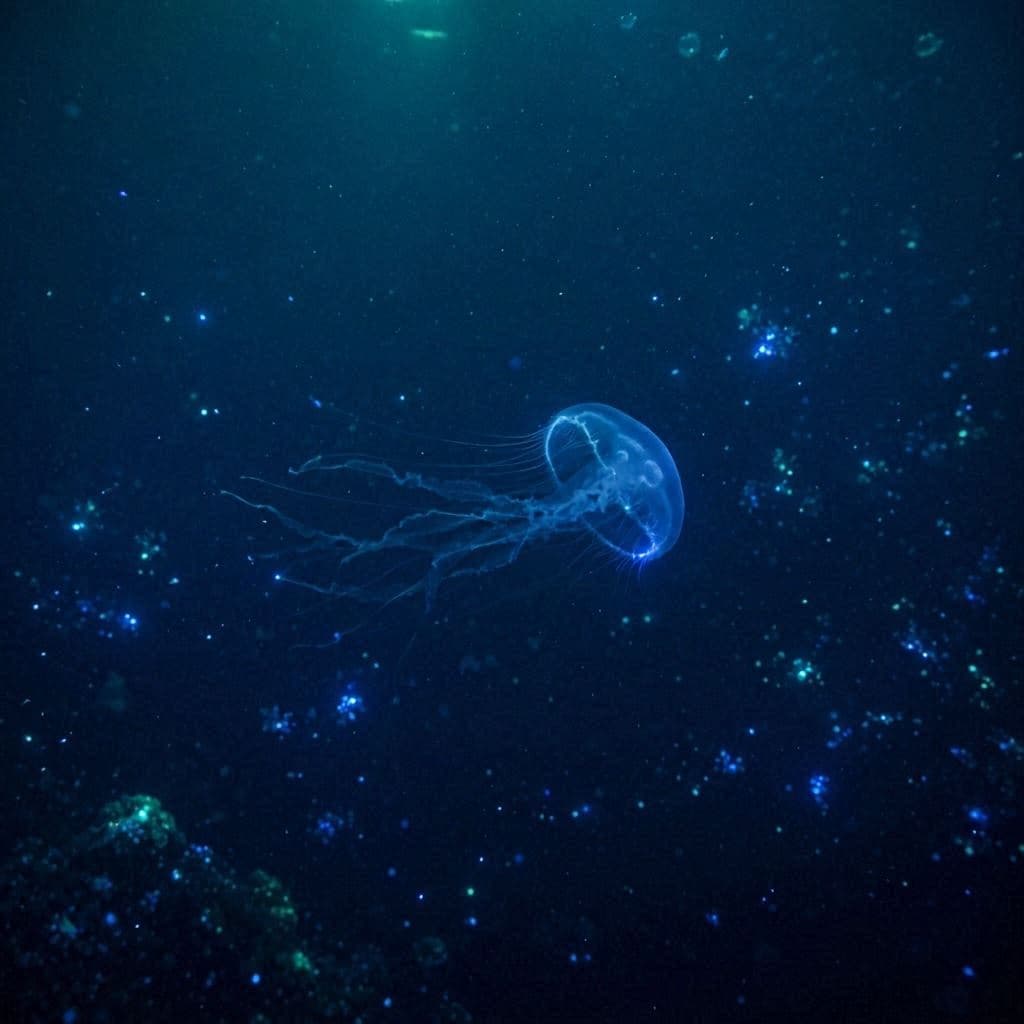
Scientists exploring Lake Tanganyika, one of Africa’s deepest lakes, have highlighted unique species like freshwater jellyfish and rare cichlids, emphasizing the lake’s rich biodiversity.
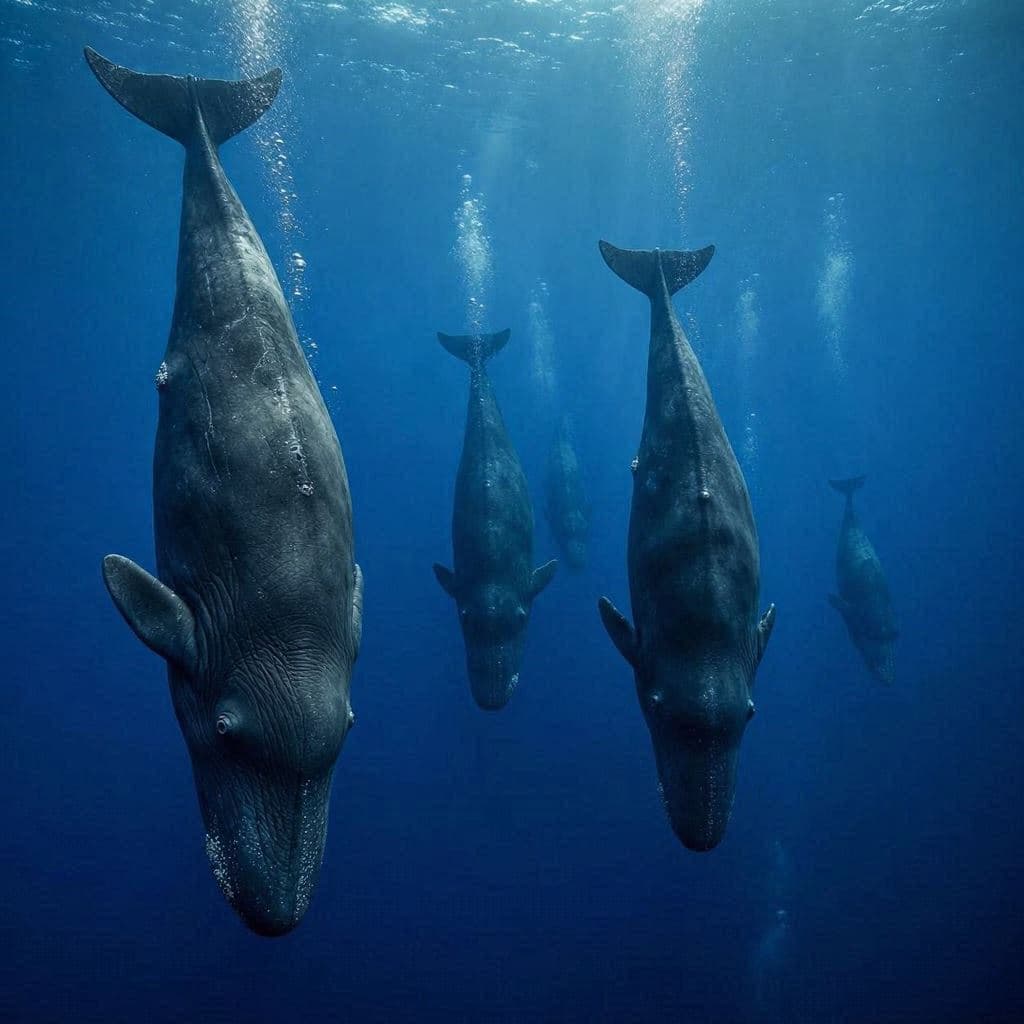
Researchers tagged 42 sperm whales in the Arctic and discovered they release bubbles to control buoyancy while sleeping vertically, preventing them from floating to the surface.