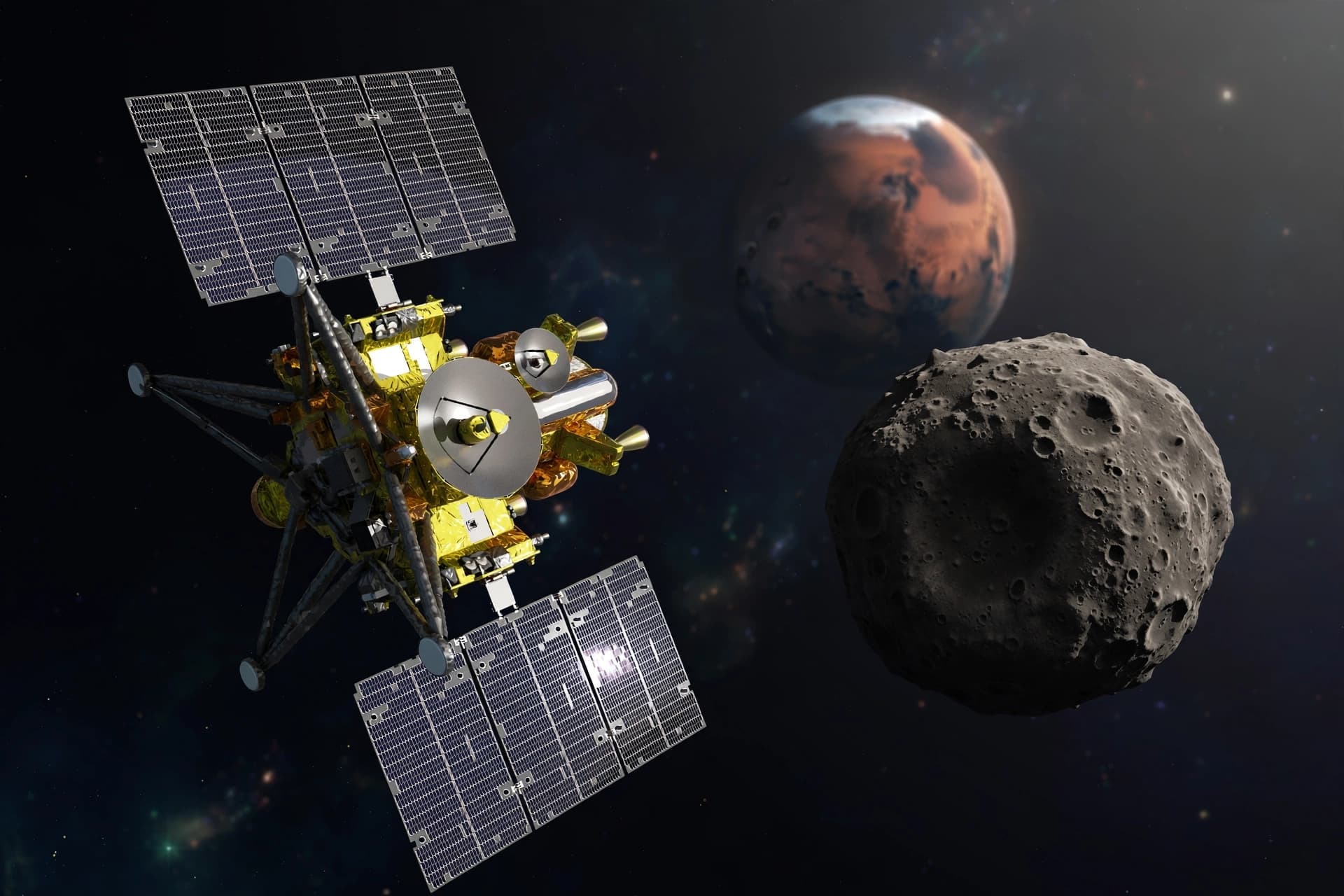
In the silent, rust-colored expanse of the Martian atmosphere, a mystery has unfolded and then partially resolved. The Emirates Mars Mission (EMM) Hope probe, which experienced an unexpected communication blackout earlier this year, has returned with a groundbreaking discovery regarding the planet’s elusive auroras. This finding not only sheds light on the atmospheric dynamics of our neighboring planet but also demonstrates the resilience of scientific exploration in the face of technical adversity.
The probe’s silence had raised concerns among scientists and space enthusiasts alike, yet its subsequent data transmission reveals that even in darkness, observation continues. The discovery of how Martian auroras form offers a new chapter in our understanding of planetary magnetism and solar interaction.
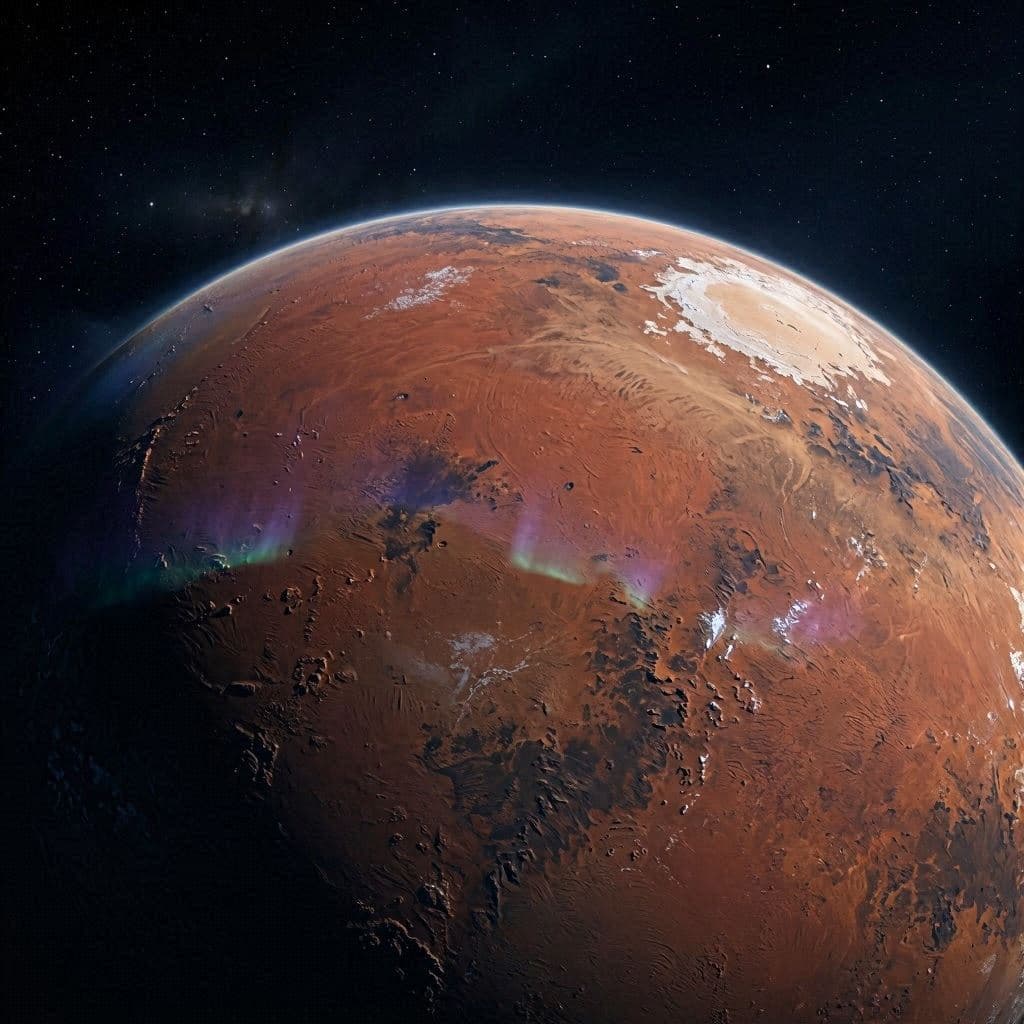
Body: The Hope probe, operated by the United Arab Emirates Space Agency, detected that Martian auroras are driven by complex interactions between the solar wind and the planet’s localized magnetic fields. Unlike Earth, which has a global magnetic shield, Mars possesses only remnant crustal magnetism. This fragmented field creates unique "discrete auroras" that appear in specific regions rather than encircling the poles.
During the period when the spacecraft went dark due to a safe-mode trigger caused by a software glitch, its instruments continued to collect valuable data. Once communications were restored, engineers downloaded a trove of information that included high-resolution measurements of ultraviolet emissions. These emissions provided the key clue linking solar particle influx to the specific magnetic anomalies on the Martian surface.
This discovery challenges previous assumptions about how auroras form on planets without a global magnetosphere. It suggests that the interplay between solar energy and crustal magnetic pockets is more dynamic and structured than previously thought. For planetary scientists, this offers a new model for understanding atmospheric loss and space weather effects on terrestrial planets.
The technical hiccup that silenced the probe serves as a reminder of the harsh realities of deep-space operations. Radiation, extreme temperatures, and vast distances make every signal a triumph. The recovery of the Hope probe highlights the robustness of its design and the dedication of the ground control team in Dubai.
Martian auroras, invisible to the human eye but bright in ultraviolet light, are now understood to be indicators of how the sun strips away the planet’s atmosphere. This process is crucial for understanding why Mars transformed from a potentially habitable world billions of years ago into the cold desert it is today.
The findings have implications for future human missions to Mars. Understanding space weather and radiation exposure is vital for astronaut safety. By mapping these auroral zones, scientists can better predict areas of higher radiation risk, aiding in the selection of landing sites and habitat locations.
International collaboration in space science continues to yield fruit. The data from the Hope probe is shared globally, contributing to a collective effort to decode the secrets of the Red Planet. This openness accelerates scientific progress and fosters a sense of shared human curiosity.
As the probe continues its extended mission, it will likely uncover more nuances of Martian weather and climate. Each dataset adds a piece to the puzzle, bringing us closer to a comprehensive understanding of our celestial neighbor.
Closing: The Hope probe’s discovery of the mechanism behind Martian auroras is a testament to the persistence of scientific inquiry. It reminds us that even when things go dark, the quest for knowledge often finds a way to shine through.
AI Image Disclaimer: The visuals accompanying this article are AI-generated illustrations designed to reflect the ethereal beauty of Martian auroras and space exploration.
Sources: Space.com NASA Science Emirates Mars Mission The National
Published by Banx Network. This article is part of the Banx decentralized media programme, powered by the BXE token on the XRP Ledger.