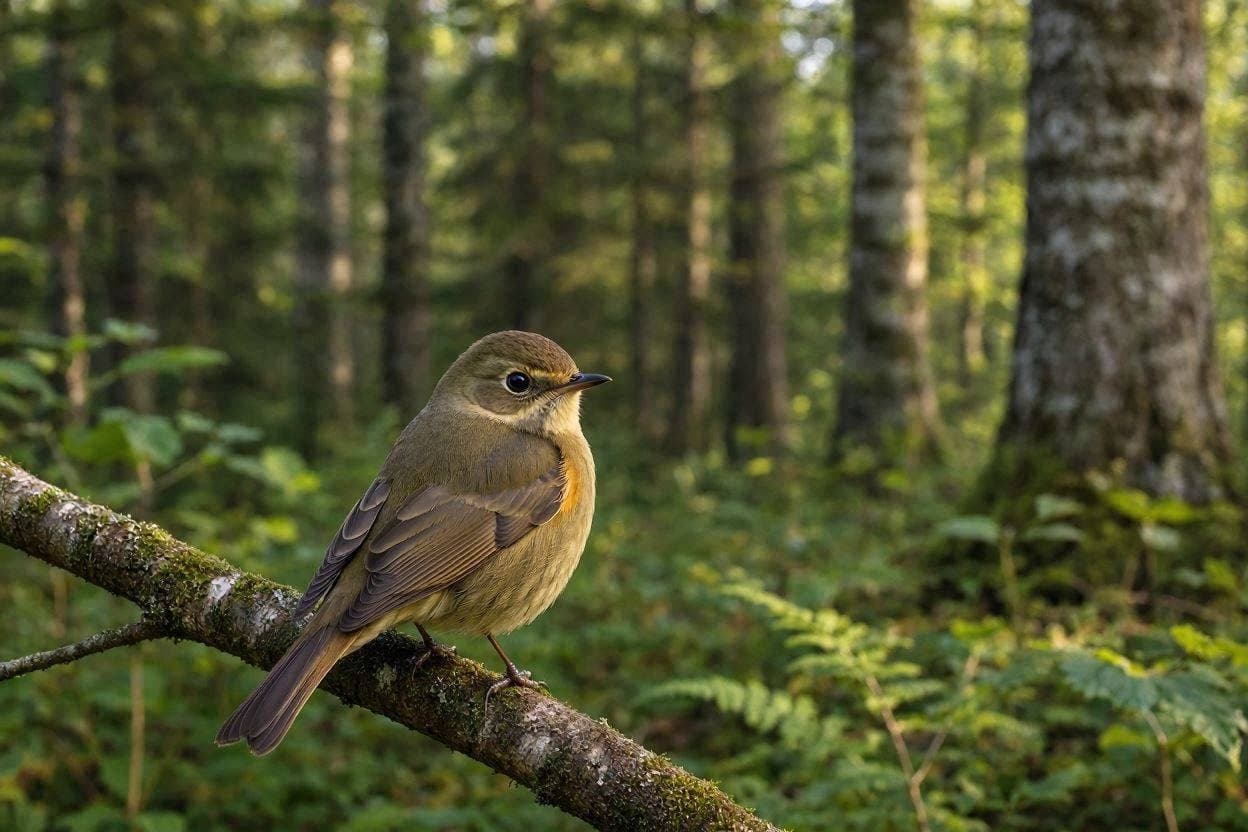
In the quiet corners of our natural world, where wild birds sing and soar with effortless grace, a subtle but significant alarm has been raised. Health officials have identified seven suspected cases of avian influenza, commonly known as bird flu, in native wildlife species. This development serves as a gentle reminder of the interconnectedness of ecosystems and the delicate balance that sustains them. It invites us to look closer at the health of our feathered neighbors and consider what their well-being tells us about our shared environment.
The detection of these cases is not a cause for panic but rather a call for vigilance and informed care. It highlights the ongoing efforts of scientists and veterinarians to monitor disease patterns and protect both animal and public health.
Body: The suspected cases were identified through routine surveillance programs designed to track the spread of the H5N1 virus among wild populations. These programs involve testing samples from deceased or sick birds found in various regions. The presence of the virus in native species indicates that the pathogen has established itself in local wildlife reservoirs, moving beyond domestic poultry farms.
Avian influenza is a highly contagious viral disease that primarily affects birds. While it can be devastating to poultry industries, its impact on wild birds varies. Some species are more resistant, while others suffer high mortality rates. The current findings suggest that the virus is circulating quietly, often without obvious signs until a bird becomes severely ill or dies.
Public health authorities emphasize that the risk to humans remains low, provided certain precautions are taken. Direct contact with sick or dead birds should be avoided, and individuals are advised to report such sightings to local wildlife agencies. Simple hygiene practices, such as washing hands after handling bird feeders or cleaning up after pets, are effective barriers against transmission.
Domestic pet owners, particularly those with cats and dogs that may hunt birds, are encouraged to keep their animals indoors or supervised during this period. Pets can contract the virus from infected prey, and while rare, transmission to humans from pets is theoretically possible. Awareness and prevention are key to maintaining safety for all household members.
The ecological implications are also being studied. Scientists are observing how the virus affects biodiversity and whether it alters migration patterns or population dynamics. Understanding these effects helps in predicting future outbreaks and developing strategies to mitigate harm to vulnerable species.
Conservation groups are working alongside government agencies to educate the public about the importance of reporting unusual bird behavior. Community involvement is crucial for early detection and rapid response. By acting as eyes and ears on the ground, citizens play a vital role in the broader surveillance network.
Research into vaccines and treatments for wildlife is ongoing, though challenging due to the logistical difficulties of administering them to wild populations. For now, monitoring and containment remain the primary tools. The scientific community remains committed to learning more about the virus’s evolution and behavior.
As seasons change and migration continues, the situation will be closely watched. The resilience of nature is remarkable, but it benefits from our stewardship and attention. Protecting wild birds is part of protecting the health of the planet we all share.
Closing: The identification of seven suspected bird flu cases in native species underscores the importance of ongoing monitoring and public awareness. It reminds us that caring for wildlife is an essential part of maintaining a healthy and balanced ecosystem.
AI Image Disclaimer: The visuals accompanying this article are AI-generated illustrations designed to reflect the themes of wildlife health and natural observation.
Sources: Centers for Disease Control and Prevention (CDC) United States Department of Agriculture (USDA) World Organisation for Animal Health (WOAH) National Wildlife Federation
Published by Banx Network. This article is part of the Banx decentralized media programme, powered by the BXE token on the XRP Ledger.