SCIENCE99% credibility
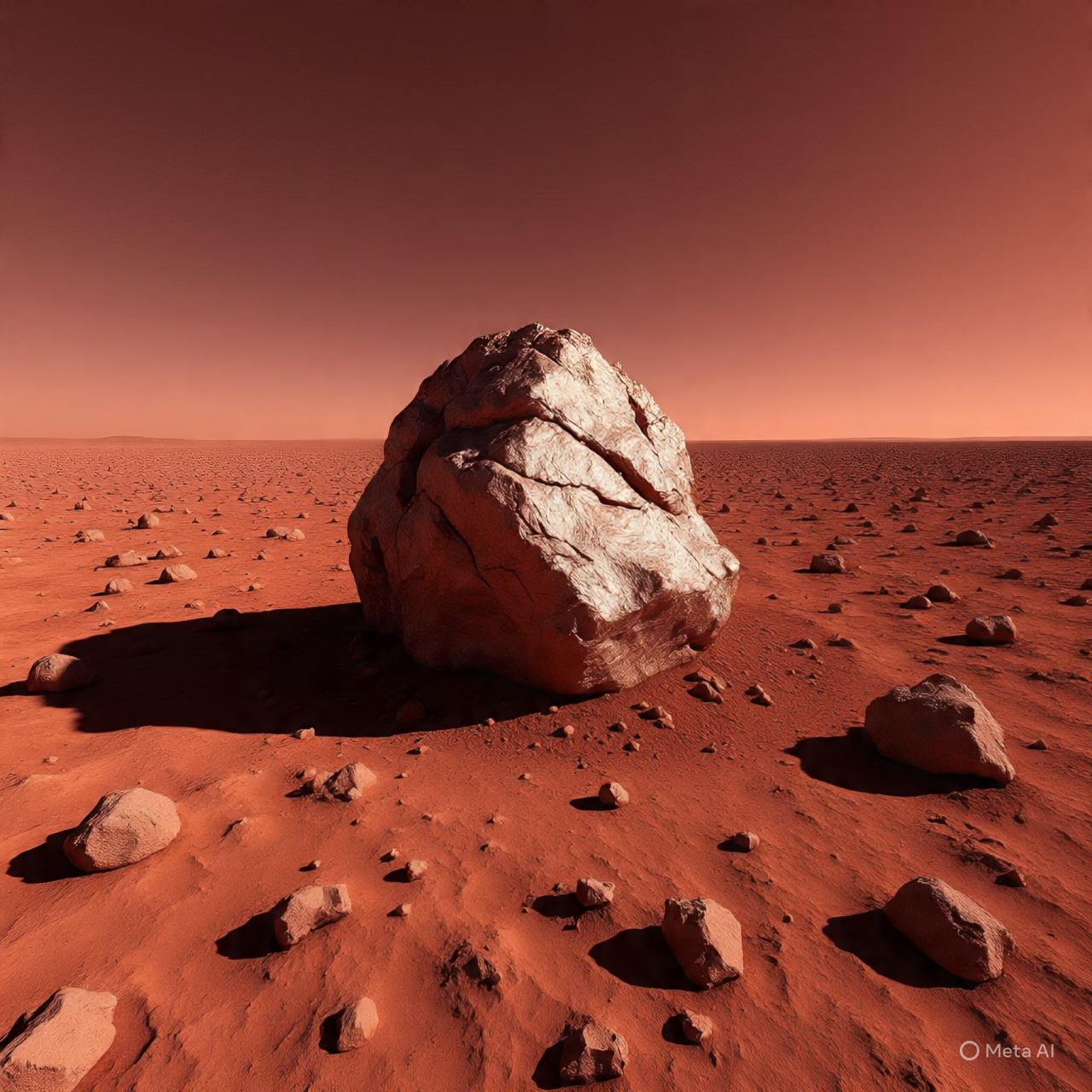
NASA's Perseverance Rover Discovers Possible Meteorite on Mars
NASA's Perseverance rover identifies a potential meteorite named Phippsaksla, revealing insights into Mars' geological history and cosmic debris.
2 min read

NASA's Perseverance rover identifies a potential meteorite named Phippsaksla, revealing insights into Mars' geological history and cosmic debris.
In 2025, 'parasocial' was chosen as the Word of the Year, reflecting the evolution of digital relationships and their emotional impact on society.

Physicists are revisiting quadratic gravity, exploring the implications of 'ghost' particles and their potential role in quantum gravity theories.

A massive cyanobacteria bloom, visible from space, has turned Pyramid Lake’s waters dark green — health warnings issued over toxic nodularin.
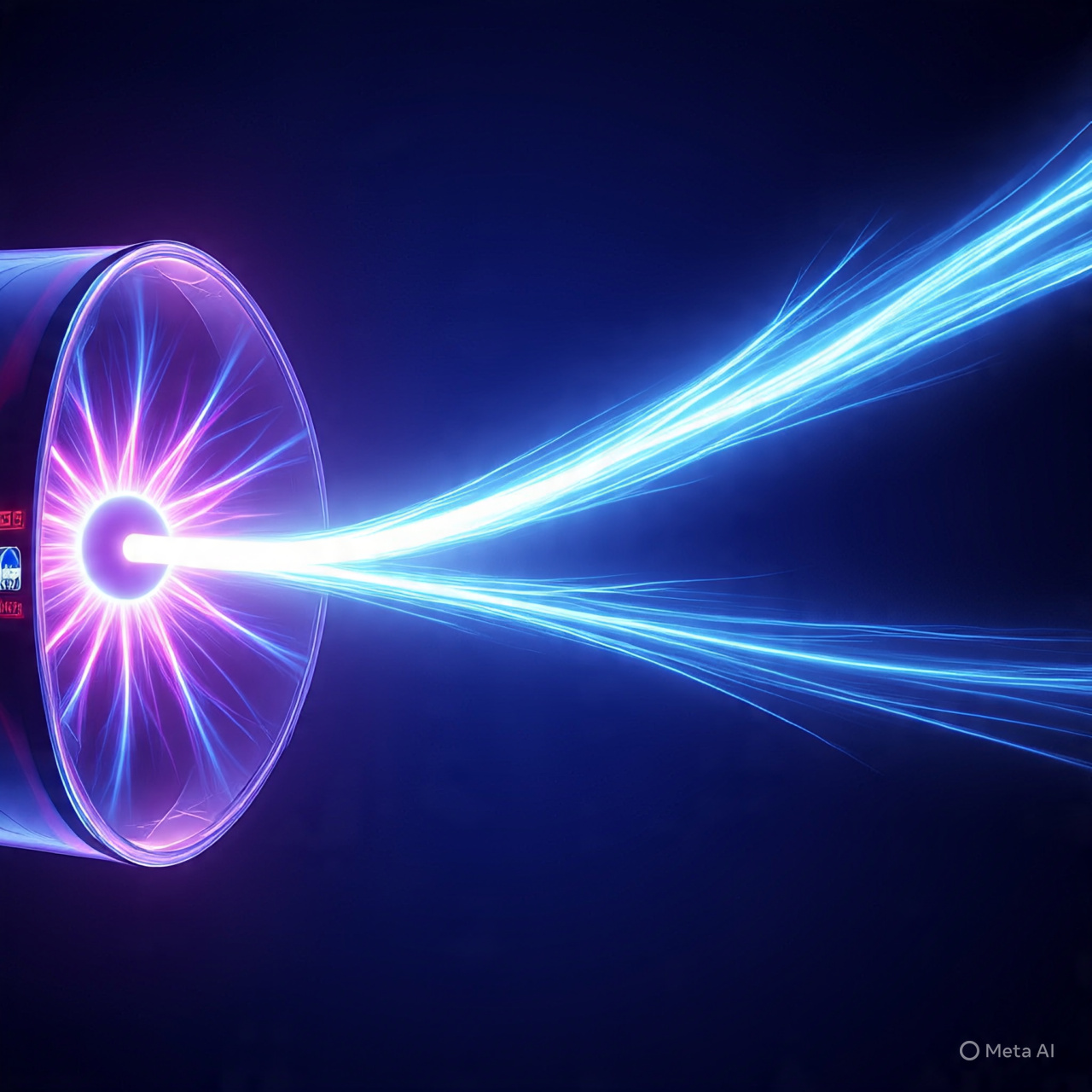
Explore groundbreaking advancements in particle accelerator technology, including microchip-sized designs and plasma wakefield acceleration methods.

Explore why India's AQI is capped at 500 and the implications for public health as pollution levels rise beyond this threshold.

Discover how the sequencing of 40,000-year-old RNA from a woolly mammoth provides insights into its last moments and Ice Age ecology.

New Glenn successfully launches NASA's ESCAPADE mission, marking a significant step in space exploration and the evolution of reusable rocket technology.

Researchers unveil a targeted genetic assay for TAF1, a gene linked to a rare movement disorder, enhancing diagnosis and understanding of the condition.

Explore how genetic factors subtly influence academic choices, revealing the interplay between biology and personal preference in education.

Recent studies indicate the solar system's velocity may exceed cosmic limits, challenging existing models and inviting deeper investigation into cosmic motion.

University of Rhode Island explores a rare genetic disorder, focusing on neurological symptoms and innovative treatments to improve patient care and family outcomes.

An ancient clay goblet may hold one of the earliest depictions of the universe's creation, offering insights into ancient cosmology and human curiosity.

Recent discoveries of 3-million-year-old tools in Kenya and beyond reveal a complex history of tool-making among early hominins, reshaping our understanding.
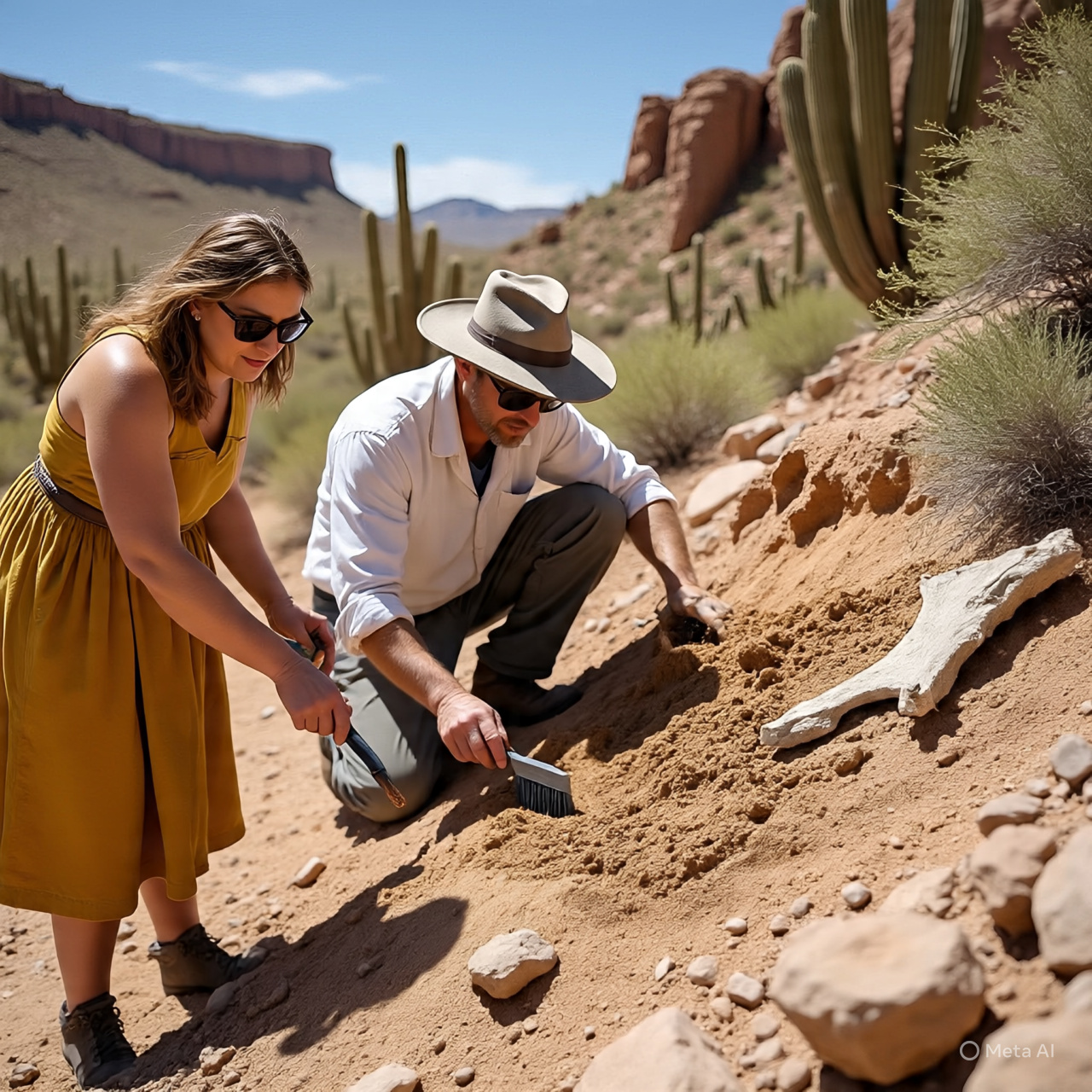
Paleontologists uncover dinosaur bones on Port Island, revealing a prehistoric past in Hong Kong's iron-rich landscape. Discover the significance of this find.
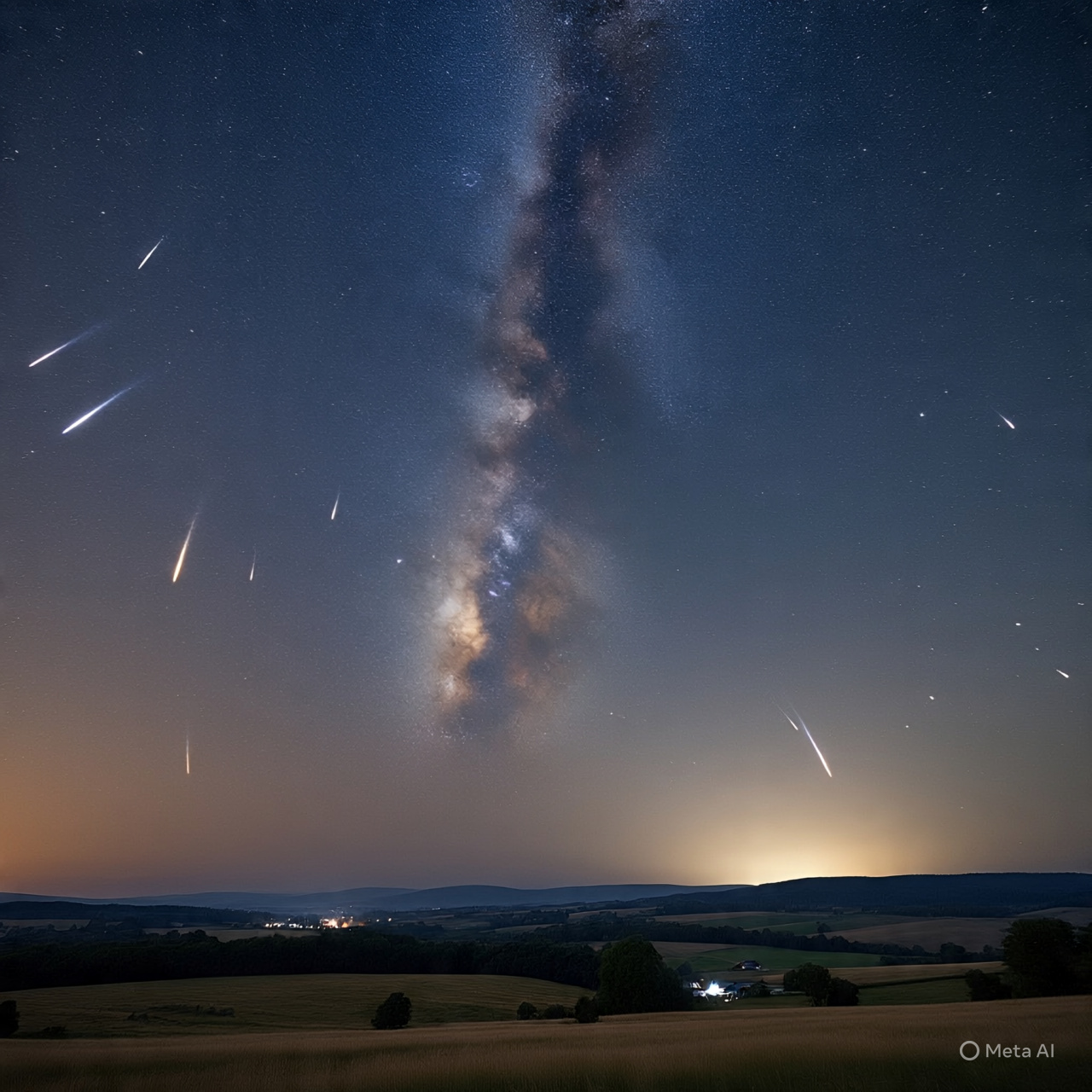
This weekend, witness the Leonid meteor shower peaking with potential auroras. Ideal viewing conditions promise a celestial spectacle for skywatchers.

A geomagnetic storm watch is in effect from 11-13 November, with potential auroras visible across the U.S. and implications for technology and infrastructure.

Blue Origin's New Glenn rocket successfully launched twin Mars-bound spacecraft and achieved its first booster landing, marking a significant milestone in spaceflight.

Explore how children's screen activities impact their mental health, emphasizing engagement over time spent on devices for better digital wellbeing.
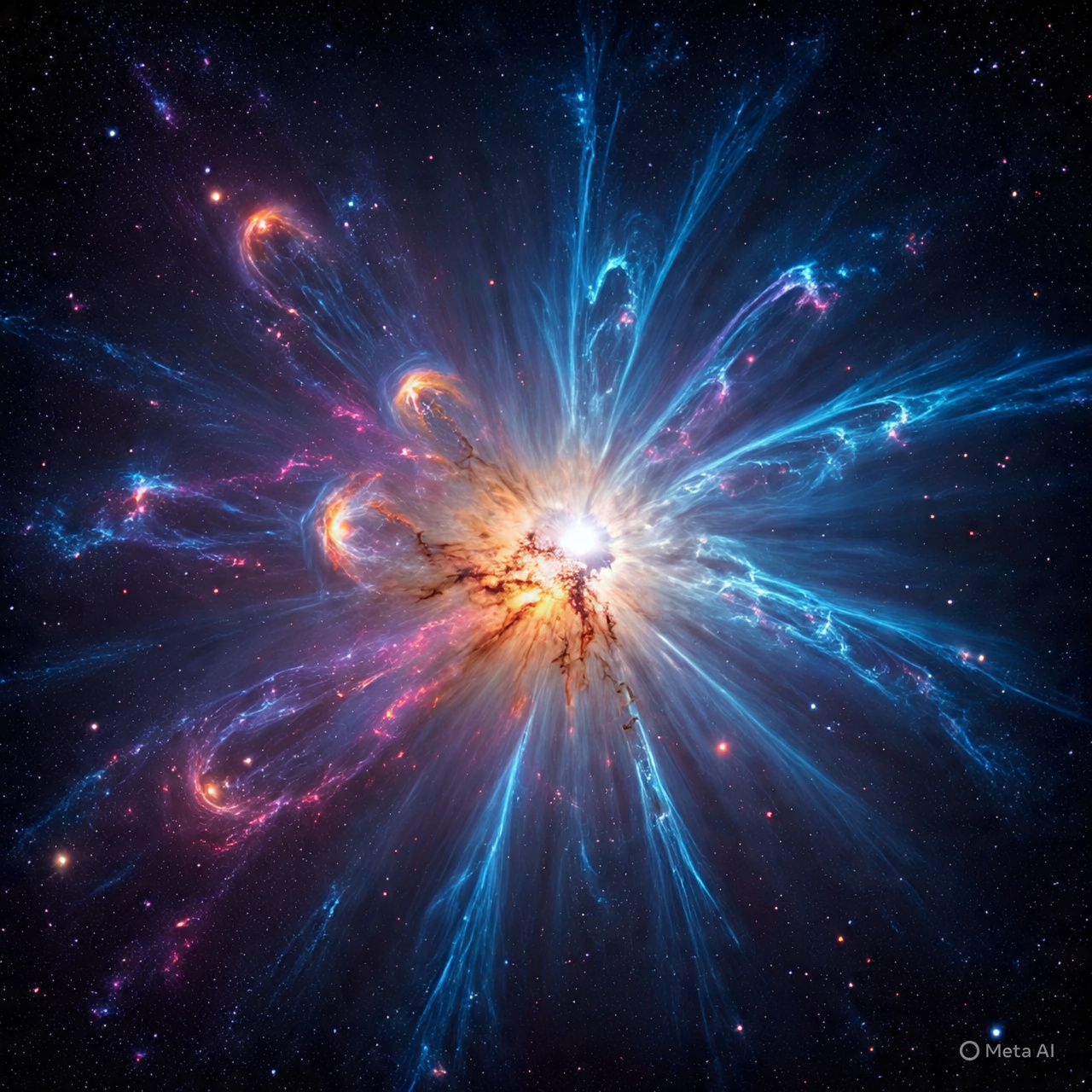
For the first time, astronomers have captured a supernova explosion in real time, revealing the violent end of a star and its cosmic implications.
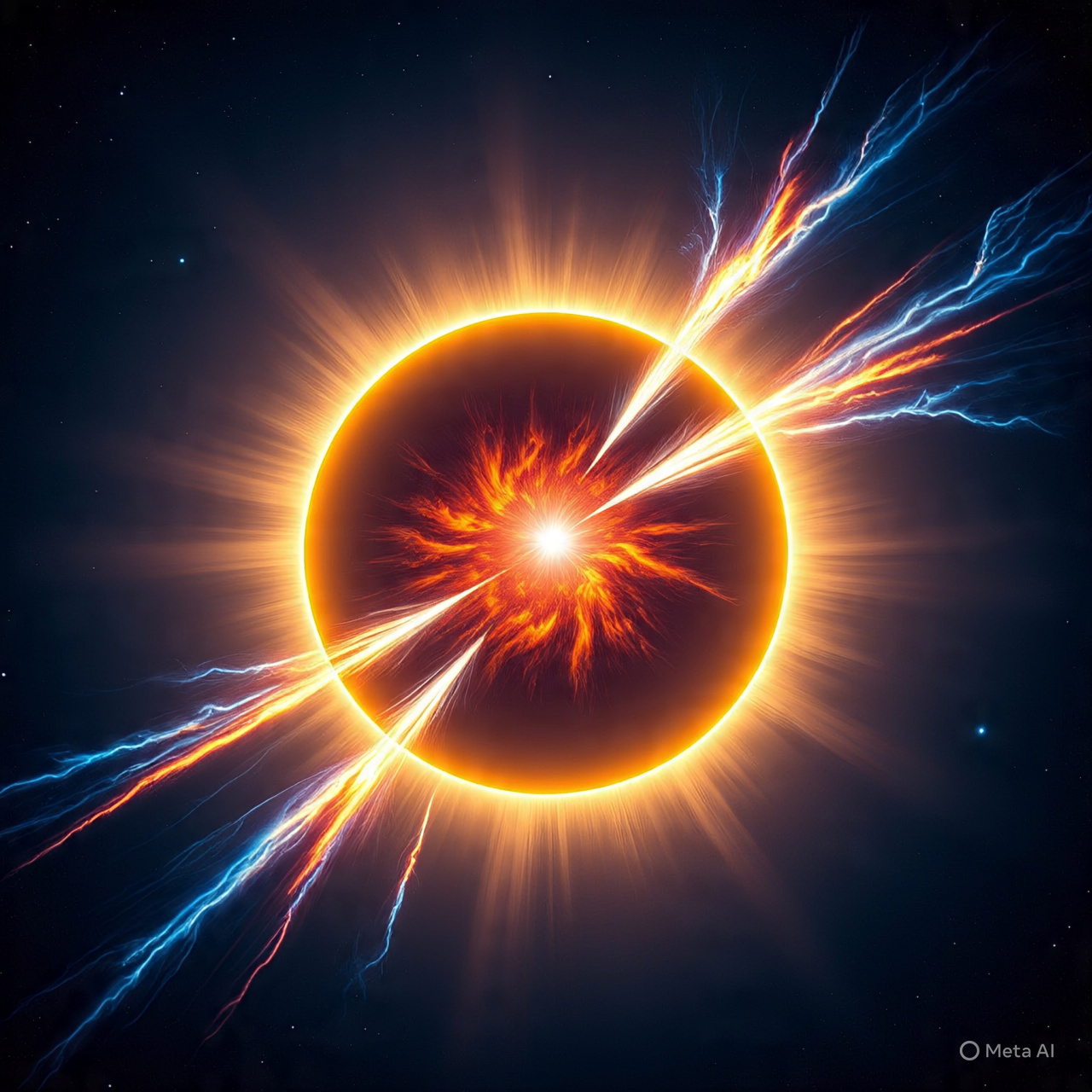
A powerful solar flare has caused significant radio blackouts across Africa, highlighting the impact of solar activity on modern communication systems.

A groundbreaking study reveals 40,000-year-old RNA from a woolly mammoth, providing insights into its biological functions and overturning gender assumptions.

Chinese astronauts return safely to Earth after a mission delay caused by space debris. The crew's health remained stable during the precautionary wait.
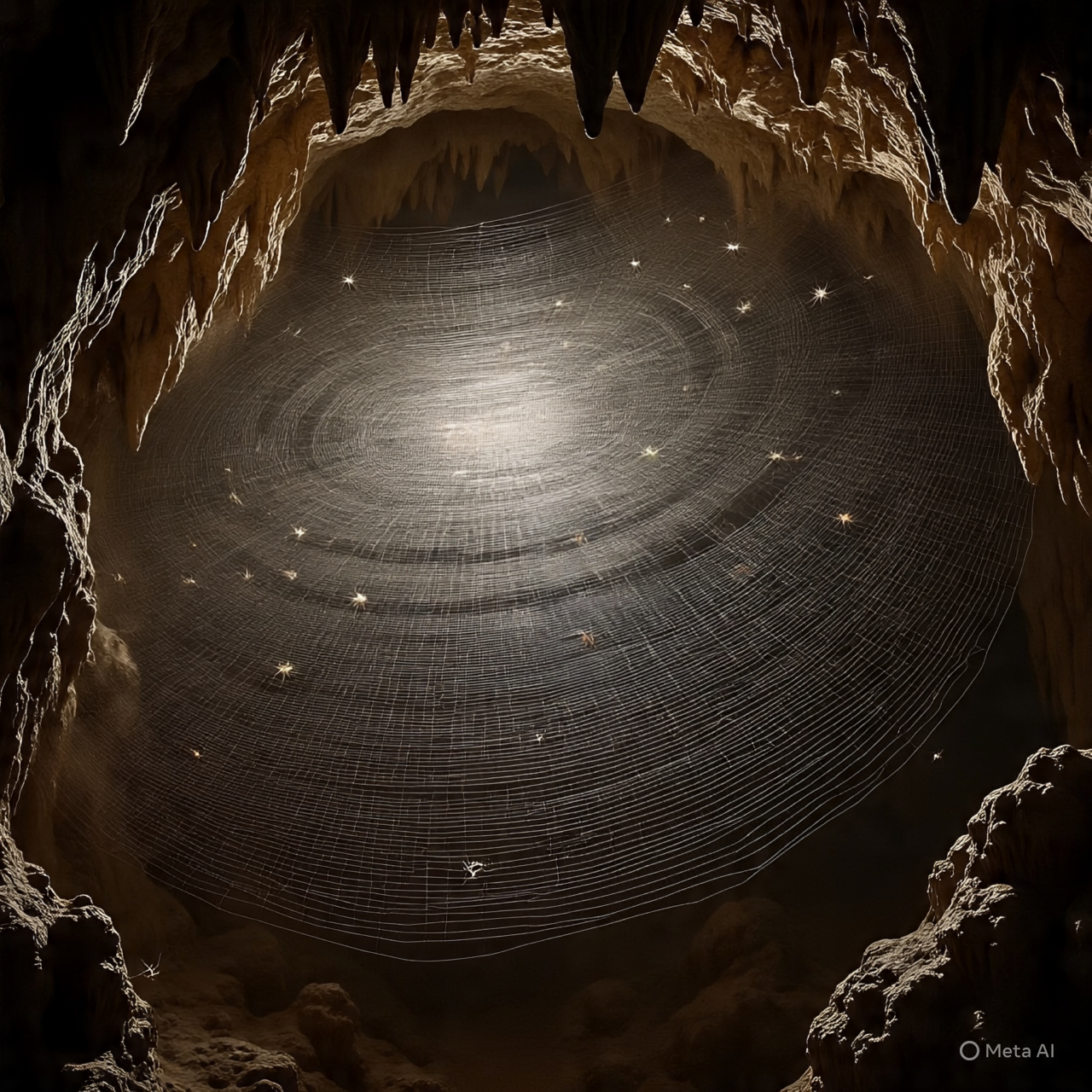
A massive spider web in a cave on the Greece-Albania border showcases the coexistence of two spider species, revealing insights into their communal living.