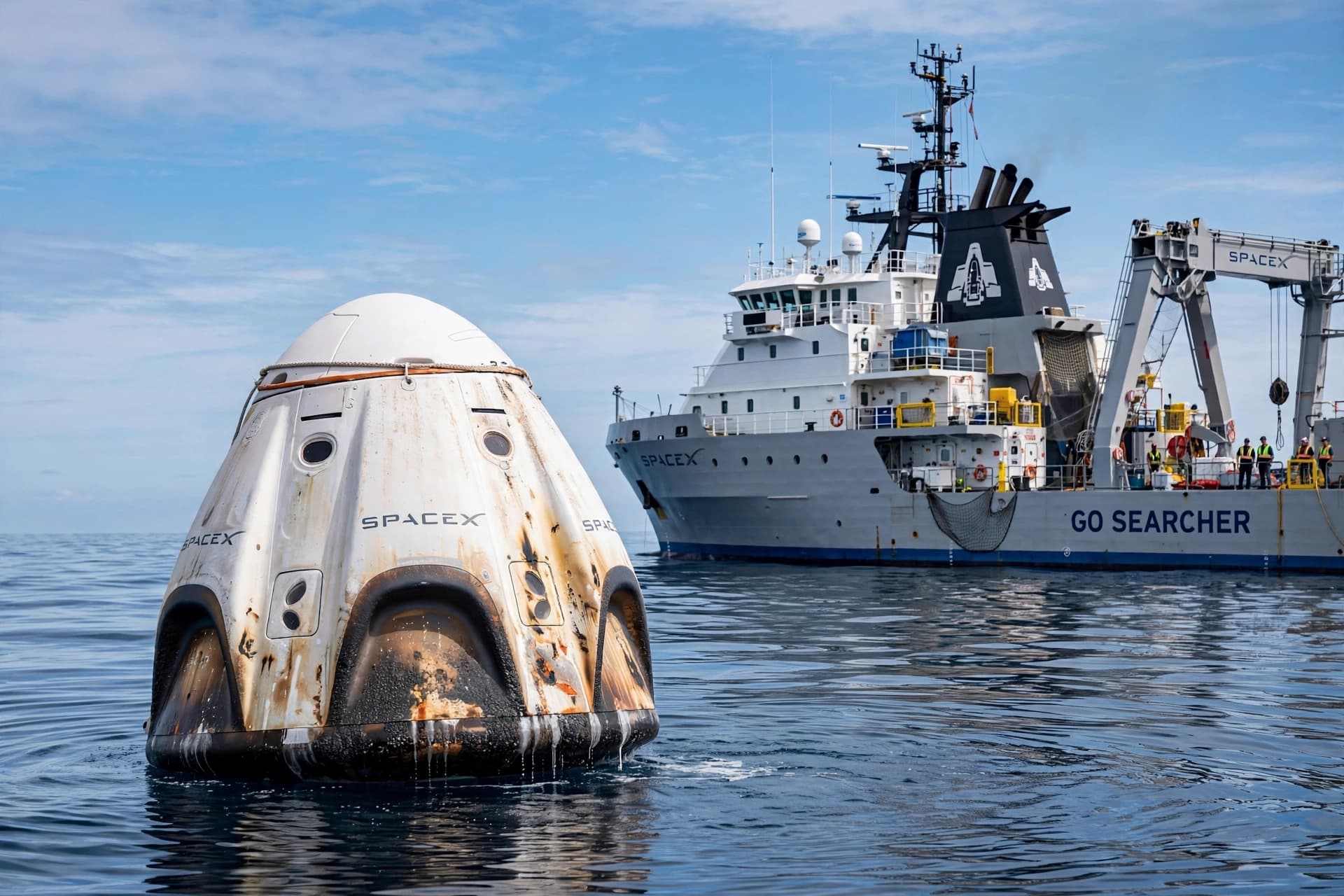
In the silent expanse above our planet, where stars are constant but paths can be perilous, China’s astronauts have returned to Earth after a delay caused by space debris damage. The crew, part of the ongoing operations aboard the nation’s Tiangong space station, had completed months of scientific work and maintenance, only to face a tense wait before reentry.
Space debris — fragments of defunct satellites, spent rocket stages, and other orbital remnants — poses a growing challenge for all nations conducting human spaceflight. In this instance, an unexpected object was detected near the planned reentry path, prompting engineers to adjust trajectories and ensure the crew’s safety. While the delay was measured in hours, the careful orchestration reflects the high stakes inherent in human missions beyond Earth’s atmosphere.
The astronauts remained in good health throughout the postponement, continuing routine activities aboard the station while ground teams recalculated the safest return window. Sensors aboard Tiangong monitored both the debris and the station’s structural integrity, ensuring that no additional damage occurred during the wait. Officials emphasized that the delay was precautionary, showcasing the rigorous safety protocols embedded in China’s human spaceflight program.
This episode underscores the evolving complexities of low‑Earth orbit, where the proliferation of debris increasingly tests the planning and resilience of space missions. Each successful return is a reminder of both human ingenuity and the growing need to protect the orbital environment that has become a shared stage for exploration and scientific advancement.
As the crew touched down safely on Chinese soil, the mission was celebrated not only for the research completed but also for the exemplary demonstration of risk management in the face of unpredictable hazards. Their return reinforces the notion that space travel, though routine in some ways, remains a frontier where caution and courage are in constant balance.
Published by Banx Network. This article is part of the Banx decentralized media programme, powered by the BXE token on the XRP Ledger.