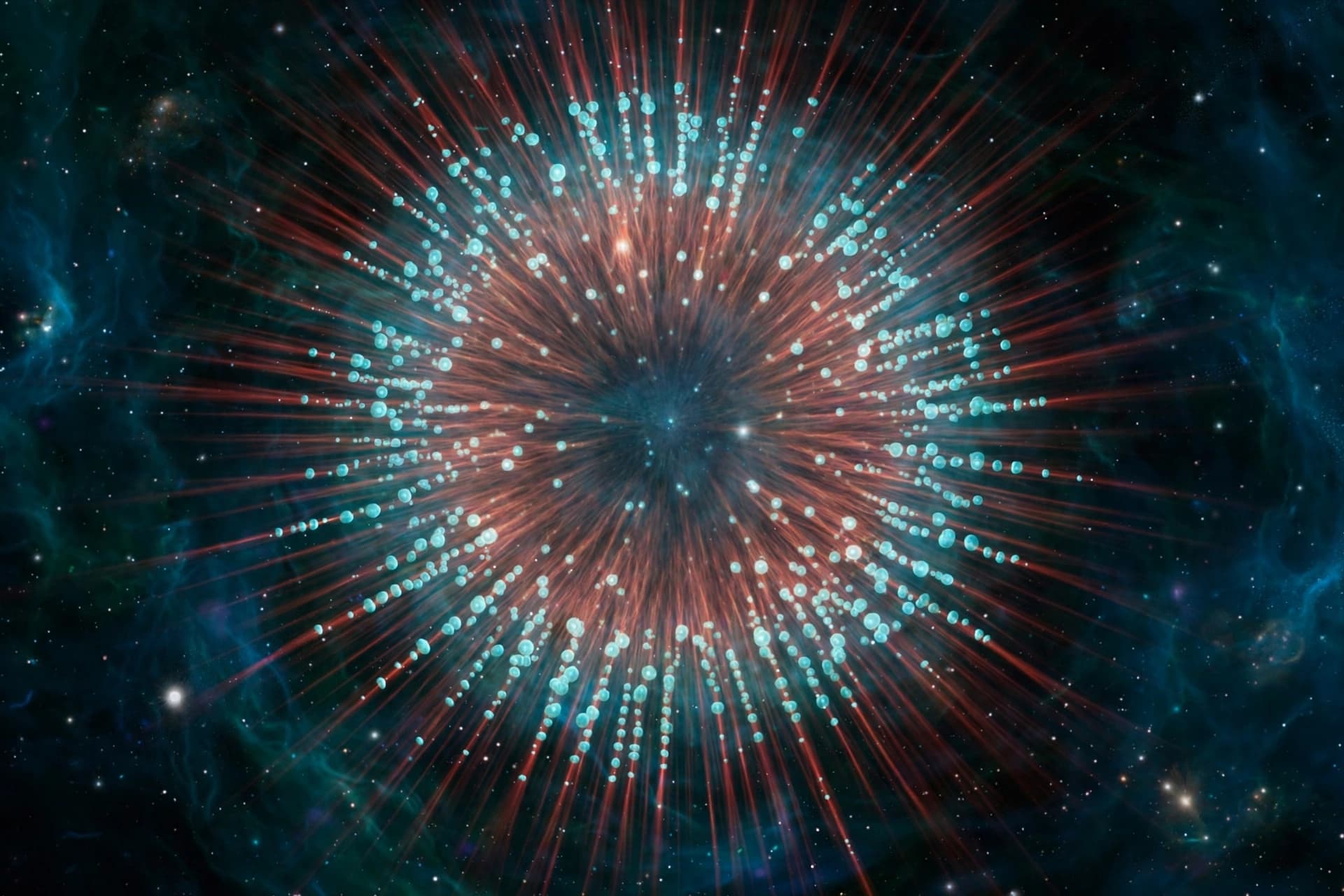
On a still autumn night, the heavens might just decide to put on a show — a quiet spectacle of blazing streaks and gentle, ghostly lights. This weekend, the skies are whispering to those who look up: don’t miss the chance for fireball meteors and, perhaps, a rare brush of the northern lights.
The Leonid meteor shower, a celestial dance that happens each November, is expected to peak between the night of November 16 into the early hours of November 17. These meteoroids come from the dusty trail of comet 55P/Tempel-Tuttle, and when they meet Earth’s atmosphere at astonishing speed — about 70 km/s — they burn brilliantly, sometimes flashing as “fireballs.”
Because the moon is now a thin waning crescent, the skies are unusually dark — a welcome backdrop for skywatchers. Under optimal conditions, some forecasts suggest you might observe up to 15 meteors per hour during the peak.
At the same time, there’s another cosmic curtain that might unfurl: the northern lights. A geomagnetic storm is forecast to be mild but active (G-class) around late Sunday into Monday, which could push some auroral activity into lower latitudes than usual. If the sky is clear and conditions align, places in northern U.S. states might just be treated to a soft glow dancing on the horizon.
Still, the show won’t be guaranteed. Meteor rates are moderate, according to the International Meteor Organization and the American Meteor Society: evening viewers might see just a handful per hour, while early-morning observers could catch more — particularly just before dawn. And with auroras, a lot depends on how energetic the solar particles are when they meet Earth’s magnetic field.
For the best experience, find a dark, open spot away from city lights. Let your eyes adjust to the darkness for at least 20 minutes, then look up — not just at one part of the sky, but broadly. With patience and a little luck, you may catch both fleeting fireballs and the whisper of auroras across the firmament.
Whether you're a seasoned skywatcher or someone simply drawn by the idea of something magical overhead, this weekend holds a graceful reminder: even in our busy lives, the sky still cares to surprise us.
AI Image Disclaimer “Visuals are created with AI tools and serve as conceptual illustrations, not actual photographs.”
Sources Forbes International Meteor Organization (IMO) American Meteor Society (AMS) TimeAndDate.com
Published by Banx Network. This article is part of the Banx decentralized media programme, powered by the BXE token on the XRP Ledger.