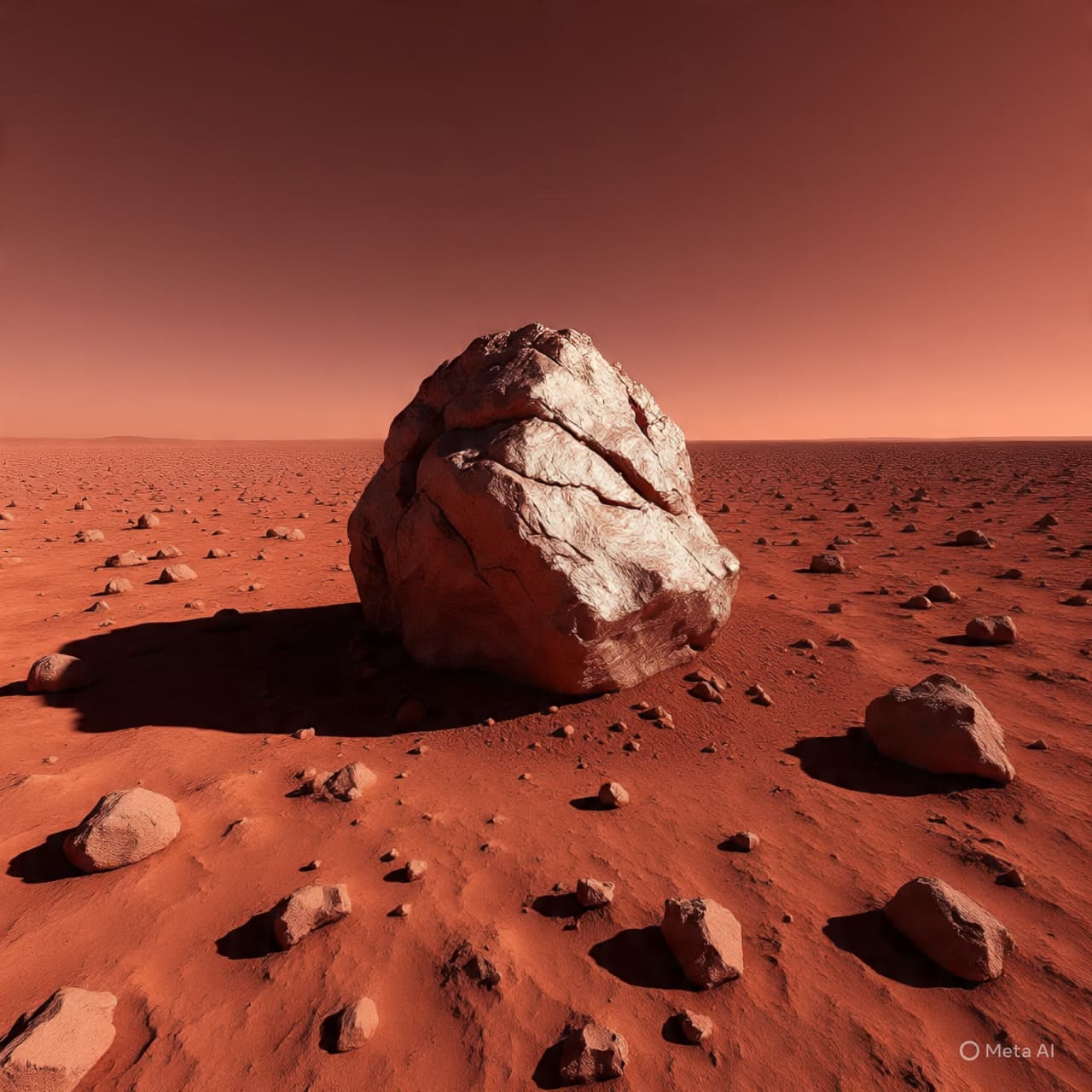
The rock, nicknamed “Phippsaksla”, measures about 80 cm across and towers modestly above the surrounding fragmented bedrock. Scientists flagged it as a target of interest because its form stood out — sculpted and oddly high-standing compared to the generally flat, broken terrain around it.
Perseverance’s SuperCam instrument, which fires a laser and then reads the resulting vaporized material, revealed that the rock contains unusually high levels of iron and nickel — a chemical fingerprint strongly associated with iron–nickel meteorites that form deep inside ancient asteroids. That suggests that Phippsaksla may indeed be a meteorite — a piece of cosmic debris that once traveled through space before landing on Mars.
What makes this finding especially notable is that, until now, Perseverance had not confirmed a meteorite like this. While earlier rovers — Curiosity, Opportunity, and Spirit — have found iron-nickel meteorites on Mars, the absence of similar finds by Perseverance in Jezero crater had puzzled scientists. Its location also matters: Phippsaksla sits atop bedrock that itself formed in impact processes long ago, suggesting a layered story of collisions, arrivals, and long waits under Martian skies.
Beyond Phippsaksla, Perseverance has continued to spot other strange and surprising rocks. Among them is “St. Paul’s Bay,” a float block covered in hundreds of small dark-gray spherules, some with tiny pinholes, which scientists are still trying to understand. These discoveries hint at a complex geological history — one where Martian rocks might have been transported, reworked, or mixed by ancient water, wind, or even impact processes.
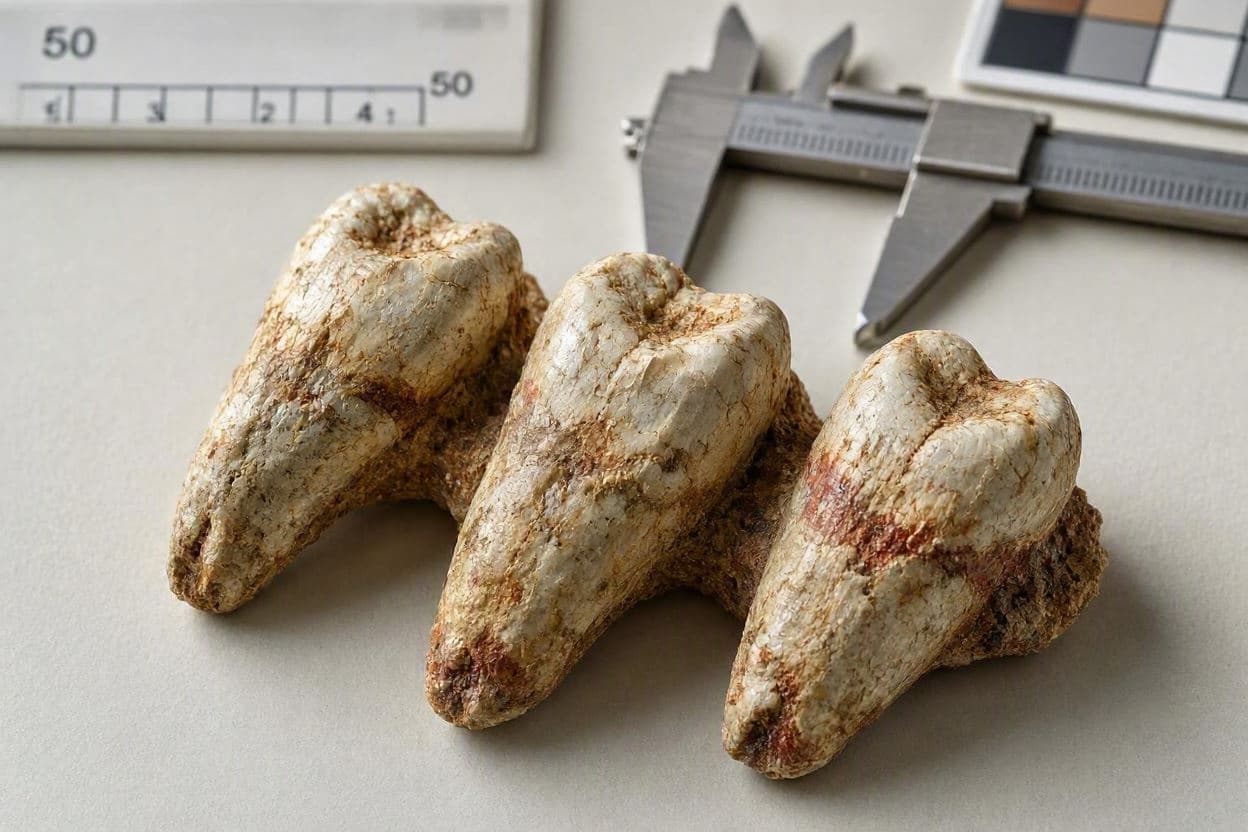
AI Image Disclaimer “Visuals are created with AI tools and intended to illustrate the concept, not real photographs.”
Sources NASA Science / JPL blog Fox News Space.com NASA / JPL mission page Space.com on another unusual rock (Atoko Point)
Published by Banx Network. This article is part of the Banx decentralized media programme, powered by the BXE token on the XRP Ledger.