SCIENCE79% credibility
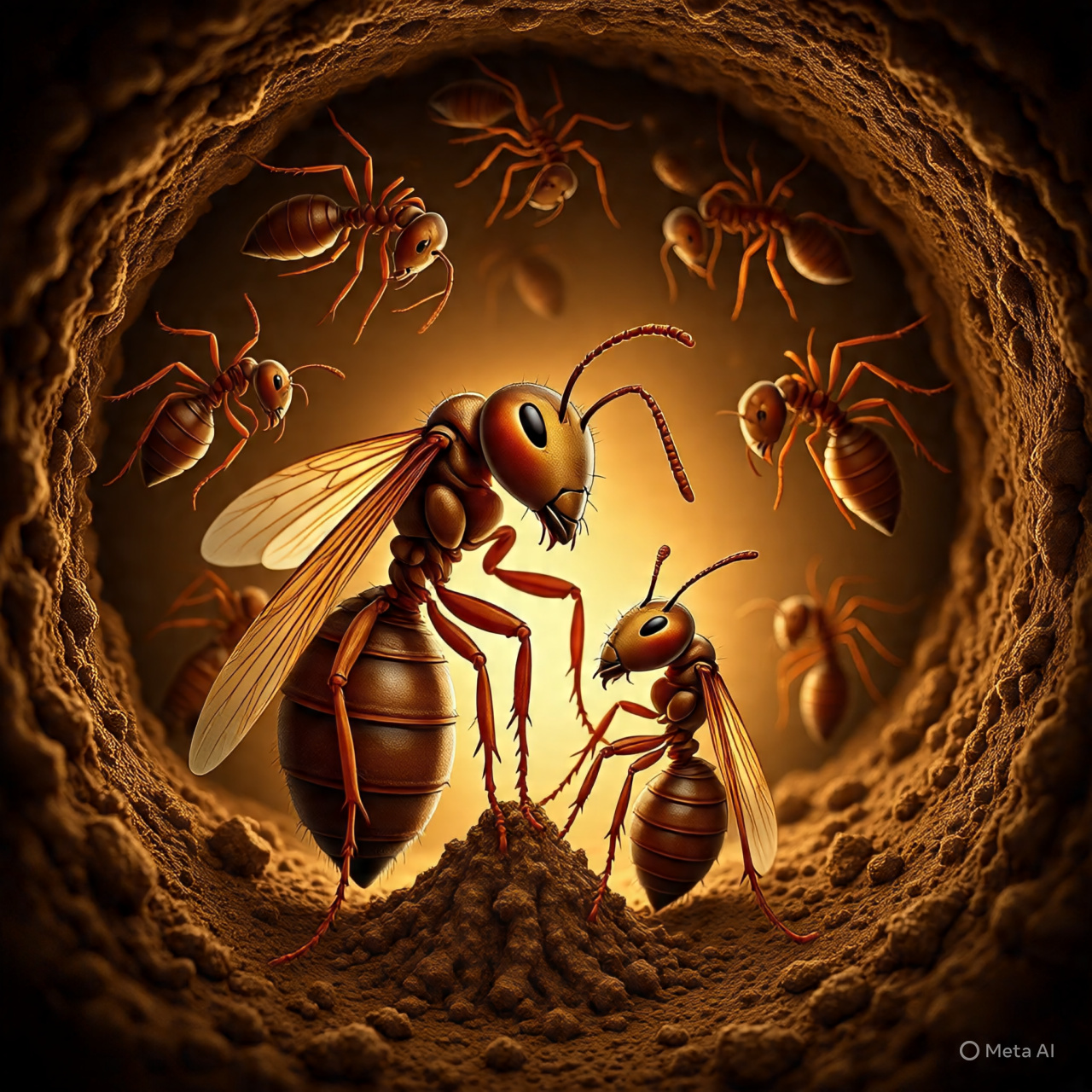
The Evolutionary Roots of Monogamy in Termite Societies
Explore how termite monogamy evolved through genetic constraints, reshaping their societies into cooperative and enduring structures.
2 min read

Explore how termite monogamy evolved through genetic constraints, reshaping their societies into cooperative and enduring structures.

Explore how vitamin D influences gut health and digestion, revealing its subtle yet significant role in maintaining regularity and overall well-being.

The Roslin Institute welcomes a new director, emphasizing the integration of genetics and immunology to address global biological challenges.
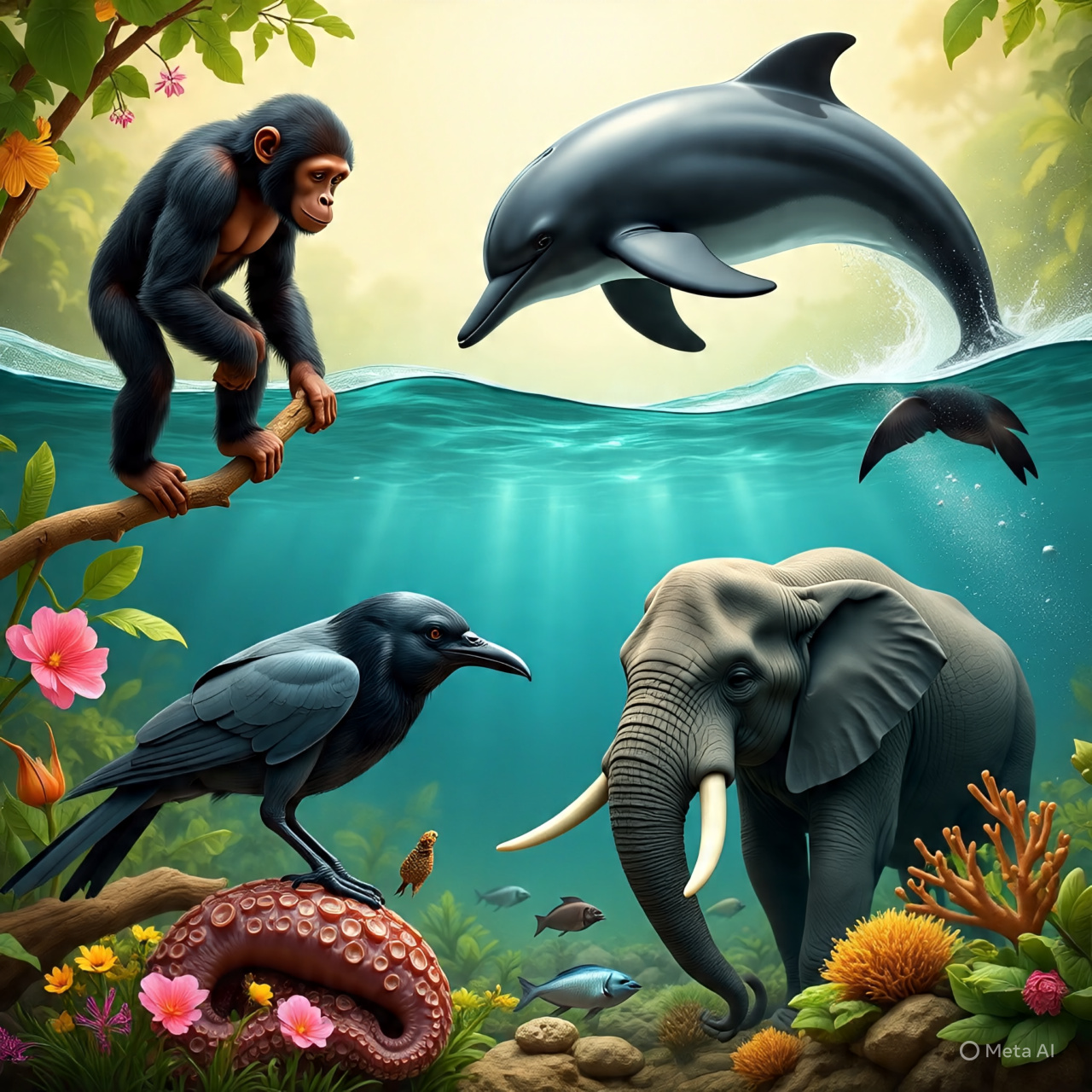
Discover how various non-human animals exhibit remarkable intelligence through problem-solving, social bonds, and adaptation in their environments.
Explore how genetics, climate, and physiology shape high-performance greenhouse harvests, ensuring optimal growth and yield in controlled environments.
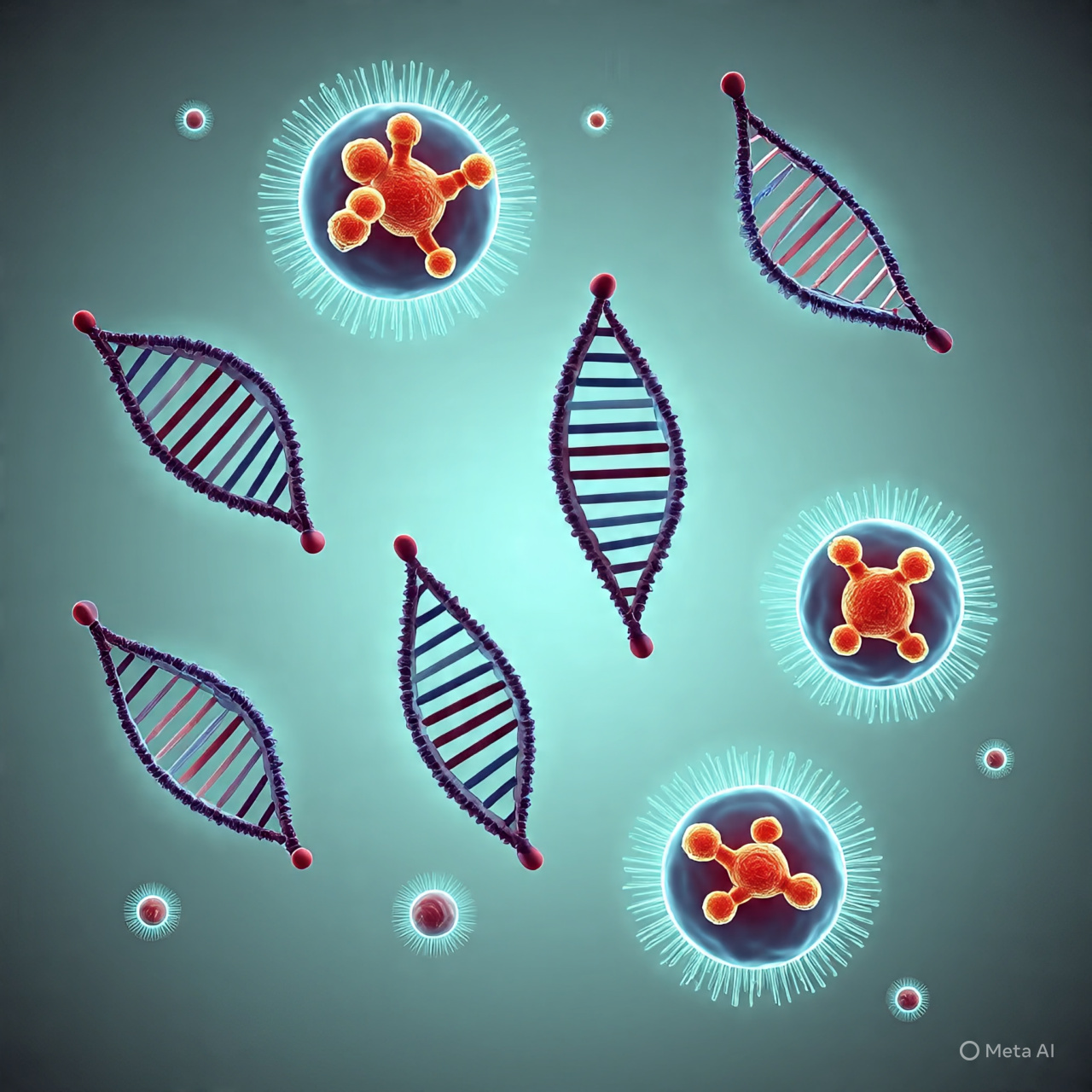
New research reveals how genetics and environmental factors shape the immune system's epigenome, influencing health outcomes and responses to disease.
New research uncovers genetic factors influencing long-term effects of Epstein-Barr virus, linking it to autoimmune diseases and other health risks.
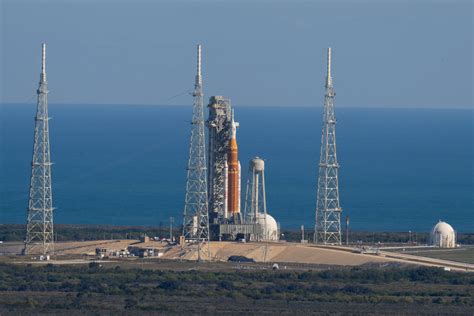
NASA delays the Artemis II mission launch to February 8 due to extreme cold at Kennedy Space Center, impacting crew and mission timelines.
NASA's Juno spacecraft detects a colossal volcanic eruption on Io, revealing new insights into the moon's geological activity and interior dynamics.

NASA's Curiosity rover uses LED lights to reveal hidden textures of Martian rock at night, offering new insights into the planet's geology.

Discover how 11th-century monk Eilmer may have predicted Halley’s Comet, revealing a rich history of astronomical observation before modern science.

Twenty-six years after the Erika disaster, oil reappears on Brittany's shores, highlighting ongoing environmental challenges and the resilience of marine life.
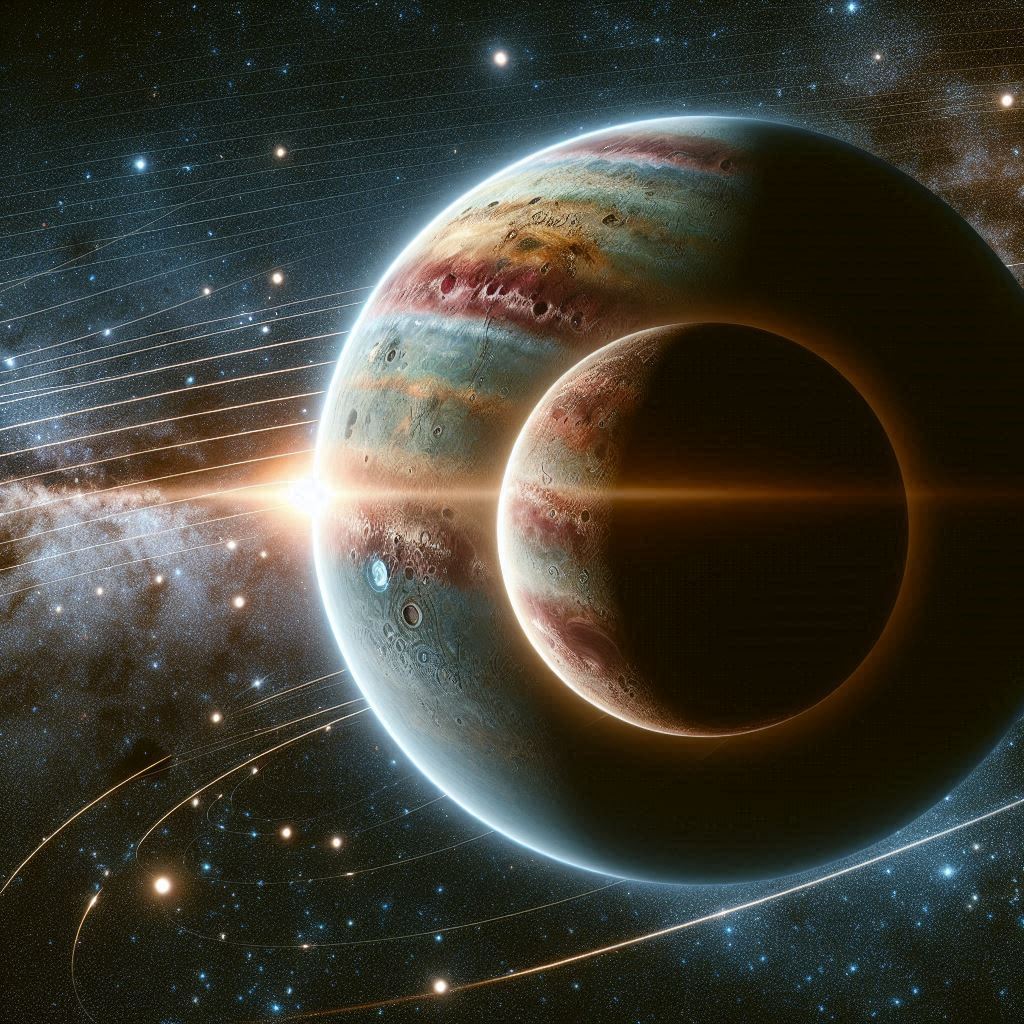
Astronomers unveil a new technique to detect exomoons through eclipses, leveraging the upcoming Habitable Worlds Observatory's capabilities for groundbreaking discoveries.
NASA's research reveals the intricate magnetism between merging neutron stars, offering insights into cosmic events and potential signals before collisions.

A 40-million-year-old ant preserved in amber sheds light on Eocene ecosystems, linking Goethe's legacy to modern scientific discovery.

New research reveals how RNA droplets could have catalyzed the emergence of life on Earth, providing insights into the origins of biological systems.
Discover how atomic carbon shapes the chemistry of the Horsehead Nebula, revealing insights into organic molecules and star formation processes.
The James Webb Space Telescope has identified the most distant galaxy ever confirmed, reshaping our understanding of cosmic history and galaxy formation.
Discover how scientists have mapped the Milky Way's magnetic fields, revealing complex structures that influence star formation and cosmic evolution.
Researchers at the Polish Academy of Sciences develop B-STING, a silica nanocomposite that generates biocides only when needed, enhancing safety in various applications.
Rocket Lab successfully launched the NEONSAT-1A satellite, enhancing disaster monitoring capabilities for the Korean Peninsula after previous delays.
Discover how China's Huayuan fossils shed light on the Sinsk extinction, revealing resilience in ancient marine ecosystems over 500 million years ago.
Chinese researchers have built the first quantum sensor network to detect dark matter, linking labs across 300 km and boosting sensitivity in the hunt for elusive axion signals.

Researchers unveil a mercury-based crystal that enhances birefringence and transparency, promising advancements in infrared light technologies.