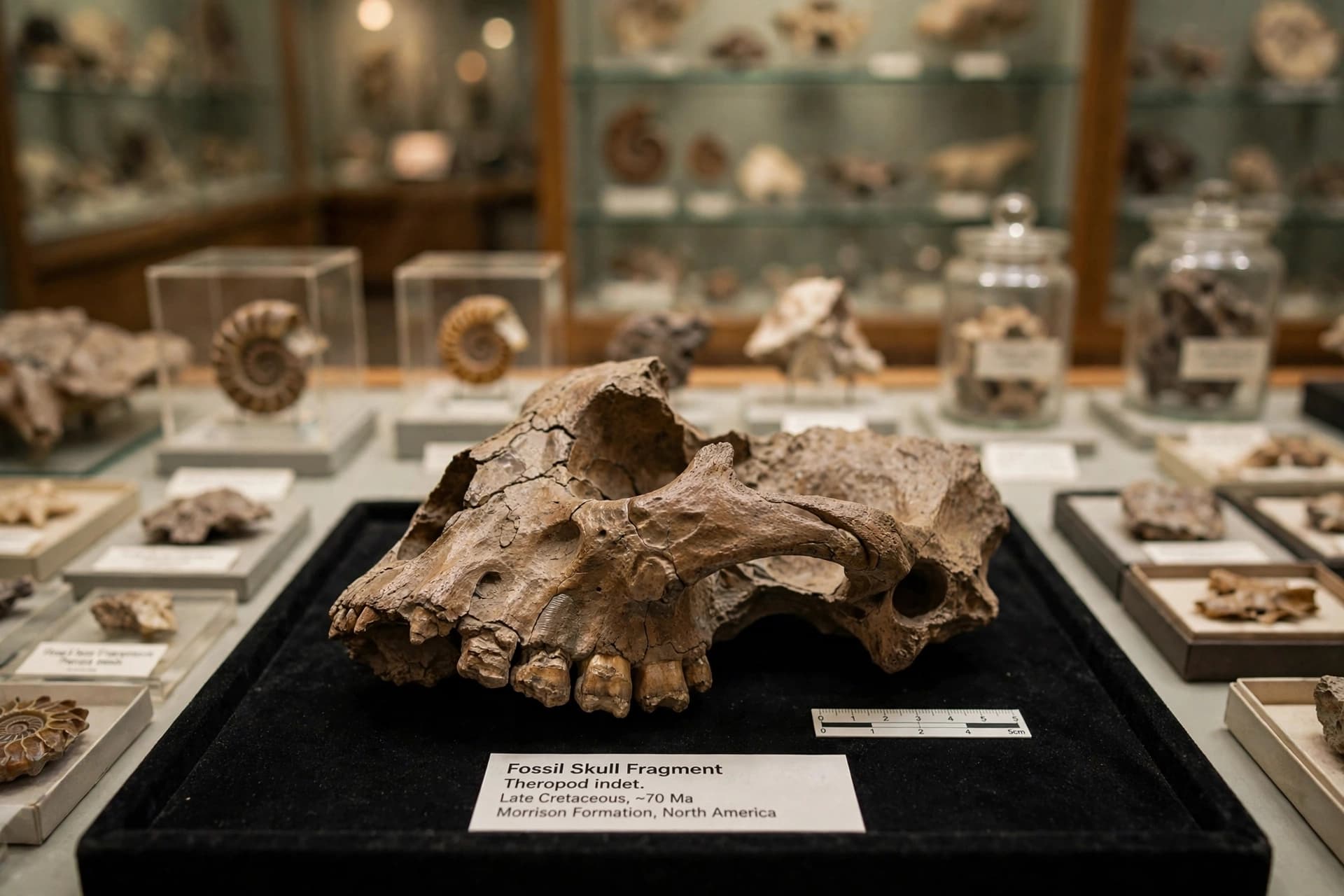
Perched on the cusp of two worlds—dinosaur and bird—Archaeopteryx glides across the imagination of science. Fossils from the late Jurassic have long revealed feathers, wings, and the delicate architecture of flight. Yet recent studies uncover a subtler marvel: its mouth. Unlike modern birds, Archaeopteryx possessed a strange, toothed beak, a mosaic of ancient and novel traits, yet evidence suggests it fed in ways strikingly similar to its feathered descendants.
The creature’s teeth were small but pointed, arranged to grasp rather than shear, hinting at a diet flexible and opportunistic. Fossilized stomach contents and jaw mechanics indicate it could nip, swallow, and process food efficiently, echoing behaviors of living birds that peck, probe, and glean. In this juxtaposition, we see evolution’s patient artistry: ancient traits retained, new adaptations emerging, and feeding strategies conserved across millions of years.
Archaeopteryx reminds us that evolution is rarely linear. Its wings, feathers, and skeleton foreshadow modern avians, yet its mouth preserves the echoes of reptilian ancestry. Each fossil reveals a compromise between old and new, a bridge between terrestrial hunting and aerial foraging. Paleontologists study these details not merely to reconstruct anatomy, but to understand behavior, ecology, and the evolutionary pressures that shaped the earliest birds.
Observing Archaeopteryx, we glimpse a world in motion: lush Jurassic forests, insect-rich canopies, and the subtle dance of predator and prey. Its strange mouth, far from an anomaly, is a testament to life’s ingenuity—a reminder that function often trumps form, and survival is sculpted by both innovation and inheritance. In the delicate teeth of this ancient bird, science finds the story of transition, persistence, and continuity that echoes in the birds outside our windows today.
AI Image Disclaimer Illustrations were created using AI tools and are not real photographs.
Sources (names only) Journal of Vertebrate Paleontology Nature Communications Proceedings of the Royal Society B Paleobiology Database Museum für Naturkunde, Berlin
Published by Banx Network. This article is part of the Banx decentralized media programme, powered by the BXE token on the XRP Ledger.