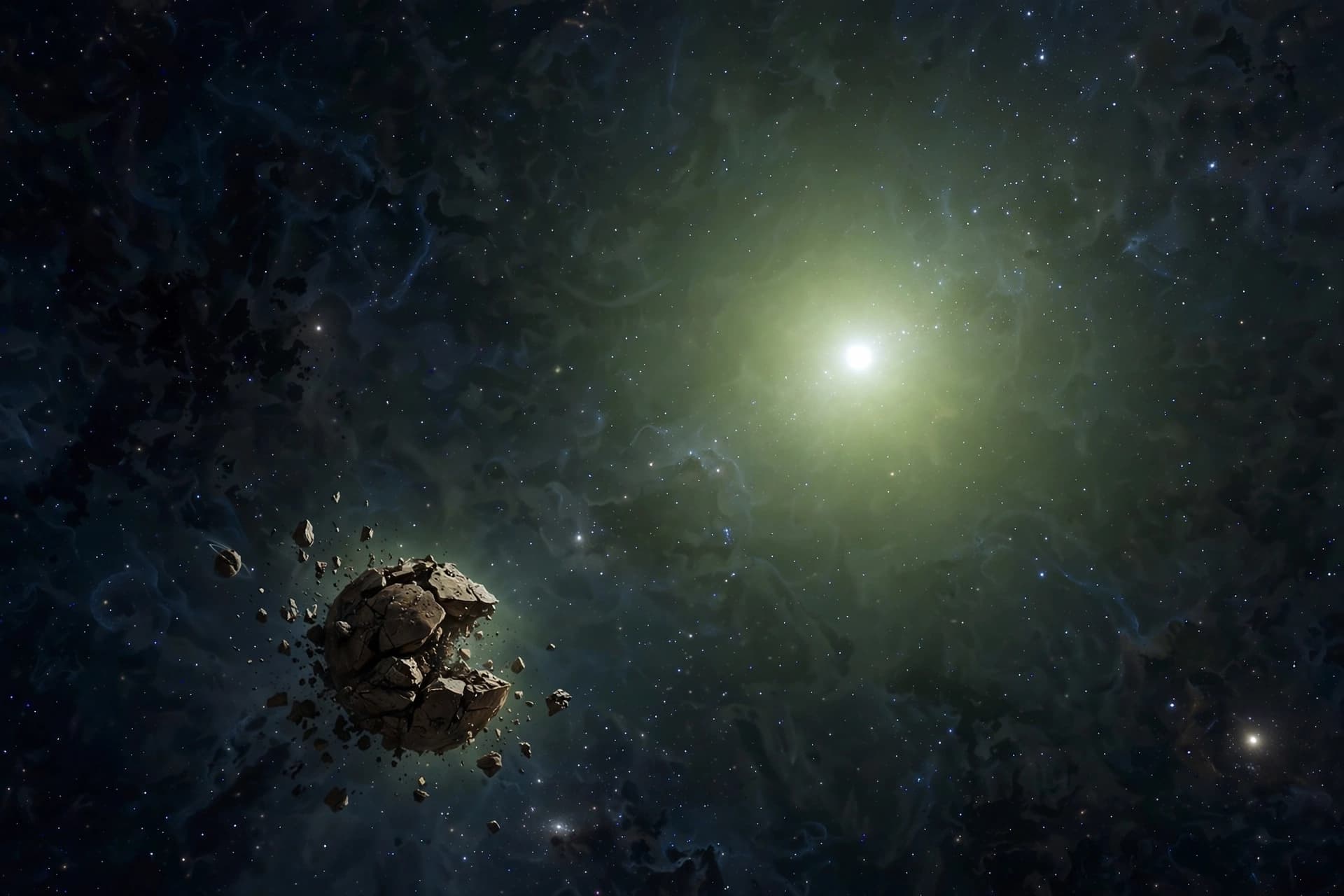
Above the pale blue curve of our planet, silent sentinels drift in the void. Some gleam with sunlight, still humming with purpose; others, once vital, float in quiet decay, their metals whispering tales of human ambition. Dead satellites—cast-offs of our technological reach—linger in orbit, waiting for gravity’s slow embrace or the occasional gust of solar wind to nudge them along. And with them comes a subtle, almost poetic question: what of the chemicals they carried, now abandoned in the heavens?
Most of these satellites carry propellants, batteries, and electronic components designed to push, power, and survive. Hydrazine, lithium, cadmium, and other potent substances lie dormant within their shells. Yet the cosmos has a cleansing rhythm. As satellites descend, friction with the atmosphere sears their bodies into molten vapor, breaking down most materials before they touch the surface. Rarely, fragments survive—a splinter of metal, a remnant of power—but the vast oceans and uninhabited stretches of Earth await them like quiet guardians.
Even the more toxic residues are diluted by this fiery passage. A hydrazine tank, once a small reservoir of peril, largely disintegrates before reaching the ground. Batteries, while partially persistent, scatter their metals across wide areas, rendering the threat diffuse. Space agencies monitor large satellites for controlled de-orbits, seeking to shepherd the most dangerous components safely into the sea, minimizing contact with human life.
There is a lesson in perspective: the danger exists, but it is probabilistically faint. Far more pressing is the intangible cloud of space debris itself, the silent clutter circling our planet, a reminder of both our ingenuity and the risks of leaving fragments of industry unattended. Chemical hazards from dead satellites are a whisper compared to the chorus of orbital collision threats, a muted echo in the larger story of our ascent into space.
In the end, worry need not consume us—but neither should it be dismissed. With careful management, foresight, and a recognition of our growing orbital footprint, the chemicals of abandoned satellites remain a quiet note in a symphony of cosmic responsibility, a reflective reminder that even in technological triumph, we must consider the subtler consequences.
AI Image Disclaimer Illustrations were created using AI tools and are not real photographs.
Sources (names only) NASA European Space Agency (ESA) United Nations Office for Outer Space Affairs (UNOOSA) Space.com Journal of Space Safety Engineering
Published by Banx Network. This article is part of the Banx decentralized media programme, powered by the BXE token on the XRP Ledger.