
Key Highlights
- Event:An annular eclipse occurred, creating a 'ring of fire' effect.
- Timing:The eclipse coincided with cultural transitions in lunar calendars.
- Impact:The event served as a reminder of celestial movements and human reflection.
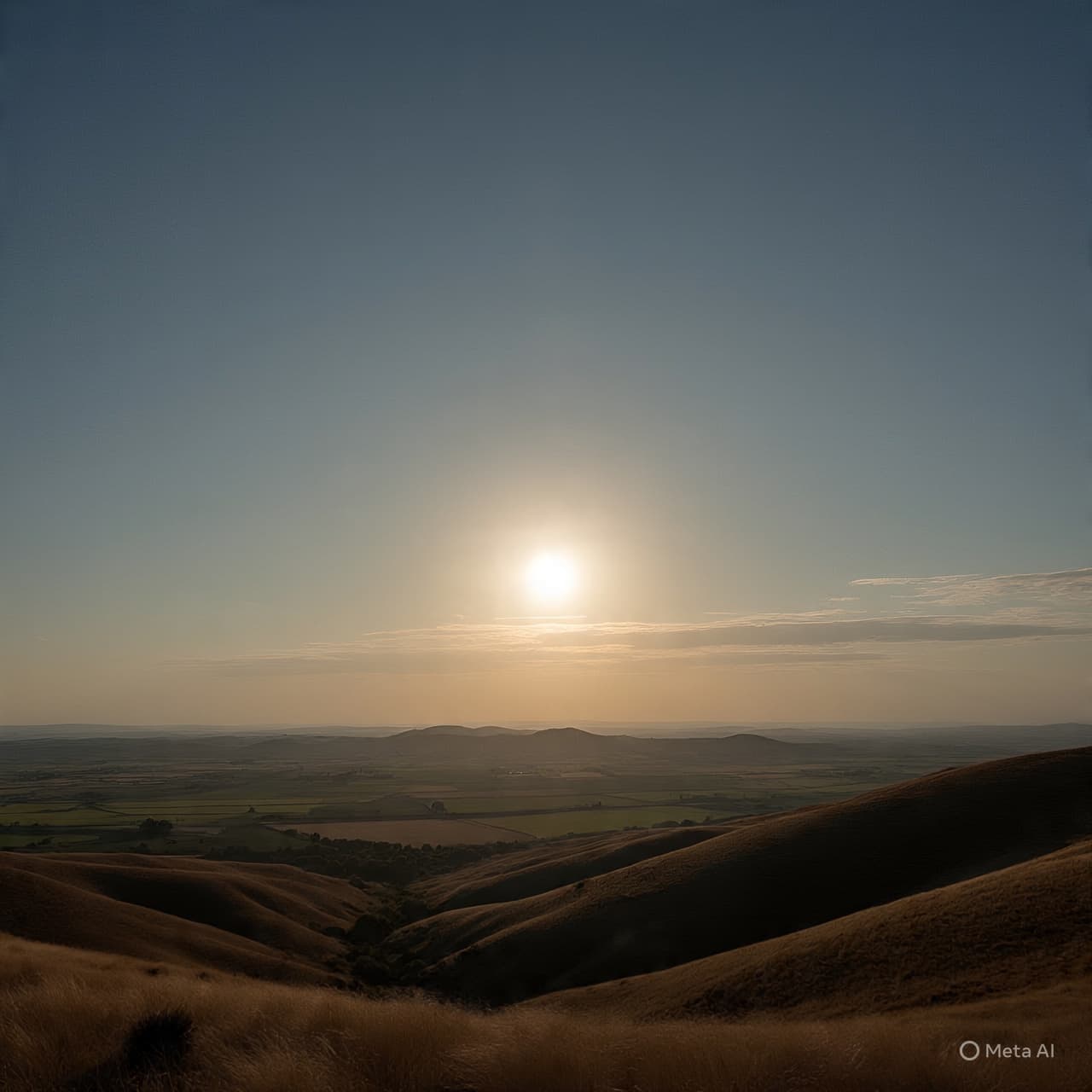
On Tuesday, daylight briefly loosened its hold as an annular eclipse graced the skies. In areas where the weather permitted, the sun transformed into a glowing rim, a fine circle of fire hovering where certainty usually resides. Streets slowed, phones tilted upward, and for a moment, the ordinary rhythm of hours gave way to a shared glance skyward. This celestial event, often referred to as a 'ring of fire,' passed quietly, its geometry precise and its effect unmistakably human.
Unlike total eclipses that darken the world completely, this annular eclipse allowed the moon to slide in front of the sun without fully covering it, leaving a halo that felt both intimate and distant. Astronomers meticulously track such events with numbers and paths, noting how the alignment favors certain latitudes while skipping others. Yet beyond the charts and calculations, the eclipse serves as a reminder of motion—the way celestial bodies keep time for us, even when we forget to look.
The timing of the eclipse carried added resonance. As the event unfolded, calendars across various cultures edged toward significant transitions. The lunar calendar was already leaning toward a new year, its arrival marked not by midnight but by the first sighting of a thin crescent moon. Soon after, another month would begin with a different kind of observation, as fasting from dawn to dusk would reorder daily life for many. The sky, indifferent to human belief, nonetheless set the stage for these moments of renewal.
In many urban areas, the eclipse appeared above office towers and neighborhoods preparing for evening meals. Elsewhere, it skimmed rural horizons, the ring of light briefly touching fields and water. Protective glasses were passed from hand to hand, and children traced the shape of the eclipse with cardboard viewers. For those who missed it, the knowledge of its passage lingered—a sense that something significant had occurred overhead, whether witnessed or not.
Historically, eclipses have been interpreted as omens, markers, or warnings. However, this particular eclipse arrived without drama. There were no proclamations, no sudden shifts in policy or prayer. Instead, it functioned as a hinge between times. The upcoming Lunar New Year would invite renewal through family gatherings and quiet resolutions, while Ramadan would follow, calling for restraint, reflection, and shared evenings. The eclipse did not cause these moments but framed them, acting as a natural punctuation mark before weeks shaped by intention.
As the moon moved on and the sun returned to its familiar fullness, attention drifted back to schedules and screens. Yet the image of that ring—perfect, burning, incomplete—remained. It suggested that time does not simply advance; it gathers, aligns, and then releases. Tuesday’s sky offered no instruction, only a gentle cue: that before new beginnings arrive, there is often a pause, a thinning of light, and a moment to notice where we stand.
Published by Banx Network. This article is part of the Banx decentralized media programme, powered by the BXE token on the XRP Ledger.



