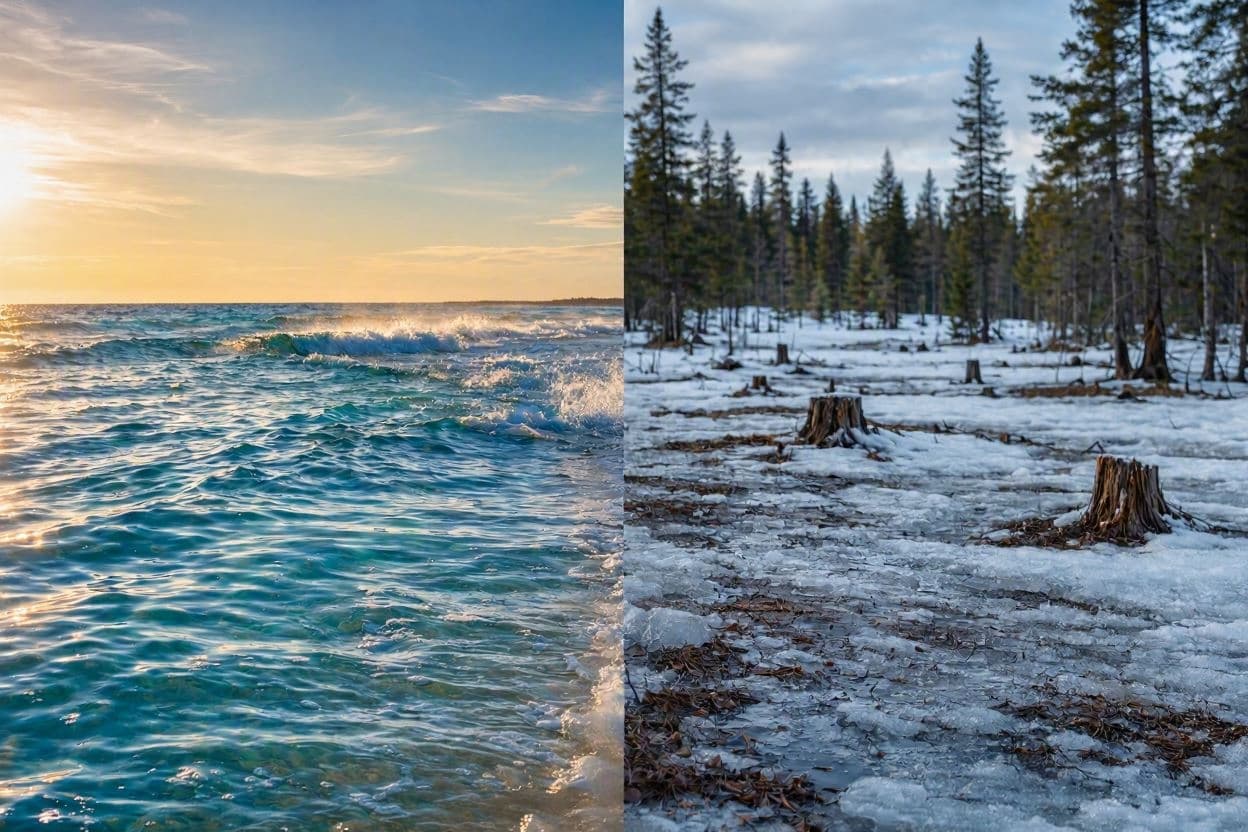
A record El Niño reshapes seasonal expectations.
A supercharged El Niño is predicted to bring record warmth to the Pacific, likely resulting in a milder winter for Canada, prompting reflections on climate variability and adaptation.

A supercharged El Niño is predicted to bring record warmth to the Pacific, likely resulting in a milder winter for Canada, prompting reflections on climate variability and adaptation.

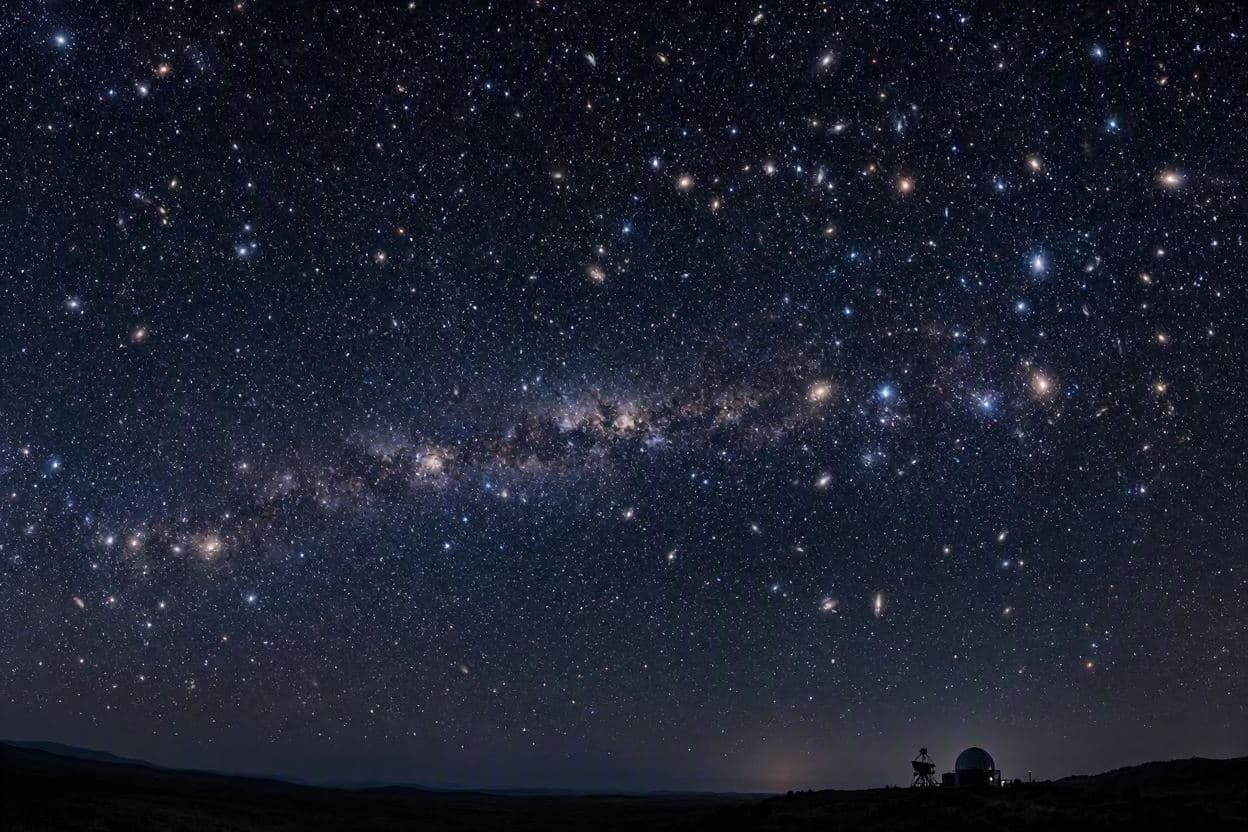
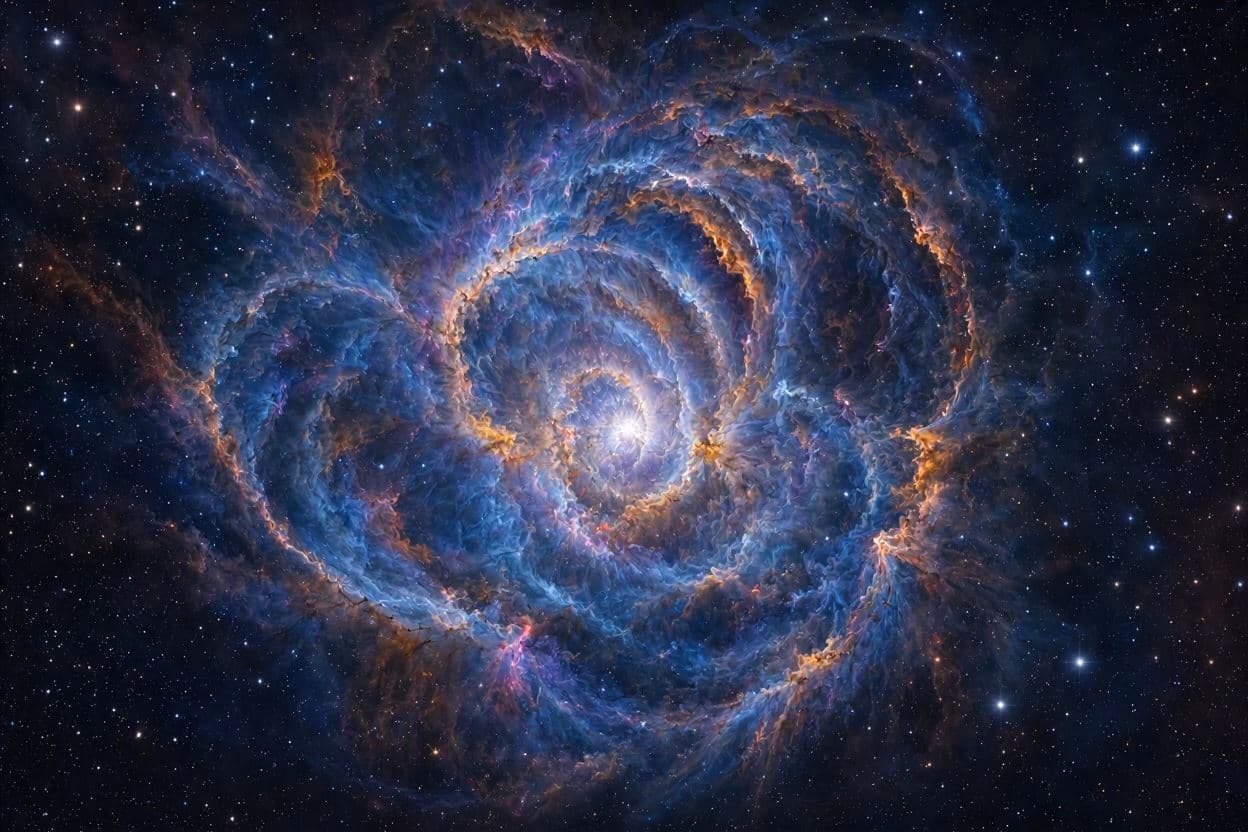
The Sloan Digital Sky Survey releases its 20th dataset, offering enhanced spectral data on stars and galaxies to further our understanding of the universe’s structure and history.

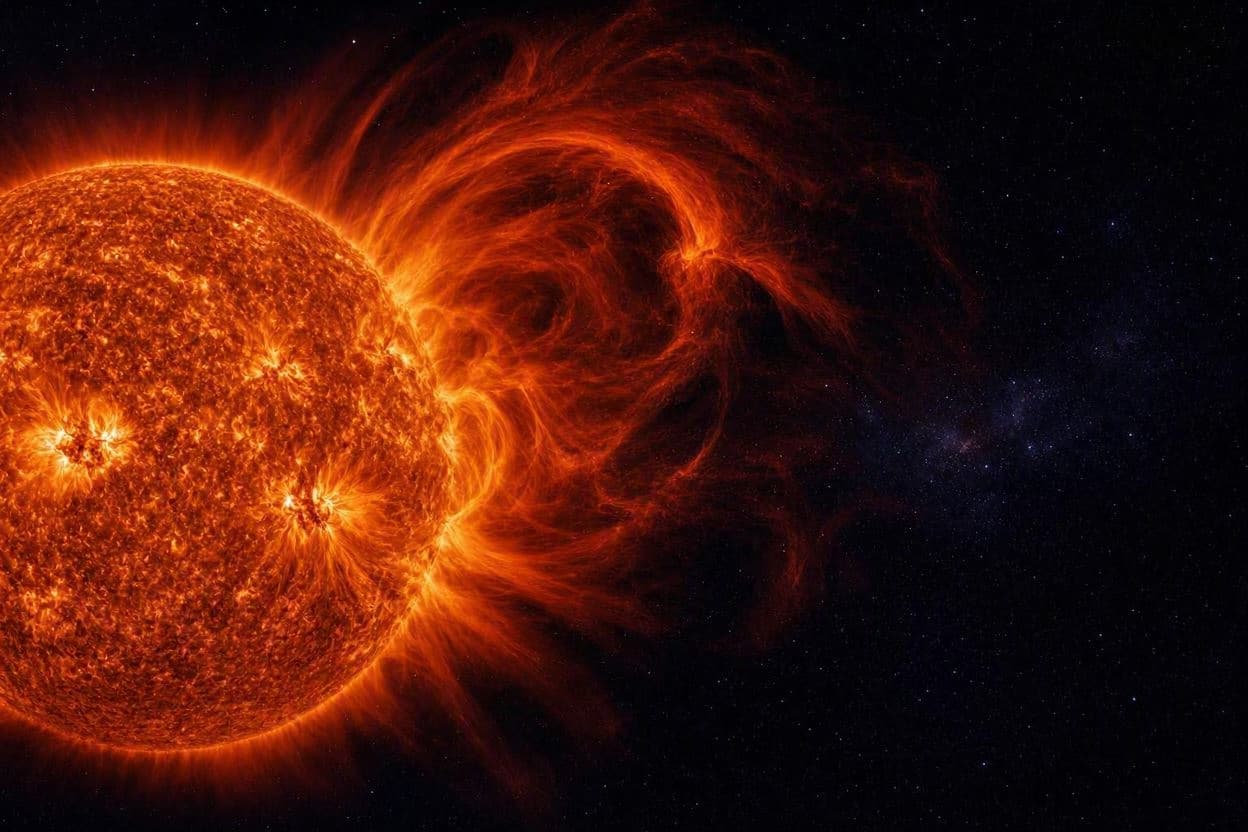
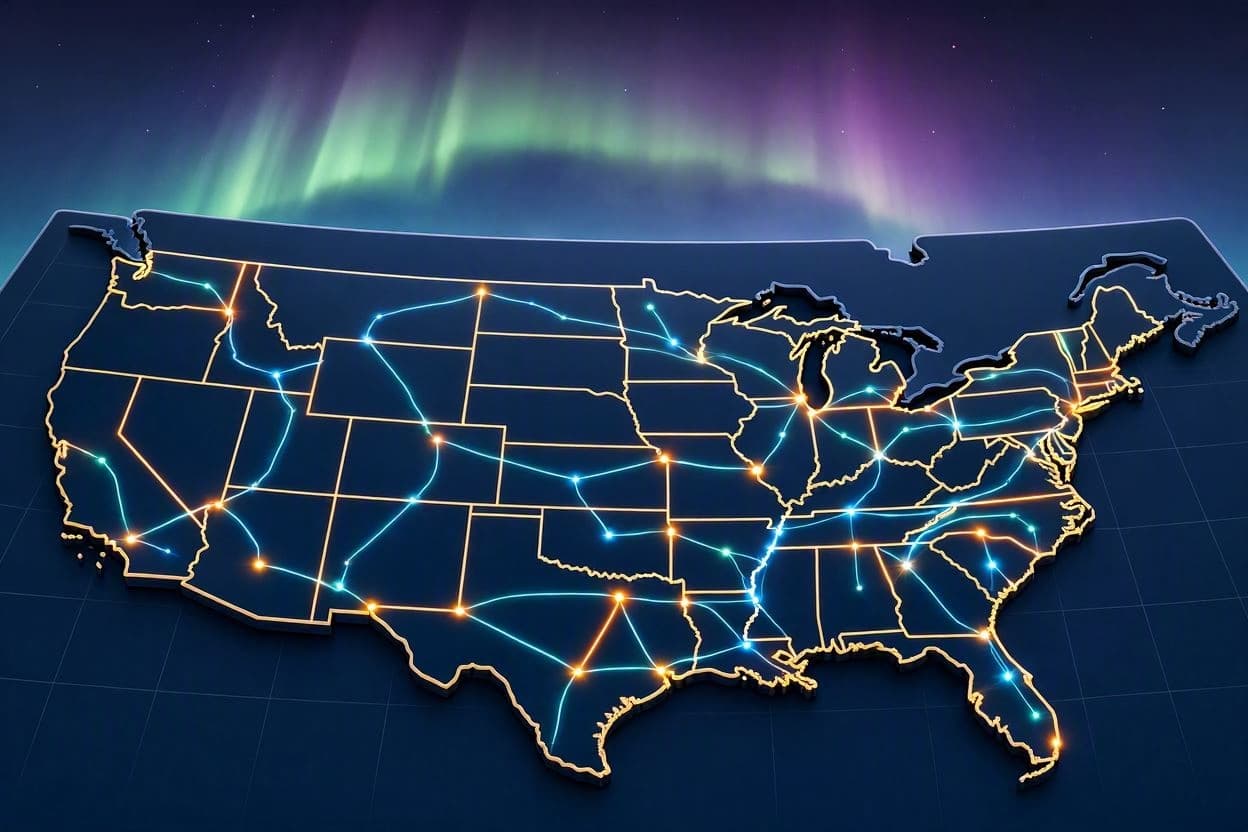
A new economic model quantifies the financial risks solar storms pose to the US power grid, highlighting potential billions in losses and the need for infrastructure resilience.

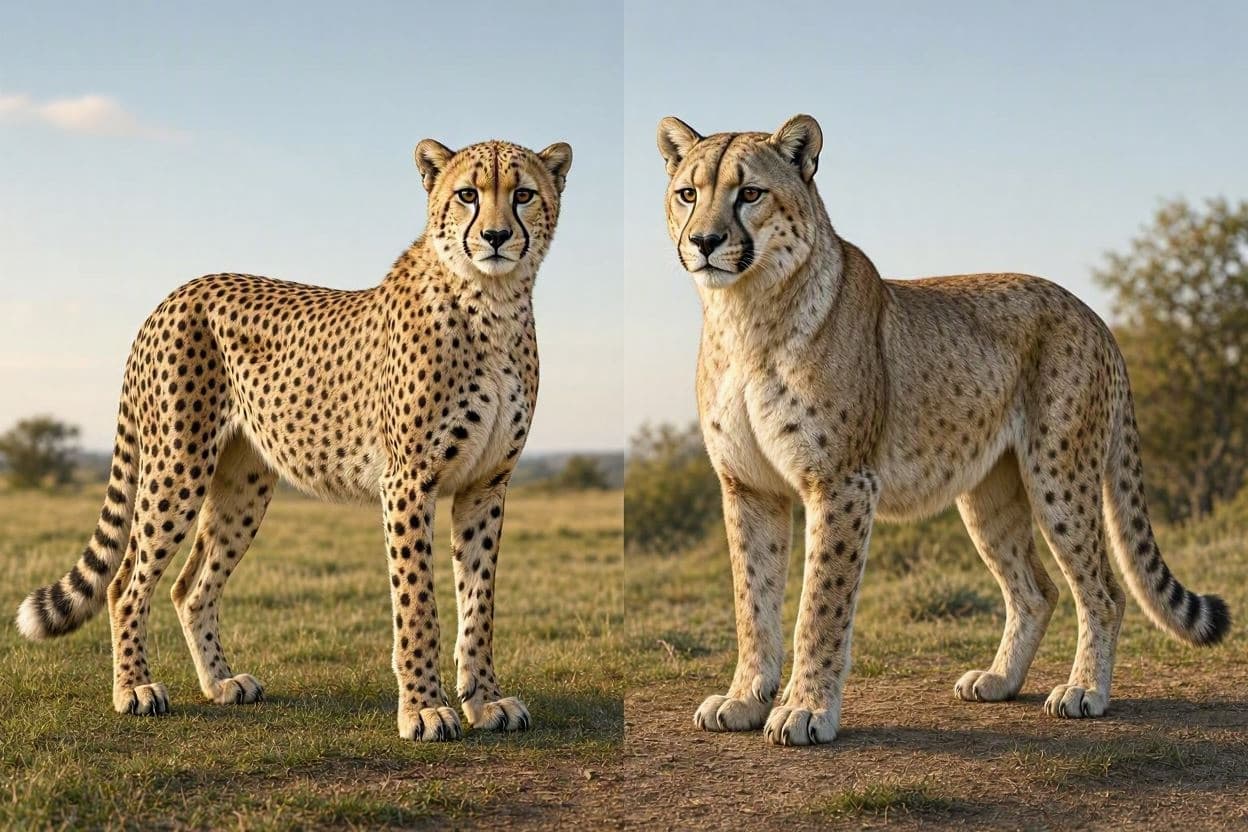
Genetic analysis reveals that the extinct American "cheetah" was actually a specialized lineage of cougar, demonstrating convergent evolution rather than a direct relationship with modern cheetahs.

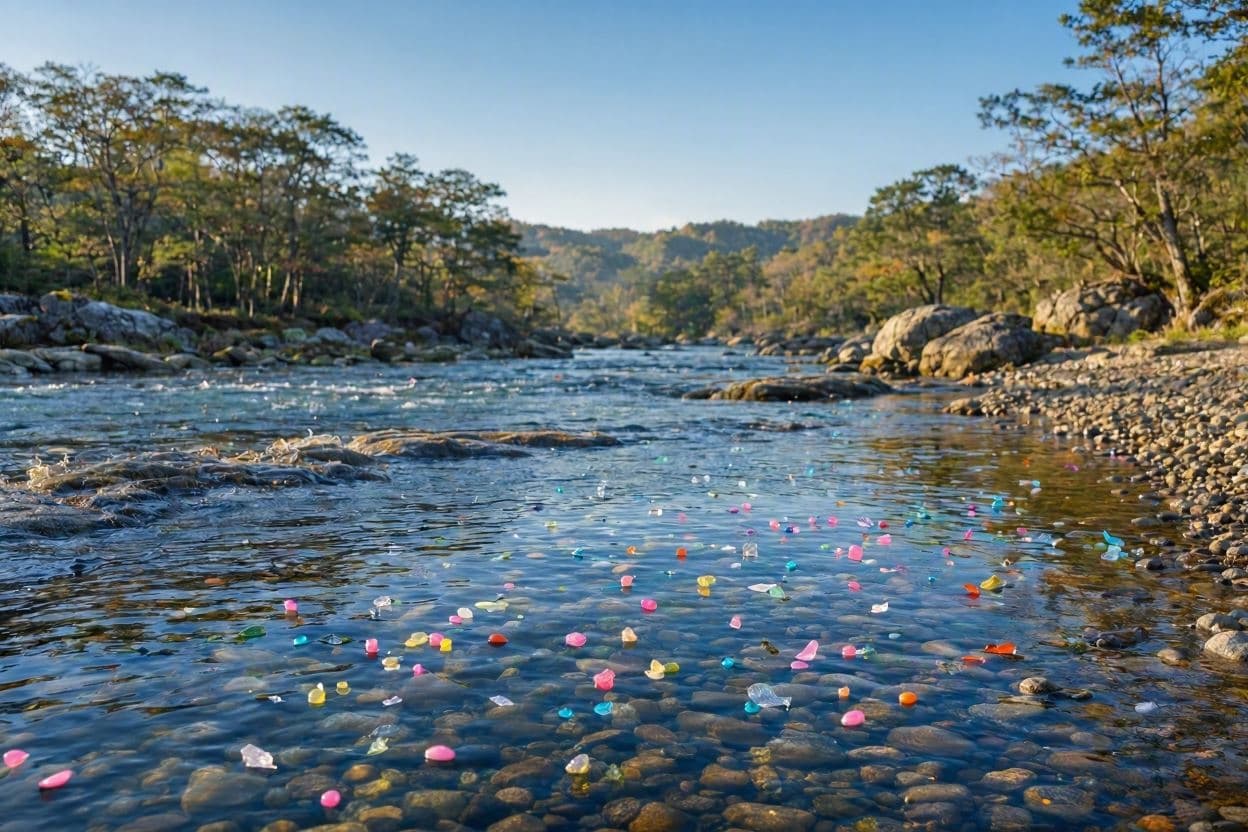
A new study is investigating the presence of microplastics in the Fraser River, aiming to assess pollution levels and their impact on wildlife, particularly salmon, and local communities.

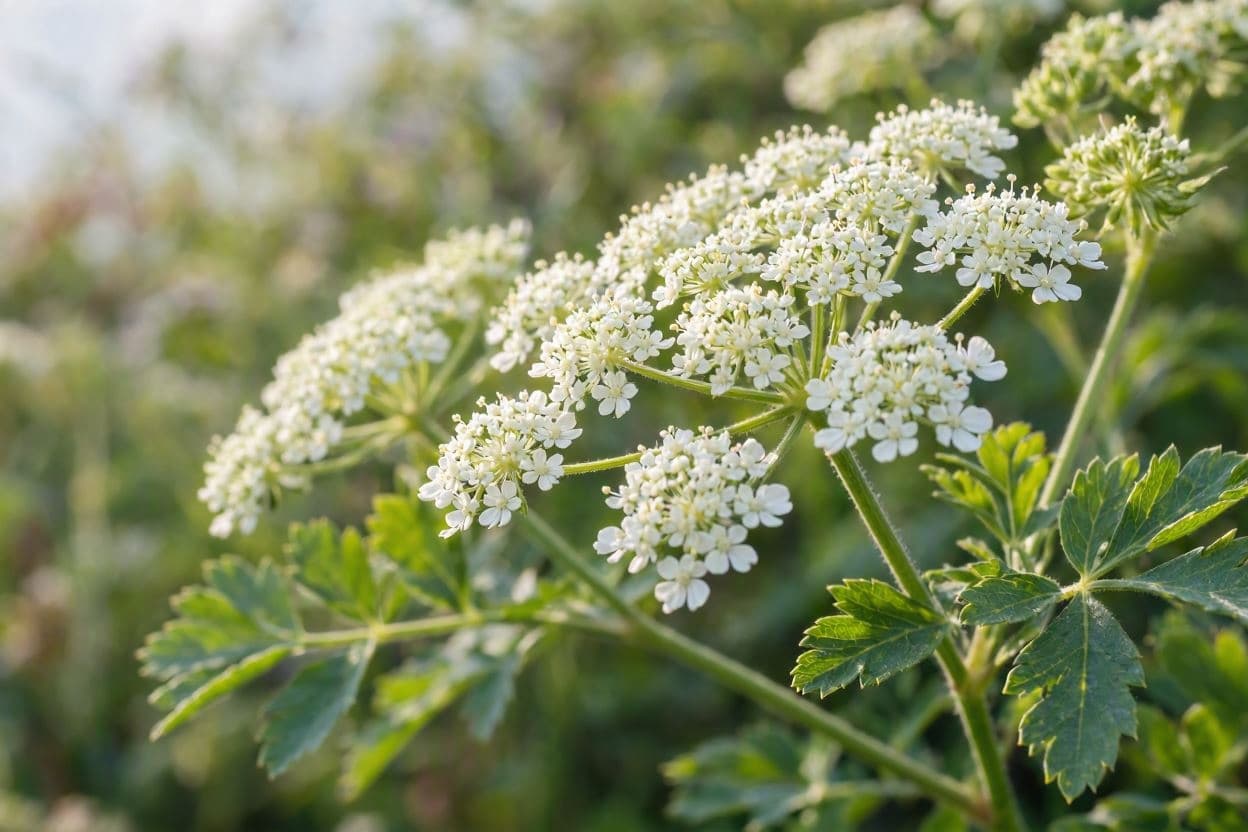
Sequencing the genome of Spuriopimpinella brachycarpa has identified genes responsible for producing medicinal compounds, bridging traditional use with modern pharmaceutical development.

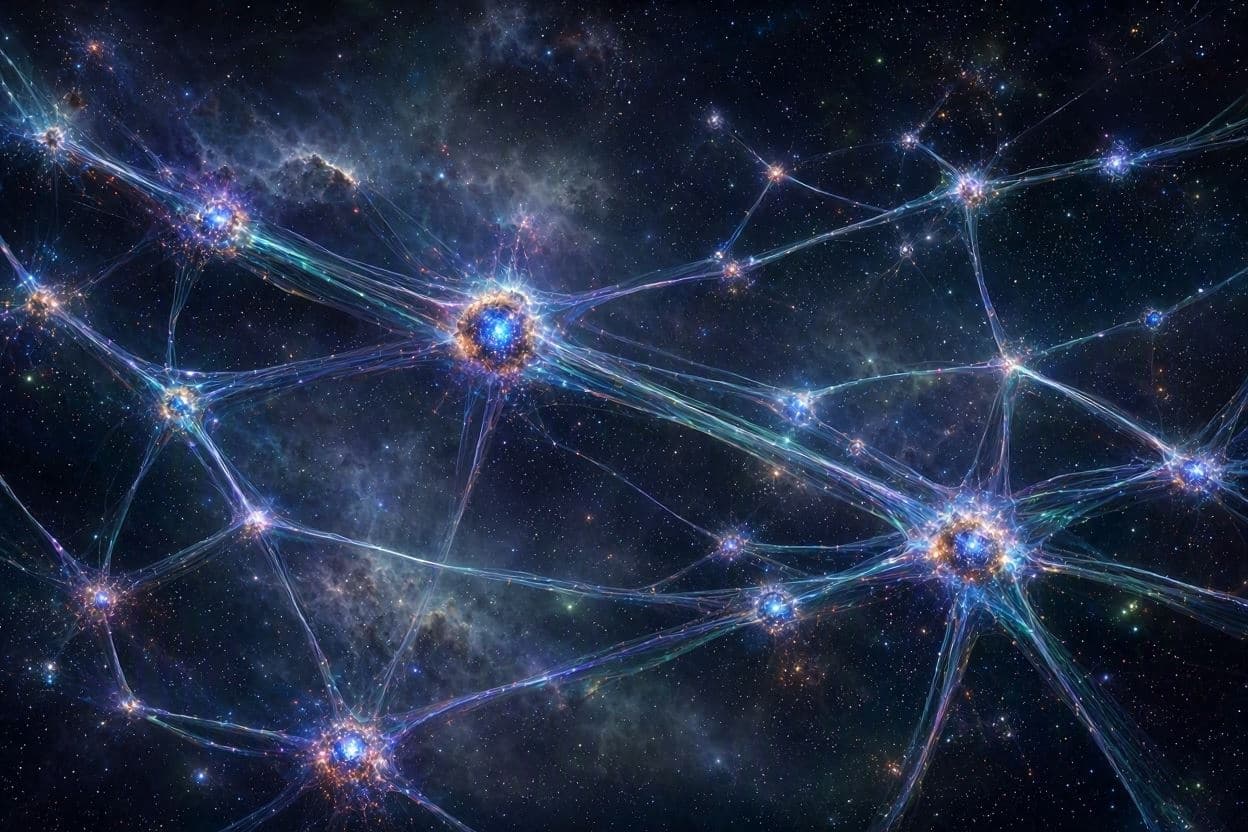
Astronomers have released the largest 3D map of the universe, created by DESI, allowing the public to interactively explore galaxy distributions and cosmic structures online.

Faint spectral signals from manganese in ancient stars are helping scientists understand the supernova mechanisms that created heavy elements in the early universe.

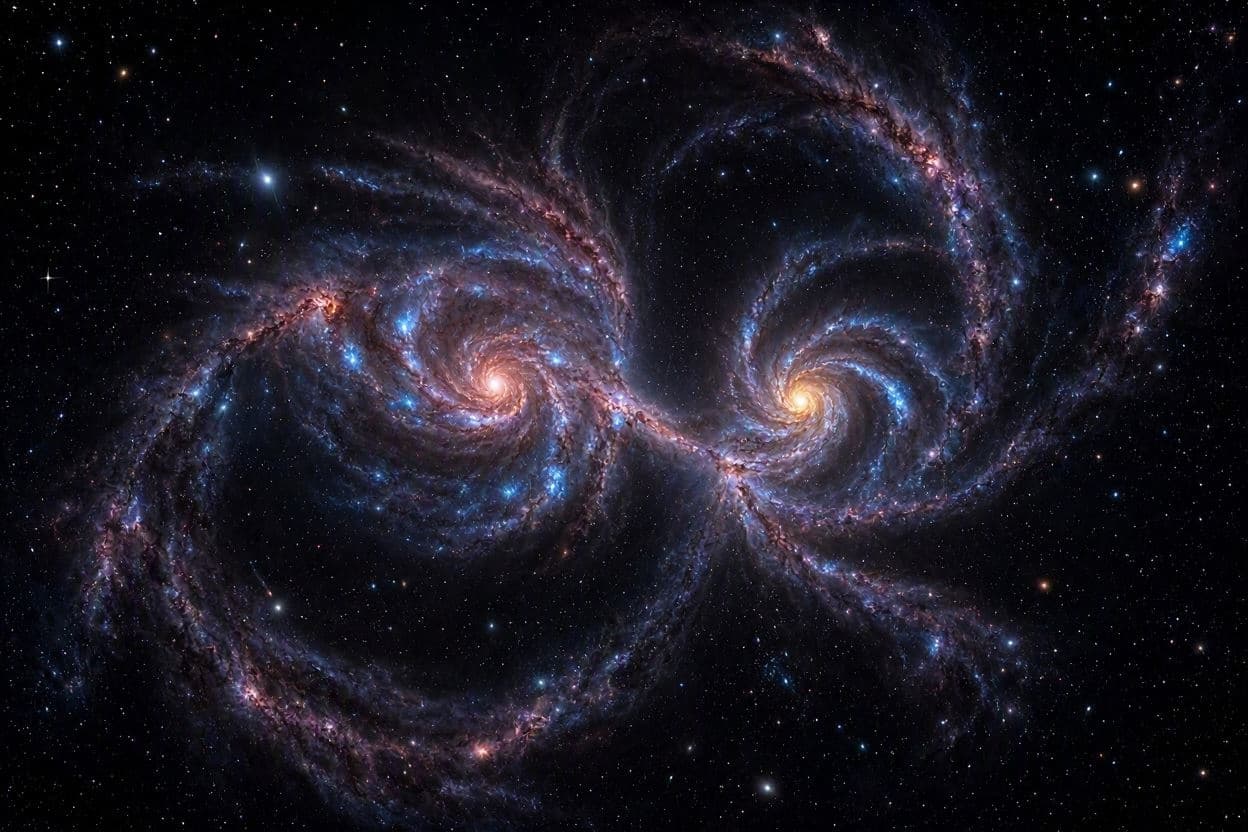
The Space Photo of the Day for Sept. 7, 2026, features interacting galaxies, highlighting the intersection of scientific inquiry and spiritual wonder in our appreciation of the cosmos.

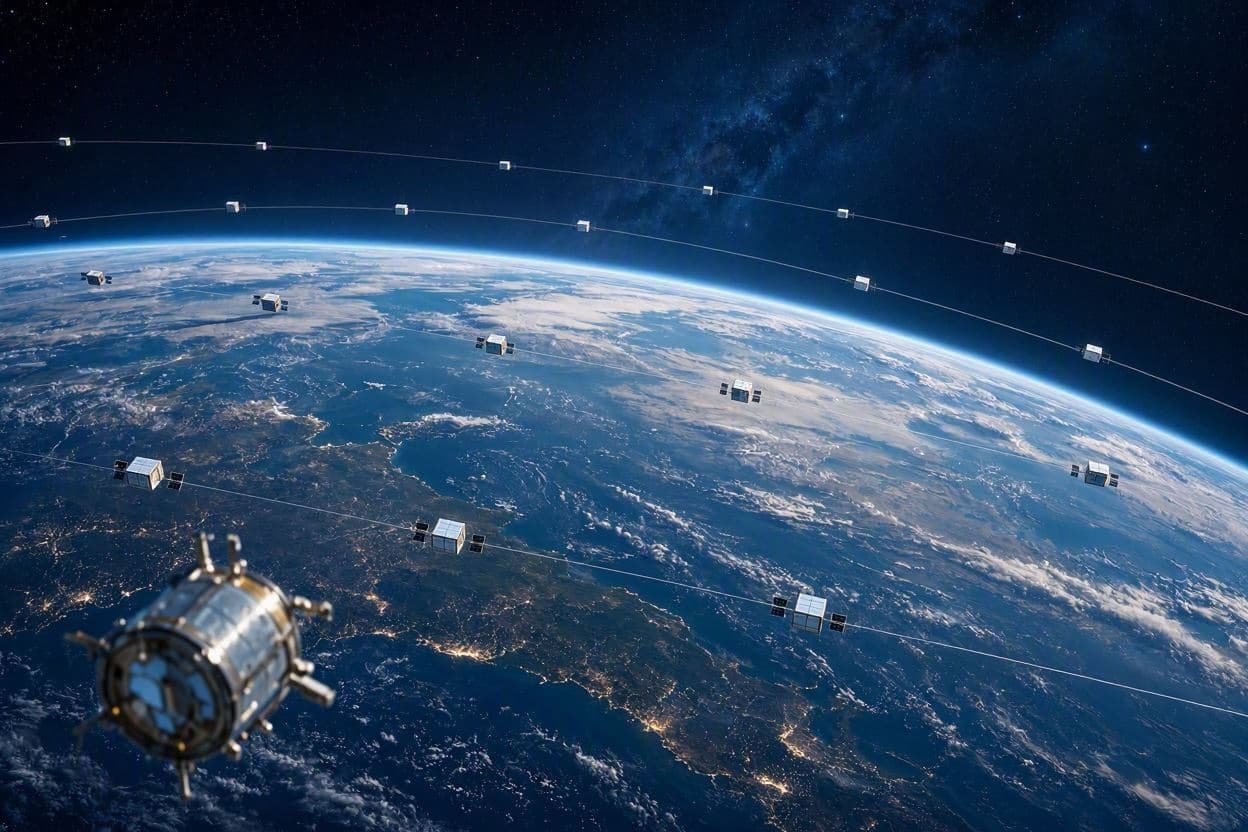
Private satellites and AI are revolutionizing Earth observation, offering benefits for science and safety but raising concerns about privacy, security, and space debris.

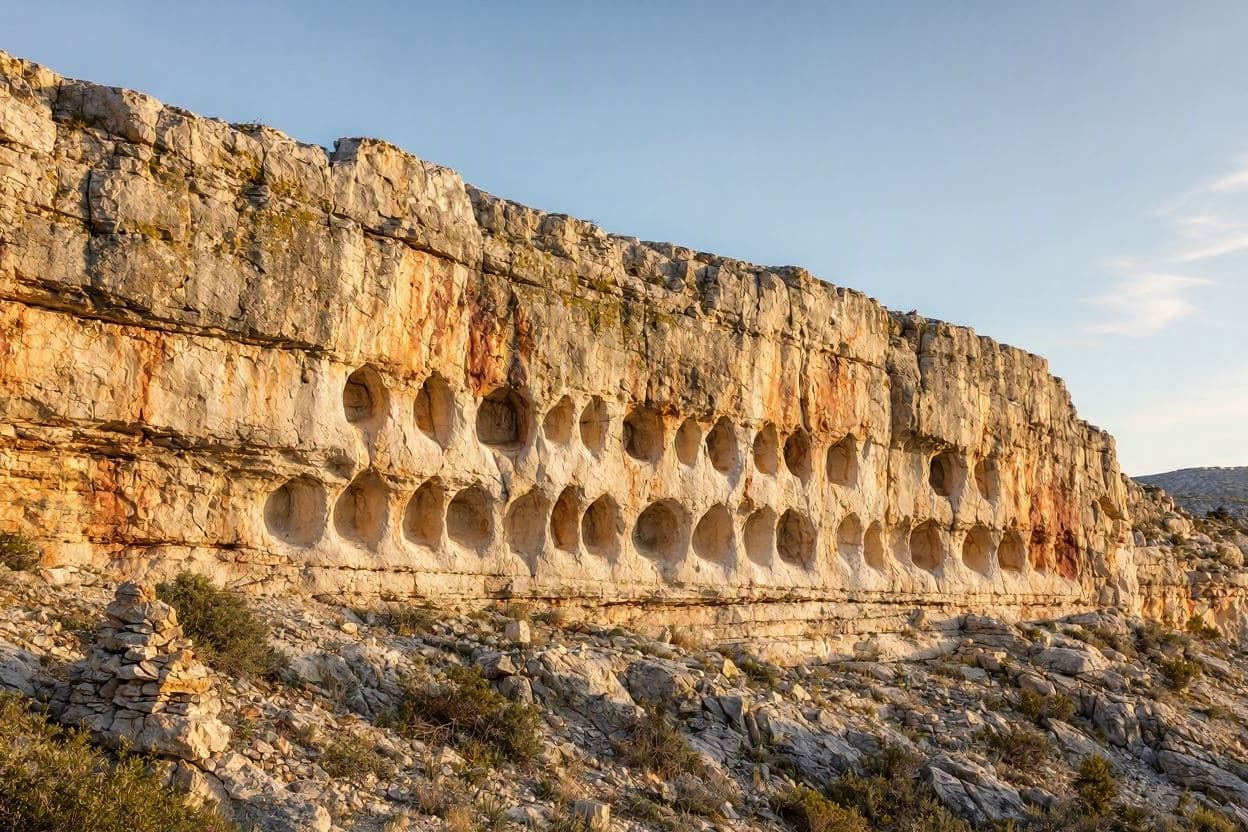
Over 1,000 ancient paddle-like marks found on an Italian cliff have sparked debate among scientists about their origin, with theories ranging from marine reptiles to invertebrates.

Scientists have identified a plant hormone pathway that enhances disease resistance in crops, offering a sustainable alternative to pesticides and improving food security.

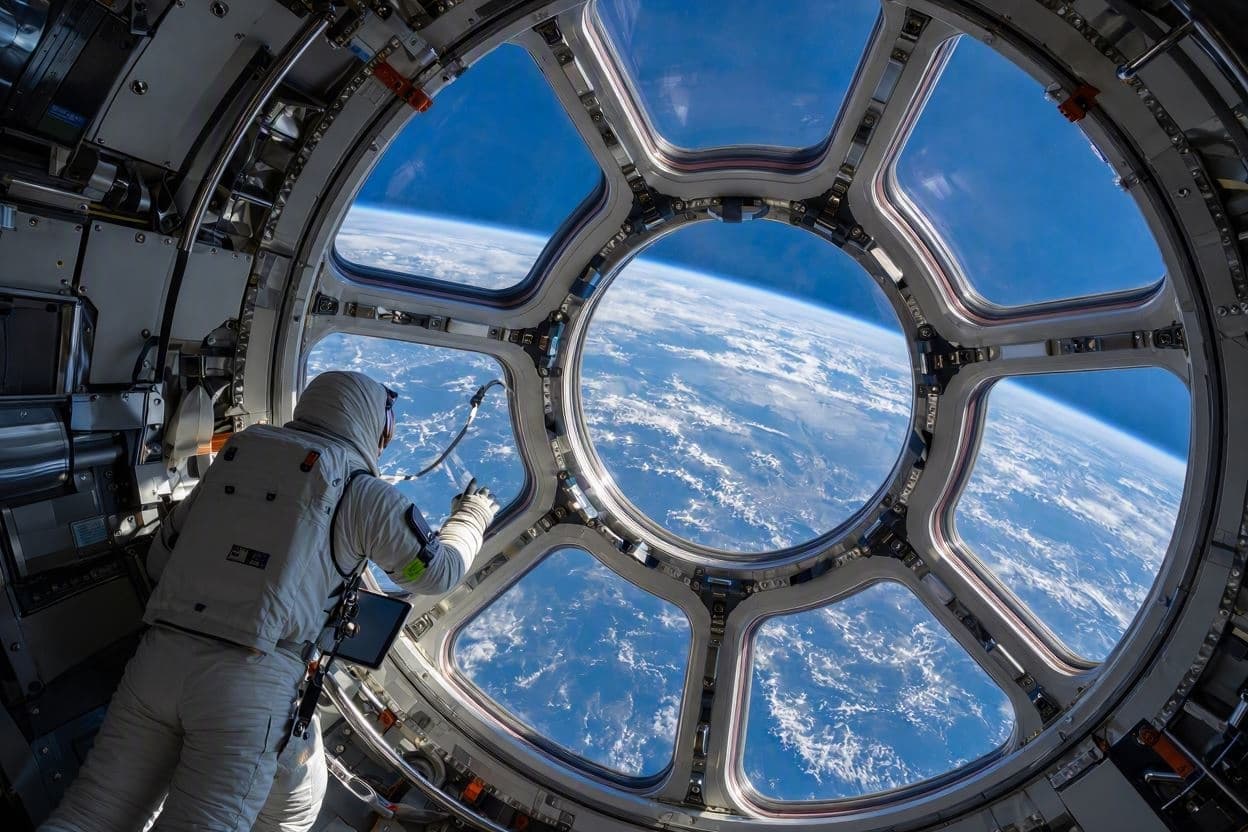
NASA astronauts aboard the International Space Station will observe Labor Day with a day off, highlighting the agency's focus on crew well-being and the human need for rest even in space.

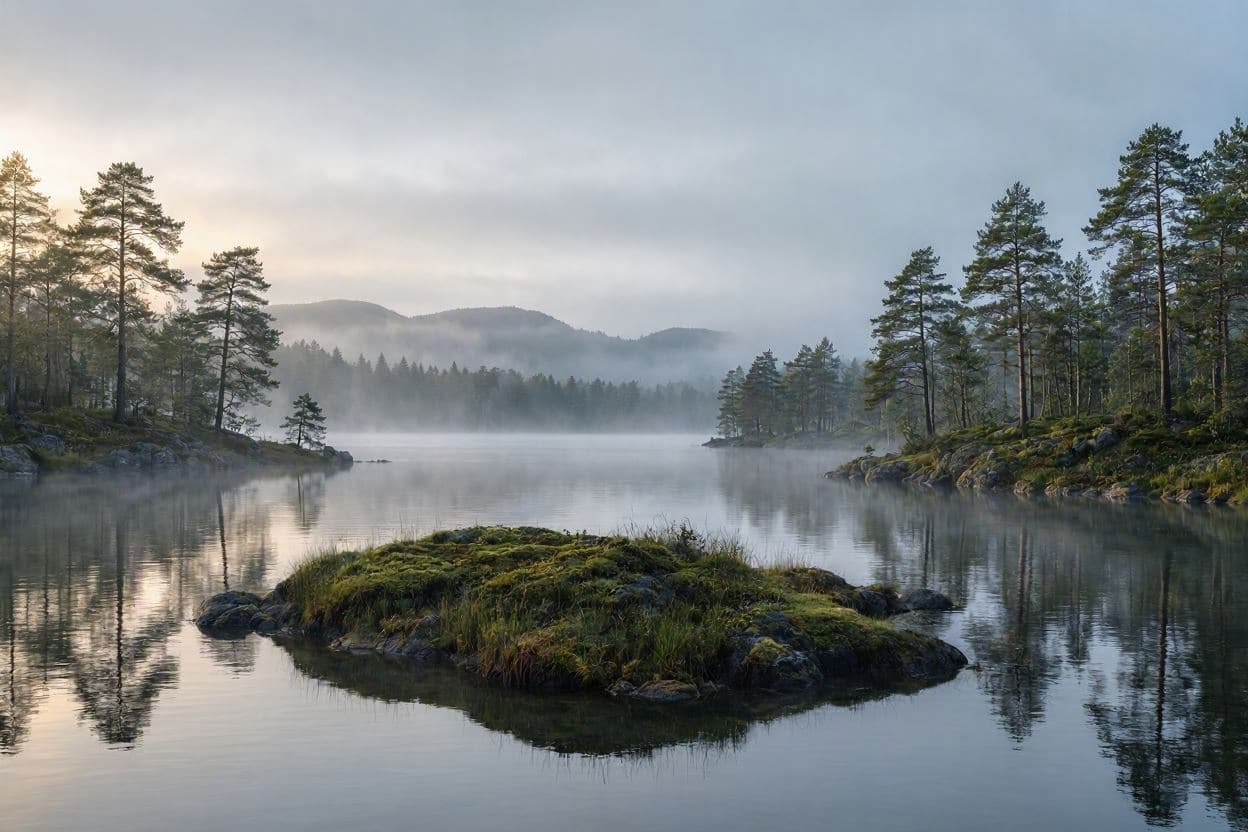
A phantom island in a Canadian lake has reappeared after vanishing, illustrating the dynamic impact of water levels and climate change on northern geography and challenging static mapping.

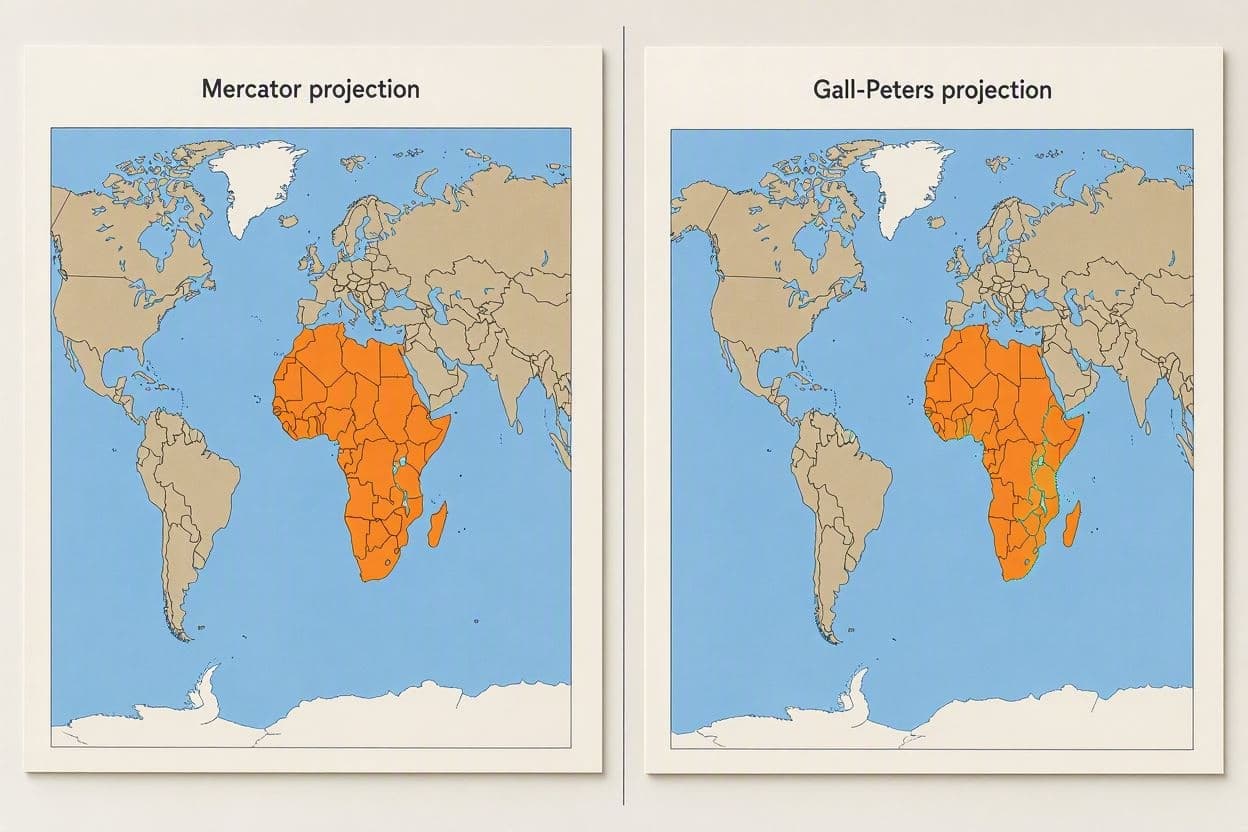
The UN supports using accurate map projections to show Africa’s true size, challenging the distorted Mercator view and promoting visual equity in education.

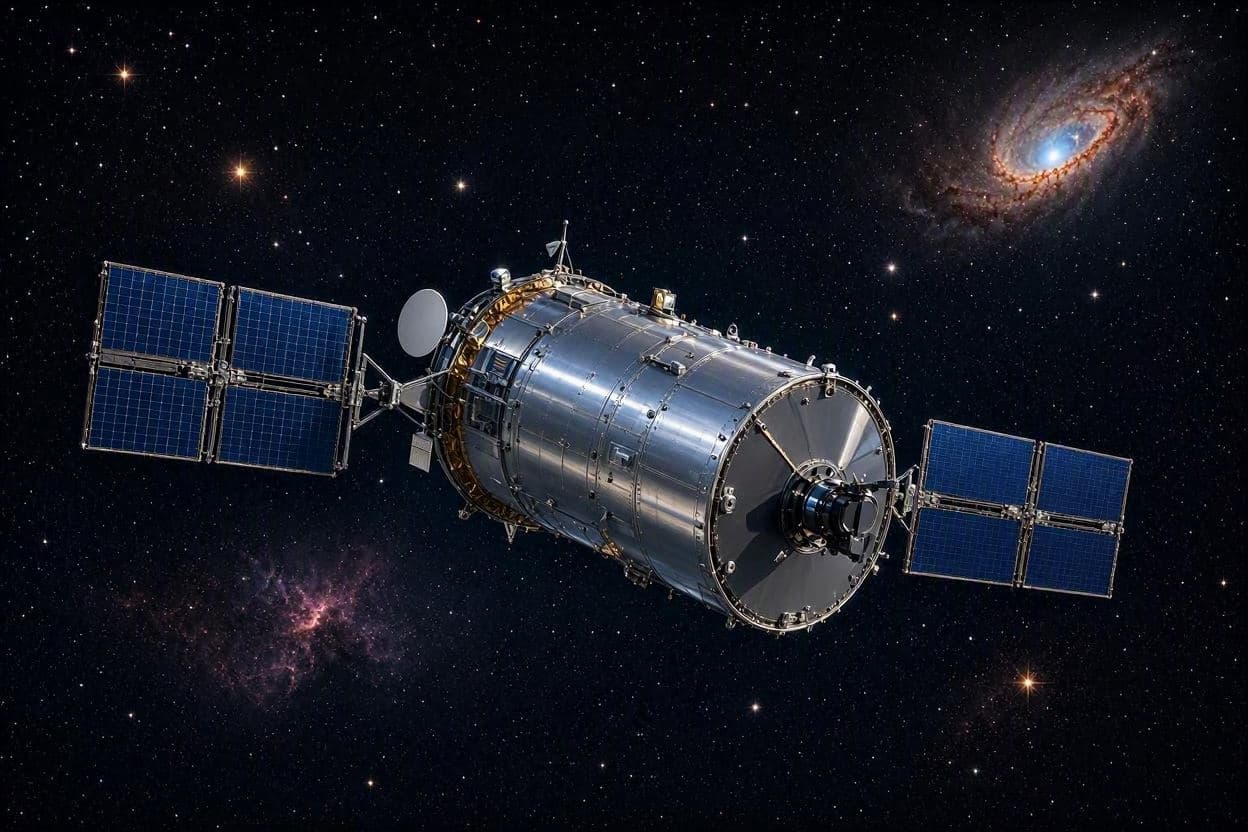
NASA’s Roman Space Telescope begins operations, aiming to study dark energy and exoplanets with a wide-field view, complementing other observatories.

NASA’s Dragonfly mission passes key tests, preparing to explore Titan’s surface and atmosphere with a unique rotorcraft lander in the 2030s.

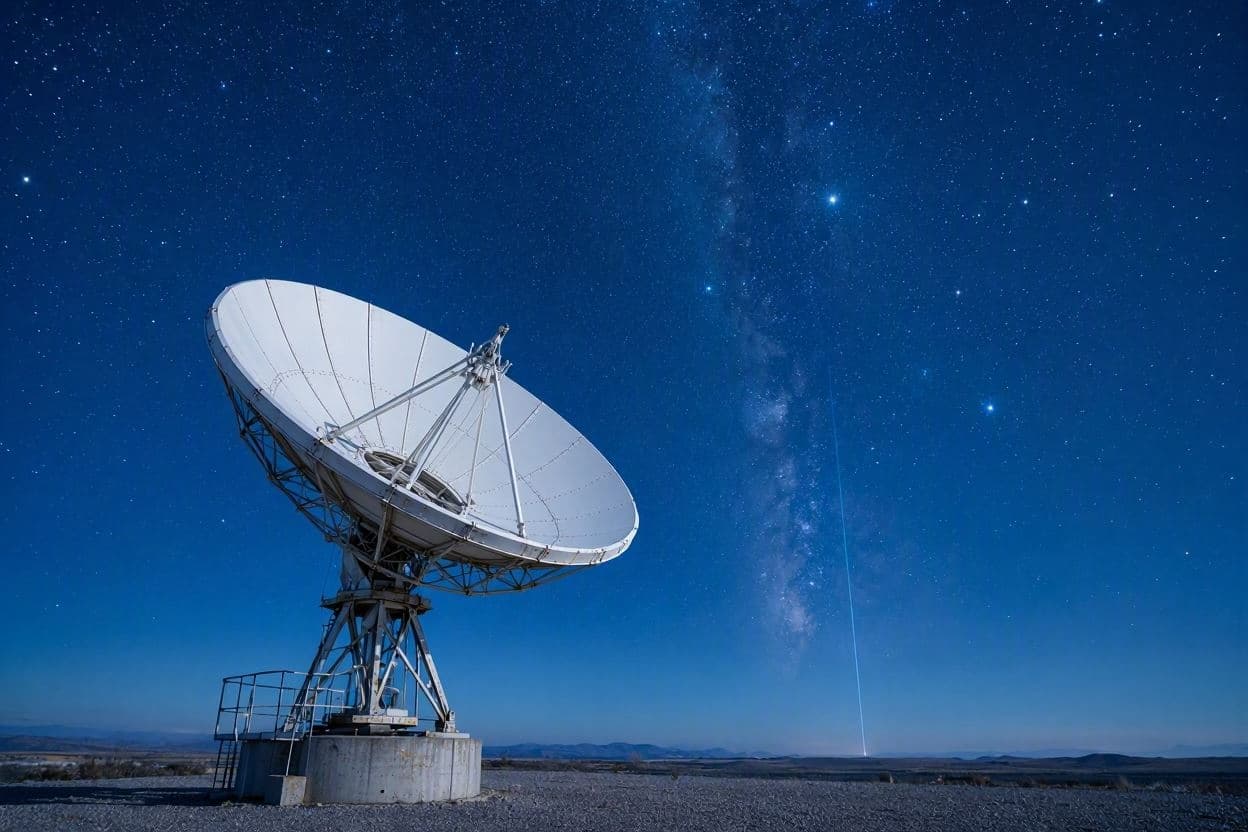
NASA is upgrading its Deep Space Network with new antennas and laser communication tech to support increasing lunar and Mars missions.

Archaeologists found a 19th-century grave in Connecticut with remains arranged to prevent vampirism, revealing how tuberculosis fear fueled superstition and tragic rituals.

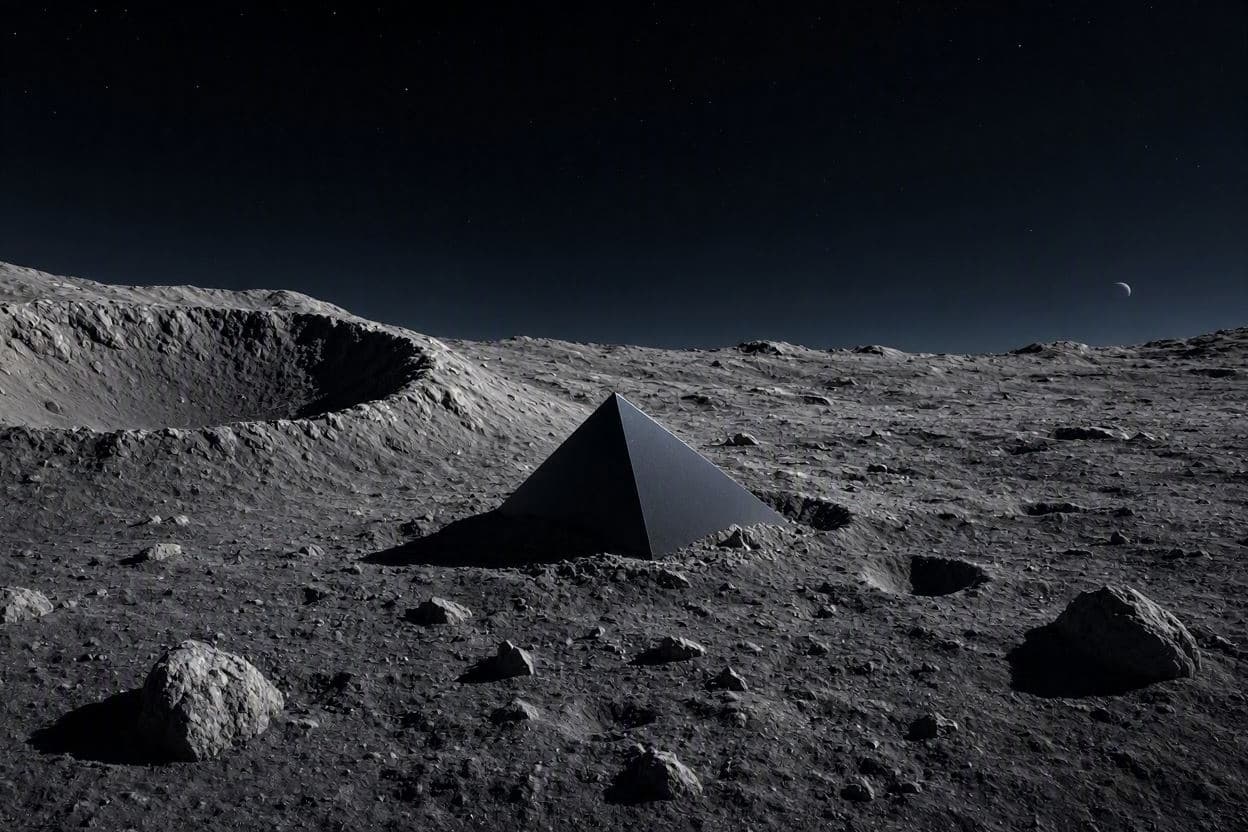
Scientists propose using advanced sensors to search the Moon for anomalies or artifacts that could indicate past alien civilization, leveraging the Moon’s preserved geological record.

NASA is constructing a large new antenna in the desert to manage the increasing data load from a surge in space missions, ensuring robust communication for future exploration.

A new economic model quantifies the financial risks solar storms pose to the US power grid, identifying vulnerabilities and guiding investment in grid resilience and protection.

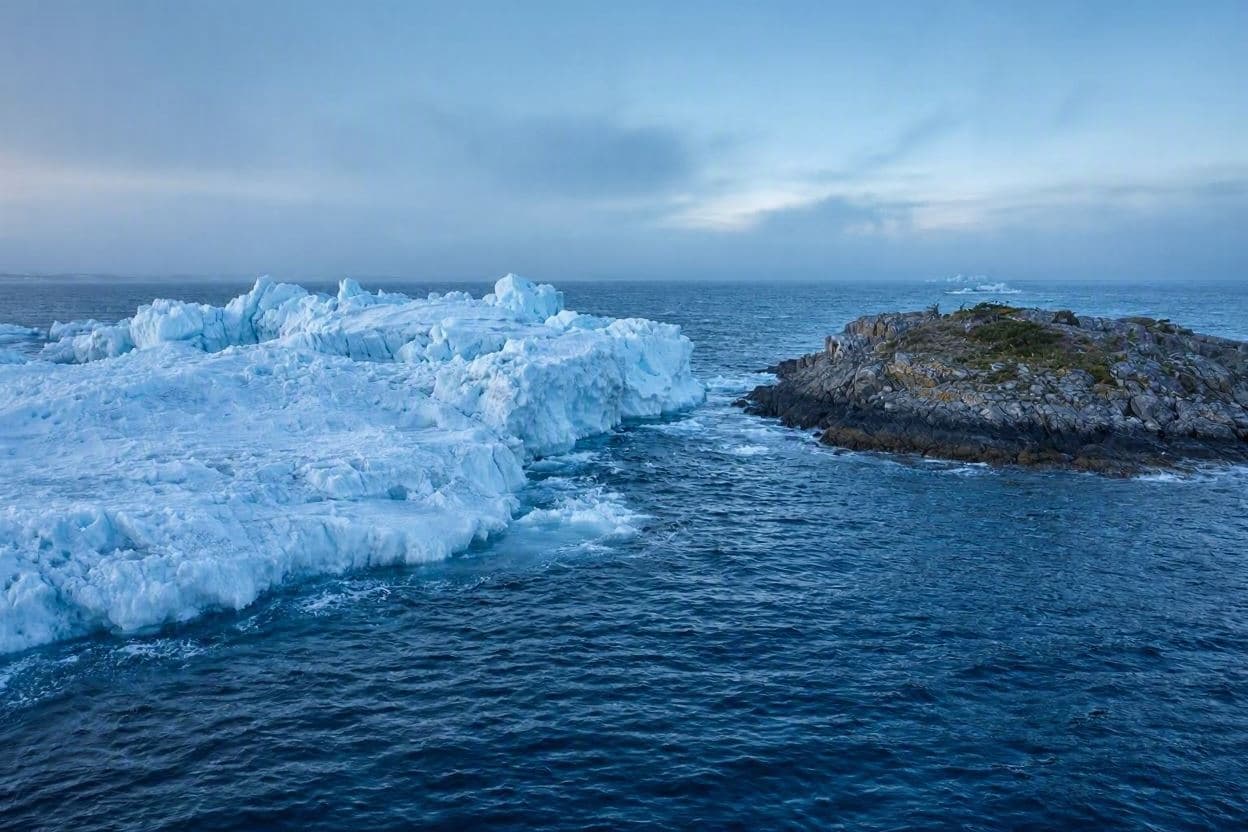
A massive ice island from Greenland collided with Joe Island in the Nares Strait but remained intact, highlighting the strength of multi-year ice and Arctic dynamics.

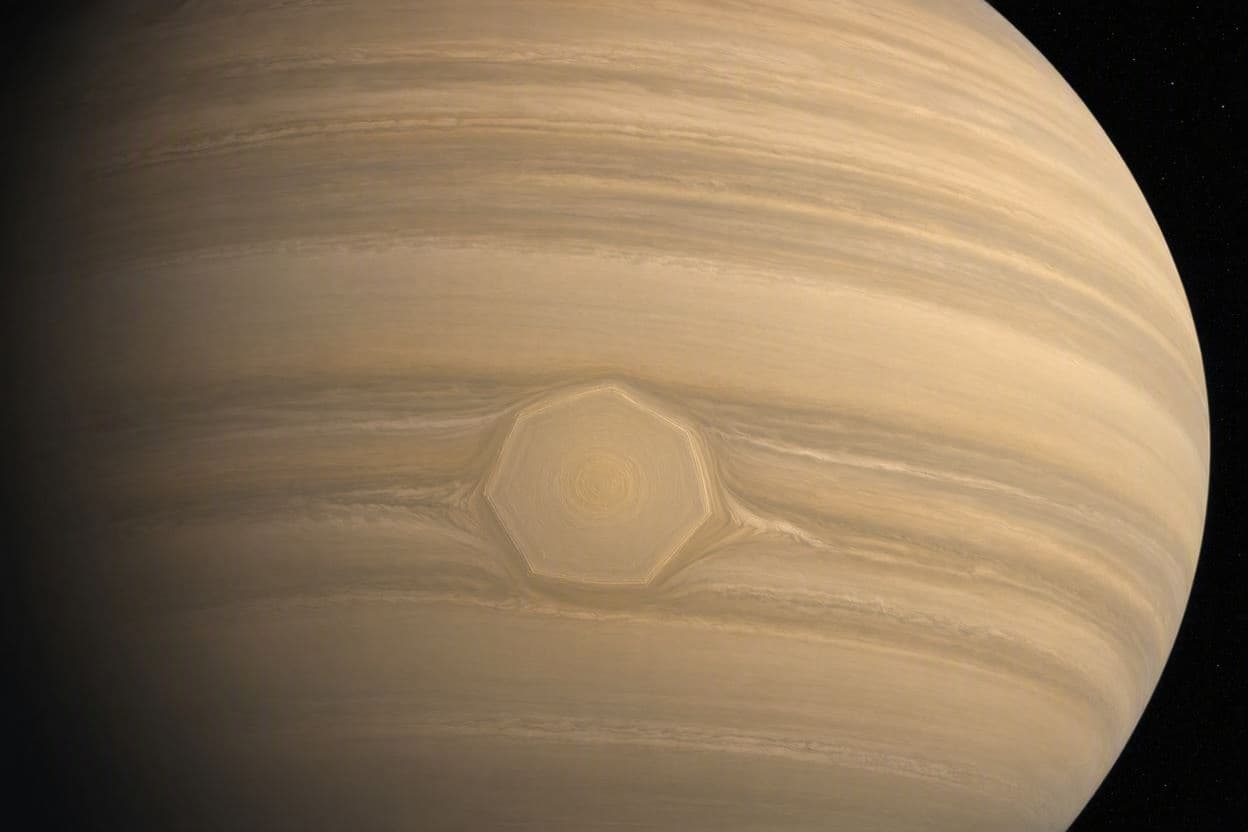
Hubble Telescope images reveal a 104,000-mile-wide ten-sided storm at Saturn’s south pole, mirroring the northern hexagon and highlighting complex atmospheric symmetry.