
Key Highlights
- Discovery:Researchers at National Taiwan University develop a serum that promotes hair regrowth.
- Mechanism:The serum uses natural fatty acids to stimulate dormant hair follicles.
- Trials:Laboratory tests on mice show visible results within 20 days.
[Scientific Breakthrough in Hair Restoration]
In a groundbreaking study, researchers at National Taiwan University have unveiled a new serum that could revolutionize the approach to hair loss treatment. This innovative serum utilizes natural fatty acids, delivered through a simple topical application, to stimulate hair regrowth by mimicking the body's own healing processes. The research highlights a shift away from synthetic hormones and invasive procedures, focusing instead on a gentler, more organic method of rejuvenation.
The serum operates on the principle that minor skin irritation can trigger a regenerative response in the body. By applying the serum, the fatty acids penetrate the skin and awaken dormant hair follicles, effectively coaxing them back to life. This bio-inspired approach not only aims to stimulate hair growth but also supports the overall health of the skin, creating a holistic treatment for hair loss.
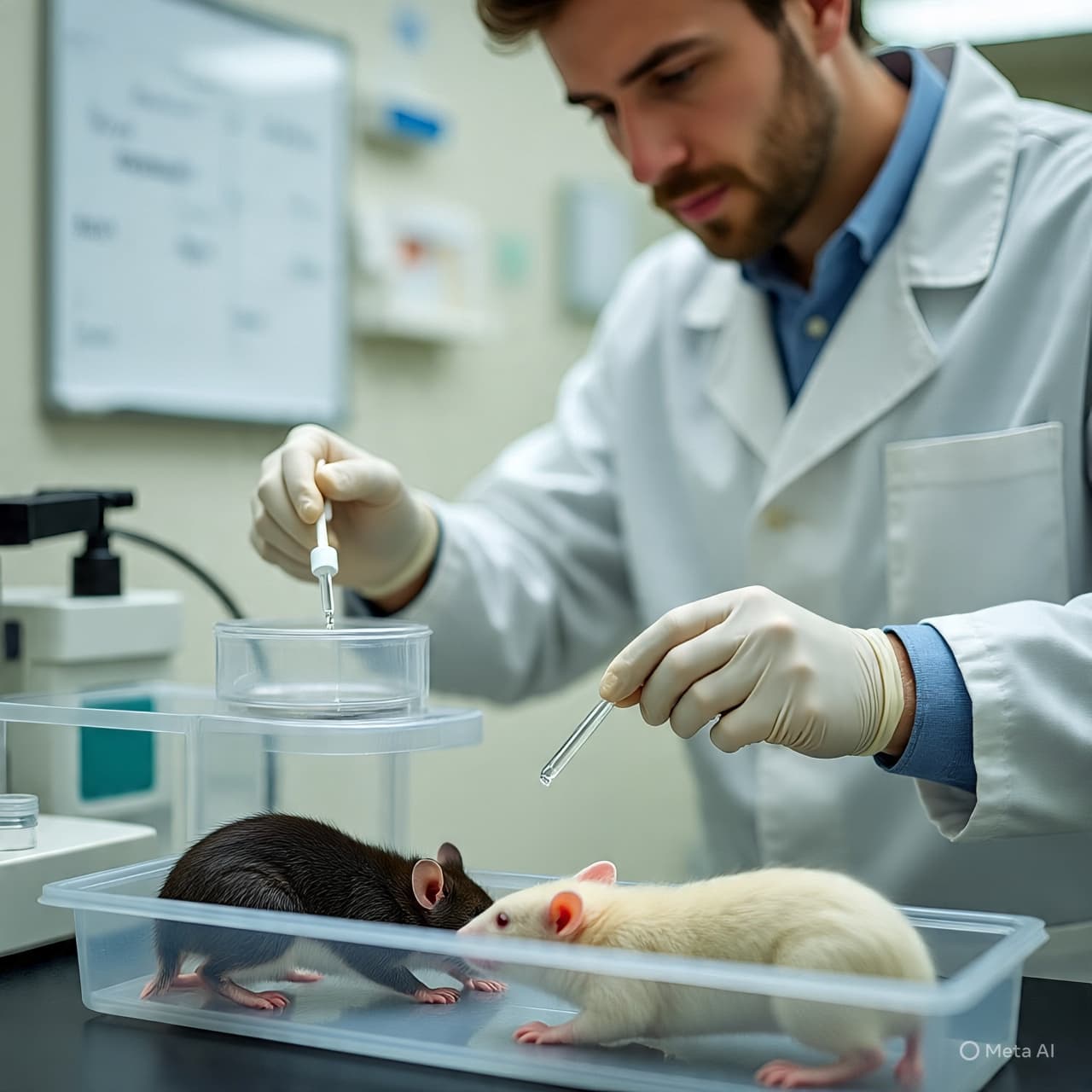
In controlled laboratory trials conducted on mice, the results were promising. Within just 20 days, test subjects exhibited visible hair regrowth, indicating that the serum not only stimulates hair follicles but also enhances the underlying skin health. Researchers have described this serum as a significant advancement in dermatological science, emphasizing its potential to provide a sustainable solution for those suffering from hair loss.
While human trials are yet to commence, the implications of this discovery are profound. If proven effective in humans, this serum could represent a quiet revolution in hair restoration, where healing begins not with replacement but with reawakening the body's natural capabilities. The research underscores the importance of understanding and harnessing nature's chemistry to develop effective treatments.
As the scientific community eagerly awaits the results of human trials, the potential for this serum to change the landscape of hair restoration is exciting. It opens the door to a future where treatments are not only effective but also align with the body's natural processes, offering hope to millions affected by hair loss.
Images accompanying this article may include AI-generated illustrations for scientific visualization purposes.
Published by Banx Network. This article is part of the Banx decentralized media programme, powered by the BXE token on the XRP Ledger.



