
Key Highlights
- First Recorded Mosquitoes:Three mosquitoes have been confirmed in Iceland.
- Climate Change Impact:The arrival signals significant environmental changes.
- Historical Context:Iceland was one of the last mosquito-free regions.
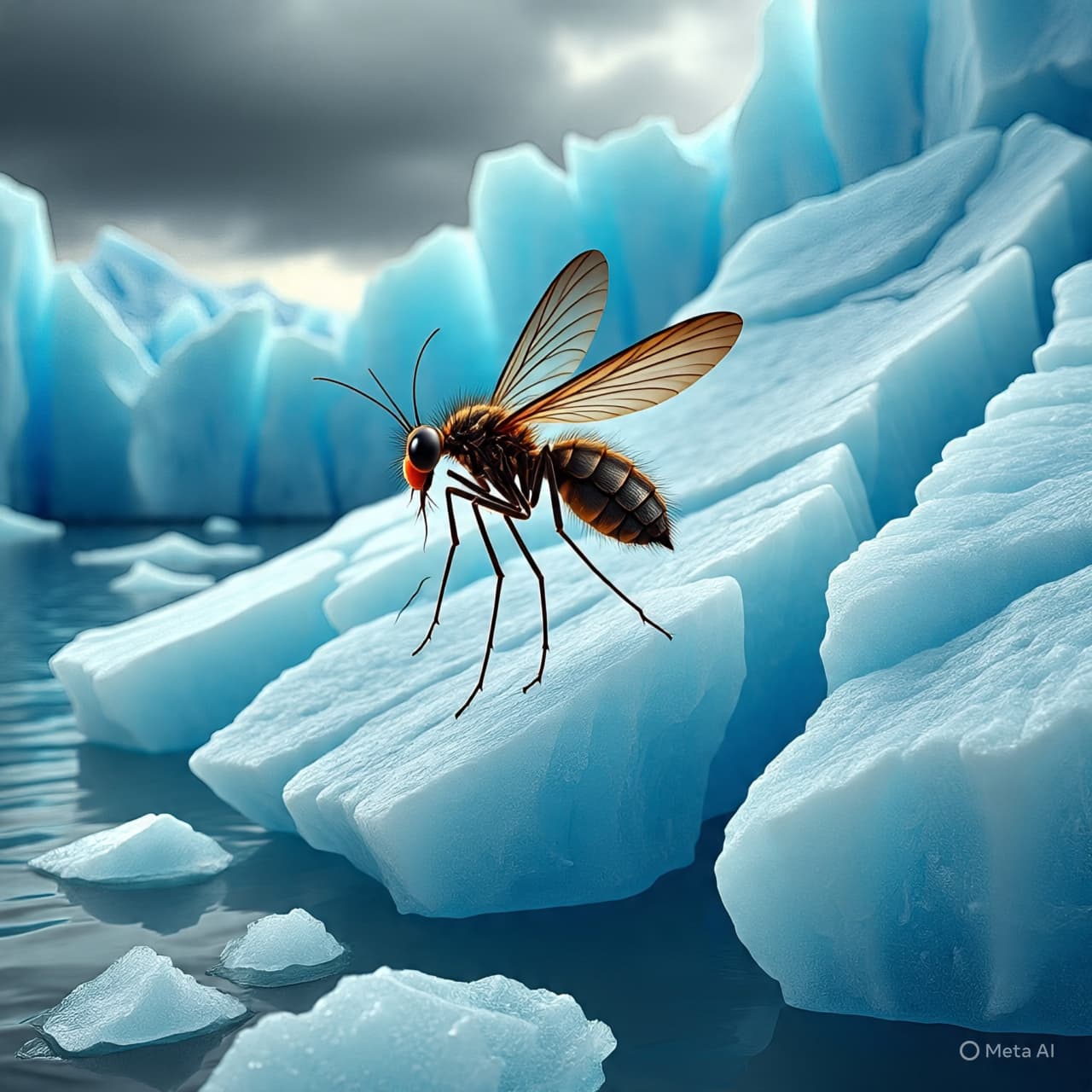
For centuries, Iceland has been celebrated for its pristine environment, characterized by ice, lava, and unpolluted air. This unique status has recently changed, as scientists have confirmed the first recorded presence of mosquitoes in the country’s history. The discovery of three mosquitoes marks a significant shift for a nation long considered one of the last refuges free from these insects.
Historically, Iceland's harsh climate, with its cold winters and unpredictable temperature fluctuations, has prevented mosquitoes from establishing a population. However, the newly identified species has demonstrated an impressive ability to withstand the cold. Researchers have observed that these mosquitoes can find refuge in basements and other warm indoor spaces, allowing them to survive through the winter months.
The arrival of mosquitoes in Iceland is not merely a matter of entomology; it serves as a stark indicator of climate change. According to scientists, Iceland's climate is warming at a rate four times faster than the Northern Hemisphere average. This rapid warming is creating conditions that may soon enable these resilient species to breed and expand their presence across the island.
While the discovery currently involves only three insects, its implications resonate deeply with Icelanders. For many, this event symbolizes the gradual and often unnoticed transformation of their landscape. It serves as a reminder that even the smallest creatures can signify broader environmental shifts and challenges.
The presence of mosquitoes in Iceland raises questions about the future of the island's unique ecosystem. As climate change continues to alter habitats and weather patterns, the potential for other non-native species to establish themselves in Iceland increases. This could have far-reaching consequences for local biodiversity and the delicate balance of the island's natural environment.
In conclusion, the arrival of mosquitoes in Iceland is a significant development that highlights the ongoing impacts of climate change. As the nation grapples with this new reality, it serves as a poignant reminder of the interconnectedness of global environmental issues and the importance of addressing climate change to protect unique ecosystems.
Published by Banx Network. This article is part of the Banx decentralized media programme, powered by the BXE token on the XRP Ledger.



