There is something almost poetic in the idea that a sea giant gliding through icy waters for two centuries might hold a whisper of our own future. The mammal known as the bowhead whale (“bowhead”) — one of nature’s grandest lifespans among mammals — invites us to wonder whether the mechanics that lengthen its life might also slow our own ageing.
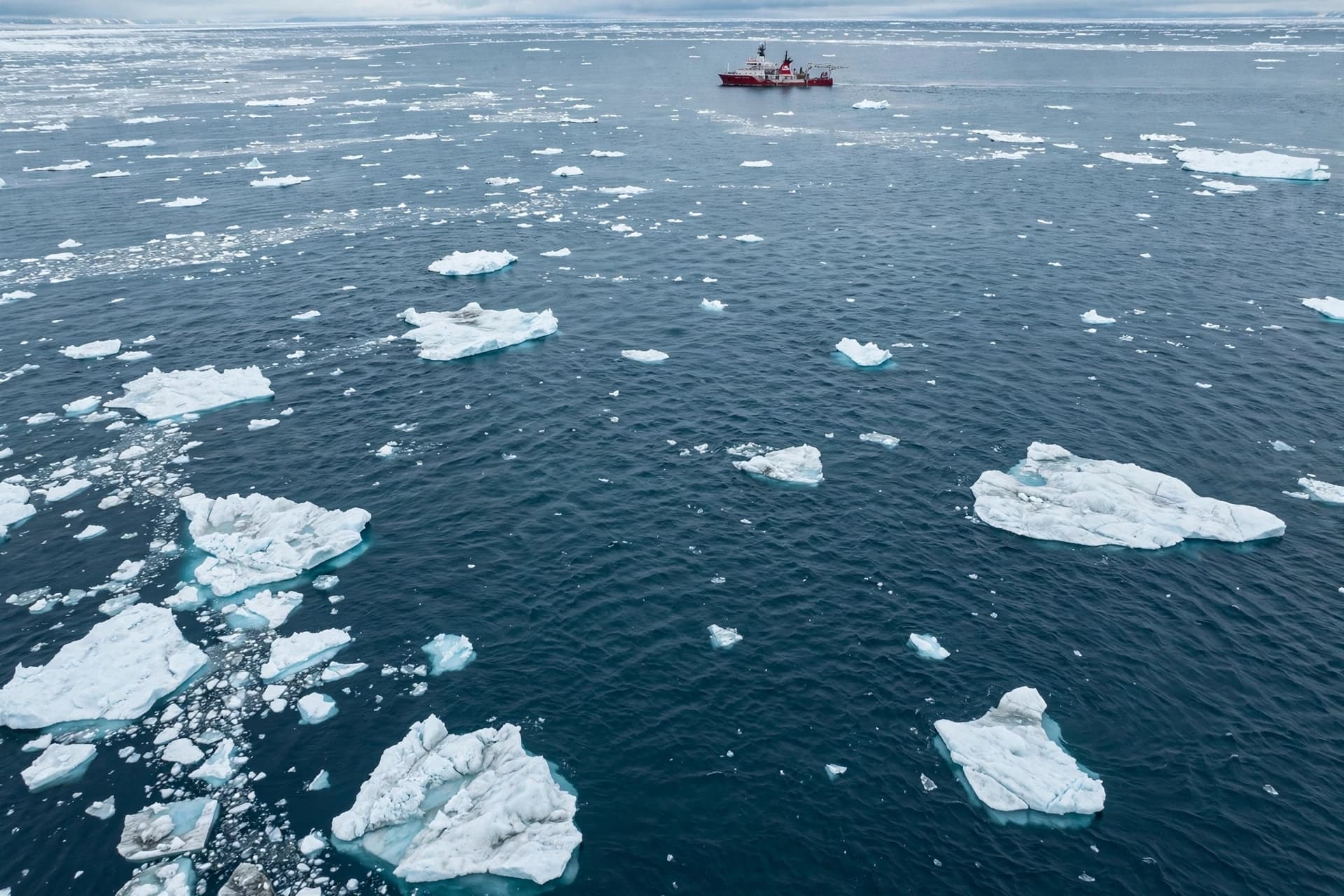
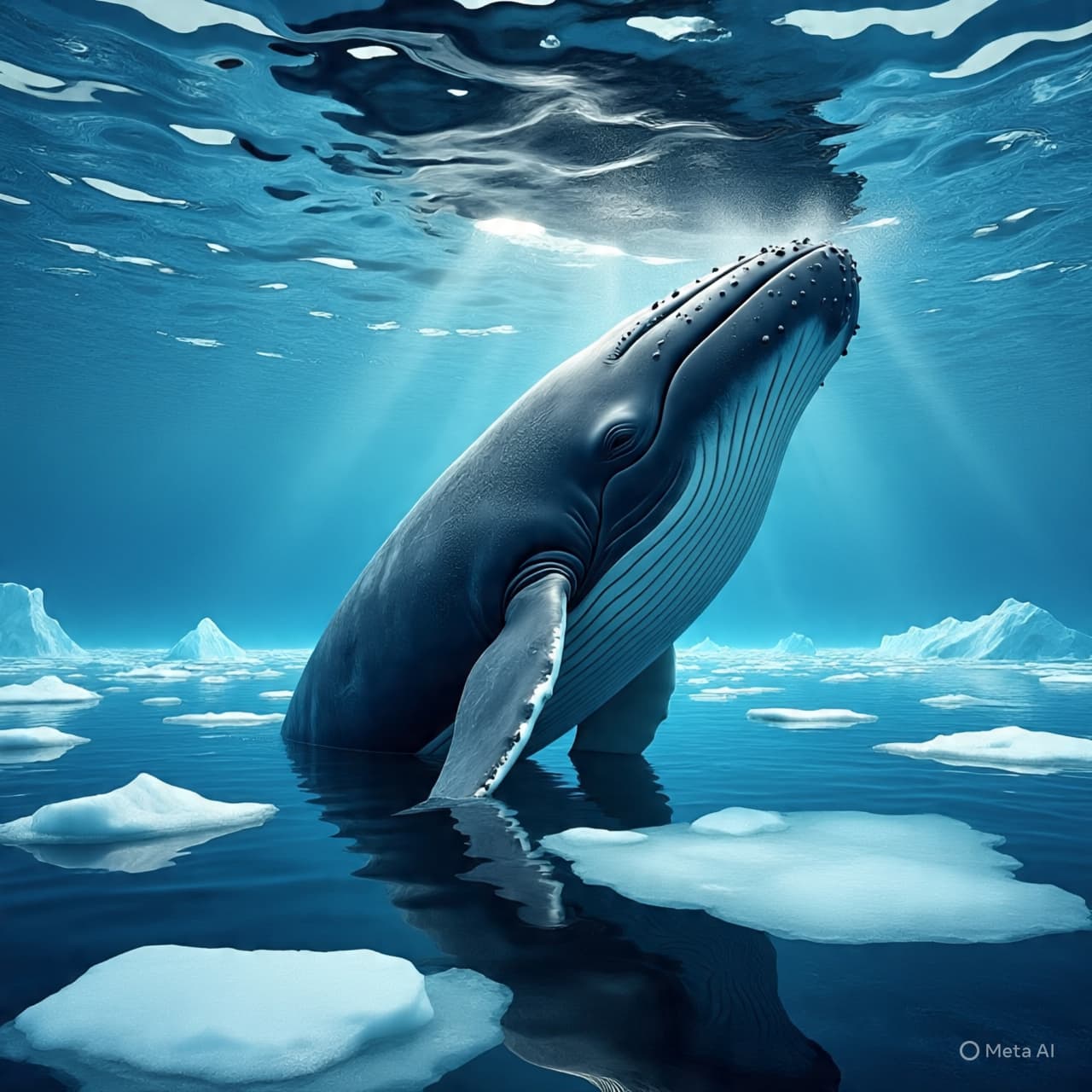
In the Arctic, this whale drifts where fewer predators tread, where slow growth and deep water cold combine. Evidence suggests individuals living well beyond 150 years and possibly reaching around 200 years. (north-slope.org) That alone gives us pause: our human lifespan, often measured in decades, seems modest by comparison.
Scientific investigations into the bowhead’s biology reveal clues. Researchers have found that these whales have exceptionally efficient DNA repair systems, especially in repairing double‐strand DNA breaks and mismatches. The reasoning: as cells accumulate damage over time, the integrity of our genome erodes; if large whales live long with less damage, perhaps the polynomial curve of ageing is flattened.
One striking piece: a protein known as CIRBP appears in much higher levels in the bowhead, possibly in response to its cold‐water environment, and seems to boost repair of DNA damage. That suggests a chain: cold environment → elevated CIRBP → improved repair → slower accumulation of cellular damage → longer life. Whether humans can ride that wave remains a question.
Still, translation into human ageing is far from simple. Humans differ in metabolism, environment, lifespan constraints, evolutionary pressures. The whale lives in a slow key: slow growth, delayed maturity, low extrinsic mortality. Our world is different. And ageing is not just genotype matter – it’s lifestyle, environment, disease burdens, and chance.
Moreover, while the bowhead’s longevity offers hope, it does not guarantee immortality, nor a blueprint that we can copy directly. The fact that its repair systems function so well is encouraging—but modifying human cells to match that will require careful work, ethical reflection, and long-term study. Some researchers caution that boosting repair might carry risks (for instance of uncontrolled cell division) unless tightly controlled.
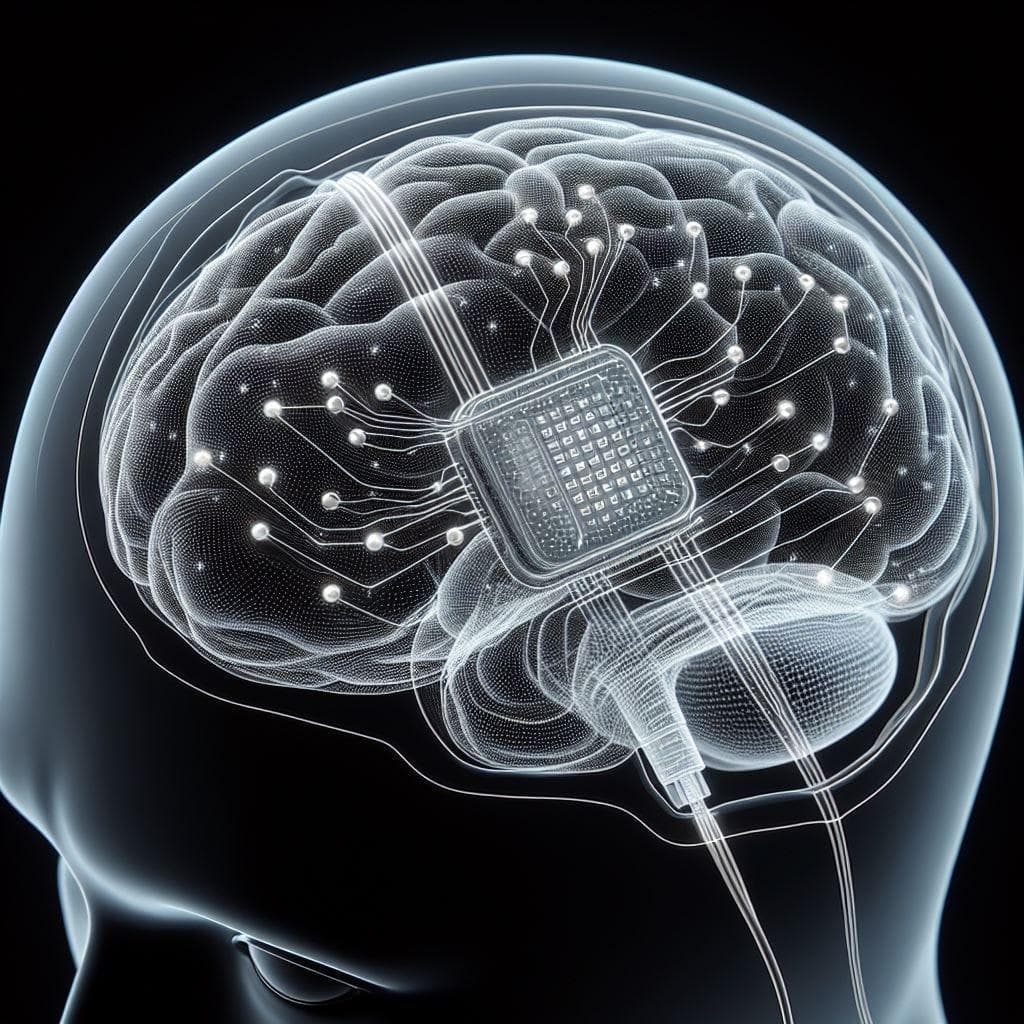
AI image disclaimer (rotating variant): “AI generated illustration – depiction for conceptual purposes only.”
Sources: Nature (via PMC) The Guardian
Published by Banx Network. This article is part of the Banx decentralized media programme, powered by the BXE token on the XRP Ledger.