
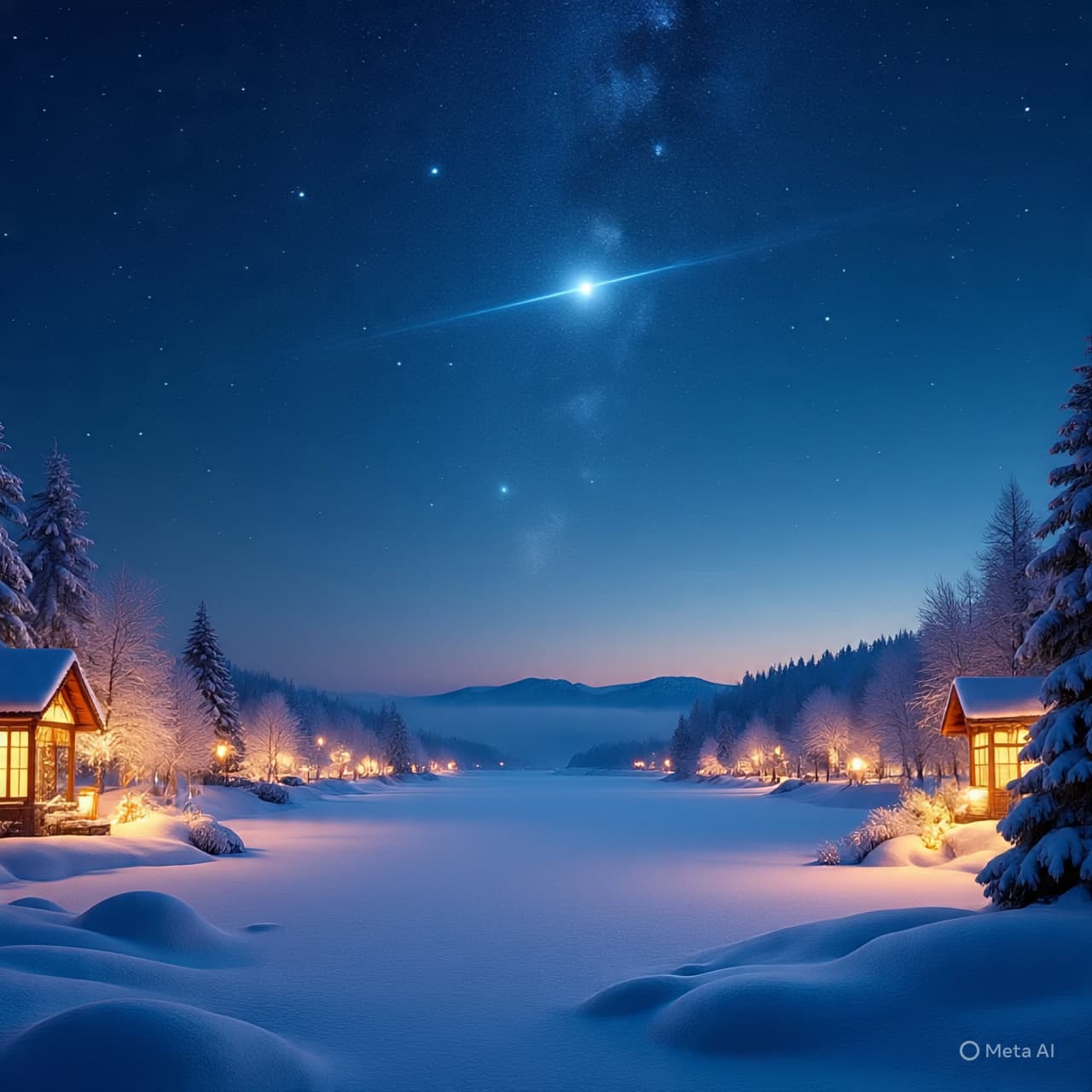
Key Highlights
- Longest Nights:December offers extended hours for stargazing.
- Orion's Dominance: The hunter constellation is prominent in the southern sky.
- Celestial Events:Jupiter, Mars, and meteor showers enhance the holiday sky.
The Christmas holidays stretch the nights and slow the calendar, creating a unique opportunity for stargazers. As homes glow with artificial light and routines soften, the sky offers its own generous display. Late December has always been a gift to those who look up, and in 2025, it presents at least ten compelling reasons to step outside and enjoy the celestial wonders.
One of the most significant advantages of this time of year is the darkness. December nights are the longest of the year, providing ample time for the sky to reveal its beauty. Stars linger longer, and constellations rise earlier, transforming casual glances into extended encounters with the cosmos.
Among the most striking features of the winter sky is Orion, which dominates the southern horizon. This iconic constellation, with its three-star belt, serves as a gateway for many stargazers. It is not only familiar and bold but also rich with nebulae that can be observed even through modest binoculars, making it an accessible target for amateur astronomers.
Nearby, the Pleiades cluster twinkles like frost caught in starlight. This compact group of stars has captivated human attention for millennia, and during winter, it appears particularly sharp and unmistakable, especially from darker holiday retreats. Its beauty is a reminder of the wonders that lie beyond our planet.
Jupiter, the largest planet in our solar system, also demands attention during this festive season. Its brilliance outshines nearly everything else in the night sky. Even a small telescope can reveal its largest moons, which appear lined up like a miniature solar system, offering a glimpse into the dynamic nature of our celestial neighborhood.
Mars, with its distinct reddish hue, adds contrast to the winter sky. Its subtle color serves as a reminder that planets are worlds in their own right. Over several nights, observers can witness its movement against the backdrop of stars, providing a slow but fascinating demonstration of celestial mechanics at work.
The Moon plays a significant role in the holiday sky as well, transitioning through various phases that create different moods. Crescent nights are ideal for deep-sky viewing, while brighter phases illuminate landscapes in a silvery glow, transforming familiar surroundings into something quietly theatrical.
For those willing to rise early, meteor activity still graces the dawn hours. Although the year’s final meteor showers may be modest, winter meteors burn brighter against the cold, clear air, making even a few sightings feel rewarding. The thrill of catching a glimpse of these fleeting celestial events adds to the magic of the season.
Beyond Orion, winter constellations such as Taurus, Gemini, and Auriga come into focus, forming a bright arc overhead. The stars appear closer and sharper than at any other time of year, inviting observers to explore the night sky further.
There is also a rare pleasure in the stillness of holiday mornings and late nights. With fewer cars and distractions, the sky benefits from this calm, enhancing the experience for those who take the time to look up. The tranquility of these moments allows for a deeper connection with the cosmos.
Finally, there is a sense of tradition in stargazing during the holidays. Looking up connects modern observers with ancient practices, as humans have gazed at these same skies for centuries, measuring seasons and telling stories. This timeless connection adds a layer of meaning to the experience.
The Christmas sky of 2025 may not present a single grand spectacle, but it offers a series of small, patient moments—ten of them, at least—waiting quietly for anyone ready to notice. All that is required is a few minutes outside, a pause between celebrations, and the willingness to tilt your head back and embrace the wonders above.
Published by Banx Network. This article is part of the Banx decentralized media programme, powered by the BXE token on the XRP Ledger.



