Beneath Ice and Pressure, an Ancient Eye Holds Its Shape
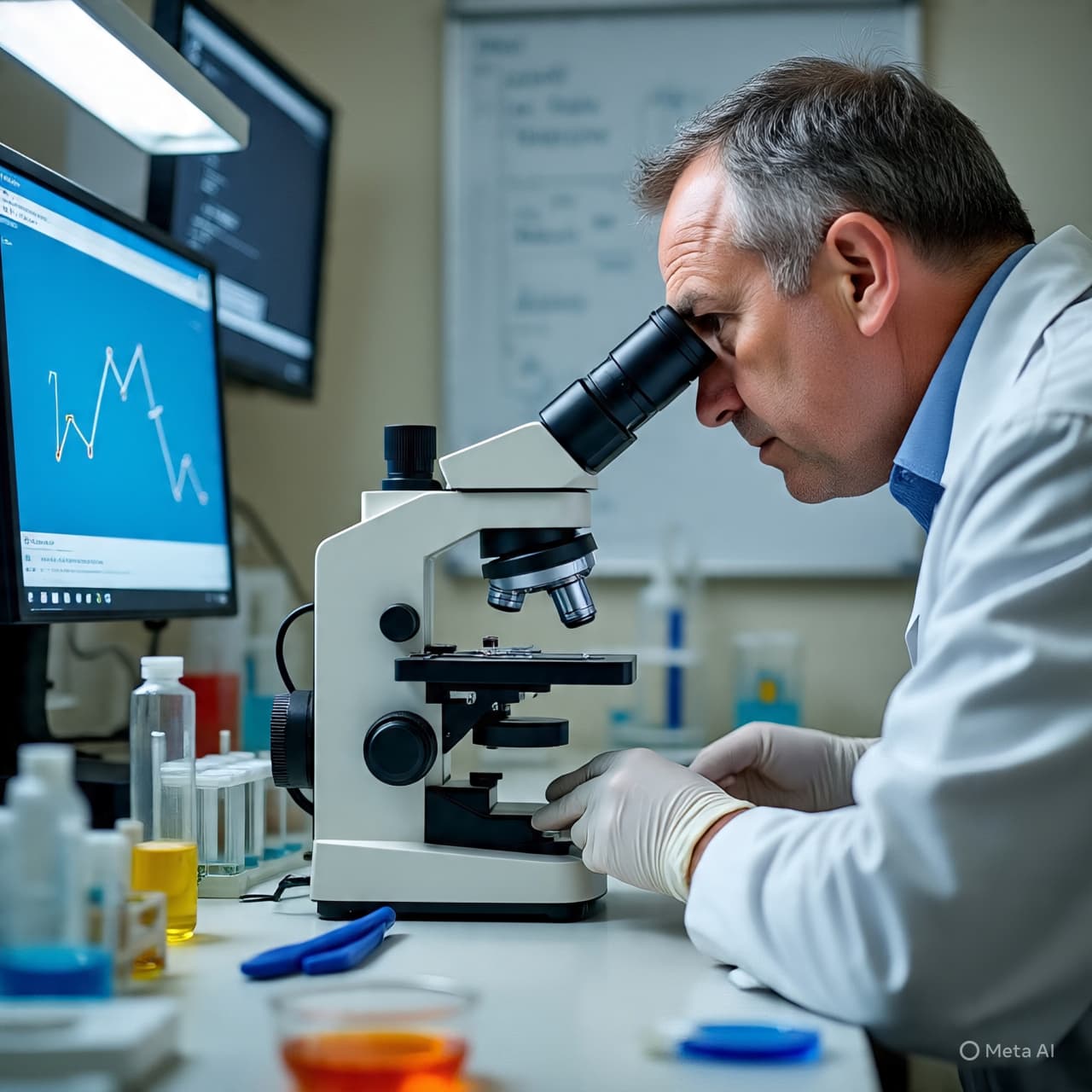
Studies of Greenland shark eye lenses show proteins that resist aging for centuries, offering clues that could help delay or prevent human vision loss.

Studies of Greenland shark eye lenses show proteins that resist aging for centuries, offering clues that could help delay or prevent human vision loss.
Webb observations show an early-universe analog producing large amounts of dust far earlier than expected, challenging timelines for chemical complexity in young galaxies.
Hubble has spotted a faint wake near Betelgeuse, revealing evidence of a hidden companion star shaping the supergiant’s surrounding material.

A new study suggests Europa’s subsurface ocean may lack the chemical exchange needed for life, cooling earlier optimism while leaving key questions open.

Hubble has observed a rare, puzzling cosmic object that does not fit known categories, exciting astronomers and prompting new questions about how the universe evolves.

Canadian researchers are excited by the discovery of hot gas between galaxies, which may solve the universe’s missing matter problem and reveal how galaxies evolve.

UPLB scientists and museum curators have described a new palm species endemic to Samar, underscoring ongoing biodiversity discoveries in the Philippines and the urgency to conserve natural habitats.

Astronomers using Hubble have confirmed Cloud‑9, a starless, gas‑rich dark matter cloud — a relic of early galaxy formation that offers new insights into cosmic evolution and dark matter.

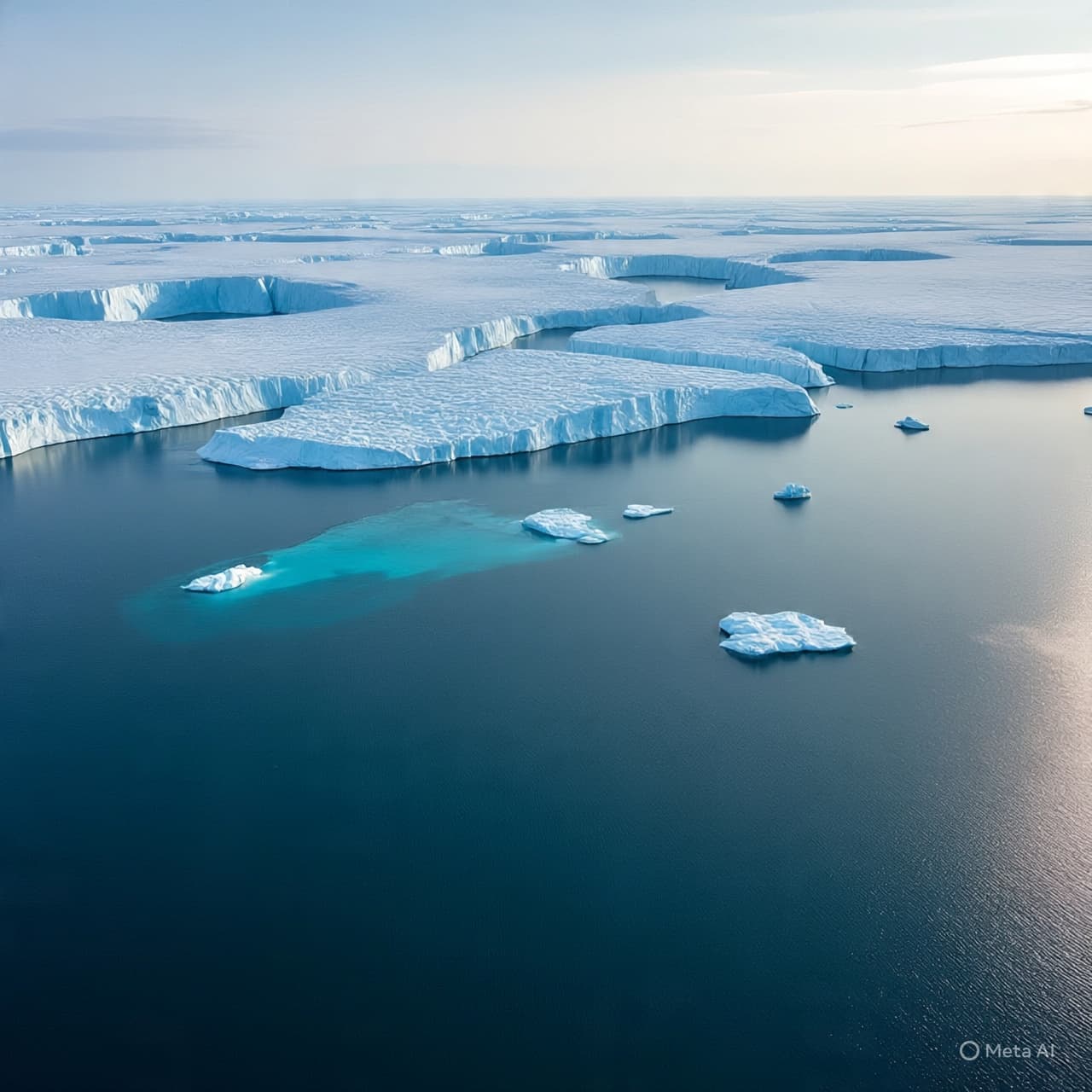
Ancient geological and ice records, from Greenland to sea caves, reveal past sea levels under warmer climates, offering crucial insights into what future sea-level rise might hold.

New research suggests energy-related activity surrounding cells may contribute to biological function more than once believed.

The first supermoon of 2026, the Wolf Moon, lit winter skies with silvery brilliance, blending celestial wonder with quiet reflection on the rhythms of nature.

Researchers warn that a deadly drug-resistant infection is spreading in the U.S. as antibiotic resistance increases.

SpaceX launched its first Starlink mission of 2026, sending 29 satellites into low Earth orbit on a new Falcon 9 booster from Cape Canaveral, advancing its expanding internet constellation.

Hundreds of previously unknown glacial earthquakes, caused by large icebergs breaking and capsizing, have been detected near Antarctica’s Thwaites “Doomsday” Glacier.

Scientists are debating whether a powerful space explosion during the Ice Age triggered fires, climate shifts, and the extinction of mammoths and disruption of early human societies.

Scientists created a long-lived dipolar Bose-Einstein condensate lasting two seconds, opening new paths to probe exotic quantum phases and matter behavior.

The first full moon of 2026 the Wolf Supermoon rose across global skies on January 3, appearing larger and brighter and captivating observers worldwide.

SpaceX launched its first Starlink mission of 2026 on a brand-new Falcon 9, deploying 29 satellites to orbit and expanding global internet coverage while advancing efforts for safer orbital practices.

Astronomers have for the first time measured both the mass and distance of a rogue (free-floating) planet about 10,000 light-years away using gravitational microlensing.

Quantum entanglement, dubbed "spooky action at a distance" by Einstein, links particles so one instantly affects the other regardless of distance. Recent CERN and MIT experiments entangled photons over 1,200 km with 99% accuracy, advancing quantum networks for unhackable encryption. Challenges like decoherence are being tackled with error correction and cooling. Future applications include ultra-fast computing, drug discovery, and a quantum internet by 2030.

Scientists project that extreme rainfall will become significantly more intense and frequent worldwide by the end of the 21st century.

New geological research reveals faults in Turkey and off the Pacific Northwest aren’t just sliding — they’re opening and extending the crust, challenging long-held models of fault motion.

As evidence grows around psychedelic therapy, the NHS faces a complex debate over whether treatments like psilocybin belong in modern mental healthcare.

Scientists have sequenced genomes from 7,000‑year‑old mummies in the Sahara, revealing a previously unknown human lineage that reshapes understanding of early African populations.