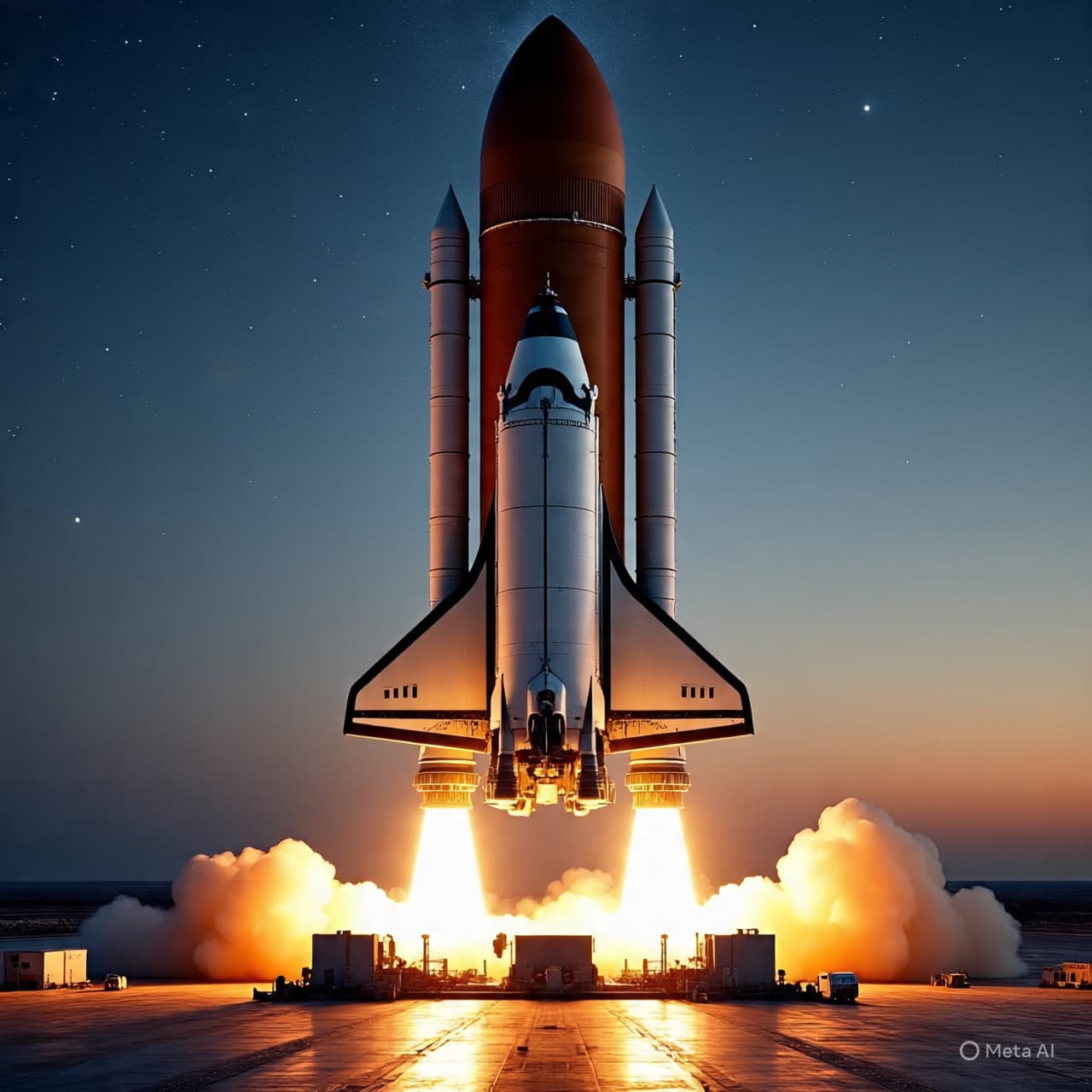
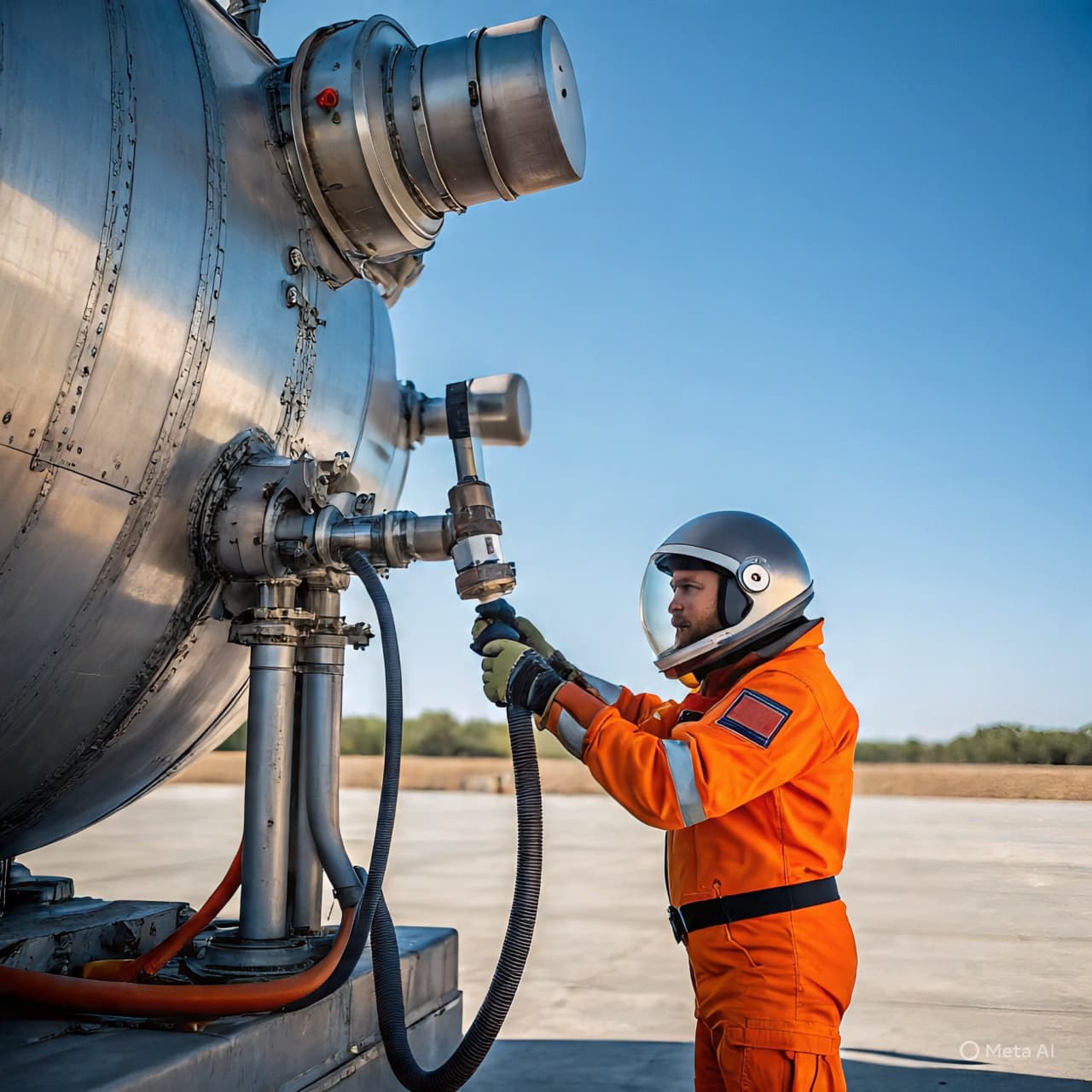
When Hydrogen Whispers Halt Giants: NASA’s Moon Rocket Countdown Begins Again
NASA restarted the countdown for its Moon rocket after fixing hydrogen leaks, clearing a key hurdle for the Artemis program’s next lunar mission.

NASA restarted the countdown for its Moon rocket after fixing hydrogen leaks, clearing a key hurdle for the Artemis program’s next lunar mission.

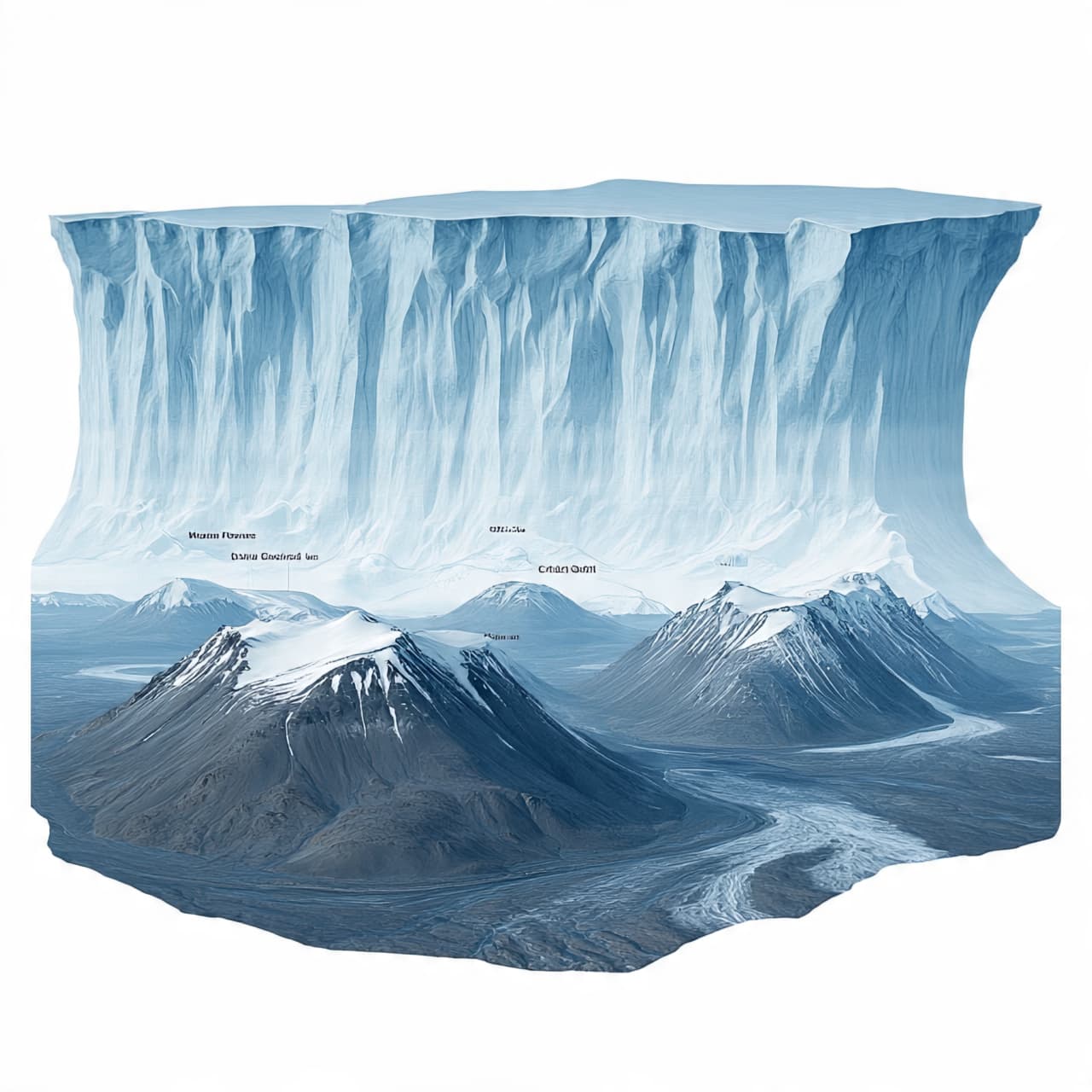
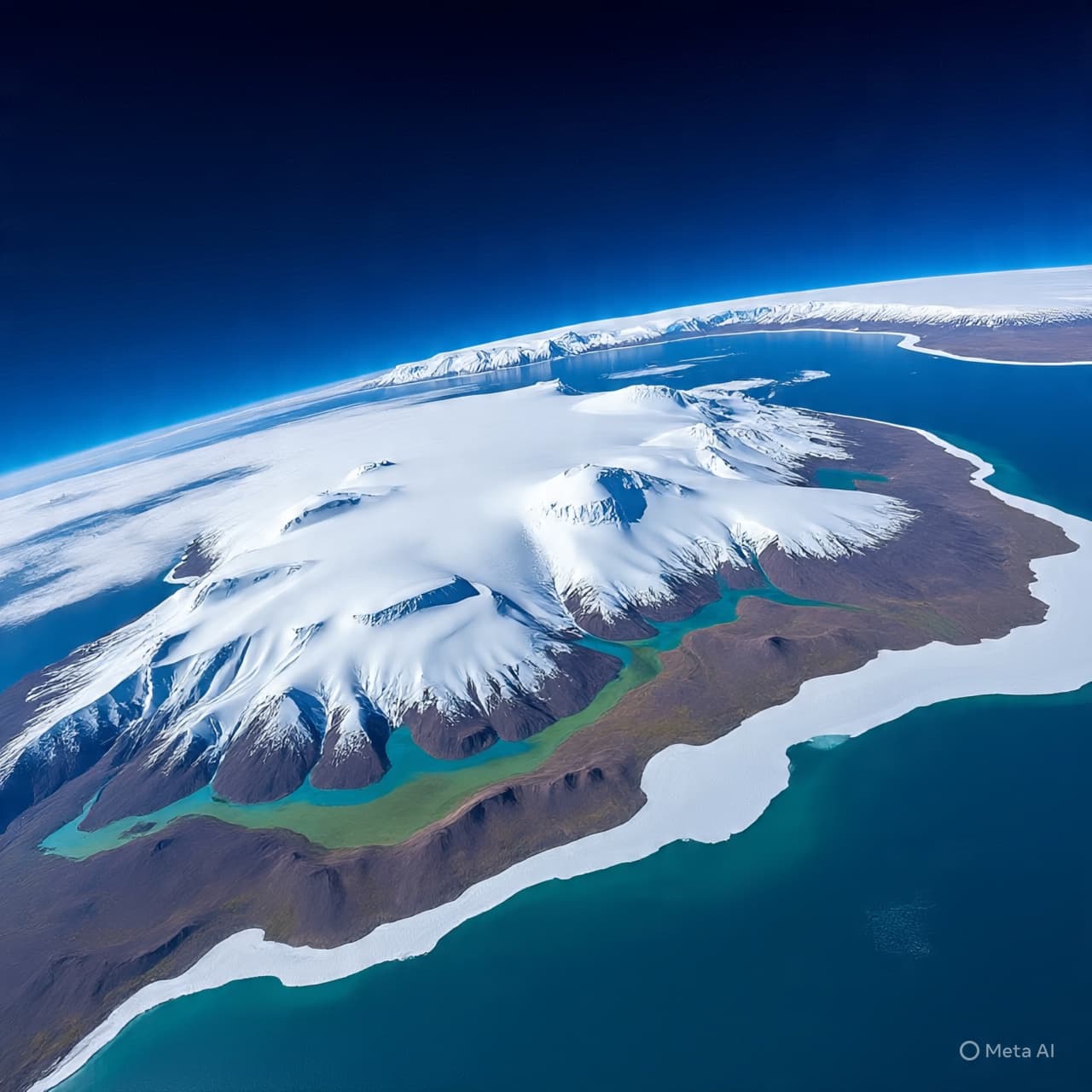
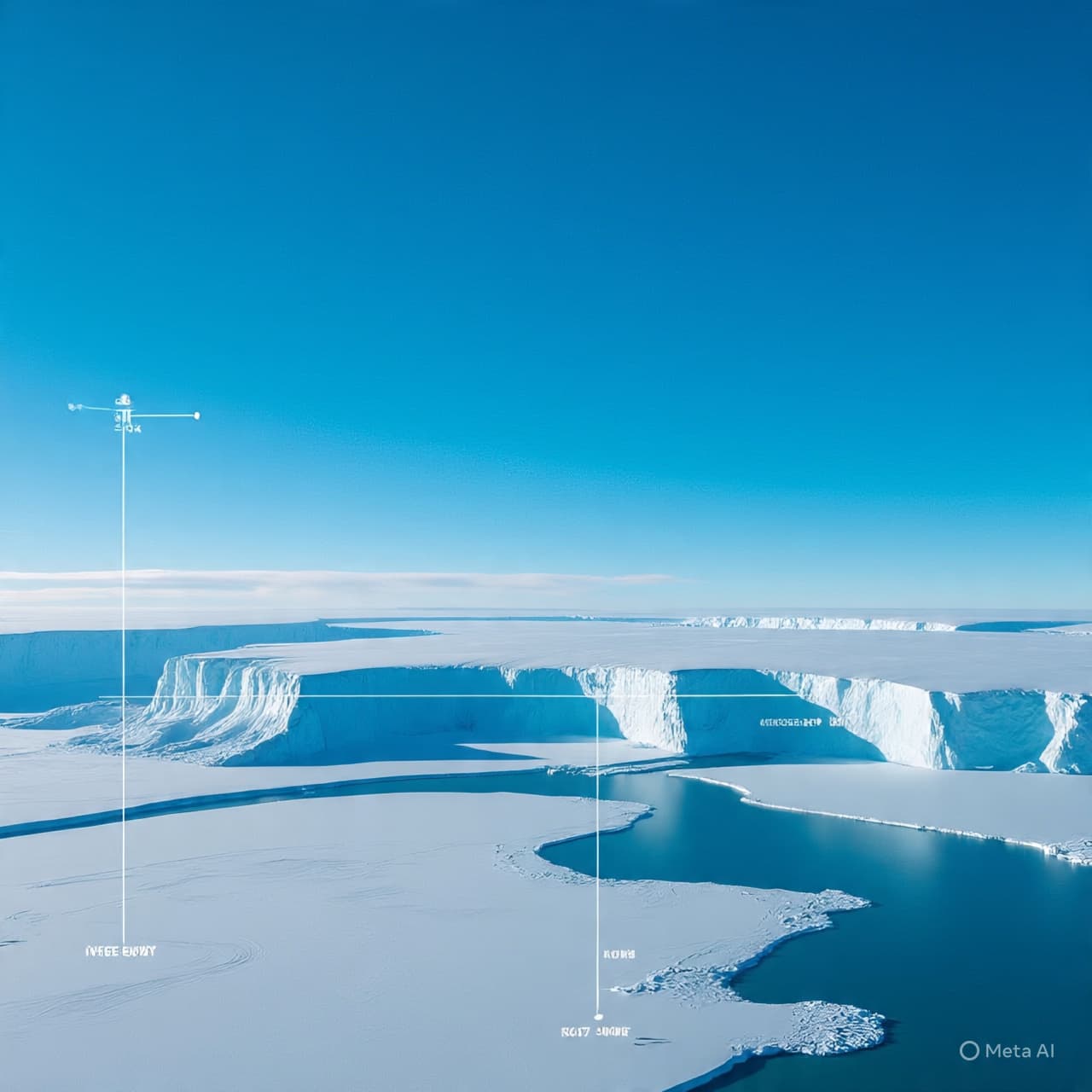
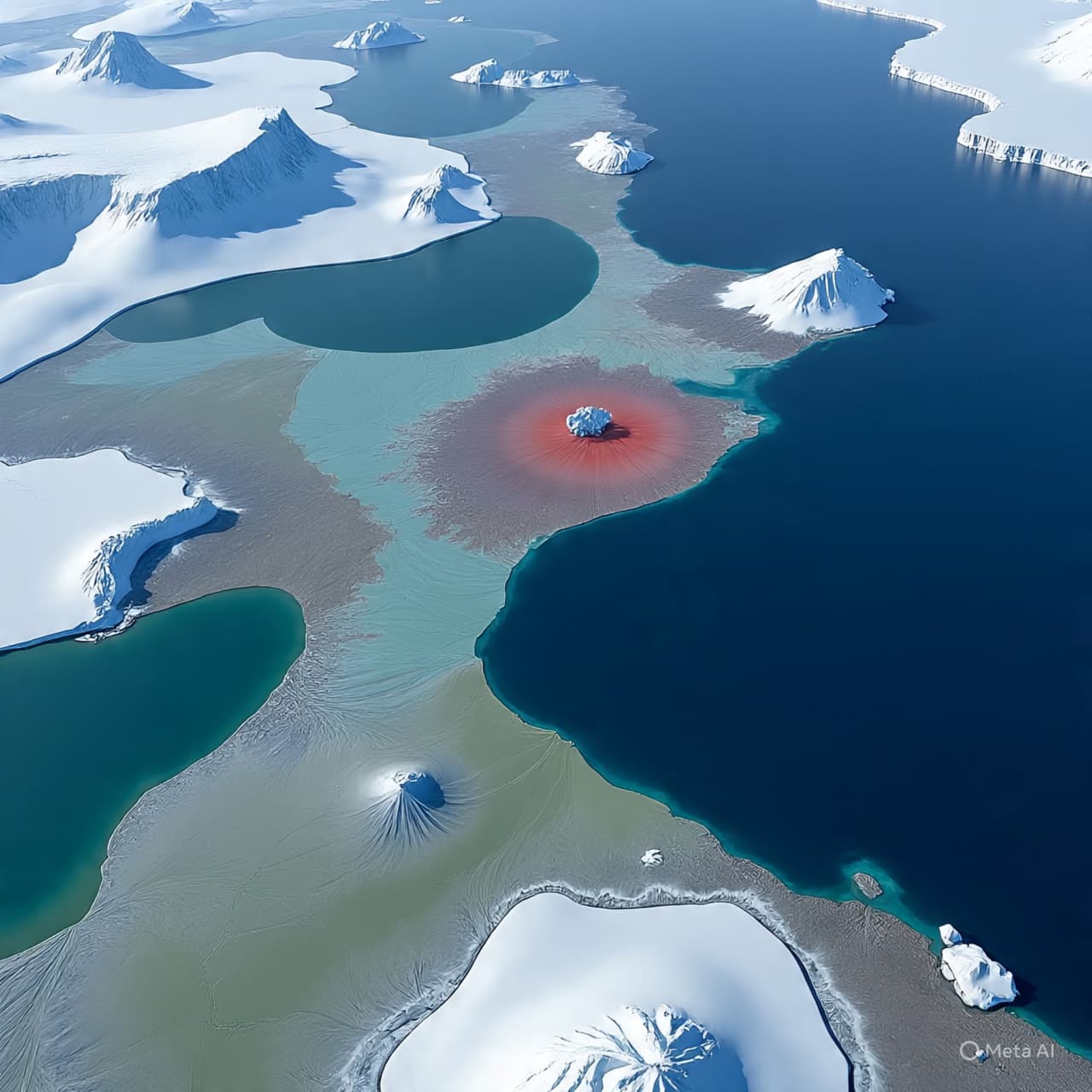
Scientists mapped more than 30,000 hidden hills beneath Antarctica’s ice, reshaping understanding of glacier movement and improving climate and sea-level projections.

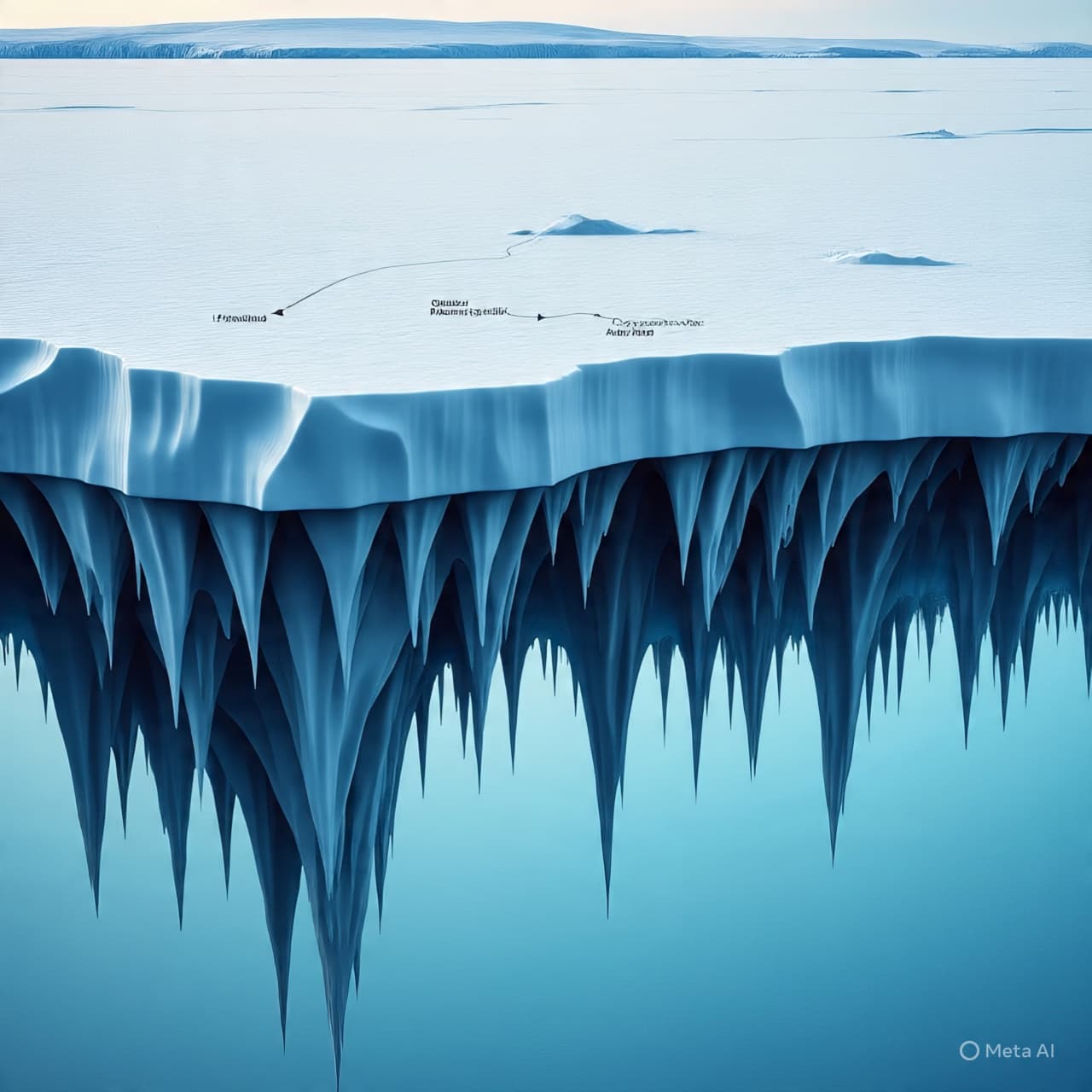
Scientists have identified thermal convection within Greenland’s ice sheet, explaining mysterious interior plumes and offering fresh insights into ice dynamics under a warming climate.

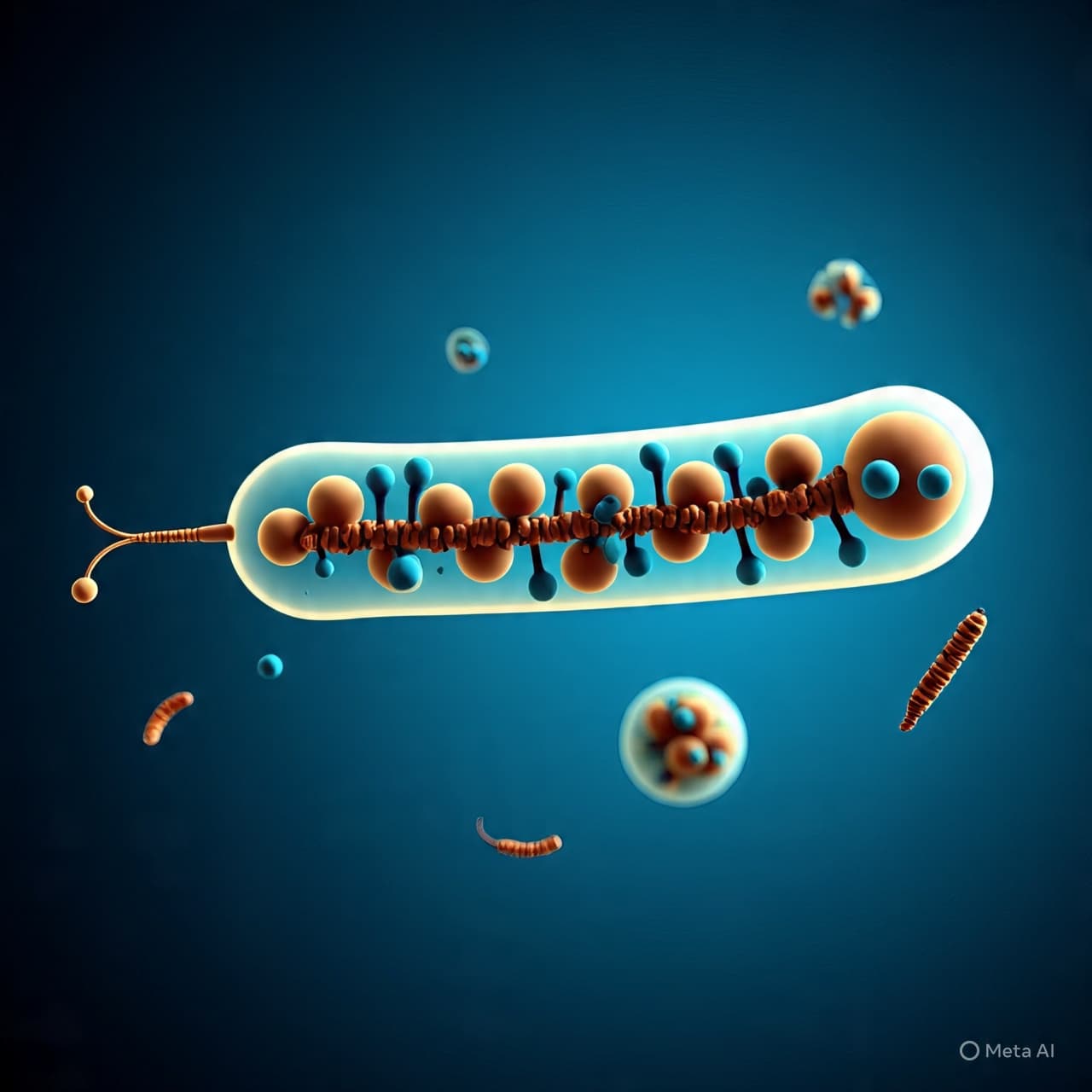
Researchers used single-cell magnetometry to confirm that magnetotactic bacteria align precisely with Earth’s magnetic field, validating long-standing models of their internal compass.

A new study finds snake cannibalism occurs opportunistically, especially in resource-limited environments, highlighting behavioral flexibility in reptile survival strategies.

Satellite data show Antarctica’s gravity anomaly is strengthening, likely linked to shifting ice mass and deep geological structures beneath the continent.

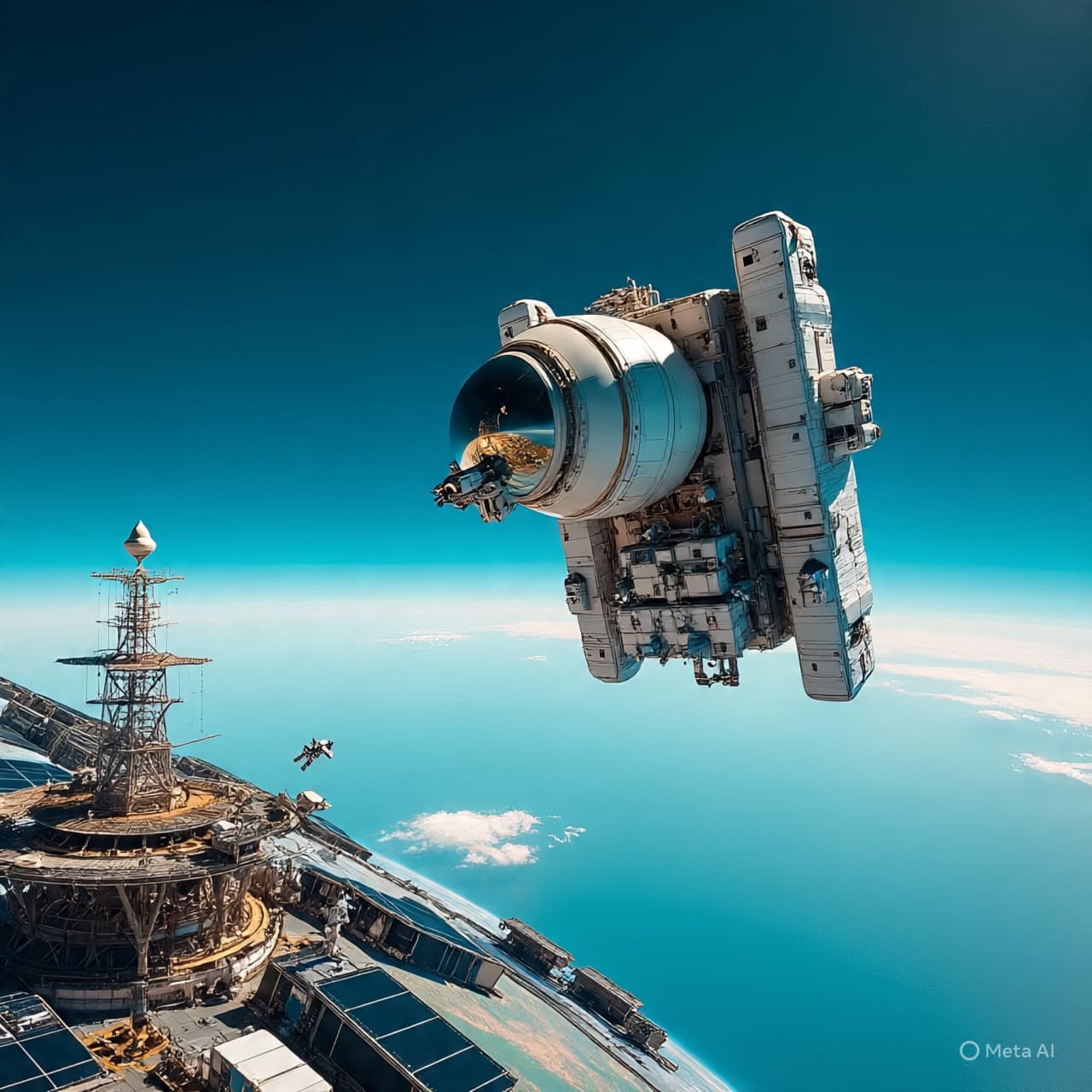
Four astronauts have arrived at the International Space Station to begin a months-long science expedition focused on microgravity research and international collaboration.

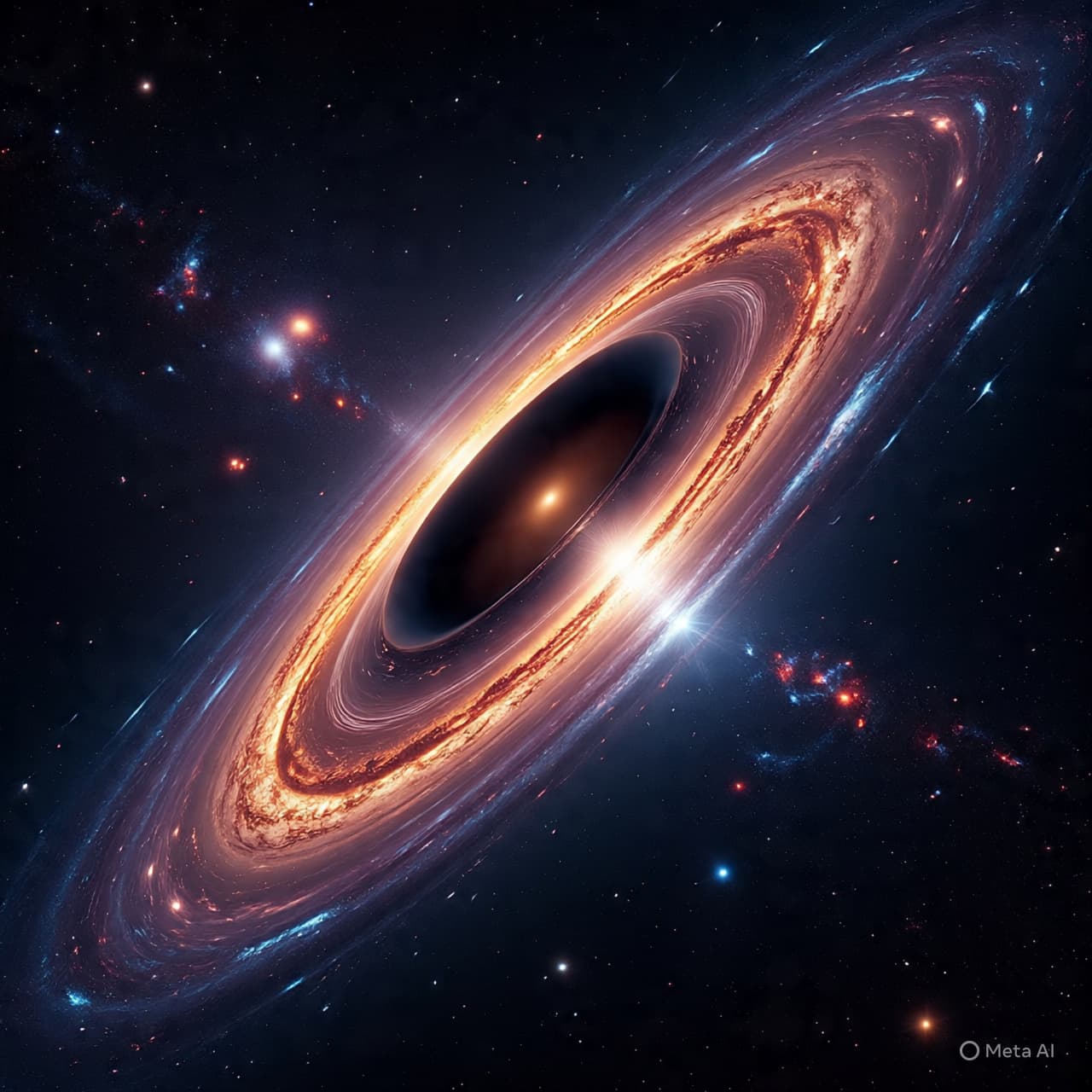
Astronomers observed a tidal disruption event that may reveal an intermediate-mass “missing link” black hole consuming a star, narrowing a long-standing cosmic mystery.

New research shows supermassive black holes can slow star formation in nearby galaxies by heating and expelling gas, acting as cosmic regulators rather than mere destroyers.

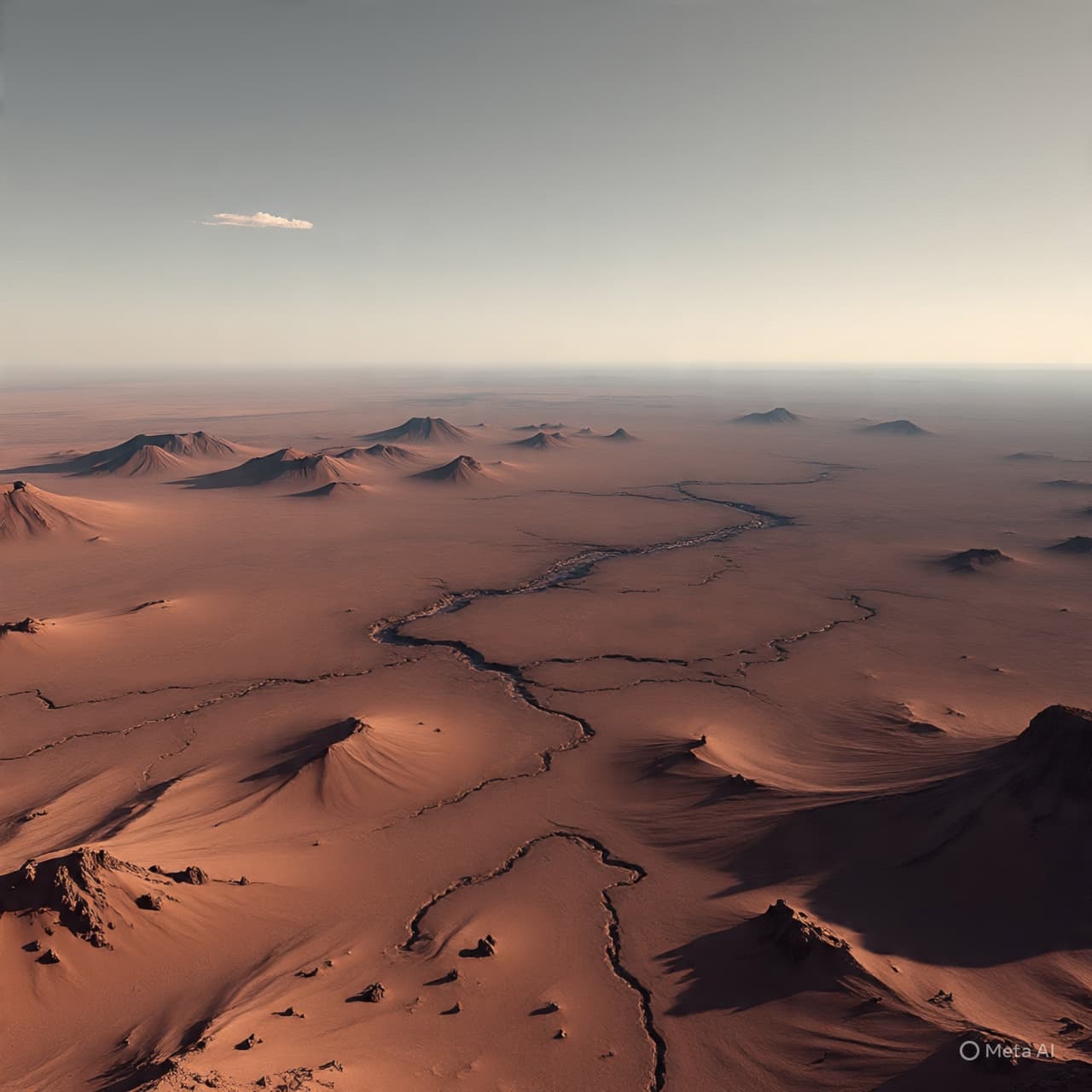
New research suggests some Martian volcanoes may hide ancient glacier ice beneath layers of volcanic ash and debris, offering fresh insights into the planet’s water history.

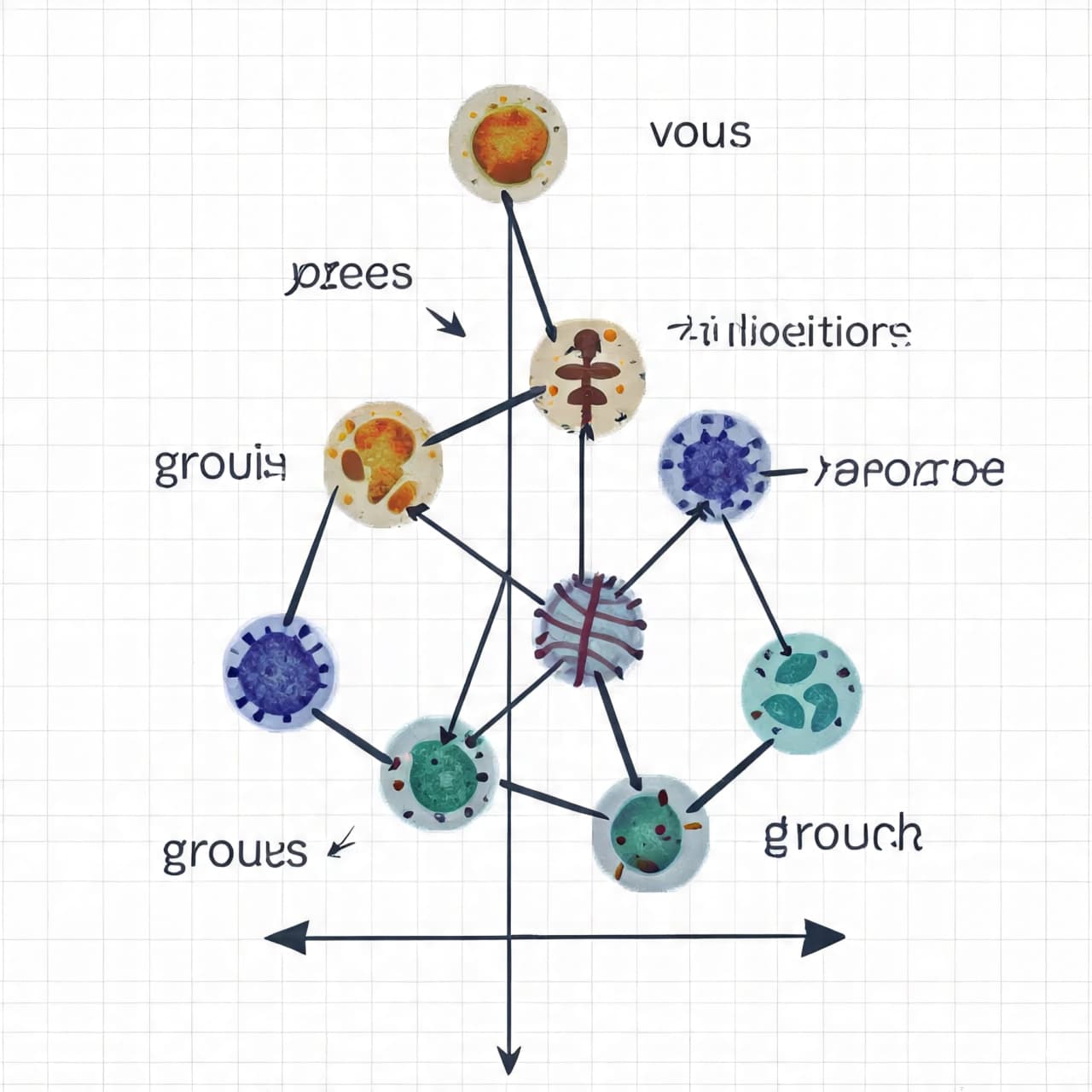
Review of scientific studies shows natural selection can operate simultaneously at multiple biological levels, from genes and cells to individuals, groups, and communities.

Research suggests ultra-endurance running may increase red blood cell breakdown and oxidative stress, raising questions about temporary aging effects from extreme exertion.

Scientists observe a strengthening gravity anomaly in Antarctica linked to ice loss, crust rebound, and deep Earth structures, offering new insight into climate and geology.

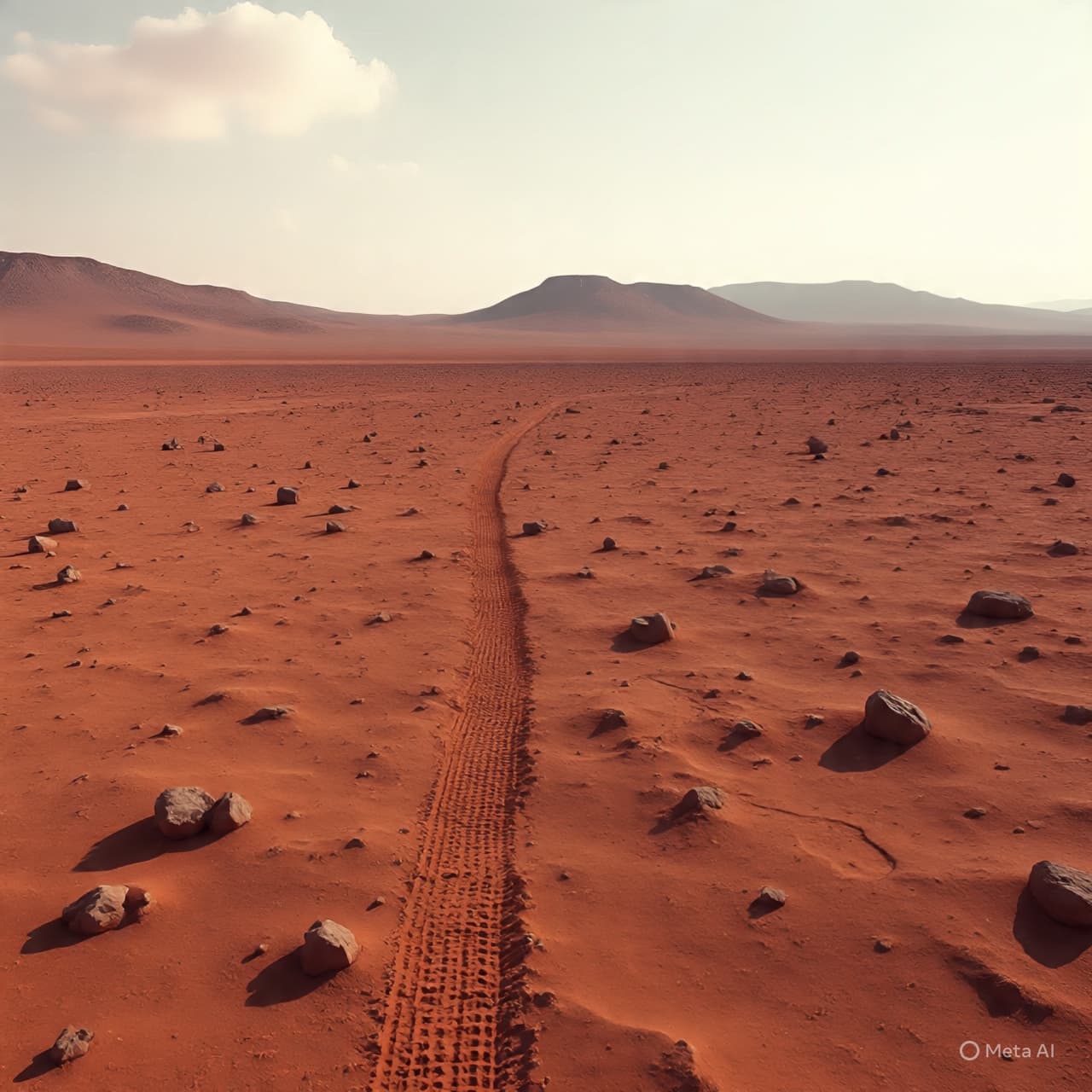
New research suggests Mars’ toxic soil could help create stronger bricks, offering potential construction solutions for future human missions to the Red Planet.

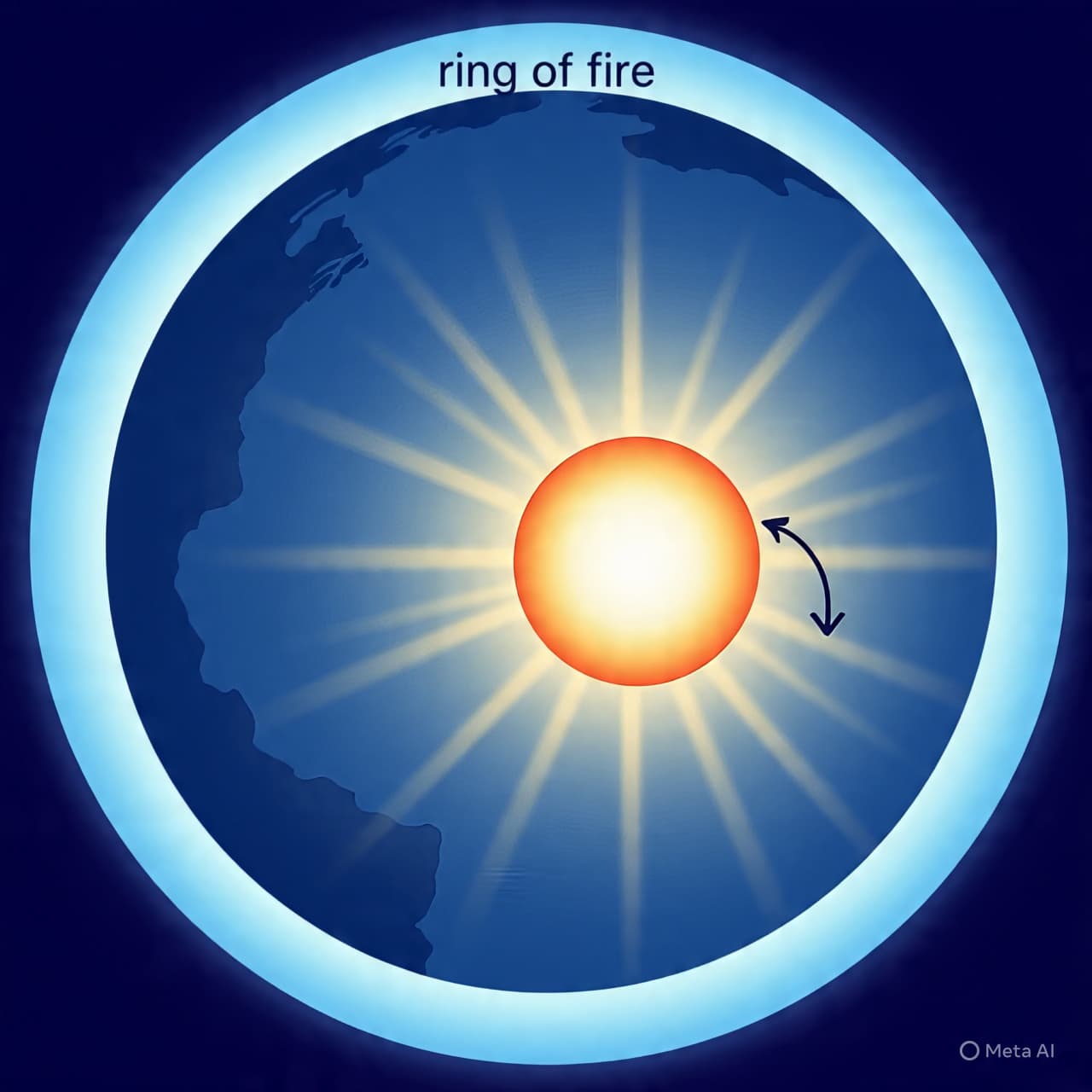
On February 17–18, 2026, a rare annular solar eclipse produced a stunning “Ring of Fire” as the Moon passed between Earth and the Sun, creating a glowing solar halo visible from remote parts of Antarctica, with partial views in southern Africa and South America.

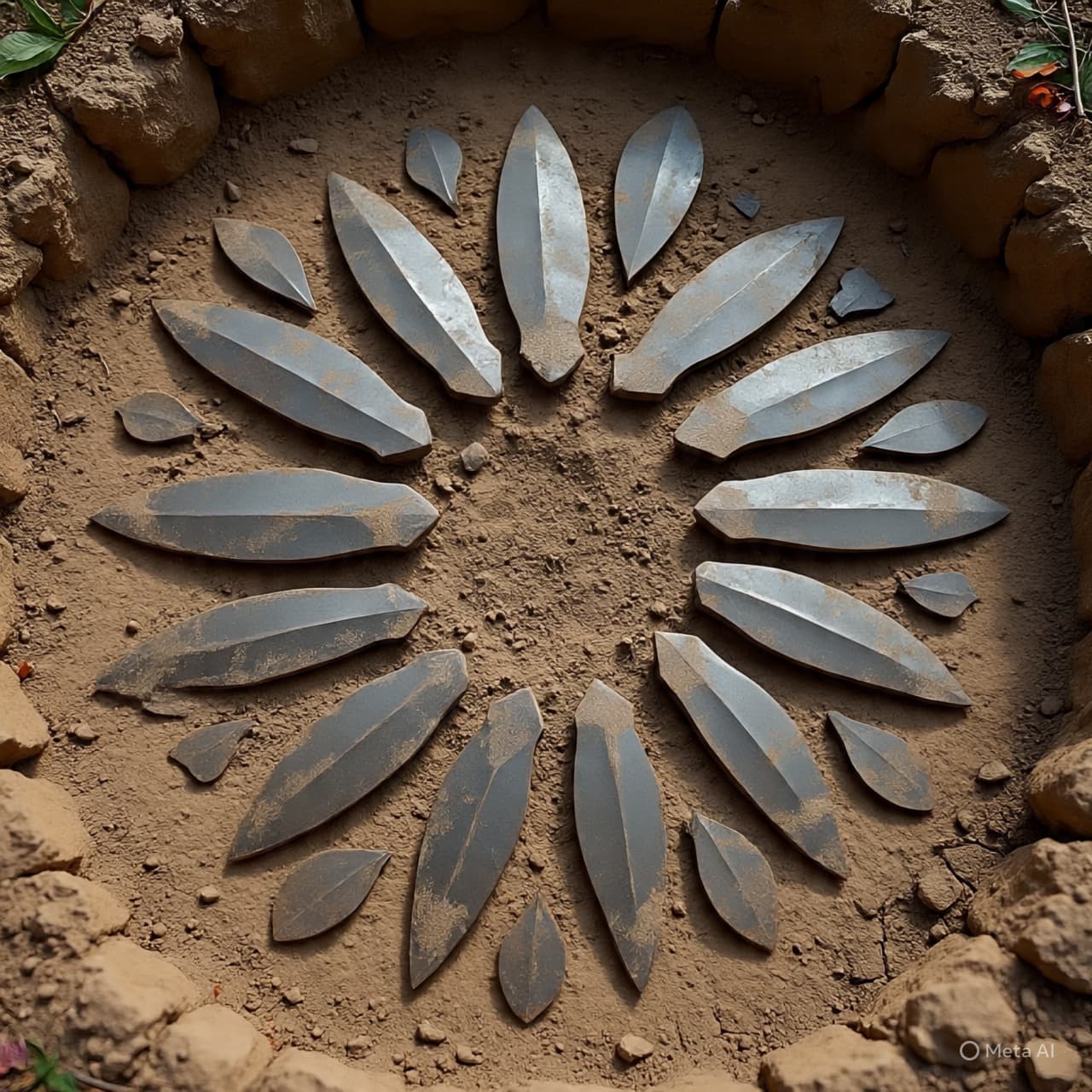
At Milovice IV in the Czech Republic, archaeologists have uncovered a rare 30,000‑year‑old stone toolkit likely belonging to a single Ice Age hunter‑gatherer, offering new insights into individual behavior, mobility, and survival strategies during the Gravettian period.

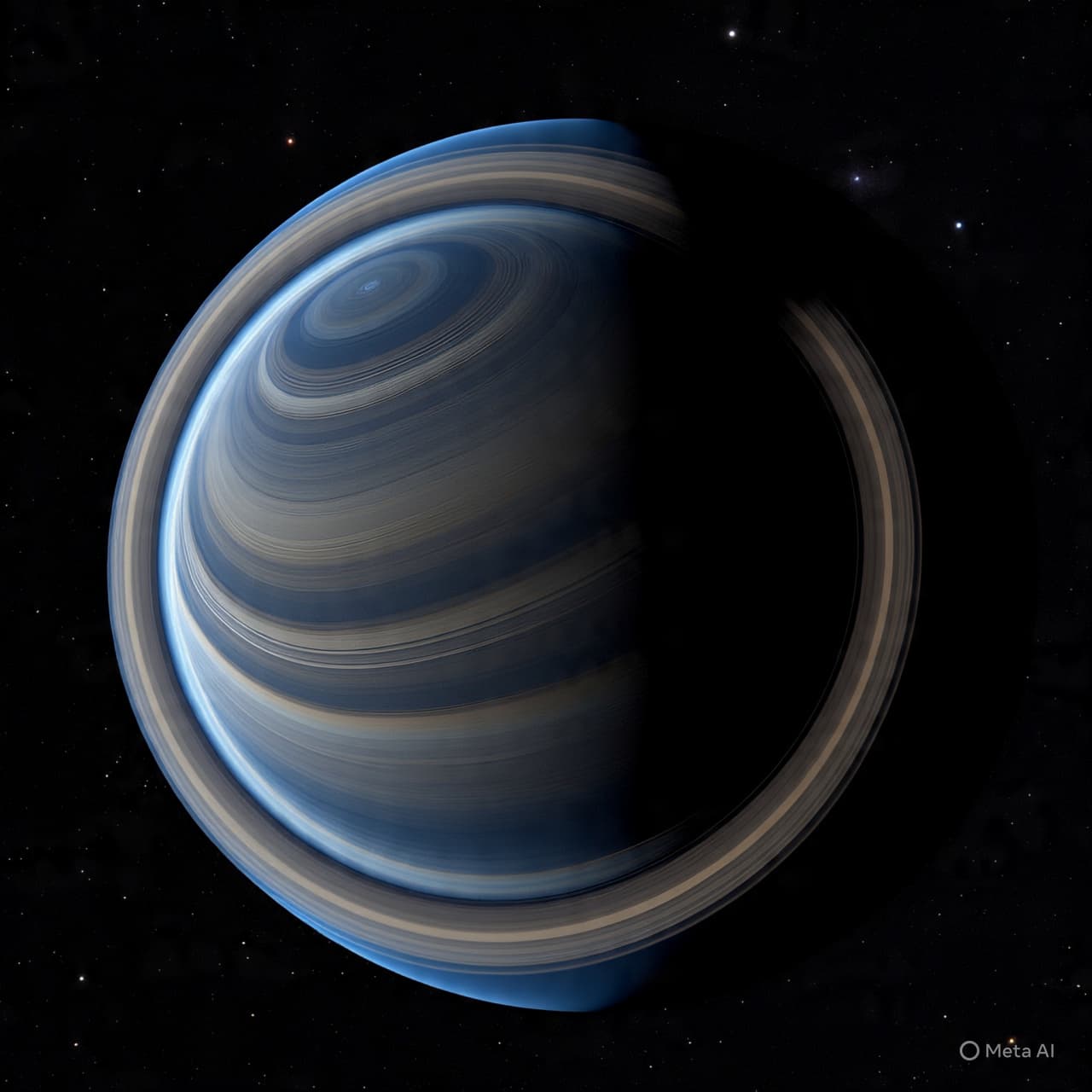
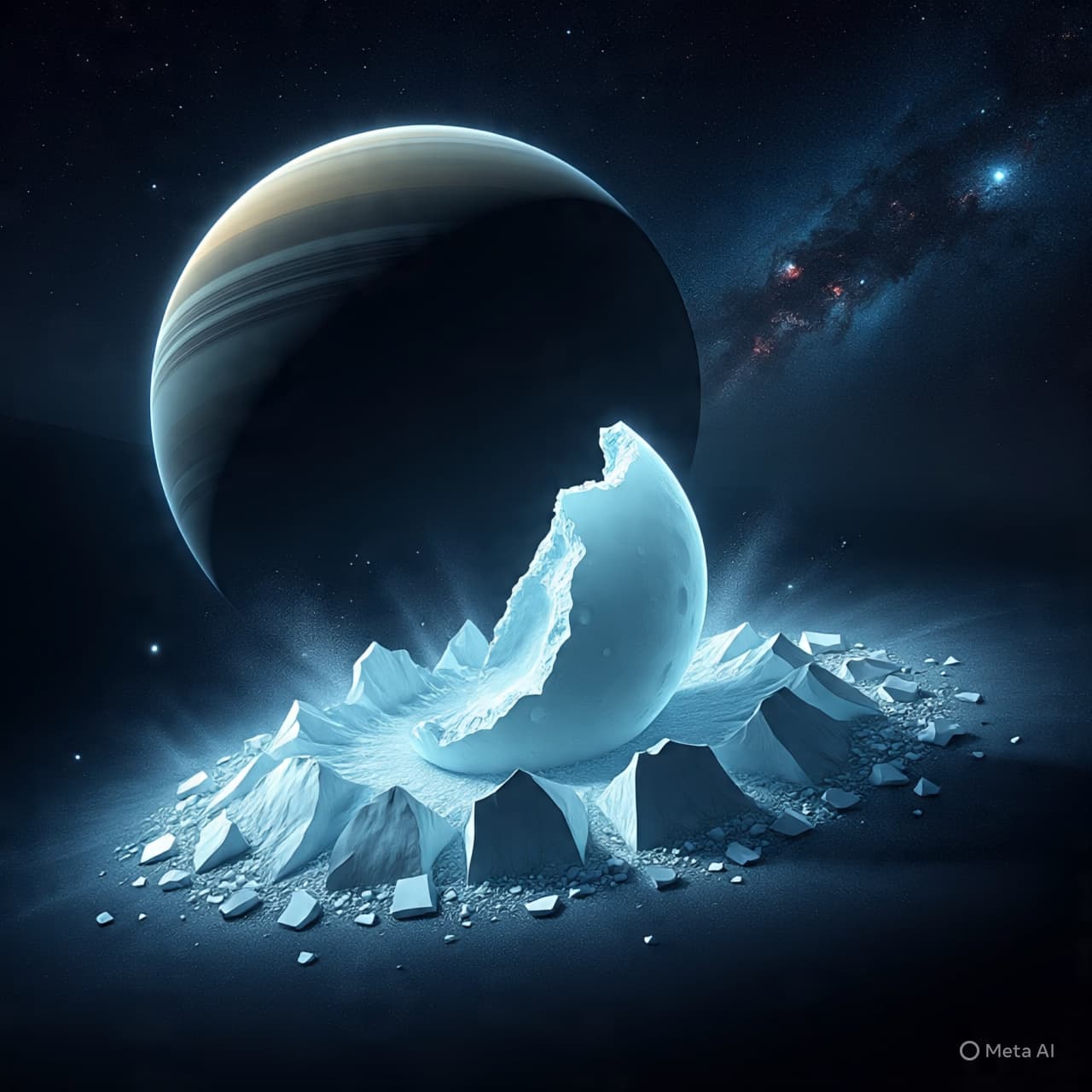
Researchers propose an ancient moon merger may have formed Titan, with leftover debris eventually shaping Saturn’s rings, offering new insight into the planet’s evolution.

Scientific models suggest that Saturn’s rings may have formed from ice and debris created by a massive collision between icy moons, scattering material into orbit within the Roche limit and producing the luminous rings we observe today.

From coastal marshes and wetlands to mountain parks and inland refuges, Washington offers four standout wild animal hotspots where diverse mammals, birds, and marine life can be observed in their natural habitats.

New research suggests that while the Cascadia subduction zone remains a long‑term threat, shallow local faults in the Seattle Fault Zone — directly beneath the city — may pose a more immediate danger, capable of causing intense shaking and damage to urban infrastructure. ([turn0news0]; [turn0news1])

Scientists have reconstructed how Antarctica’s gravity depression — the Antarctic Geoid Low — has strengthened over tens of millions of years, coinciding with major climate shifts and glaciation, highlighting deep‑Earth processes that shape gravitational patterns and possibly influence ocean surfaces.

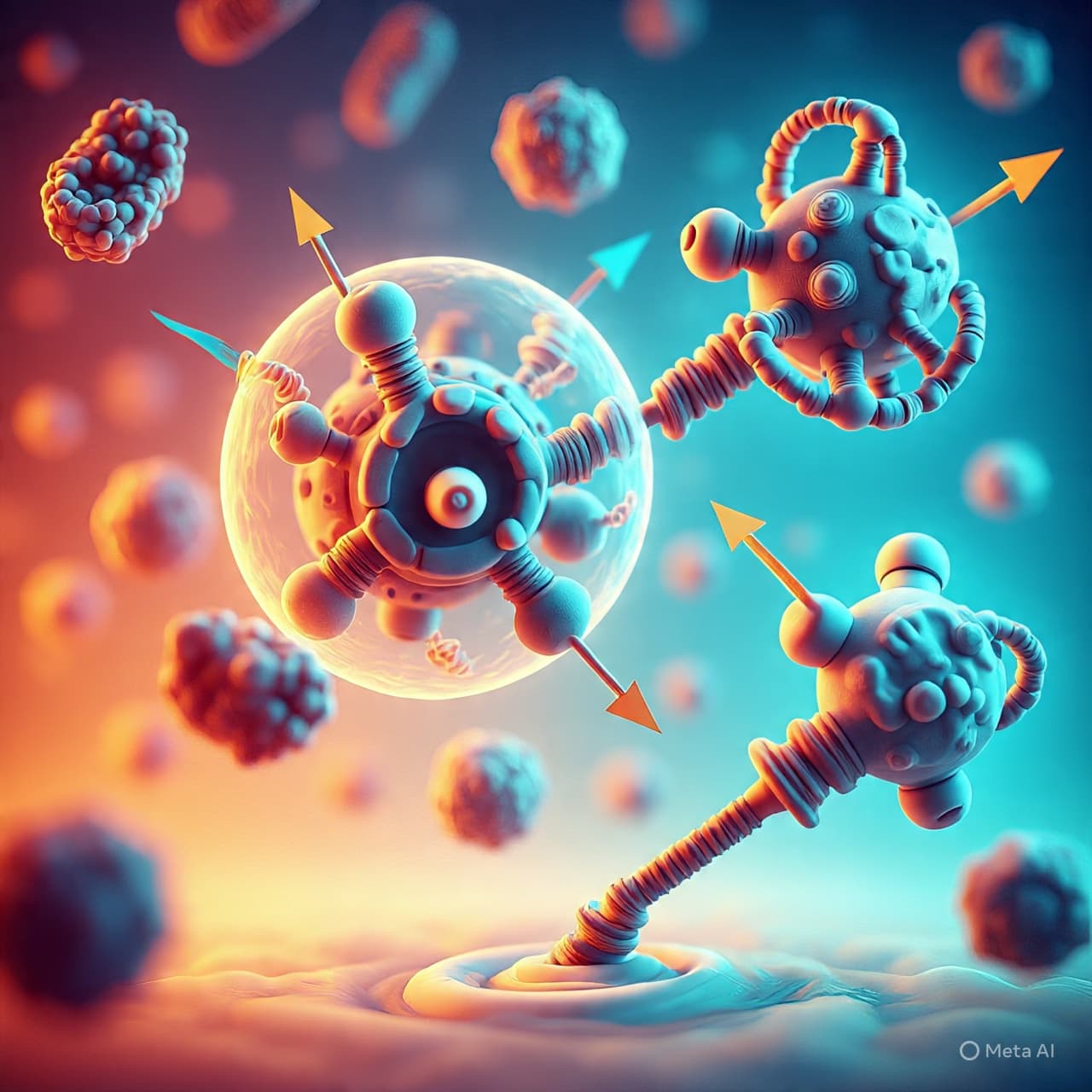
Scientists developed a self‑spreading CRISPR gene editor that replicates like a virus, boosting editing efficiency and potentially expanding gene therapy uses.

A rare annular solar eclipse created a glowing “ring of fire” over Antarctica on Feb. 17, 2026, briefly transforming the Sun into a luminous halo.

NASA plans a second wet dress rehearsal for Artemis II on Feb. 19 to test fueling after a previous hydrogen leak, a key step before the crewed lunar mission.