SCIENCE84% credibility
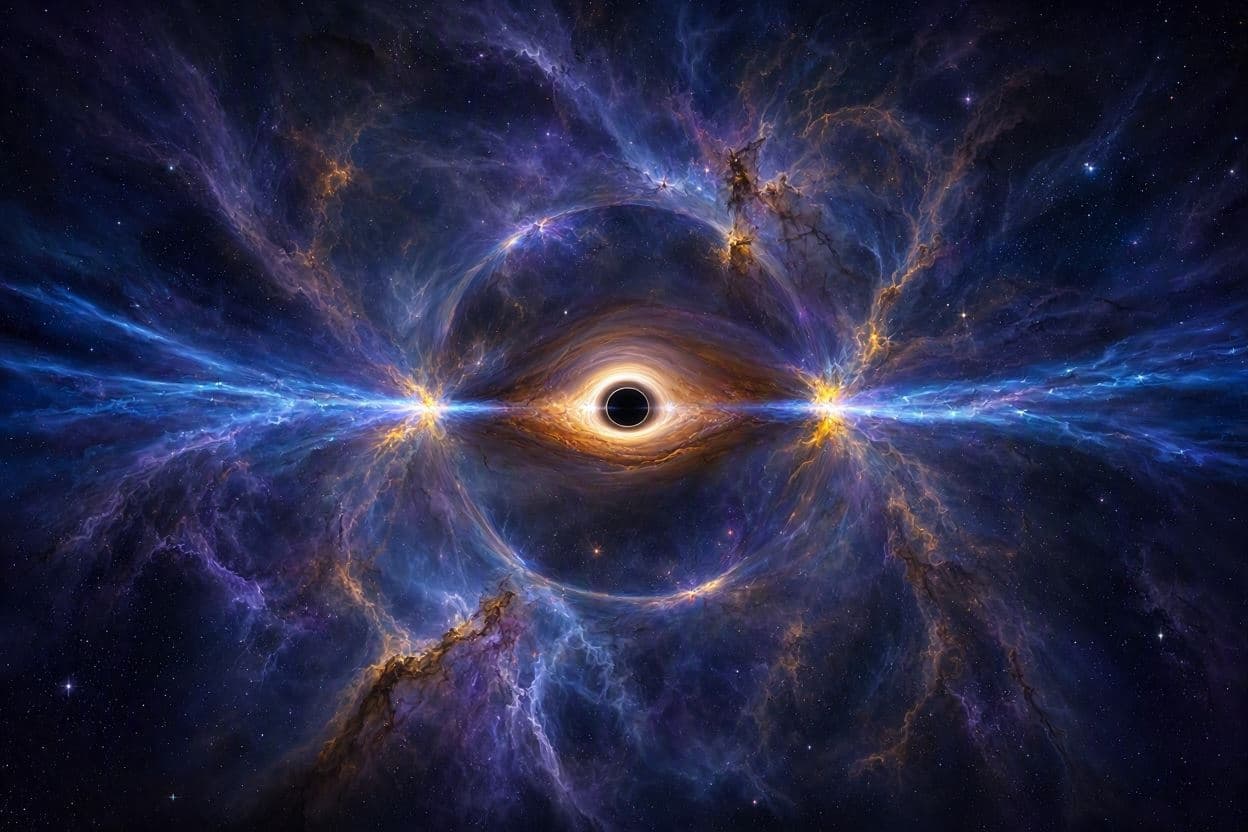
Architects of the Cosmos: How Black Holes Create Stars
New research shows that supermassive black holes can compress gas clouds and trigger star formation, acting as creators rather than just destroyers.
2 min read

New research shows that supermassive black holes can compress gas clouds and trigger star formation, acting as creators rather than just destroyers.
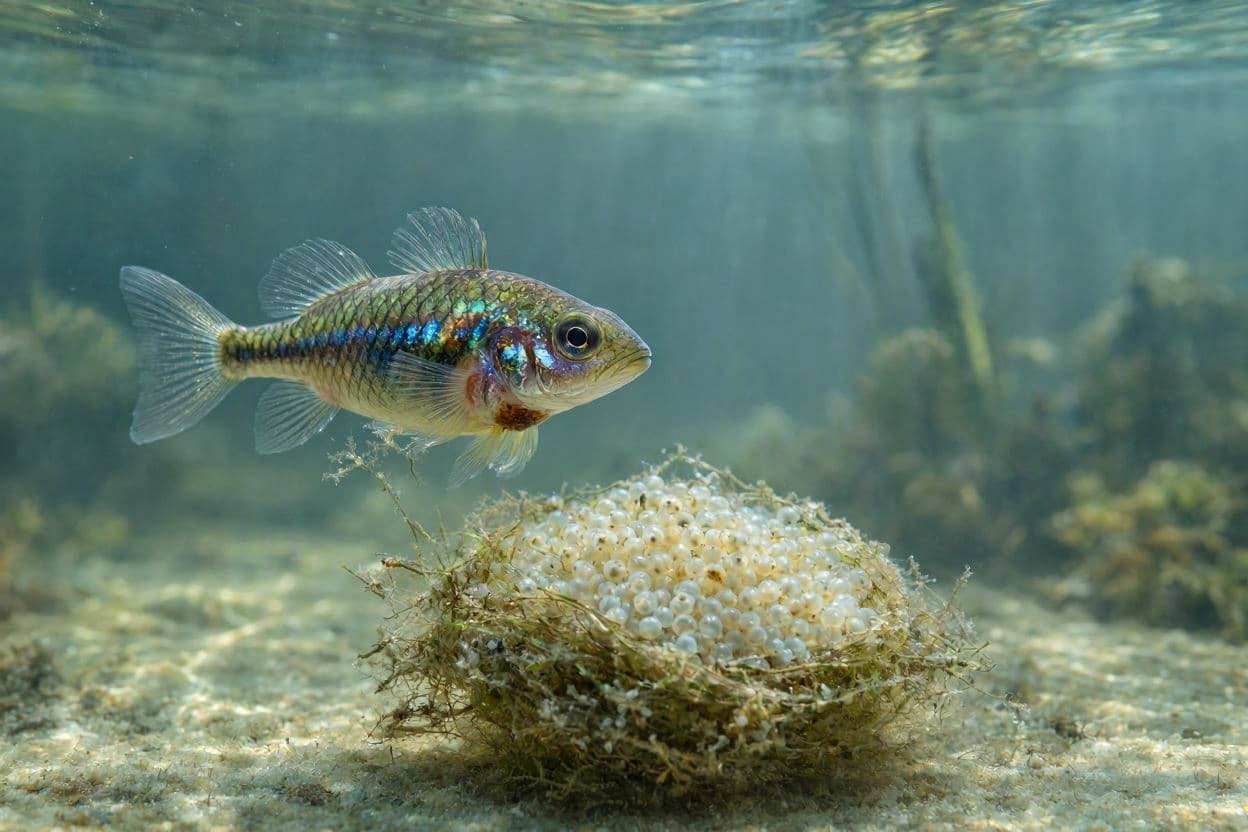
Exposure to hormone-disrupting pollutants makes male fish more aggressive but less likely to care for their eggs, threatening population stability.
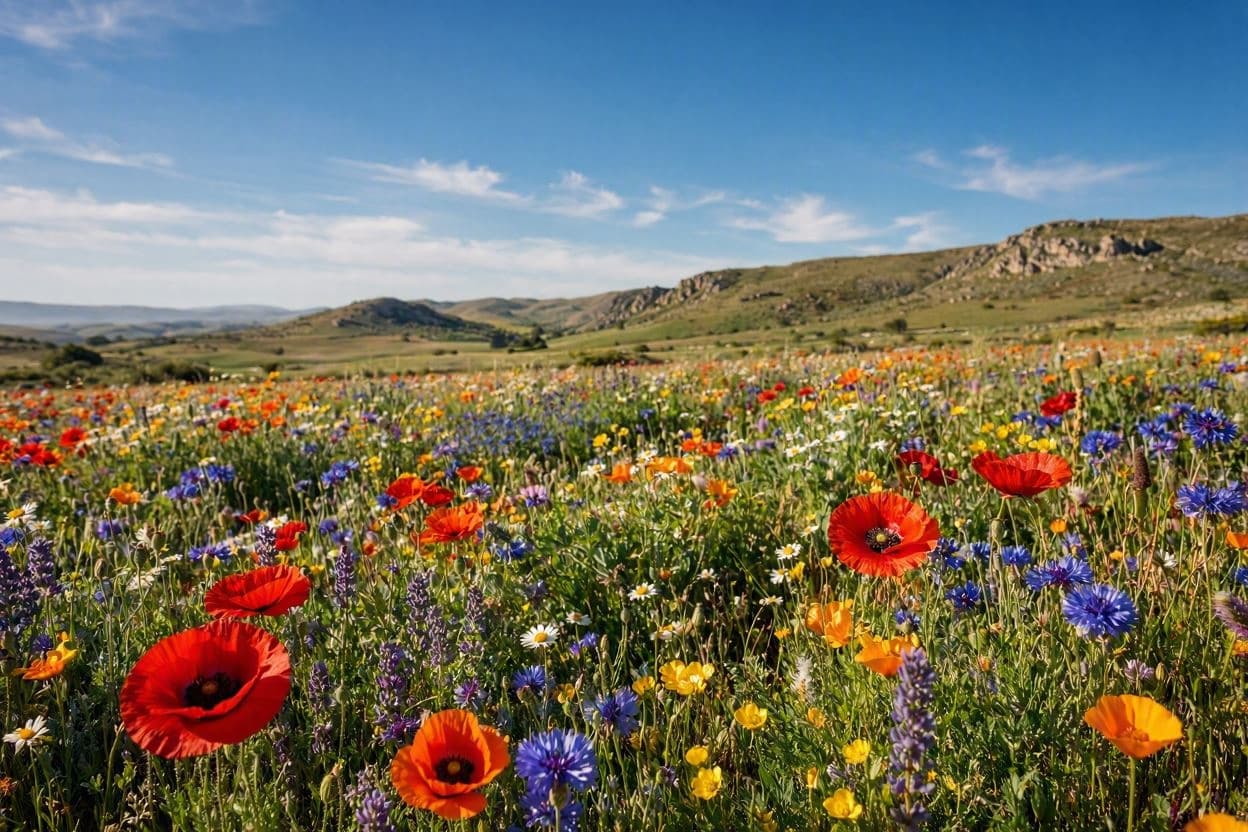
Western Australia’s wildflower season transforms the landscape with thousands of native species, attracting tourists and highlighting biodiversity.
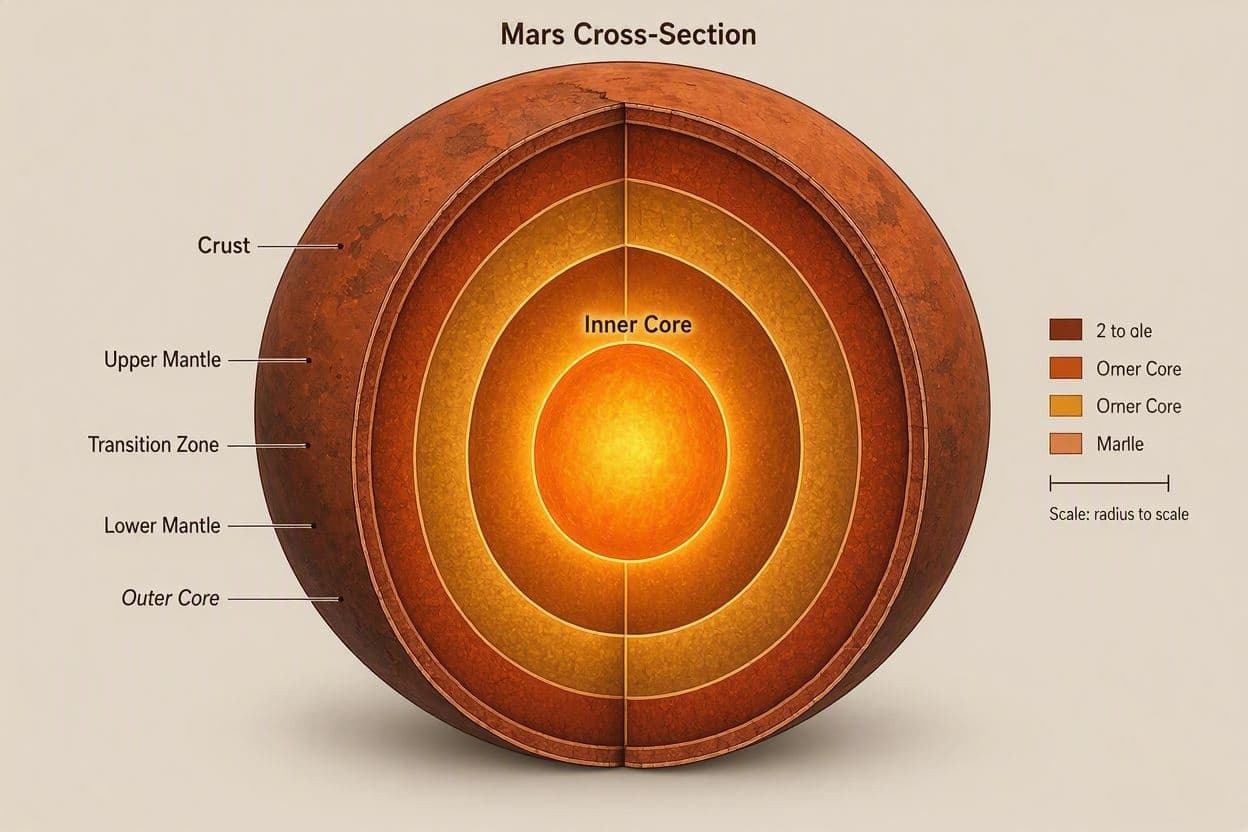
New gravity and seismic data reveal that Mars has a warm, dynamic interior with a thermal anomaly in the south, challenging views of it as a dormant world.
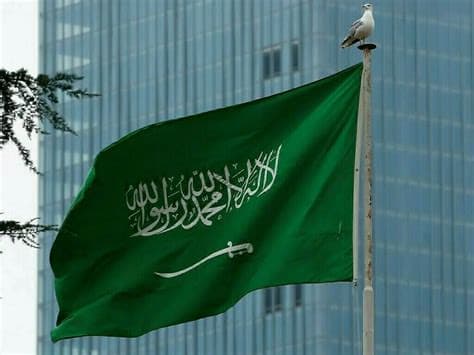
Saudi Arabia reports 110 million tonnes of uranium-bearing raw material in Medina, alongside rare earth elements, as nuclear ambitions expand
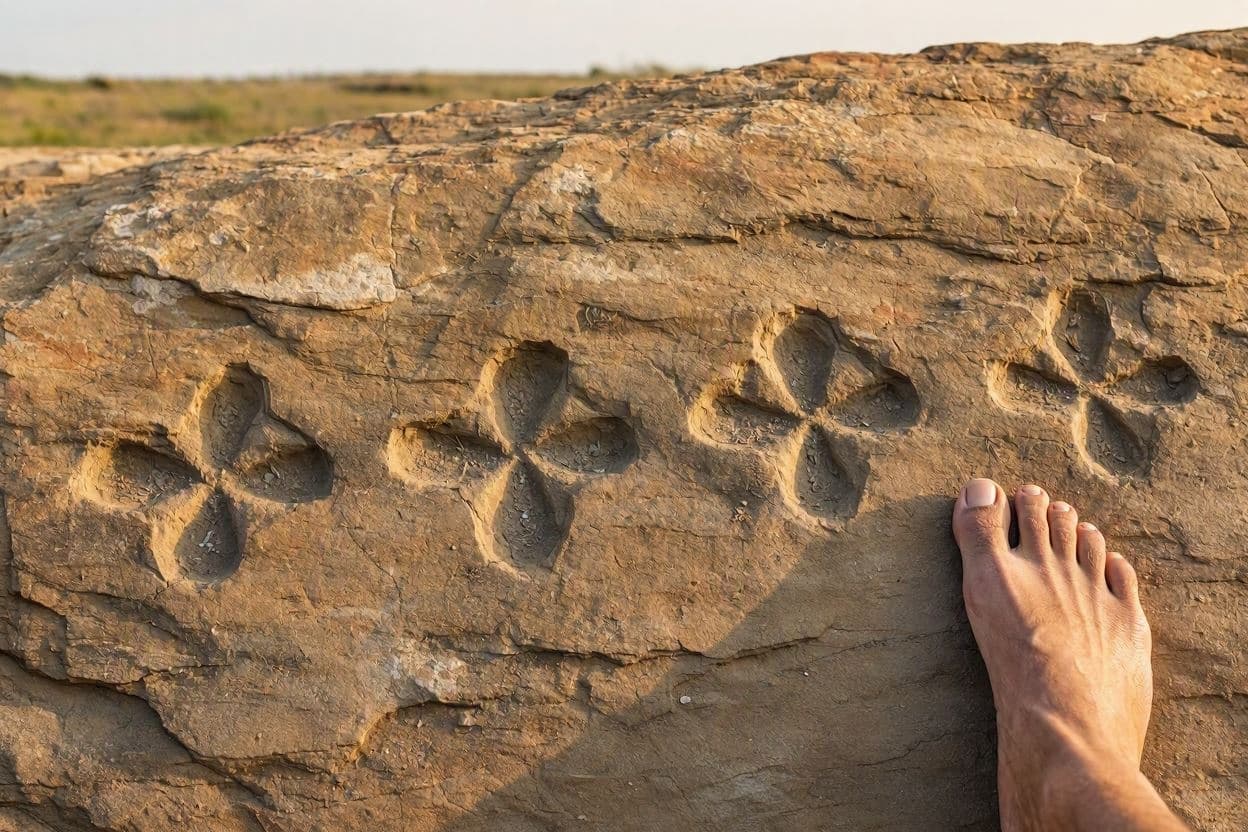
Paleontologists have discovered the first adult T. rex trackway in New Mexico, featuring surprisingly small, human-sized footprints that reveal new details about its movement.
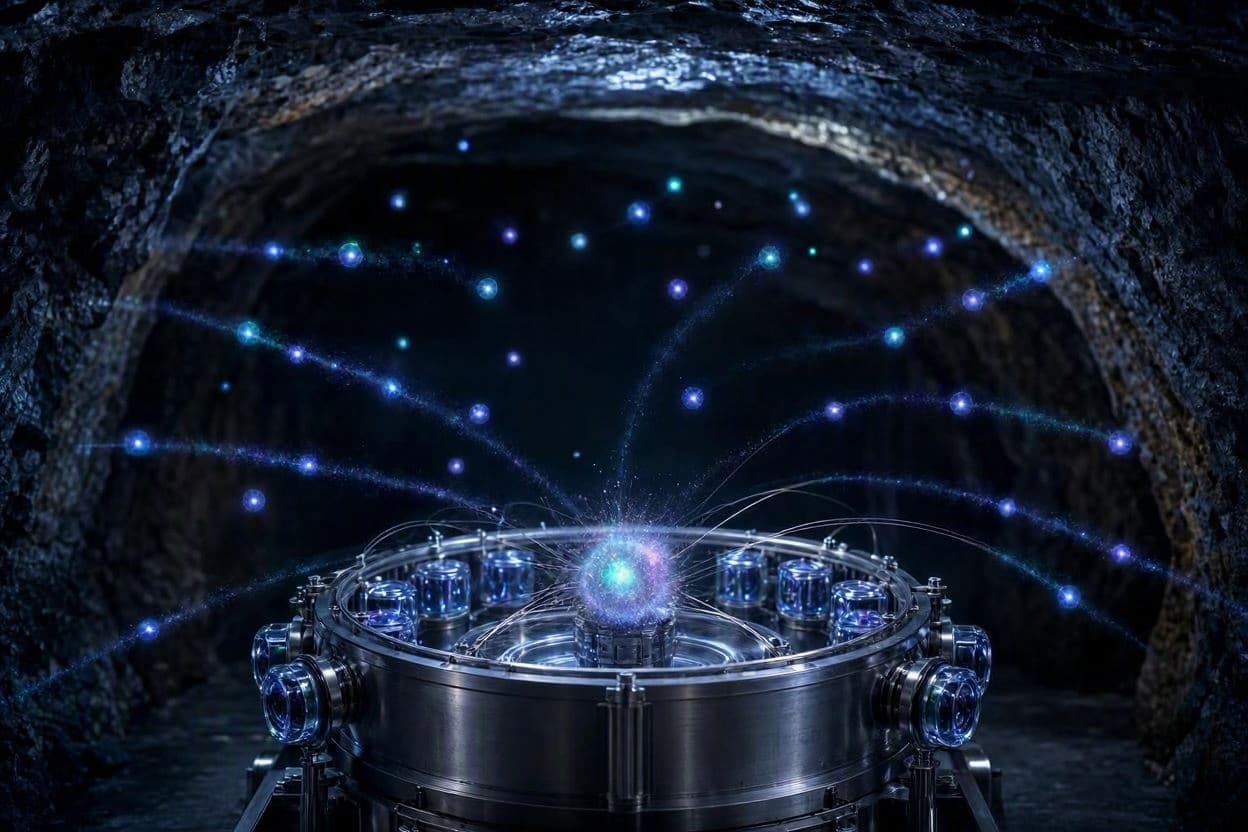
Recent experimental data suggests a potential detection of dark matter particles, offering hope but requiring further verification by the scientific community.
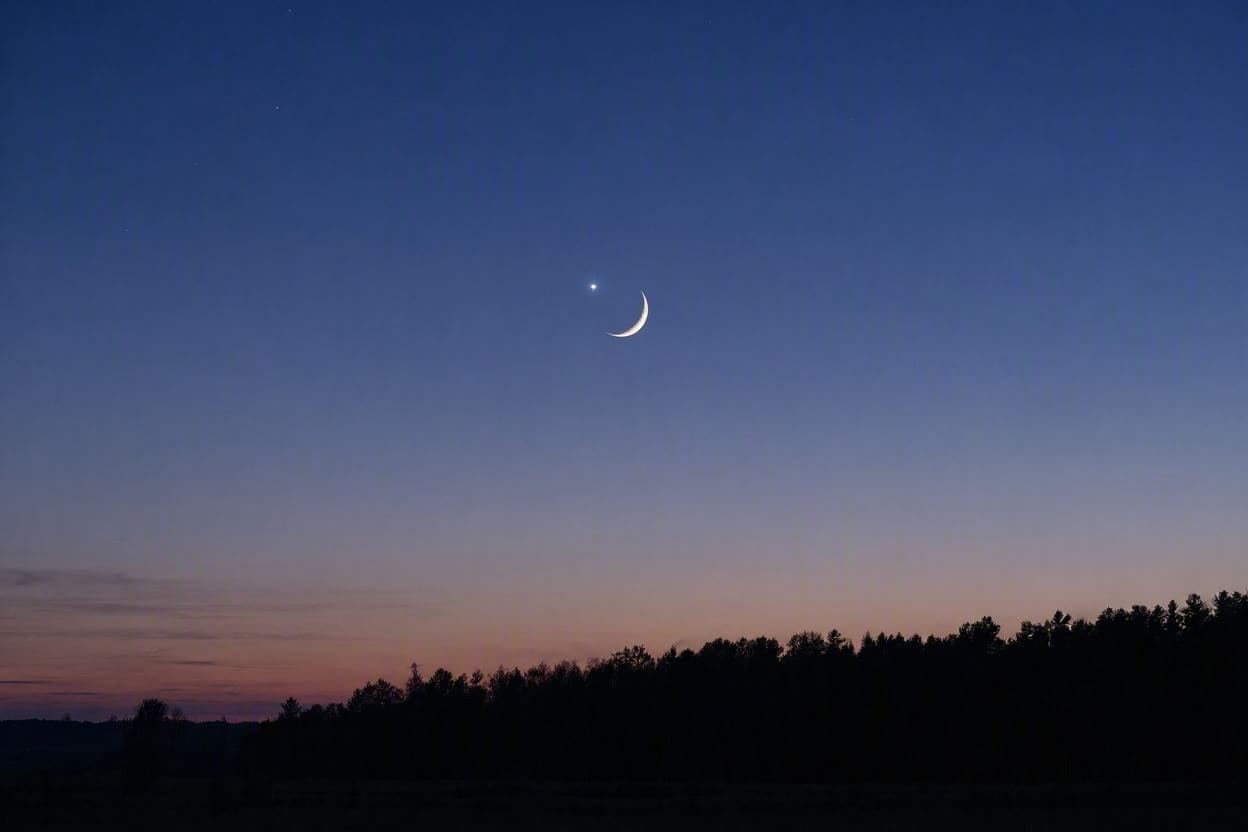
Skywatchers can observe a beautiful conjunction of the crescent Moon and bright Venus in the western sky shortly after sunset this Monday.
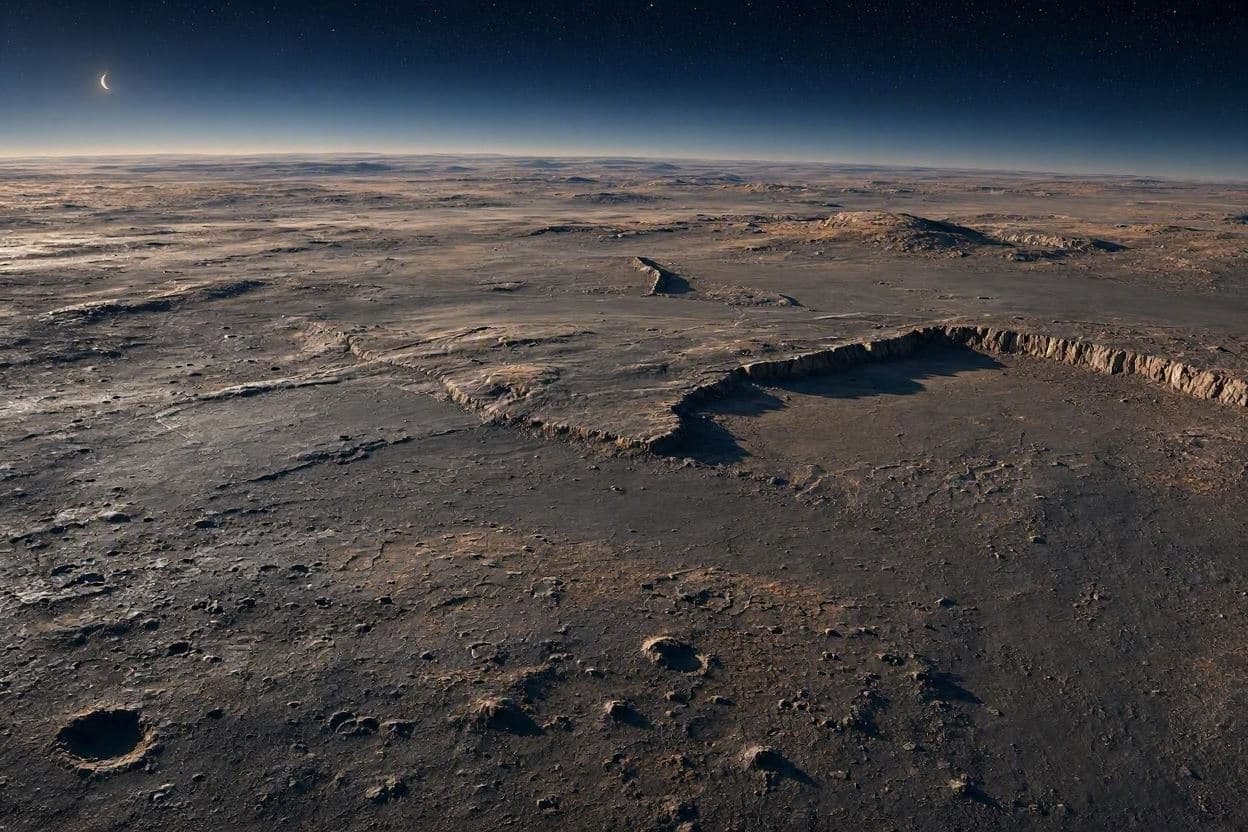
New research shows Mercury has shrunk by up to 14.5 miles, a drastic contraction compared to previous estimates, likened to a balloon deflating in the cold.

Genomic sequencing reveals that most registered Beefalo, including a famous 2.5 million bull, lack detectable bison ancestry, challenging breed records.
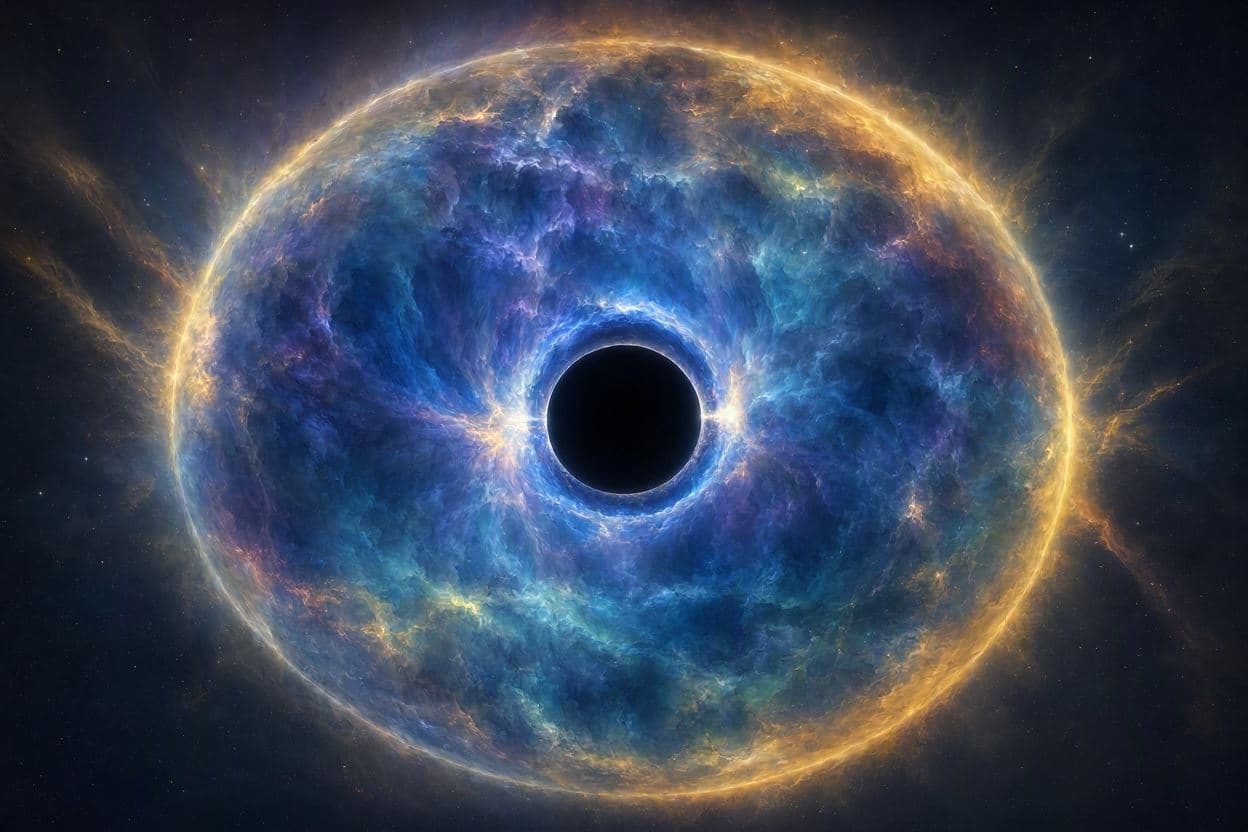
Astronomers are debating whether the "little red dots" seen by the James Webb Telescope are active black holes or exotic "black hole stars."
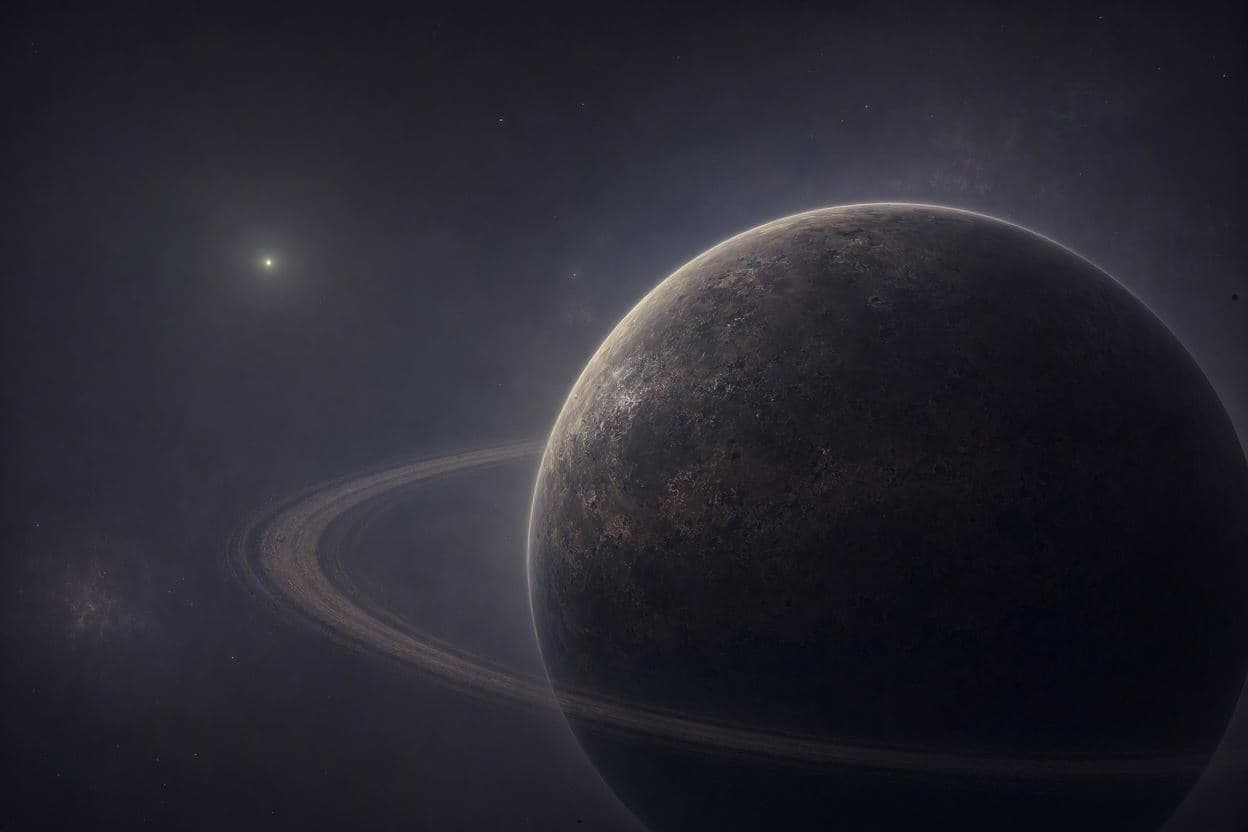
Astronomers continue to search for "Planet 9," a hypothetical world inferred from the orbits of distant icy objects, though it remains undetected.

Researchers used ultracold cesium atoms to observe Bethe strings, magnetic structures predicted by Hans Bethe in 1931, confirming a long-standing quantum theory.
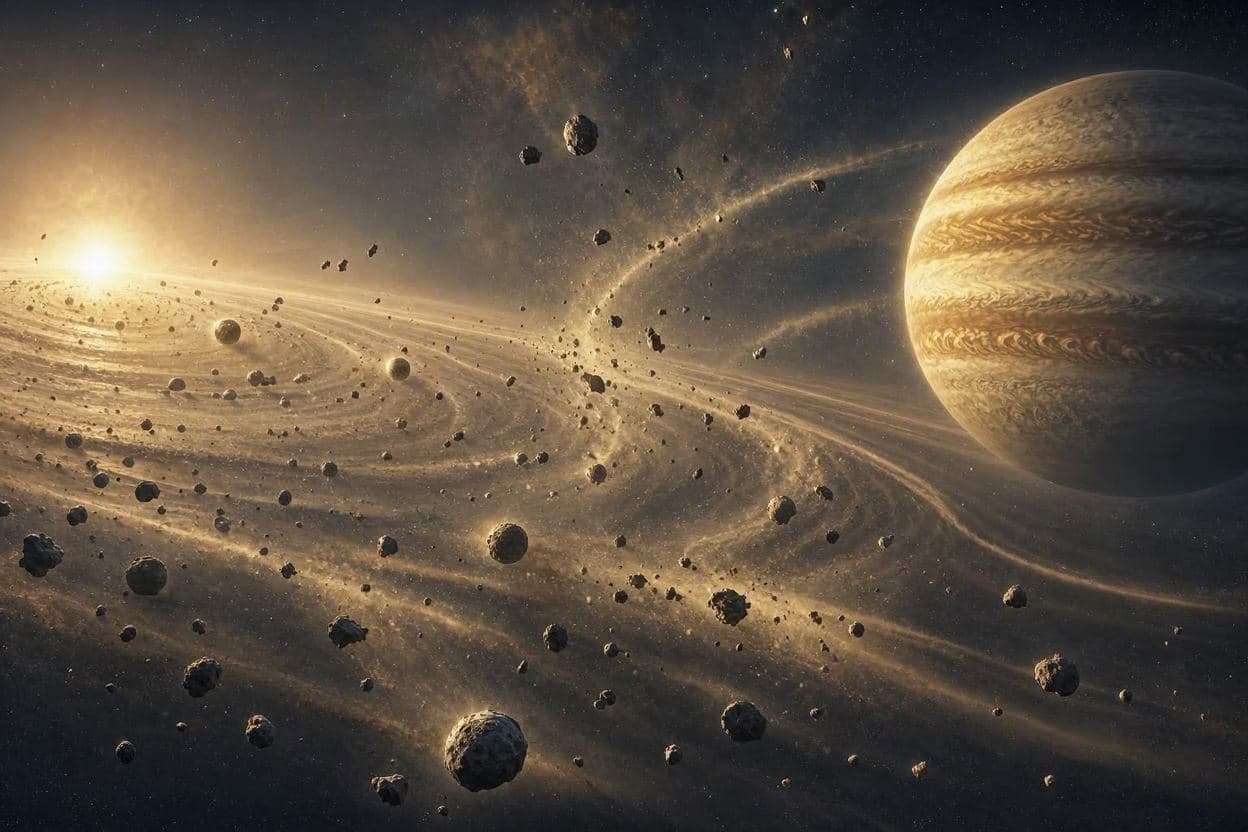
An astronomer proposes that Jupiter’s early migration scattered material, preventing the formation of a super-Earth in our solar system.
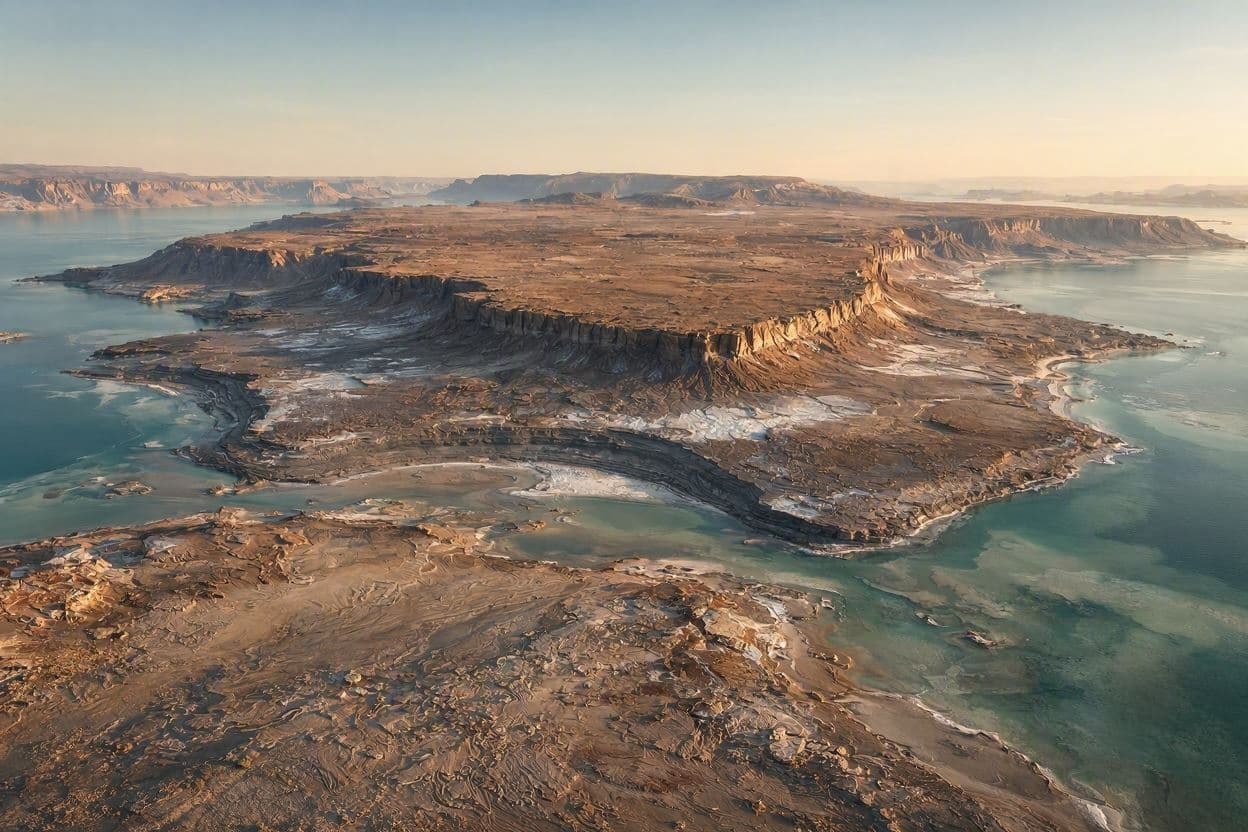
New geological evidence suggests an ancient supercontinent covered 80% of Earth’s surface billions of years ago, influencing early climate and life.

Rescuers in Indonesia are searching for 129 missing people after a passenger ferry capsized in turbulent seas, facing challenging conditions.
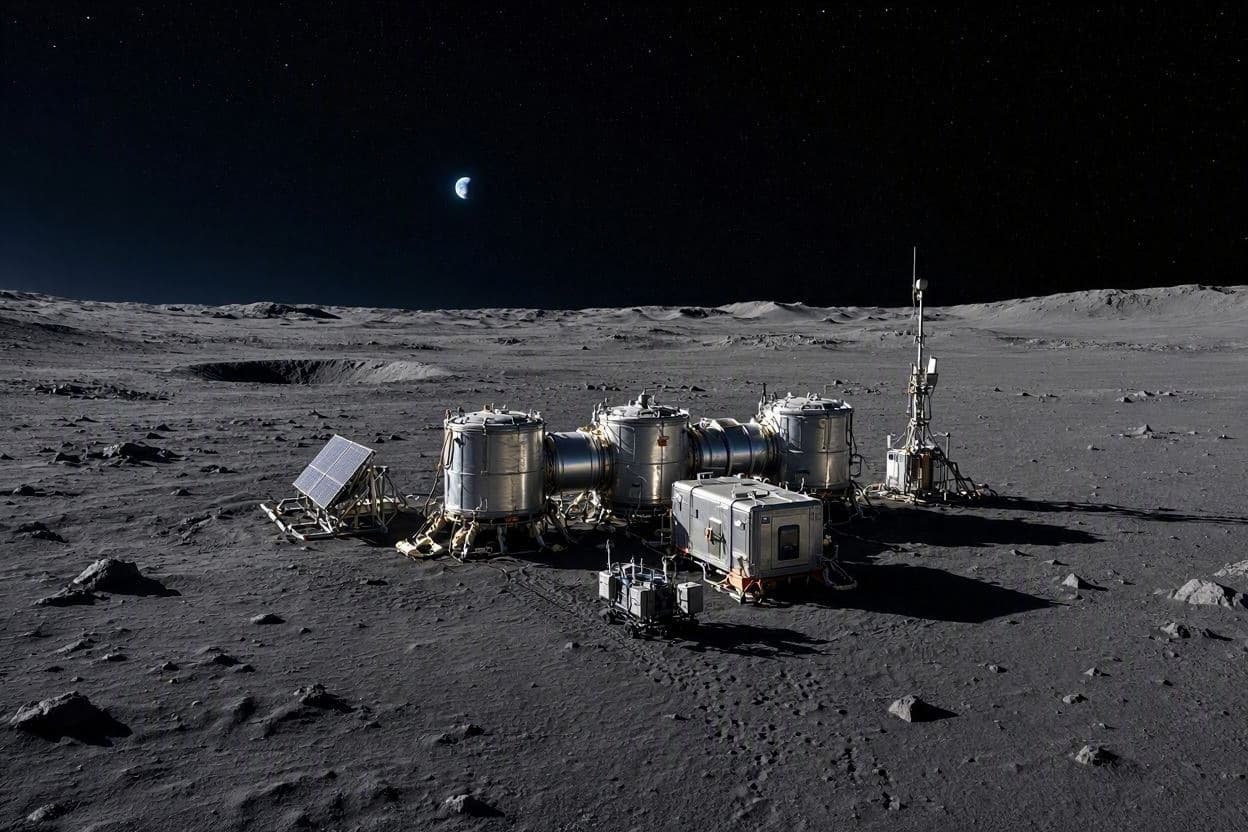
Scientists argue that the lack of accessible water makes large-scale lunar cities unfeasible, suggesting a focus on smaller scientific outposts instead.
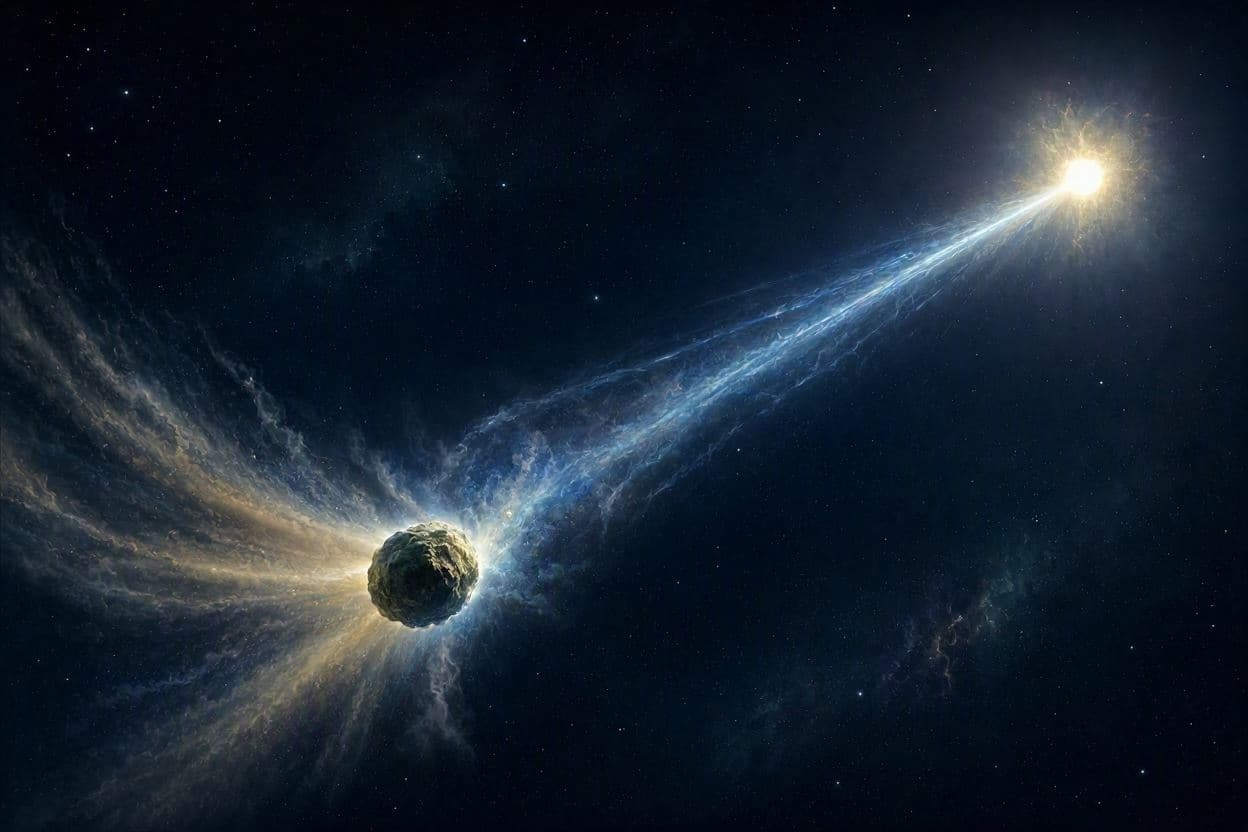
Observations show that exocomets transport water and volatiles from outer planetary systems to inner regions, potentially aiding the habitability of rocky exoplanets.
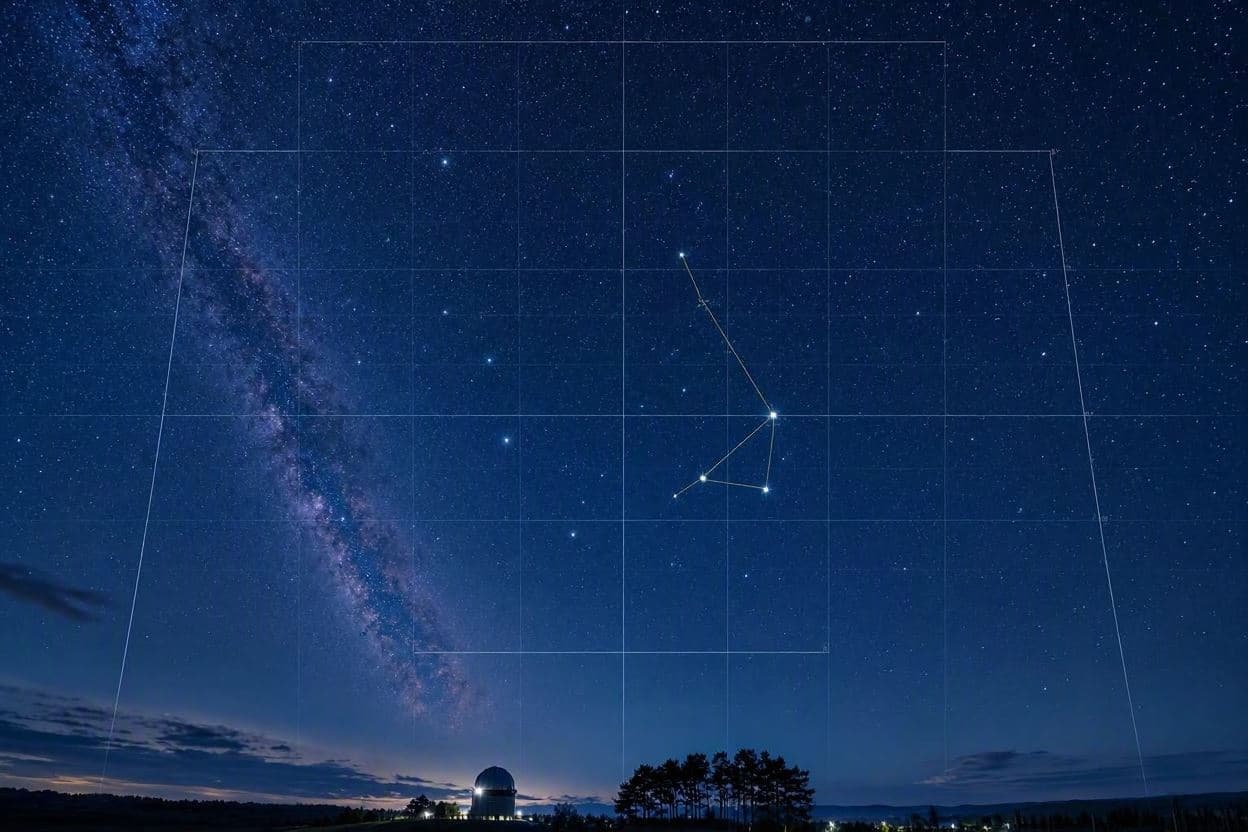
The Vera C. Rubin Observatory will conduct a deep, time-domain survey of the COSMOS field, revealing transient events and galaxy evolution over a decade.
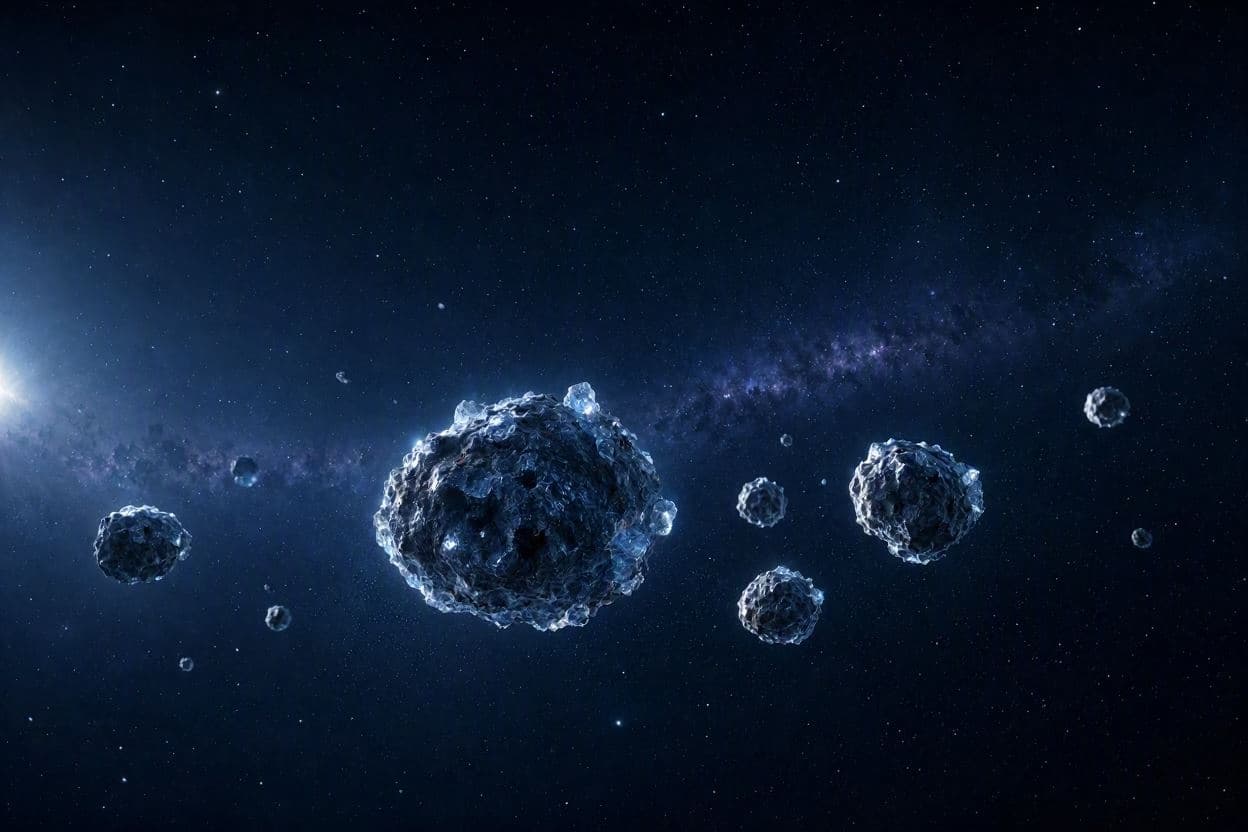
NASA’s Hubble and Webb telescopes revealed that small Trans-Neptunian Objects preserve ancient chemical signatures, offering insights into the early solar system.

An Iowa man built a safe, oxygen-monitored miniature submarine for his parakeet, Bebe, allowing the bird to explore underwater in the Bahamas for 15 minutes.
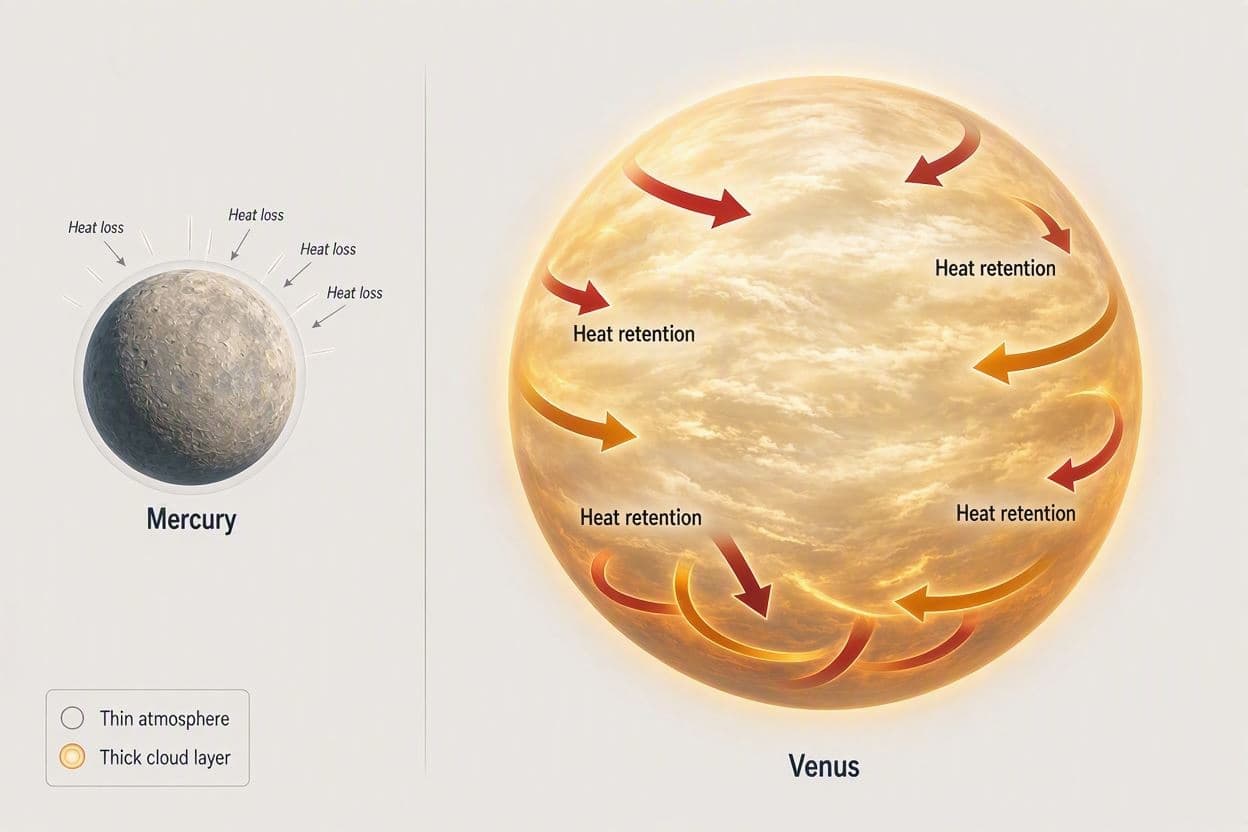
Venus is hotter than Mercury due to its thick carbon dioxide atmosphere, which creates a runaway greenhouse effect, trapping heat despite Mercury’s closer proximity to the sun.
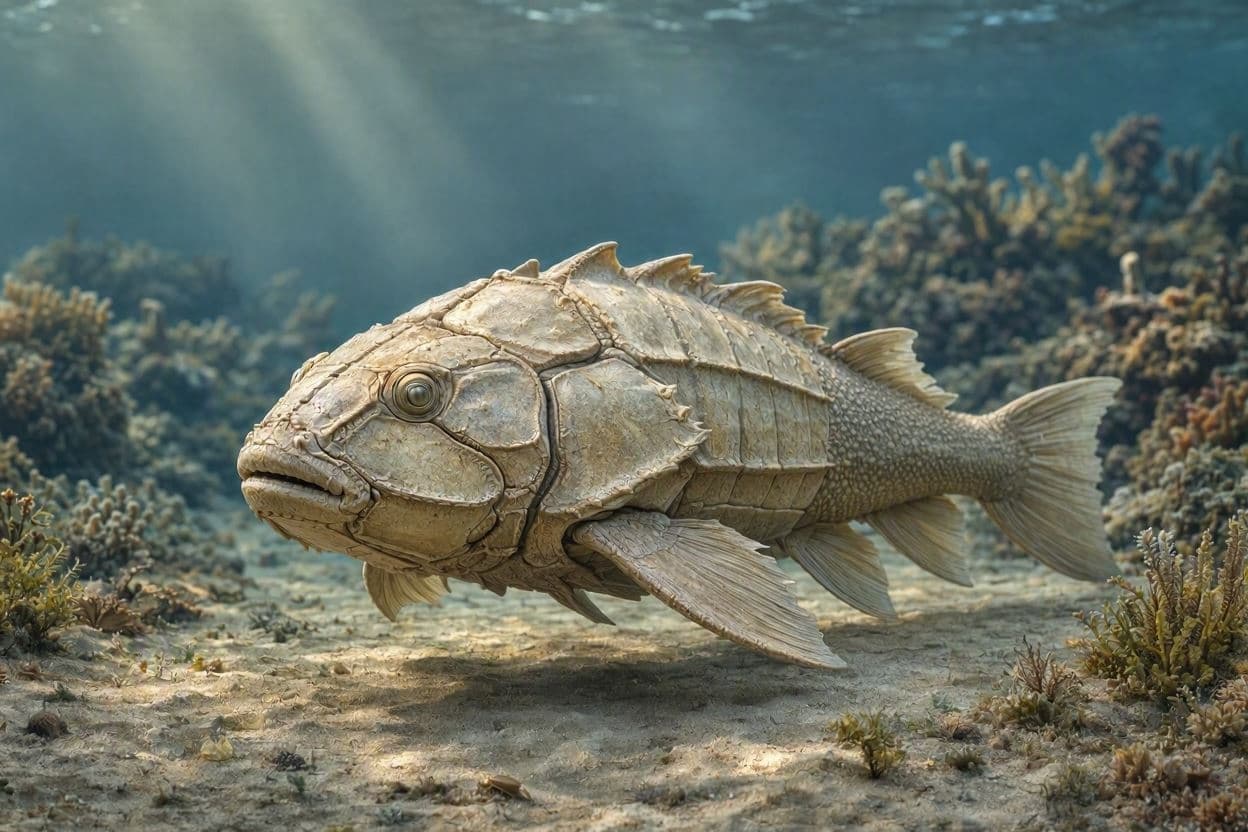
Fossil evidence shows that ancient armored placoderm fish evolved two distinct jaw mechanisms for crushing and shearing prey 385 million years ago.
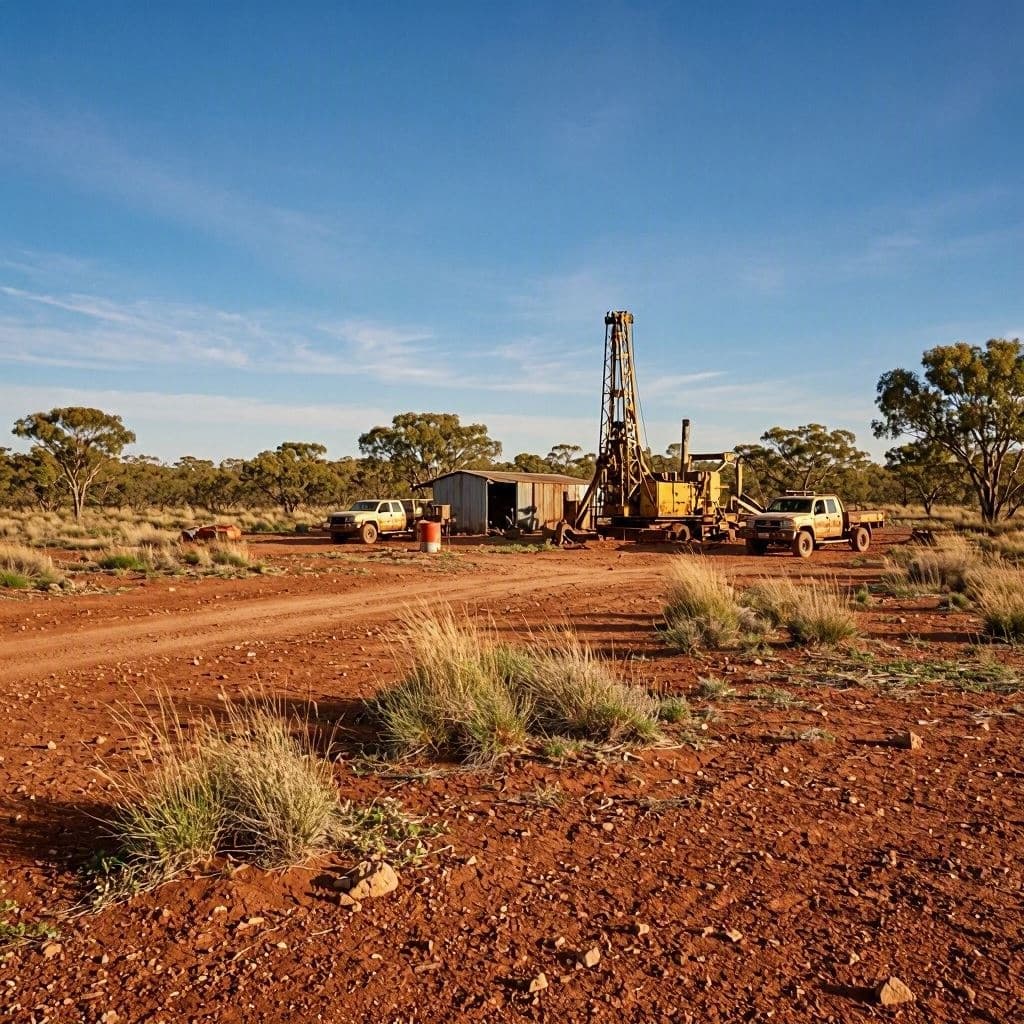
Researchers have discovered significant natural hydrogen deposits in Australia, offering a clean energy source that could boost the nation’s green economy.