In the vast catalog of exoplanets discovered beyond our solar system, "super-Earths" are among the most common. These rocky worlds, larger than our own but smaller than Neptune, populate the galaxy in abundance. Yet, our solar system lacks such a planet, a fact that has long puzzled astronomers. Now, a new theory proposes a dramatic explanation: Jupiter, the king of planets, may have stolen the building blocks needed to create a super-Earth, leaving our inner solar system relatively sparse.
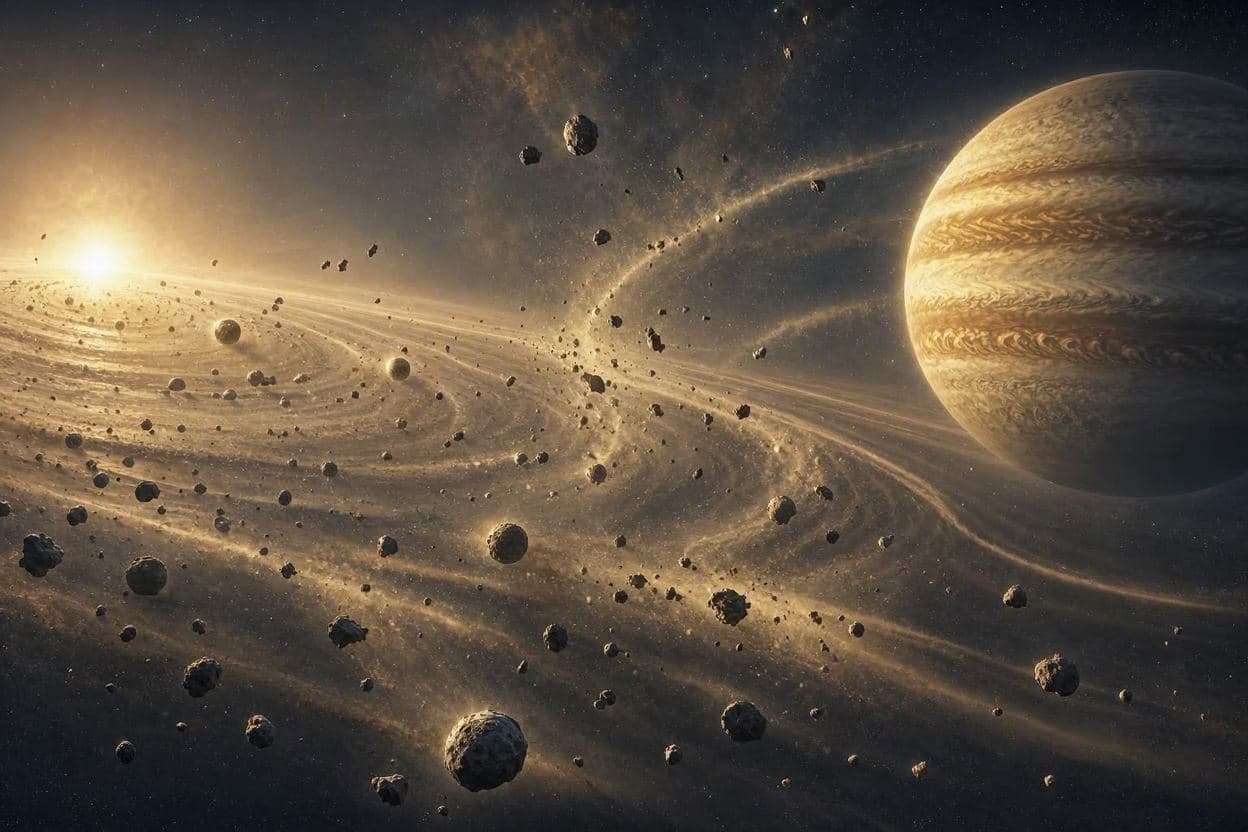
The hypothesis suggests that during the early formation of the solar system, Jupiter’s massive gravity disrupted the flow of material in the protoplanetary disk. As the gas giant migrated inward and then outward, it scattered dust and rock fragments that would otherwise have coalesced into a larger terrestrial planet. This gravitational stirring prevented the accumulation of mass in the inner regions, resulting in the smaller rocky planets we see today: Mercury, Venus, Earth, and Mars.
This "Jupiter barrier" theory offers a compelling narrative for our solar system’s unique architecture. Without a super-Earth, Earth remains a modestly sized world, yet one that proved hospitable to life. Some scientists argue that the absence of a massive neighbor may have actually benefited our planet, reducing the likelihood of catastrophic orbital instabilities or extreme tidal forces that could hinder biological development.
The proposal is supported by computer simulations that model the dynamics of planetary formation. These models show that a migrating Jupiter can effectively clear out the inner disk, limiting the growth of terrestrial planets. While other factors, such as the density of the initial disk, also play a role, Jupiter’s influence appears to be a dominant factor in shaping the final layout of our celestial neighborhood.
Critics note that not all solar systems with gas giants lack super-Earths, suggesting that the outcome depends on specific timing and conditions. However, the correlation between Jupiter’s migration and the small size of inner planets in our system remains strong. Further observations of other planetary systems will help test the universality of this mechanism, refining our understanding of how common or rare our solar system truly is.
For humanity, this insight adds a layer of cosmic significance to our home. We are not just inhabitants of a random planet, but beneficiaries of a specific historical sequence of events. The dance of the giants in the early solar system set the stage for our existence, determining the size, orbit, and environment of Earth.
As we continue to explore the cosmos, each discovery about our own origins helps us interpret the diversity of worlds elsewhere. The absence of a super-Earth in our system is not a deficiency, but a distinctive feature that makes our story unique. In the silence of space, Jupiter stands as both a protector and a thief, shaping the destiny of the inner worlds.
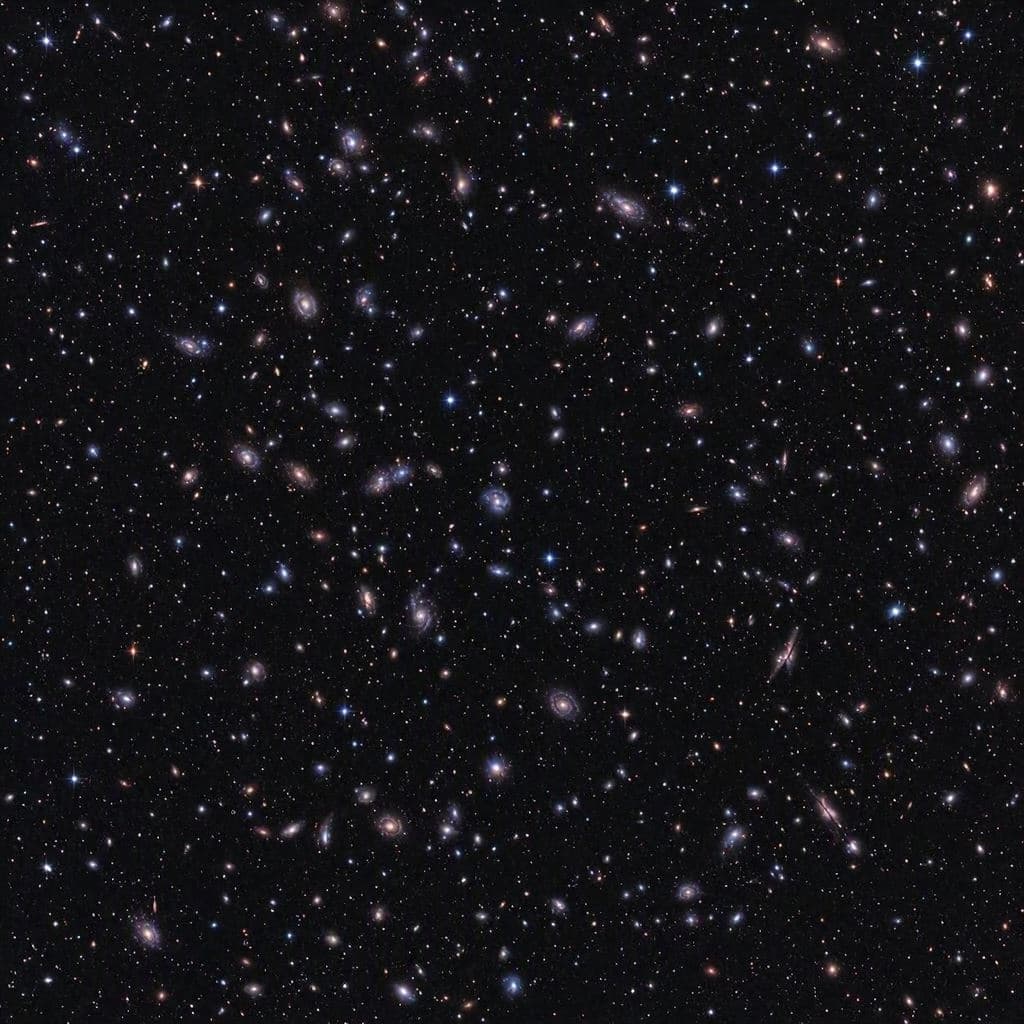
AI Image Disclaimer: The images used in this report are AI-generated visuals created to illustrate the concepts of planetary formation and gravitational dynamics.
Sources: Sky & Telescope, NASA Exoplanet Archive, Scientific American
Published by Banx Network. This article is part of the Banx decentralized media programme, powered by the BXE token on the XRP Ledger.