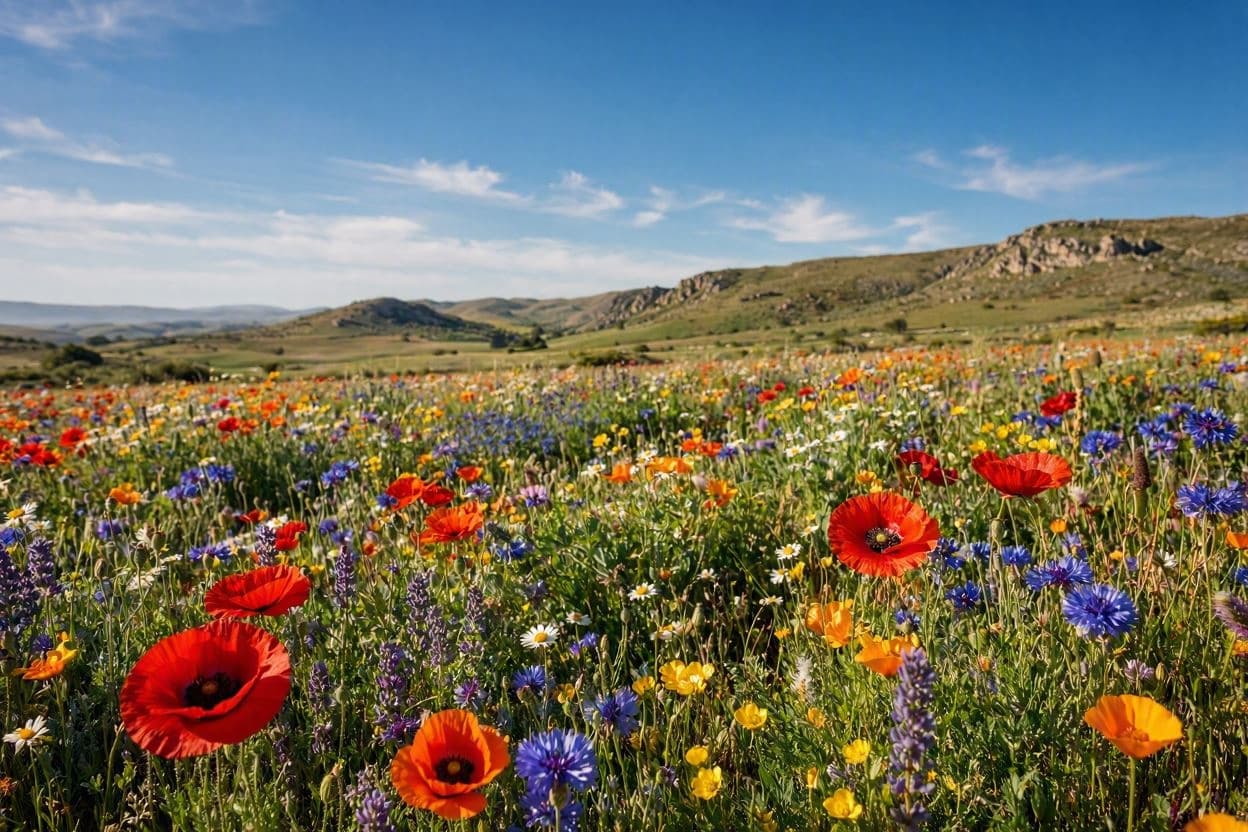
In the vast, arid landscapes of Western Australia, where the earth often wears shades of ochre and dust, spring brings a miraculous transformation. The wildflower season erupts in a riot of color, covering the ground in blankets of yellow, purple, pink, and white. This annual spectacle, unique in its scale and diversity, turns the outback into a living canvas, drawing visitors from around the world to witness nature’s brief but breathtaking display.
Western Australia is home to over 12,000 species of wildflowers, nearly 60 percent of which are found nowhere else on Earth. From the coastal plains to the inland deserts, these resilient plants have adapted to harsh conditions, blooming rapidly after winter rains. The season typically begins in the north in June and sweeps southward, ending in November, creating a moving wave of beauty that follows the changing climate.
For photographers and nature lovers, the experience is overwhelming. Fields of everlastings, kangaroo paws, and donkey orchids stretch to the horizon, interspersed with the rugged beauty of ancient rock formations. The contrast between the delicate petals and the harsh environment highlights the tenacity of life. Each flower, no matter how small, plays a role in sustaining local ecosystems, providing food for insects and birds.
The economic impact of the season is significant for regional communities. Small towns along the wildflower trails see an influx of tourists, boosting local businesses and hospitality services. Festivals and guided tours celebrate the flora, educating visitors about conservation and the importance of protecting these native species. It is a time when the remote corners of the state come alive with activity and appreciation.
However, the beauty is fragile. Climate change and land clearing pose threats to wildflower populations, altering rainfall patterns and reducing habitat. Conservation efforts are crucial to ensure that future generations can enjoy this natural heritage. Organizations work to preserve key areas and promote sustainable tourism practices, encouraging visitors to stay on tracks and avoid picking flowers.
For Indigenous Australians, wildflowers have long held cultural and medicinal significance. Traditional knowledge guides the understanding of plant properties and seasonal cycles, offering a deeper connection to the land. This wisdom enriches the modern appreciation of the season, reminding us that these blooms are part of a continuous story of survival and adaptation.
As the season progresses, the landscape shifts again, returning to its quiet, earthy tones. But the memory of the colors remains, a testament to the resilience of nature. The wildflower season is not just a visual delight; it is a celebration of biodiversity and the intricate web of life that thrives in one of the world’s most challenging environments.
In the end, the blankets of color in Western Australia serve as a reminder of nature’s ability to renew itself. They invite us to pause, look closely, and appreciate the small wonders that often go unnoticed. By protecting these blooms, we protect a vital part of our planet’s identity and beauty.
AI Image Disclaimer: The images used in this report are AI-generated visuals created to illustrate the themes of natural beauty and botanical diversity.
Sources: ABC News, Tourism Western Australia, The Guardian, Australia’s Coral Coast
Published by Banx Network. This article is part of the Banx decentralized media programme, powered by the BXE token on the XRP Ledger.