The Scent of Change Upon the Wind: Reflecting on the Waning of the Tide
New Zealand is entering a critical climatic transition as La Niña fades, with scientists predicting an 80% chance of a significant El Niño event emerging later in 2026

New Zealand is entering a critical climatic transition as La Niña fades, with scientists predicting an 80% chance of a significant El Niño event emerging later in 2026

New theories suggest exploding primordial black holes may have produced matter in the early universe, offering a fresh explanation for cosmic origins.

Australia’s deep-space tracking stations have begun their critical support for NASA’s Artemis II mission, using both traditional radio and new laser technology to monitor the lunar return.

A major survey confirms that massive exoplanets spin faster, supporting long-held theories and revealing universal patterns in planetary formation.

Serbia is accelerating its transition to green energy, tripling its wind and solar integration to modernize its national grid and reduce its long-term reliance on coal.

New Zealand has unveiled a new scientific roadmap, prioritizing AI-driven technology and environmental resilience to secure the country’s economic and social future.

Marine scientists have discovered over 110 new species in the deep Coral Sea, revealing a hidden world of biodiversity that will shape future ocean conservation strategies.

Serbia has deployed a new network of AI-driven seismic sensors to better monitor and predict tectonic movements, providing a high-tech shield for the Balkan region.

The Rubin Observatory has discovered over 11,000 new asteroids, revealing a far more crowded and dynamic solar system than previously understood.

Scientists found evidence of a rare stellar explosion that leaves no black hole, challenging existing theories about how massive stars end their lives.

Soil moisture levels across New Zealand’s North Island have reached a point of stabilization, providing a much-needed period of environmental recovery for the region's agriculture.

A newly discovered pristine star offers rare insight into the early universe, revealing conditions from the dawn of stars and galaxies.

Australia’s QuantX Labs has achieved a global first in quantum timing technology, developing an optical frequency comb that provides unprecedented precision for satellite navigation and global data.

Serbian researchers have uncovered exceptionally rare fossilized bees and ancient nesting sites in a karst cave, providing a million-year-old window into the region’s prehistoric ecosystem.

New Zealand has prioritized the bioeconomy as a central pillar of its scientific strategy, aiming to transform natural resources into sustainable, high-value products for a resilient future.

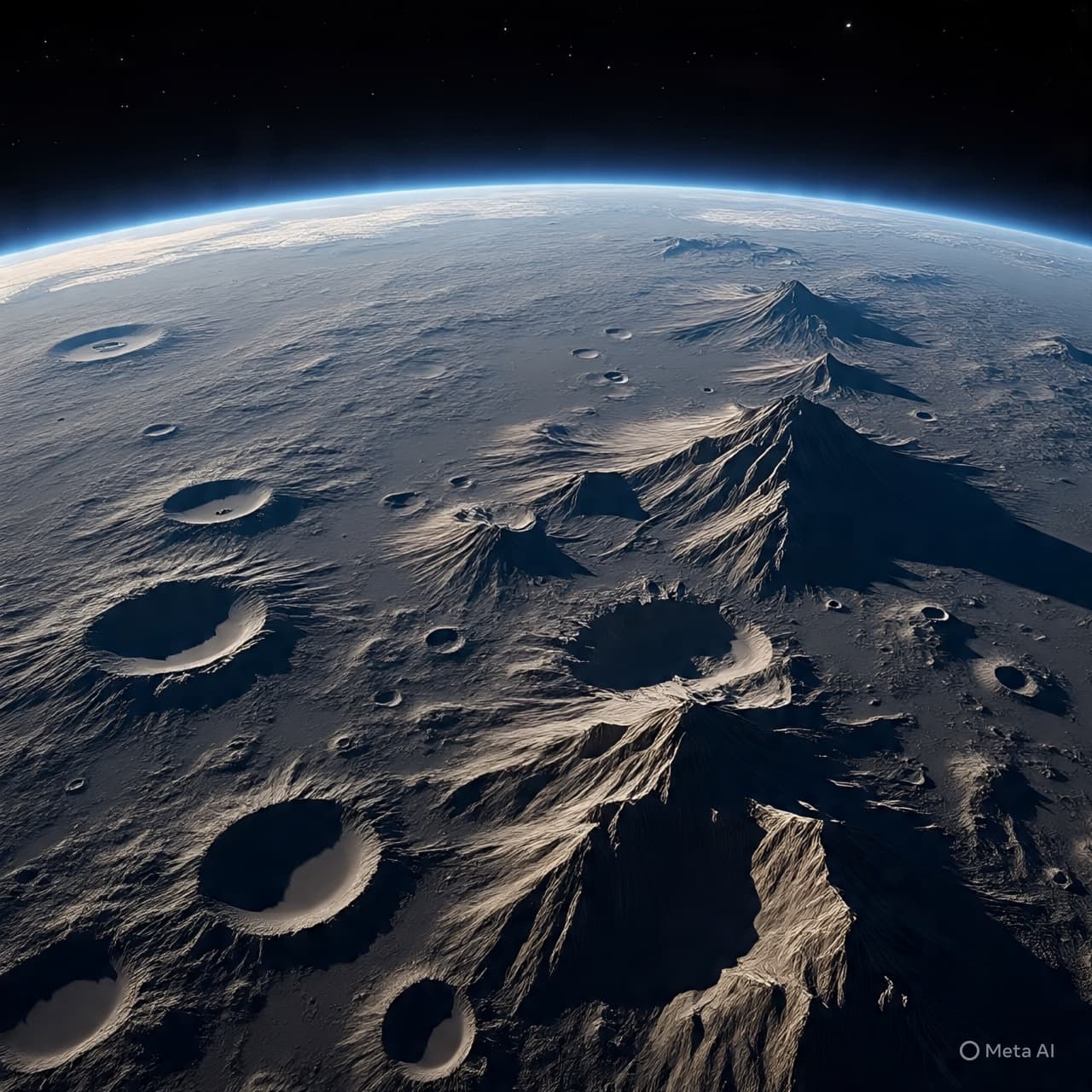
NASA has confirmed the 2030 launch of Australia’s first lunar rover, a mission designed to explore the Moon’s South Pole and test resource extraction technologies for future space travel.

Serbia has established a new geological strategy to oversee the Jadarite deposits, a rare mineral containing lithium and boron that is vital for the global transition to sustainable energy.

New Zealand’s NIWA scientists have identified significant warming in Pacific subsurface waters, signaling an 80% likelihood of El Niño’s return and a shift in regional climate stability.

Australia’s QuantX Labs has successfully launched a world-first optical frequency comb into space, establishing a new sovereign capability for high-precision quantum timing and satellite navigation from orbit.

NASA has launched the historic Artemis II mission, sending a crew of four on a lunar flyby to test the foundations of a permanent human presence on the moon.

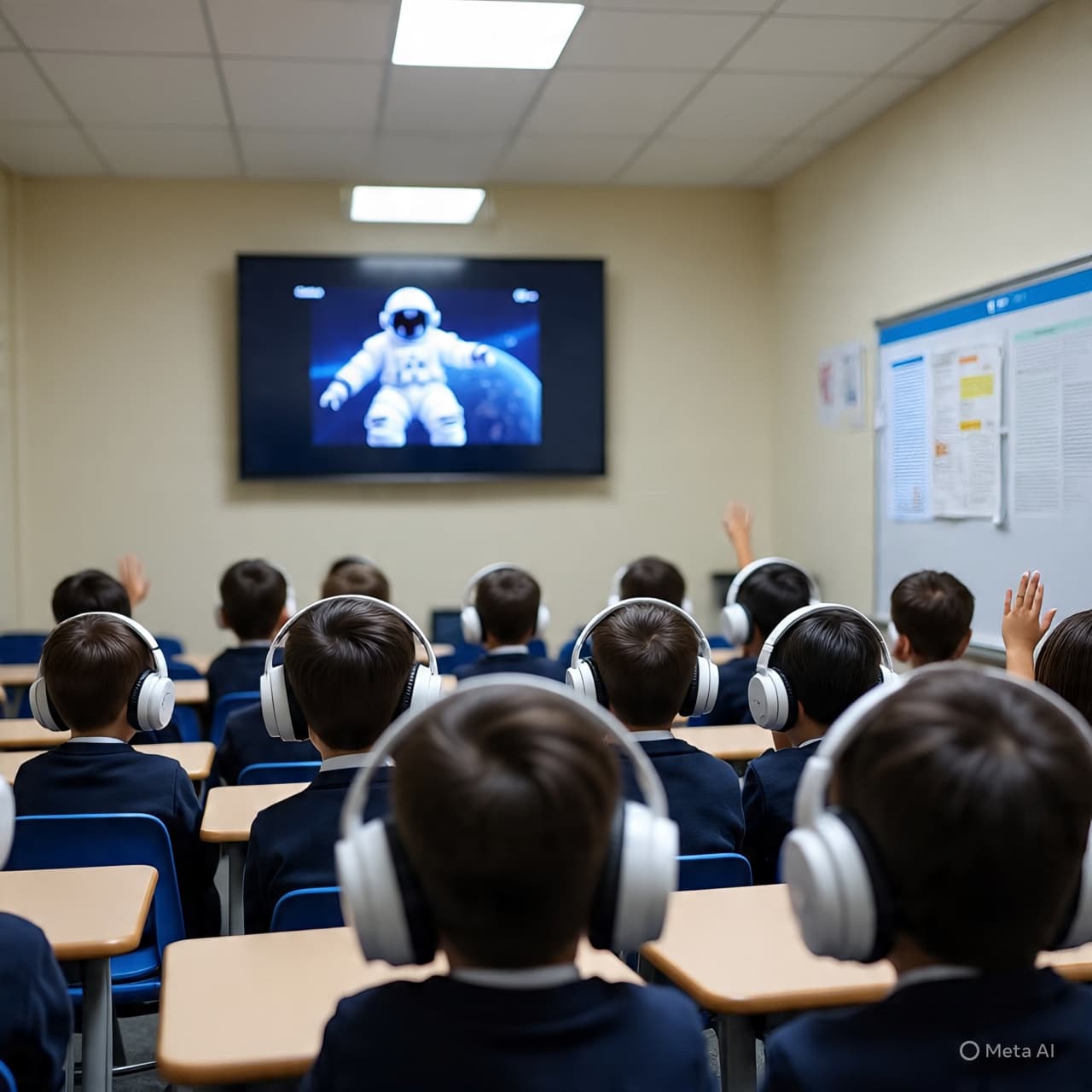
Astronauts engaged with Canadian students, answering questions about space life and inspiring interest in science and exploration.

Artemis II faces technical challenges with its onboard toilet system, highlighting the importance of reliable life-support technology in future lunar missions.

Scientists warn orbital mirror satellites could disrupt sleep cycles, wildlife behavior, and ecosystems by artificially brightening night skies worldwide.

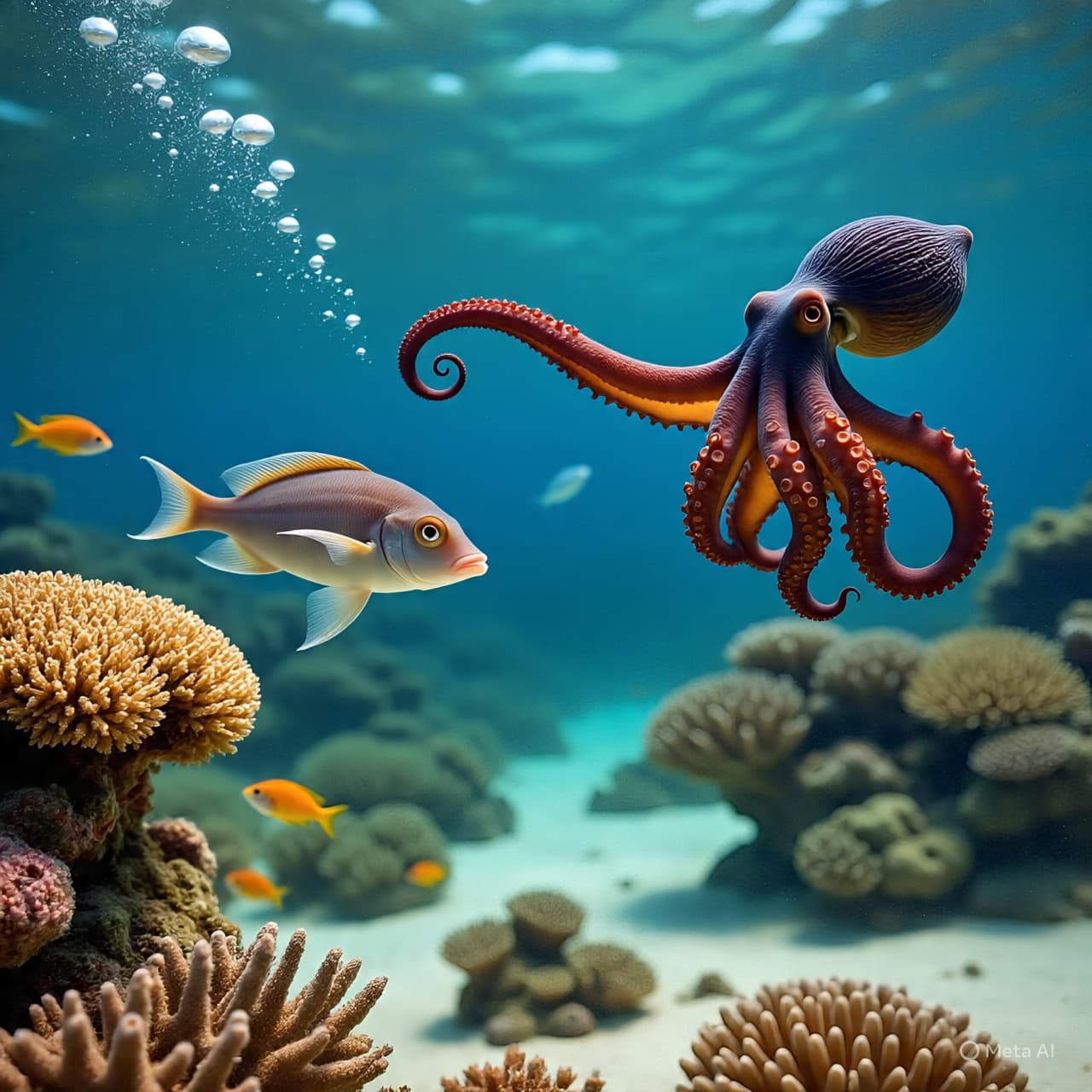
Male octopuses use a specialized arm to transfer sperm, allowing mating from a distance and reducing risks in species where close contact can be dangerous.