

Key Highlights
- Astronauts engage with Canadian children ahead of Artemis missions.
- Students ask questions about life in space and exploration challenges.
- Programs aim to inspire future generations in STEM fields.
In a remarkable initiative designed to connect young minds with the wonders of space exploration, astronauts preparing for the Artemis missions recently engaged with children across Canada. This unique exchange allowed students to pose their burning questions about life beyond Earth, showcasing the unfiltered curiosity and imagination that children possess. The initiative not only serves educational purposes but also aims to inspire the next generation of scientists, engineers, and explorers.
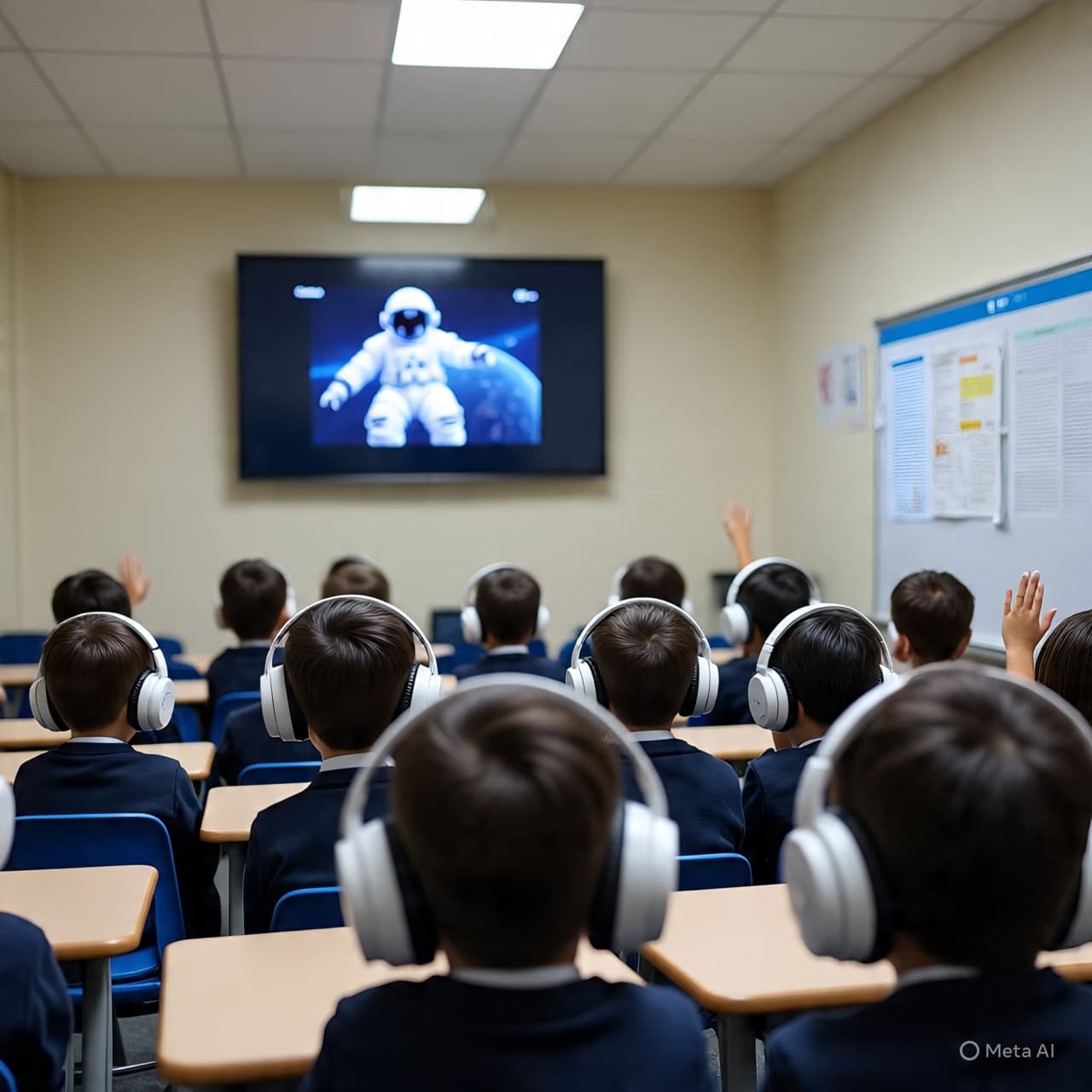
During virtual sessions, children asked a variety of questions, ranging from the practicalities of living in microgravity to the emotional challenges of leaving Earth. Astronauts responded with thoughtful explanations, breaking down complex scientific concepts into language that young students could understand. They shared insights on how the human body adapts to life in space, the operation of spacecraft systems, and the profound experience of viewing Earth from orbit.
The interaction highlights the importance of making space exploration relatable to young audiences. By engaging with students directly, space agencies hope to cultivate interest in STEM (science, technology, engineering, and mathematics) fields at an early age. This initiative reflects Canada's significant role in the Artemis program, where the country contributes advanced technology and astronaut participation, reinforcing the collaborative nature of modern space exploration.
For the astronauts involved, these moments of connection provide a refreshing perspective amidst the rigorous preparations for their missions. Engaging with children serves as a reminder of the broader purpose behind their work: to expand knowledge and inspire future generations to reach for the stars. The questions posed by children often delve into themes of fear, excitement, and resilience, revealing a deeper understanding that exploration encompasses both discovery and the courage to face the unknown.
Educators participating in the program emphasize the lasting impact of direct interactions with astronauts. When students can see the real-world applications of science and hear personal stories from those who explore space, they are more likely to engage with scientific concepts. This initiative not only bridges the gap between Earth and space but also fosters a sense of wonder and possibility in young learners.
As the Artemis missions progress, the conversations sparked by children's questions will continue to resonate. They remind us that exploration is not confined to laboratories or launchpads; it thrives in classrooms, in the imaginations of children, and in the questions they dare to ask. Ultimately, the journey to the Moon and beyond is measured not just in miles, but in the moments of inspiration shared across generations.
Published by Banx Network. This article is part of the Banx decentralized media programme, powered by the BXE token on the XRP Ledger.




