
Key Highlights
- Serbia plans to triple its renewable energy capacity by 2029.
- The country aims for 237 MW of new renewable integration by 2026.
- This strategy aligns with EU energy directives to reduce coal reliance.
[Serbia's Energy Transition]
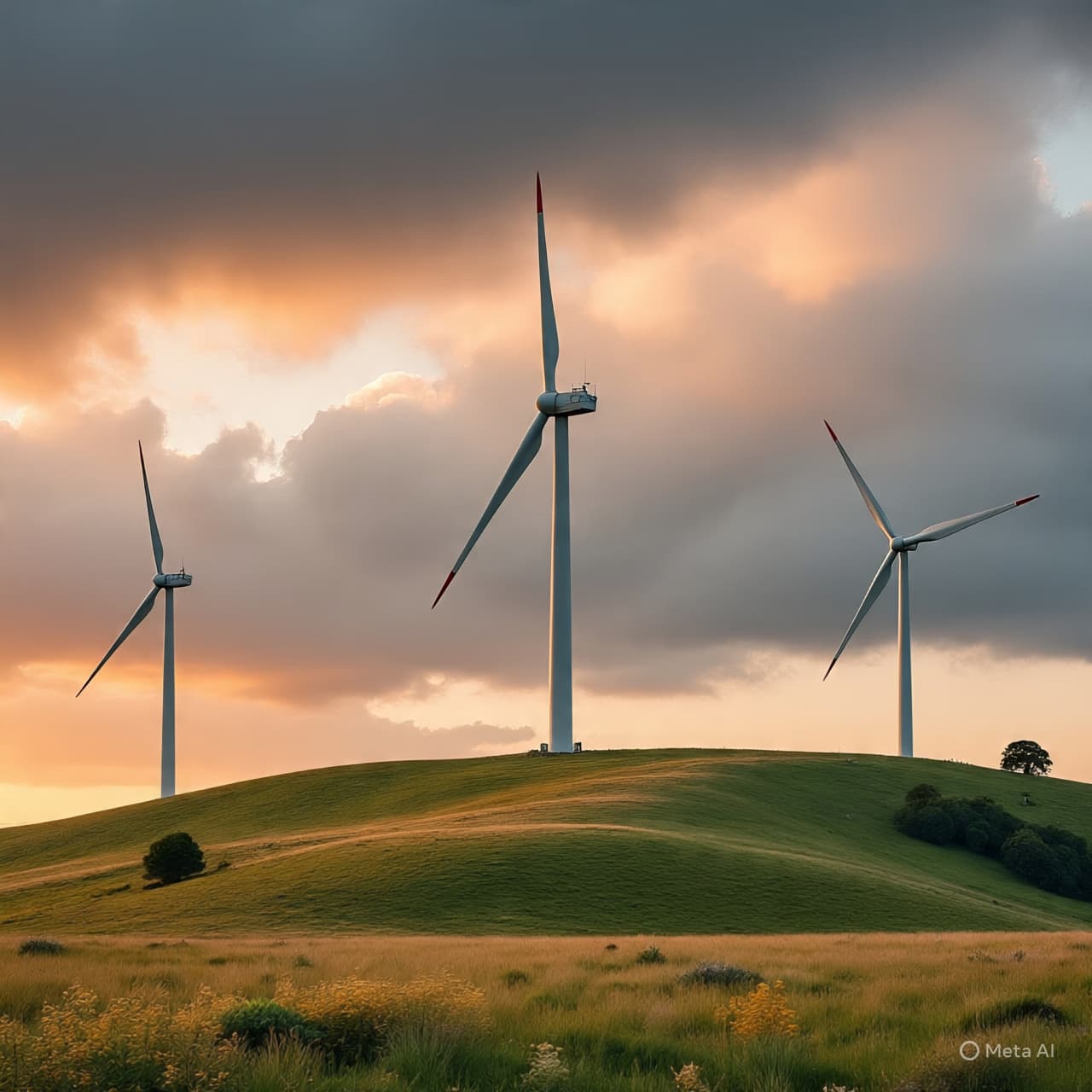
The plains of Serbia are witnessing a significant transformation as the nation shifts from its coal-dependent past to a future powered by renewable energy. The Ministry of Energy has announced an ambitious goal to triple the integration of wind and solar power into the national energy system by 2029. This initiative reflects a broader commitment to align with European Union energy directives and reduce reliance on coal, which has long been the backbone of Serbia's energy infrastructure.
The strategic plan includes a specific target of 237 megawatts (MW) of new renewable energy capacity to be integrated by 2026. This approach is not just about changing the energy sources but also about ensuring that the transition is stable and financially viable. By adopting a grid-compatible model, Serbia aims to maintain energy reliability while gradually replacing coal with cleaner alternatives. This careful balancing act is crucial for securing investments and ensuring that the lights remain on during this transformative period.
[The Role of Renewable Energy]
As Serbia embarks on this journey, the integration of wind and solar energy is expected to significantly alter the energy landscape. Currently, the share of renewables in Serbia's energy mix is projected to climb toward forty percent. This shift is not only about environmental sustainability but also about economic opportunity. The development of renewable energy infrastructure is anticipated to create jobs and stimulate local economies, particularly in regions historically reliant on coal mining.
The conversation around energy is evolving, especially in the mining districts where the discovery of jadarite and ongoing exploration of boron deposits near Raška present new opportunities. These minerals are essential for battery production, which will play a crucial role in storing renewable energy. This dual narrative of geological wealth and energy transition highlights Serbia's potential to harness its natural resources for a sustainable future.
[Challenges and Opportunities]
However, the transition is not without its challenges. The existing energy infrastructure must adapt to accommodate the influx of renewable sources. This includes enhancing grid monitoring capabilities and establishing flexible connection agreements to optimize energy use. The government is focused on ensuring that every kilowatt produced is utilized effectively, which is vital for the success of this energy transition.
As Serbia moves forward, the integration of advanced technologies and innovative practices will be essential. The country is learning to catch the sun and the breeze, turning the invisible energies of the atmosphere into a reliable power source. This transformation is a testament to the ingenuity of the Serbian people, who are reclaiming their relationship with the elements and finding ways to prosper without depleting their natural resources.
[Looking Ahead]
The future of Serbia's energy landscape is bright, with the promise of a cleaner, more resilient horizon. The ongoing commitment to renewable energy not only positions Serbia as a leader in the Balkans but also contributes to the broader European goal of achieving climate neutrality. As the nation embraces this new era, it is clear that the winds of change are blowing favorably for Serbia, ushering in a sustainable future that respects both the environment and the needs of its people.
Published by Banx Network. This article is part of the Banx decentralized media programme, powered by the BXE token on the XRP Ledger.



