
Key Highlights
- Discovery:Marine scientists from CSIRO have identified over 110 new species in the Coral Sea.
- Biodiversity:The findings underscore the rich marine biodiversity of Australia's remote waters.
- Conservation:These discoveries will inform future conservation efforts in the region.
Recent explorations in the Coral Sea have unveiled a treasure trove of biodiversity, with marine scientists from the Commonwealth Scientific and Industrial Research Organisation (CSIRO) announcing the discovery of more than 110 new species of fish and invertebrates. This significant finding was made during a voyage aboard the research vessel RV Investigator, which ventured into the deep waters of the Coral Sea Marine Park. The discoveries include previously unknown types of deepwater catsharks and rays, showcasing the rich and largely unexplored marine life that thrives in these depths.
The Coral Sea, known for its stunning marine landscapes and vibrant ecosystems, has long been a subject of fascination for scientists and explorers alike. However, the depths of this oceanic expanse remain shrouded in mystery. The recent findings serve as a reminder of the vastness of our oceans and the myriad forms of life that inhabit them, many of which have existed without human knowledge for eons. Each new species discovered adds a vital piece to the puzzle of marine biodiversity, emphasizing the importance of ongoing research and exploration.
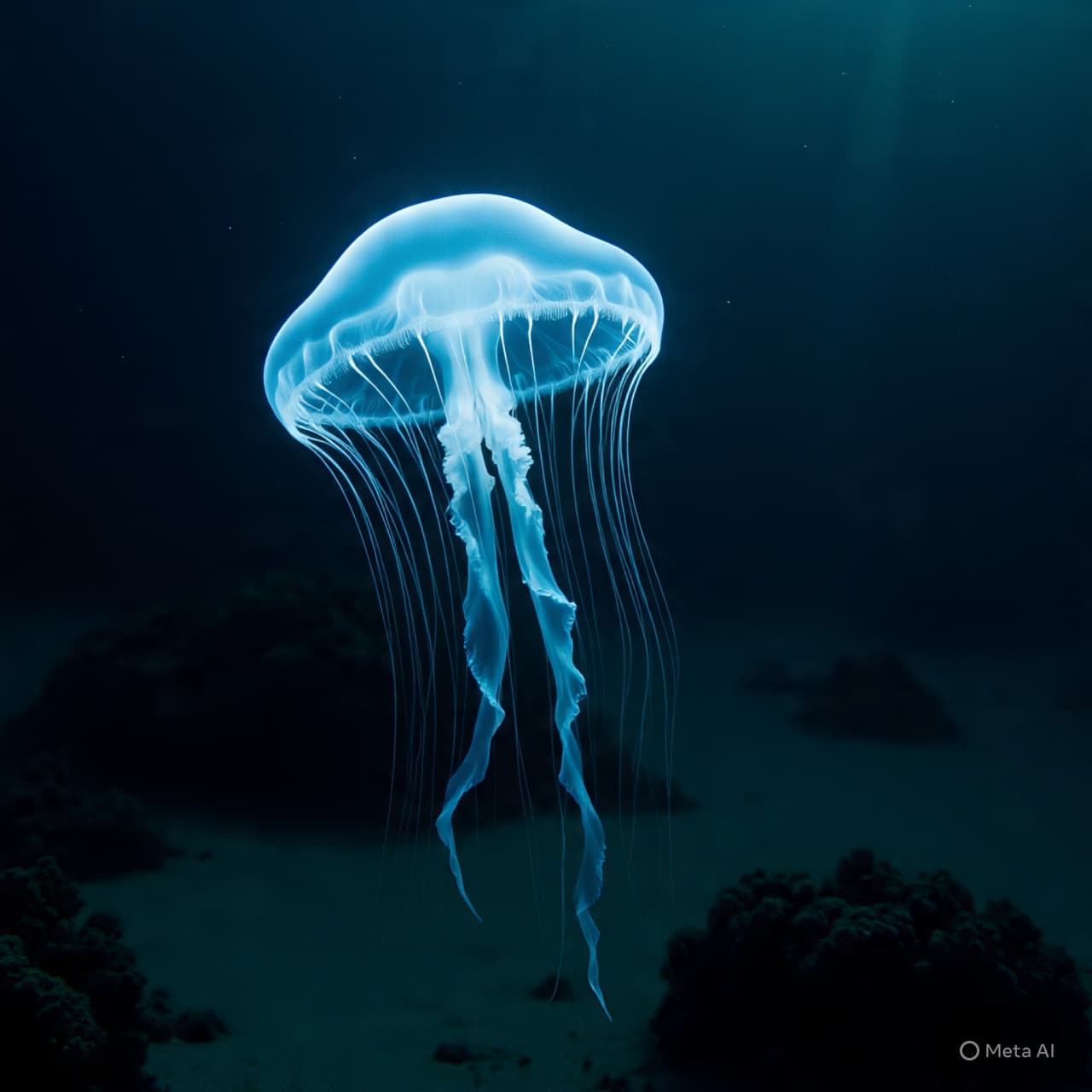
The specimens collected during this voyage are not merely data points; they represent the resilience and adaptability of life in extreme environments. The catsharks, with their intricate patterns resembling ancient lace, and the translucent invertebrates that emit a soft bioluminescence, are testaments to the wonders of evolution. These creatures have adapted to survive in conditions that are often inhospitable to life, thriving in the cold, dark waters far beneath the sunlit surface.
As taxonomists at CSIRO meticulously analyze the samples, they combine traditional morphological studies with cutting-edge DNA analysis to classify these new species. This dual approach not only enhances our understanding of marine life but also highlights the delicate balance of ecosystems that exist in the deep sea. The researchers handle each specimen with care, recognizing their role as the first to document these unique forms of life scientifically.
The RV Investigator acts as a crucial link between the surface world and the hidden depths of the ocean. Equipped with advanced sensors and research tools, the vessel enables scientists to explore and map the underwater landscape, revealing insights into the health of marine ecosystems. The discoveries made during this expedition are pivotal for Australian biodiversity, providing a new baseline for conservation efforts aimed at protecting these fragile environments.
The concept of
Published by Banx Network. This article is part of the Banx decentralized media programme, powered by the BXE token on the XRP Ledger.



