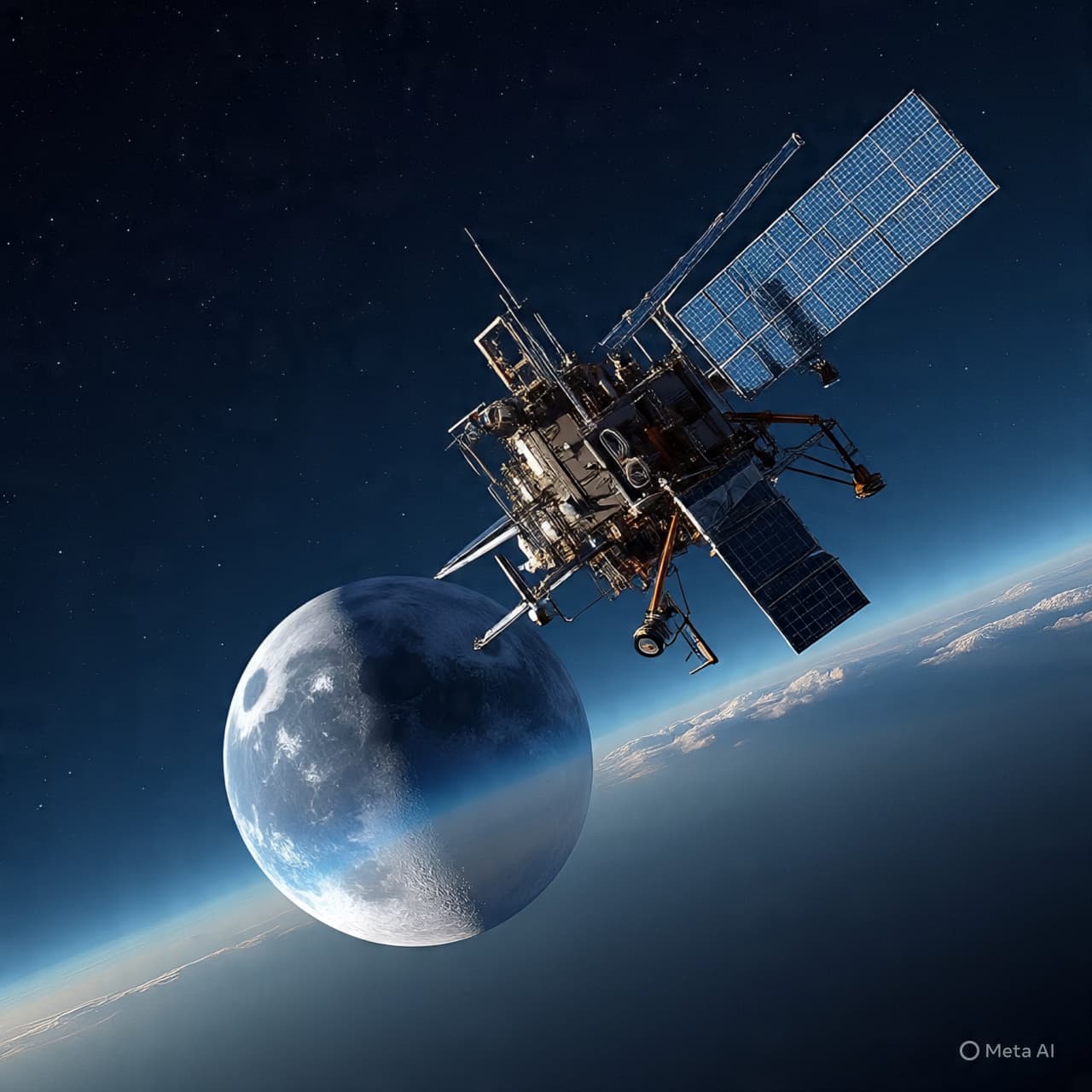
Spaceflight has always been a story of grand ambition paired with the smallest human details. Beyond the roar of rockets and the vastness of space lies a quieter reality—one where even the most advanced missions must contend with the ordinary needs of the human body.
As the Artemis II mission advances toward the Moon, aiming to surpass the distance record set during Apollo 13, a familiar technical challenge has resurfaced. The spacecraft’s onboard toilet system, a critical component for crew comfort and health, has reportedly experienced repeated malfunctions during testing phases.
While such issues may seem minor compared to propulsion or navigation systems, they carry significant implications. In the confined environment of a spacecraft, waste management is essential not only for hygiene but also for maintaining air quality and overall crew well-being during extended missions.
NASA engineers have been working to refine the system, which is designed to function in microgravity using airflow rather than gravity. This technology represents an evolution from earlier designs but has proven sensitive to operational inconsistencies. Reports indicate that troubleshooting efforts are ongoing as the mission timeline progresses.
The Artemis II mission marks a major step in NASA’s return to crewed lunar exploration. Unlike Artemis I, which was uncrewed, this mission will carry astronauts on a journey around the Moon, testing systems critical for future landings. Every component, no matter how small, must perform reliably under extreme conditions.
Historically, space missions have encountered similar challenges. During the Apollo era, astronauts often dealt with rudimentary and uncomfortable waste systems. Modern advancements aim to improve this experience, but the complexity of operating in space continues to present unique engineering hurdles.
Despite the setback, NASA officials emphasize that the issue is being addressed with urgency and transparency. The agency maintains that safety remains the top priority, and no launch decisions will be made without ensuring all systems meet strict performance standards.
The situation also highlights the broader reality of human spaceflight: progress is rarely linear. Each mission uncovers new lessons, often in unexpected places. These lessons, while sometimes inconvenient, contribute to the refinement of future technologies.
As Artemis II moves closer to its historic journey, the focus remains on preparation and resilience. Even as humanity reaches for the Moon once more, it is reminded that exploration is as much about solving practical challenges as it is about achieving extraordinary milestones.
In the vast silence of space, even the smallest systems must work flawlessly—because there, nothing is truly small.
AI Image Disclaimer Visuals are created with AI tools and are not real photographs.
Source Check (Credible Media): NASA CNN Reuters Space.com The New York Times
Published by Banx Network. This article is part of the Banx decentralized media programme, powered by the BXE token on the XRP Ledger.