
SCIENCE94% credibility
Beneath the Surface: A Quiet Step Toward the Universe’s Hidden Matter
A deep-underground experiment reaches a key milestone in the search for dark matter, improving sensitivity but not yet confirming detection.
2 min read

A deep-underground experiment reaches a key milestone in the search for dark matter, improving sensitivity but not yet confirming detection.
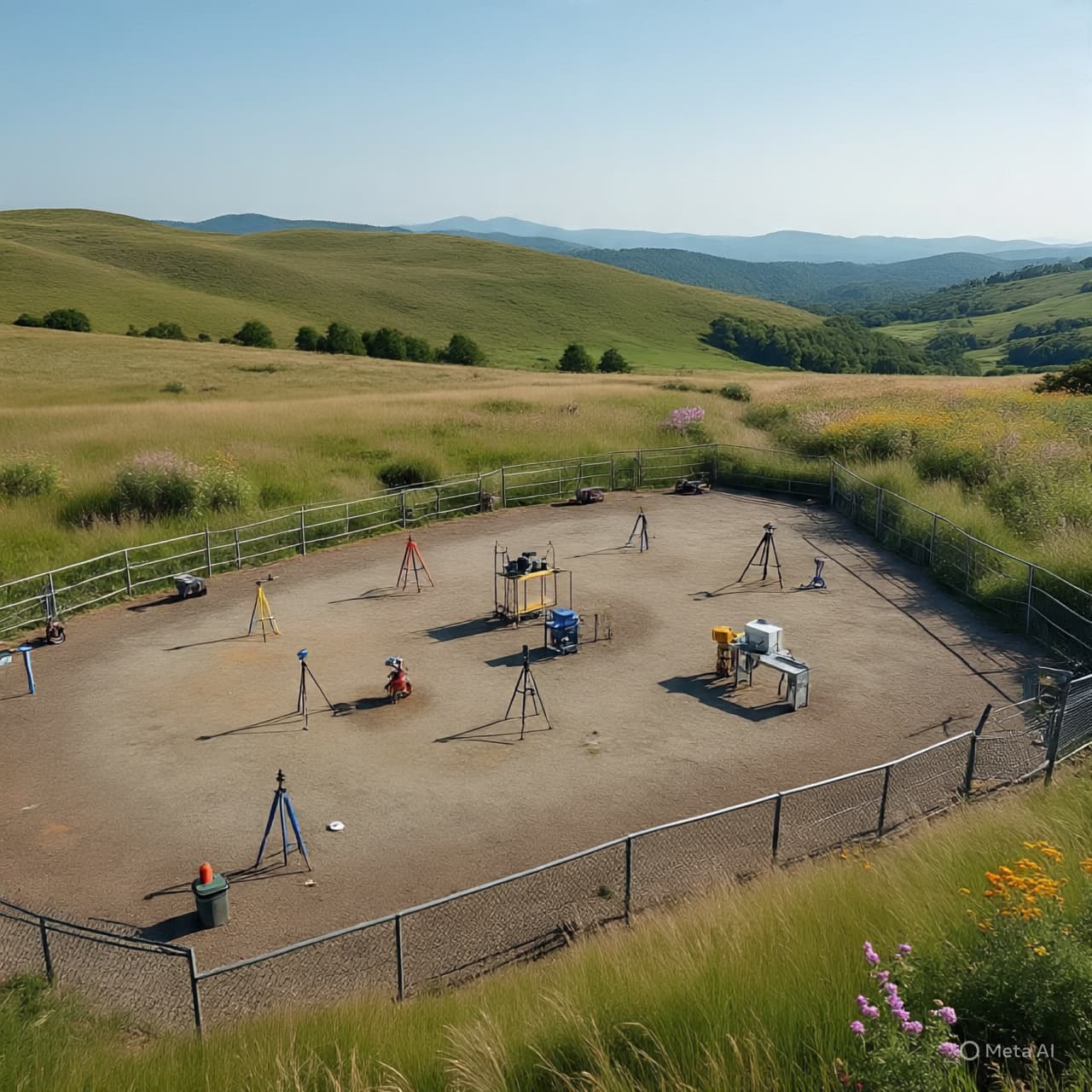
Scientists propose an outdoor decomposition research facility near Windsor to advance forensic science, while addressing ethical, environmental, and community concerns.

Cyclone Maila is weakening and slowing as it approaches Australia. Authorities continue monitoring the system, warning that despite reduced intensity, risks like heavy rain remain.

Artemis II astronauts safely returned to Earth after splashdown off California. The mission marks a key step in NASA’s plan for future lunar exploration.

Scientists believe a comet disintegrated near the Sun, highlighting the fragile nature of these celestial bodies and the intense forces within our solar system.

NASA’s Artemis II mission prepares for Pacific splashdown, marking a key milestone in lunar exploration and offering global audiences a chance to witness history.

The stabilization of the major Latin American markets marks a pivotal moment of economic recovery and fiscal maturity for the southern hemisphere.

The ecological recovery of the Mekong Delta marks a triumphant return to balance for one of the world’s most vital and endangered river systems.

The rapid integration of generative intelligence into the global workforce is redefining the boundaries of creativity and efficiency, ushering in a new era of collaborative innovation.

Urban greening projects are expanding across major cities, utilizing native plant species and community engagement to create sustainable public sanctuaries and improve ecological health.

Strategic analysis from Spain underscores the fading dominance of Western influence, marking a significant transition toward a more complex and multipolar global order.
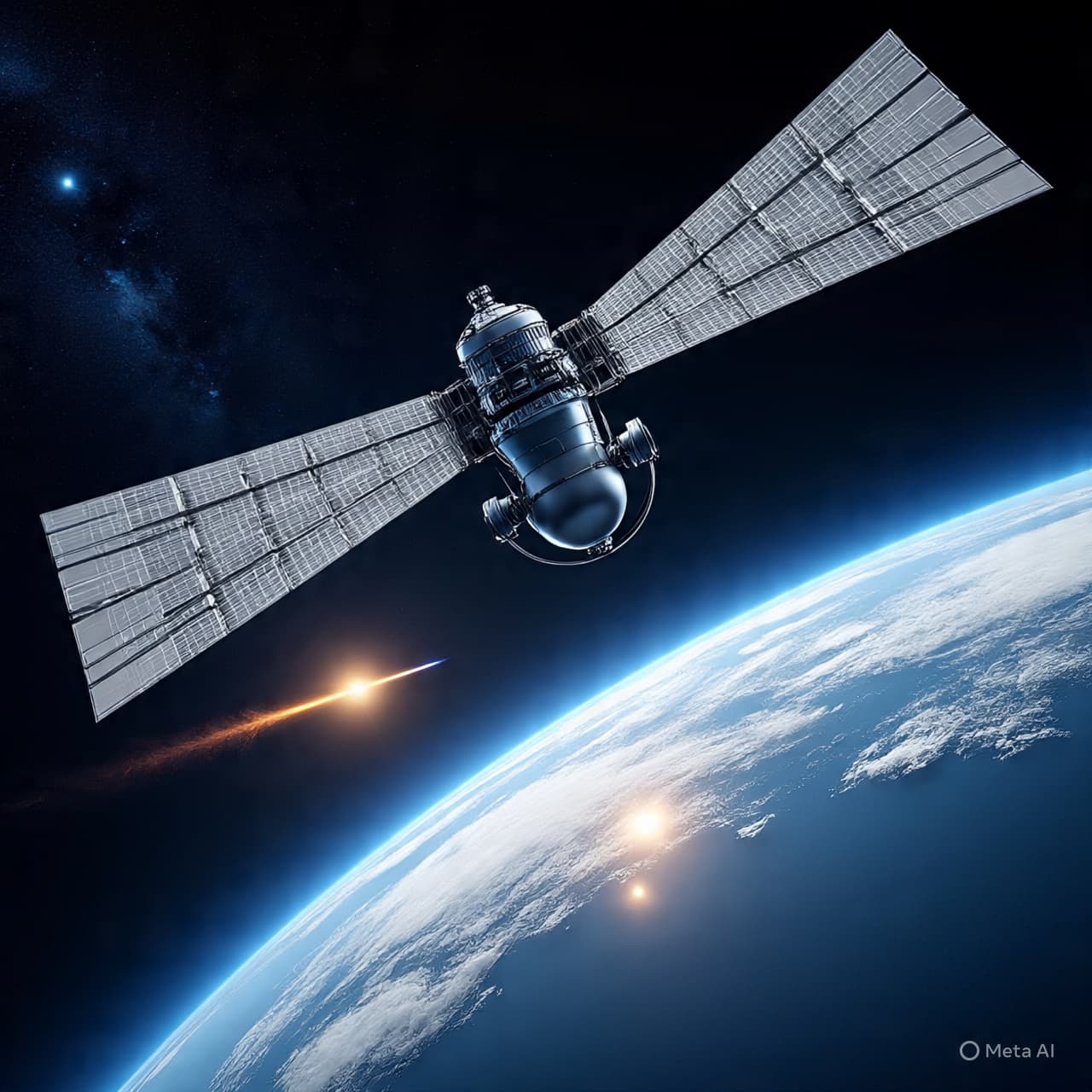
ISRO’s latest satellite launch marks a significant leap in agricultural technology, providing a celestial vantage point to ensure the health and sustainability of India’s harvests.

The integration of digital tools into diabetes management in India is creating a more personalized and proactive approach to health, empowering individuals to navigate their wellness journey.
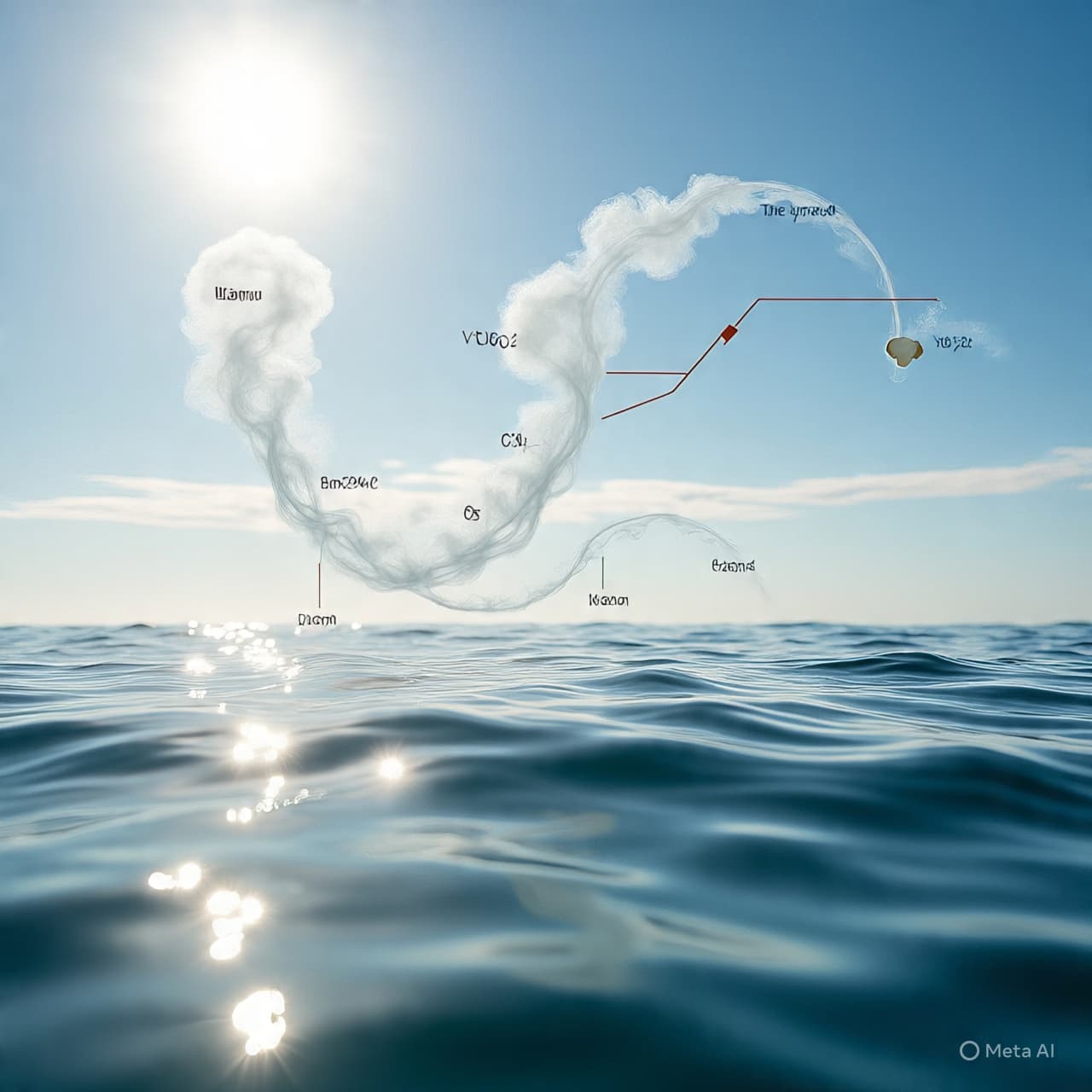
Scientists warn of a hidden ocean feedback loop that could accelerate climate change by reducing carbon absorption and altering marine ecosystems, potentially intensifying global warming.

Scientists detected a solar flare with unusual spectral behavior, challenging current models of solar activity and offering new insights into magnetic energy and space weather dynamics.

A 300-million-year-old fossil reveals how early land animals adapted to breathe air, offering new insight into the gradual evolution of respiratory systems and life’s transition from water to land.

Artemis II astronauts witnessed a rare lunar eclipse from space, describing it as unforgettable, adding a profound human moment to a technical mission.

NASA sent organ chips aboard Artemis II to study how human cells respond to deep space conditions, helping prepare for long-duration missions like Mars.

Scientists reexamined a fossil once thought to be the oldest octopus and found it likely belongs to a different cephalopod group, refining our understanding of octopus evolution.
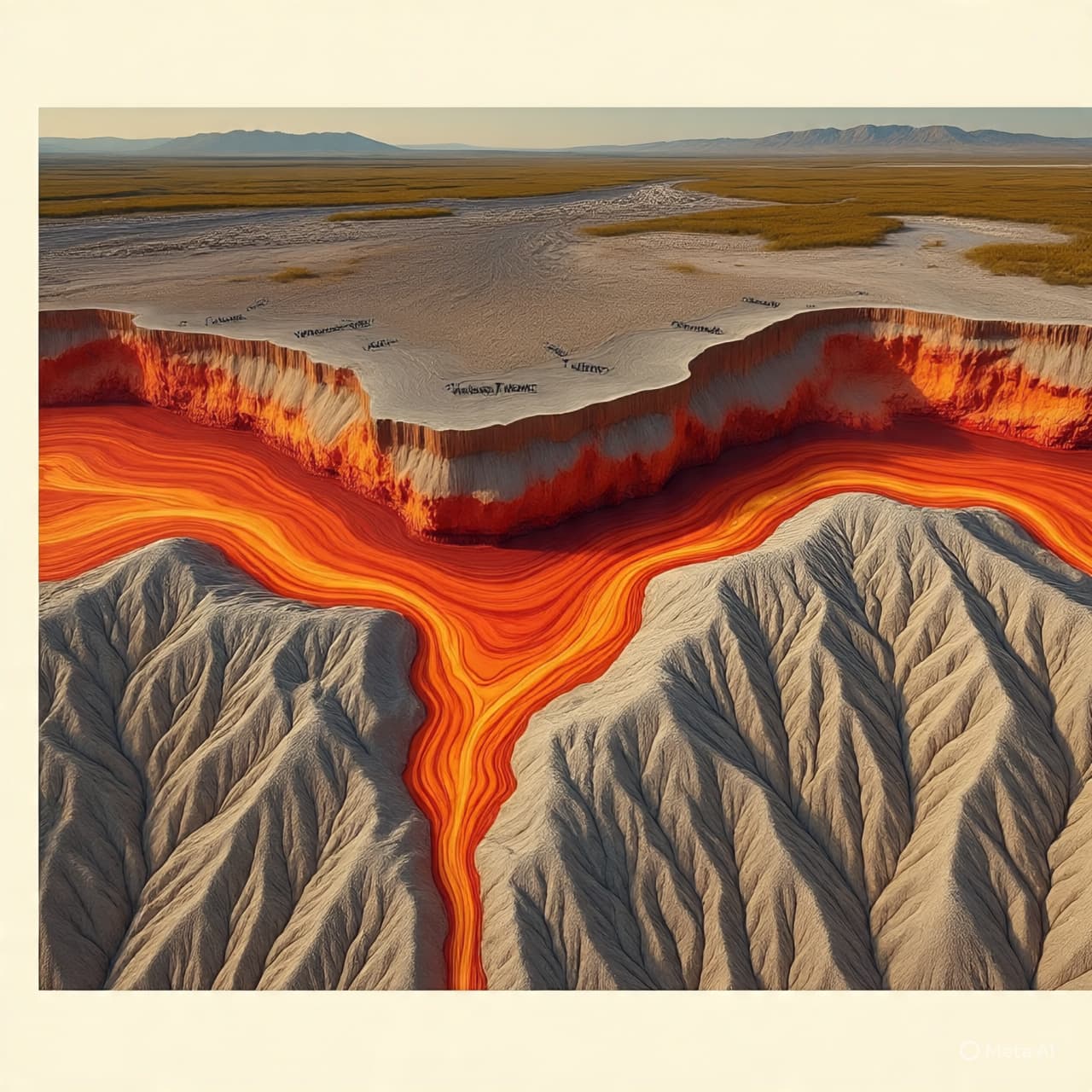
New research suggests Yellowstone’s supervolcano may be powered by a shallower mantle source, offering fresh insight into volcanic systems without raising eruption concerns.
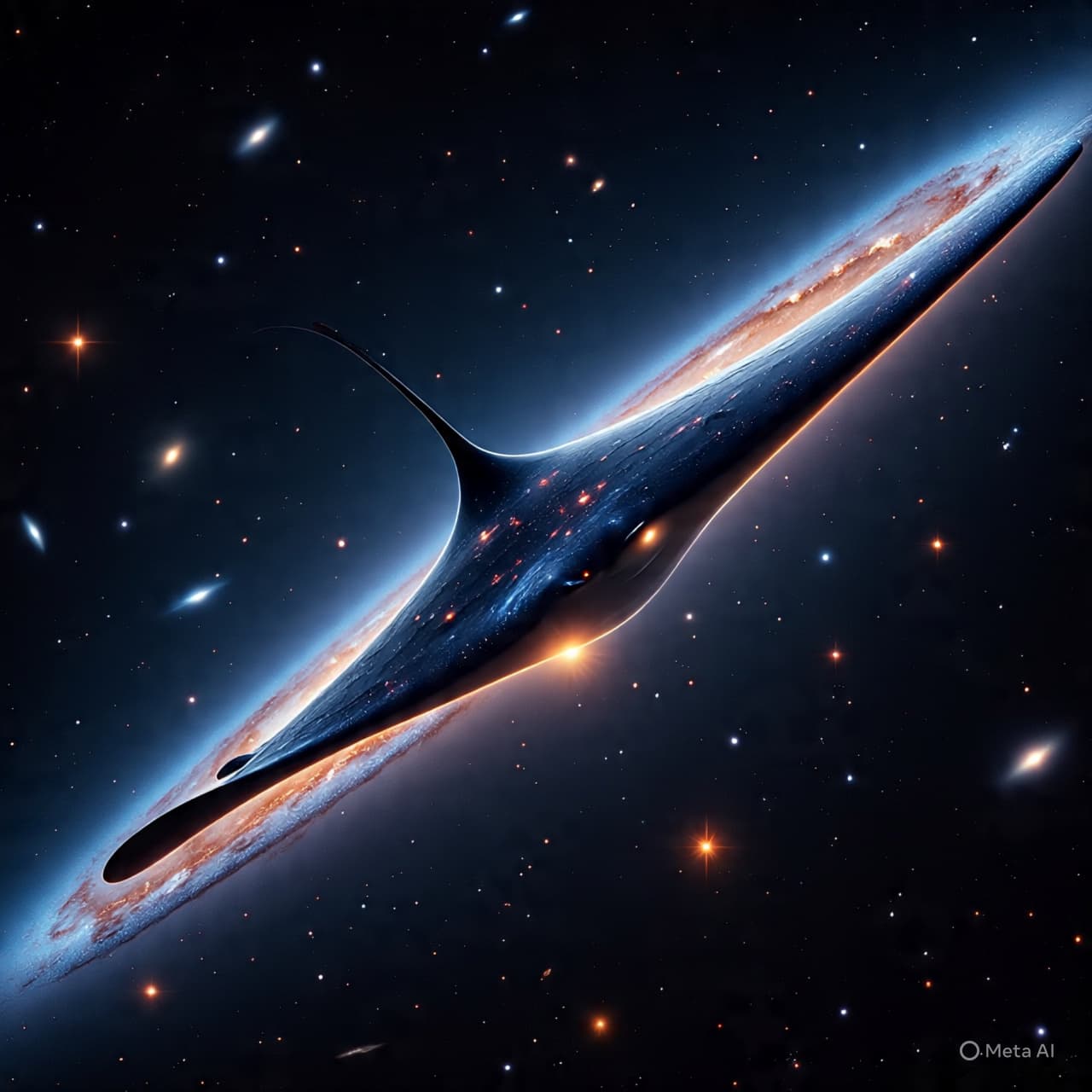
A “stingray”-shaped galaxy system observed by the James Webb Telescope may help explain mysterious “little red dots” in the early universe.
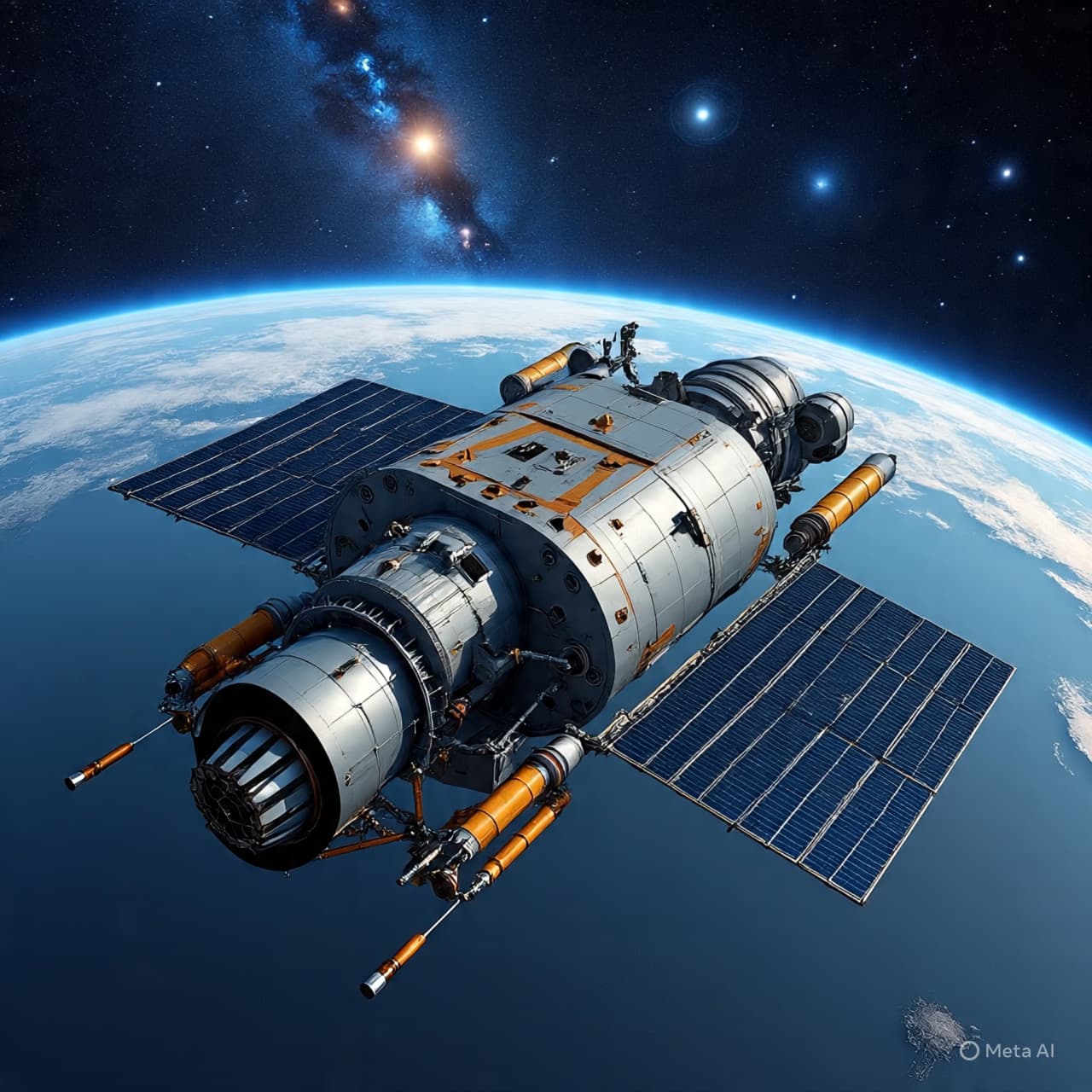
NASA confirms a helium leak in the Orion spacecraft poses no risk to Artemis II reentry, though redesign efforts are underway to improve long-term mission reliability.
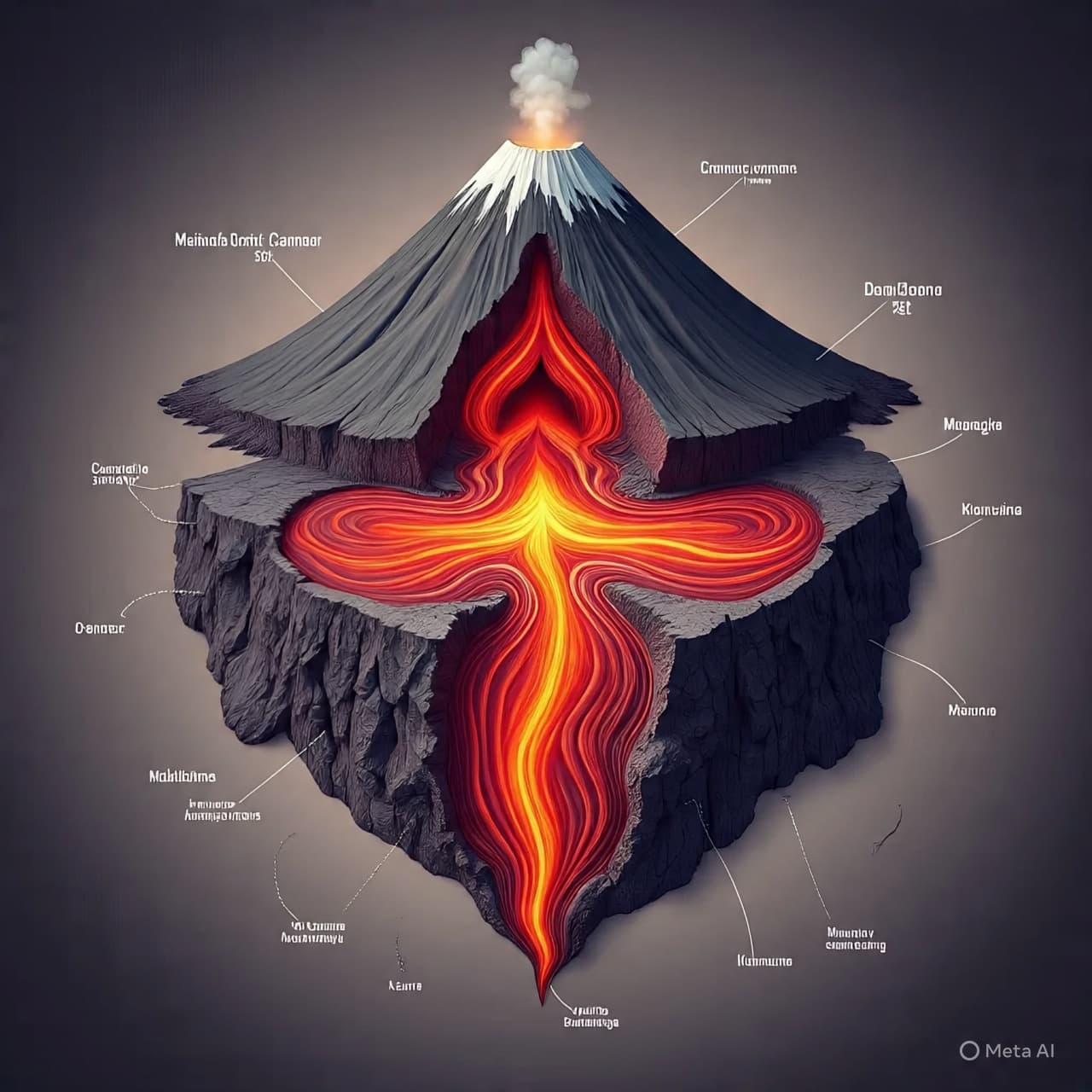
New research shows supervolcanic magma may originate from the shallow mantle, improving scientific understanding and helping refine volcanic monitoring systems.

NASA’s Artemis missions continue to deliver scientific discoveries, improving understanding of the Moon, space environment, and future human exploration.