

Key Highlights
- Ocean Feedback Loop:New research identifies a feedback loop that may accelerate climate change.
- Carbon Absorption Decline:Warmer ocean waters reduce carbon dioxide absorption, worsening global warming.
- Ecosystem Impact:Changes in marine life, particularly phytoplankton, could further diminish the ocean's carbon capture ability.
[The Ocean's Role in Climate Change]
The ocean has long been described as Earth’s silent guardian, absorbing heat and carbon in ways that soften the sharpest edges of climate change. Its vastness gives the impression of stability, a steady rhythm beneath the unpredictability of weather and time. Yet beneath this calm surface, new research suggests there may be processes quietly amplifying the very changes it once helped contain.
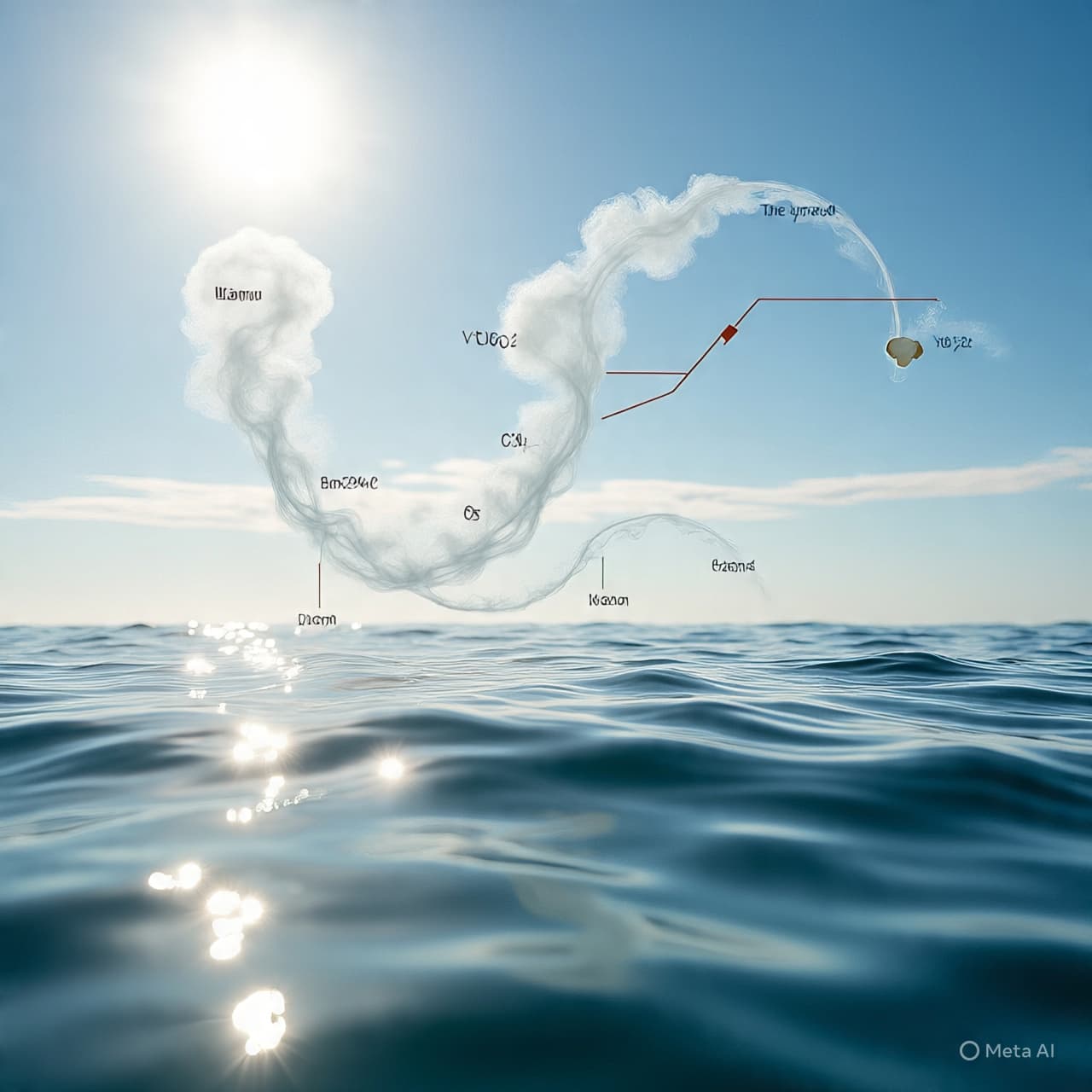
Scientists have identified a potential hidden feedback loop within ocean systems that could accelerate global warming. Feedback loops, in climate science, refer to processes that either amplify or dampen environmental changes. In this case, the loop appears to reinforce warming trends rather than mitigate them. This alarming discovery raises questions about the ocean's role in climate dynamics and its capacity to buffer against climate change.
The mechanism involves the interaction between ocean temperature, carbon absorption, and biological activity. As ocean waters warm, their ability to absorb carbon dioxide decreases. This reduction leaves more greenhouse gases in the atmosphere, which in turn leads to further warming—a cycle that feeds itself. The implications of this feedback loop are profound, as it suggests that the ocean, rather than being a passive participant, may actively contribute to climate change.
Compounding this effect is the response of marine ecosystems. Warmer temperatures can alter phytoplankton populations, microscopic organisms that play a crucial role in carbon sequestration. A decline in these populations could further reduce the ocean’s capacity to capture carbon, intensifying the feedback loop. This change not only affects carbon dynamics but also disrupts the entire marine food web, with potential consequences for fisheries and coastal communities.
Researchers emphasize that this process is not entirely new but has been underestimated in its potential impact. Advances in modeling and data collection have allowed scientists to observe interactions that were previously difficult to quantify. The growing body of evidence suggests that the ocean's role in climate change is more complex than previously understood, necessitating a reevaluation of existing climate models.
The implications are significant. If the feedback loop operates at scale, it could accelerate the pace of climate change beyond current projections. This would affect not only global temperatures but also weather patterns, sea levels, and ecosystem stability. The urgency of addressing these findings cannot be overstated, as they highlight the need for immediate action in climate policy and environmental management.
Despite the concerning nature of the findings, scientists approach the subject with measured caution. Climate systems are inherently complex, and further research is needed to determine the extent and variability of this feedback loop. Not all regions of the ocean may respond in the same way, and localized studies will be crucial in understanding the broader implications.
There is also a broader perspective to consider. The discovery highlights the interconnectedness of Earth’s systems, where changes in one domain ripple across others. It underscores the importance of comprehensive climate models that account for both visible and hidden processes. For policymakers and environmental planners, such insights are crucial. They inform strategies aimed at mitigation and adaptation, helping societies prepare for a range of possible futures.
In the end, the ocean remains a central figure in the climate story—both a buffer and, potentially, an amplifier. Understanding its hidden dynamics is not just a scientific endeavor but a necessary step in navigating the challenges ahead.
Published by Banx Network. This article is part of the Banx decentralized media programme, powered by the BXE token on the XRP Ledger.




