
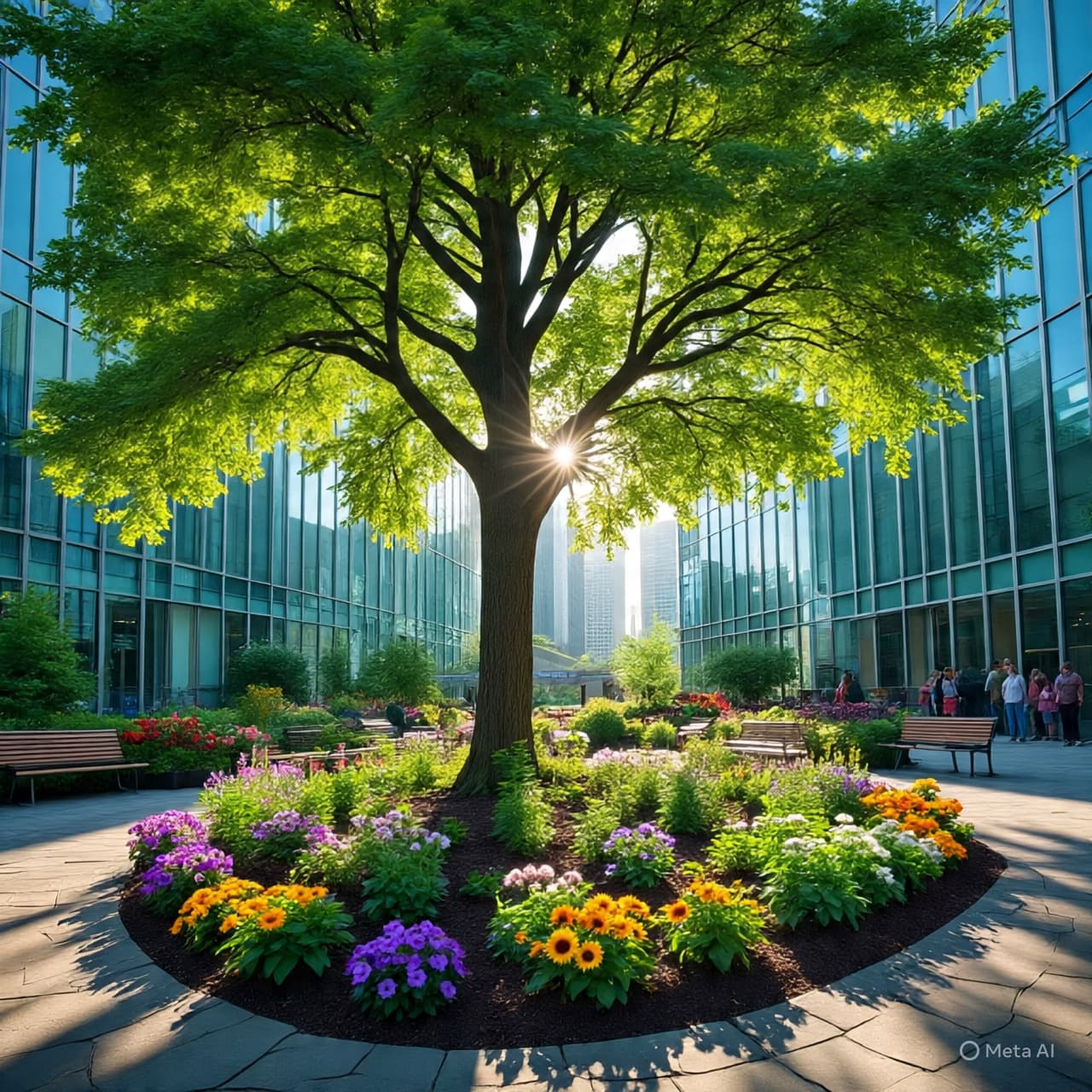
Key Highlights
- Urban greening initiatives are on the rise in major cities.
- Community gardens enhance biodiversity and provide recreational spaces.
- Public-private partnerships are funding the restoration of green spaces.
Urban greening initiatives are increasingly recognized as essential components of urban infrastructure, reflecting a growing commitment to integrating nature into city life. These projects aim to enhance biodiversity, improve air quality, and provide accessible recreational spaces for all citizens. As cities expand and populations grow, the need for green spaces becomes more critical, offering a refuge from the concrete landscape and a chance for communities to reconnect with nature.
The act of cultivating green spaces is not merely about planting trees or flowers; it is a holistic approach that involves careful planning and community engagement. Municipalities are prioritizing the development of public parks and community gardens, recognizing their role in promoting mental and physical well-being. These green sanctuaries serve as vital lungs for urban areas, providing a necessary balance to the hustle and bustle of city life.
In recent years, efforts to expand urban forestry have led to a measurable increase in canopy cover across several major metropolitan areas. These initiatives often utilize native species, which are better adapted to local conditions and support local wildlife. By promoting local ecosystem health, cities can mitigate the effects of urban heat islands, improve air quality, and enhance the overall quality of life for residents.
Public-private partnerships are playing a crucial role in funding the restoration of historic gardens and the creation of new green corridors. These collaborations leverage resources and expertise from both sectors to ensure the sustainability of these projects. Environmental planners and forestry experts oversee the long-term management of these areas, ensuring that they continue to thrive and serve the community effectively.
The benefits of urban greening extend beyond aesthetics; they also contribute to social cohesion and community pride. Community gardens, for instance, not only provide fresh produce but also foster relationships among neighbors, creating a sense of belonging and shared purpose. These spaces often become hubs for educational programs, workshops, and events that engage residents and promote environmental stewardship.
As cities continue to grow, the preservation and expansion of green spaces will be vital for future generations. The commitment to cultivating these areas reflects a broader understanding of the interconnectedness of urban life and the natural world. By investing in urban greening initiatives, cities are not only enhancing their landscapes but also ensuring a healthier, more sustainable future for all residents.
Published by Banx Network. This article is part of the Banx decentralized media programme, powered by the BXE token on the XRP Ledger.



