Out at sea, where horizons stretch unbroken and winds write their own stories, Cyclone Maila has been tracing a path once marked by intensity. But storms, like all forces of nature, are rarely static. They rise, they evolve, and sometimes, they begin to soften.
Meteorological authorities report that Cyclone Maila is weakening and slowing as it approaches Australian waters. Once carrying stronger winds and greater momentum, the system has gradually lost strength, shifting into a less severe classification.
The change does not erase concern, but it reshapes it. A slower-moving system can still bring heavy rainfall, coastal surges, and localized disruptions. In some cases, reduced speed allows weather patterns to linger longer over affected regions.
The Bureau of Meteorology continues to monitor the cyclone closely, issuing updates to ensure communities remain informed. While the immediate threat level may have decreased, preparedness remains essential for those along potential impact zones.
Weather systems like Maila are influenced by a range of factors—sea surface temperatures, atmospheric pressure patterns, and wind shear. In this case, environmental conditions appear to be limiting the cyclone’s ability to maintain its earlier intensity.
Communities in northern Australia have been advised to stay alert but not alarmed. Emergency services and local authorities are maintaining readiness, ensuring that response measures can be activated if conditions shift unexpectedly.
For residents, the changing forecast brings a cautious sense of relief. The difference between a severe cyclone and a weakened system can significantly alter outcomes, from infrastructure damage to personal safety risks.
Still, nature’s unpredictability remains a constant. Even a weakening storm can produce sudden changes, particularly in coastal or low-lying areas where water accumulation can become a concern.
As Cyclone Maila continues its approach, the focus remains on observation and preparation rather than urgency. In the vast conversation between ocean and atmosphere, this is a moment where intensity gives way to restraint—though not entirely to calm.
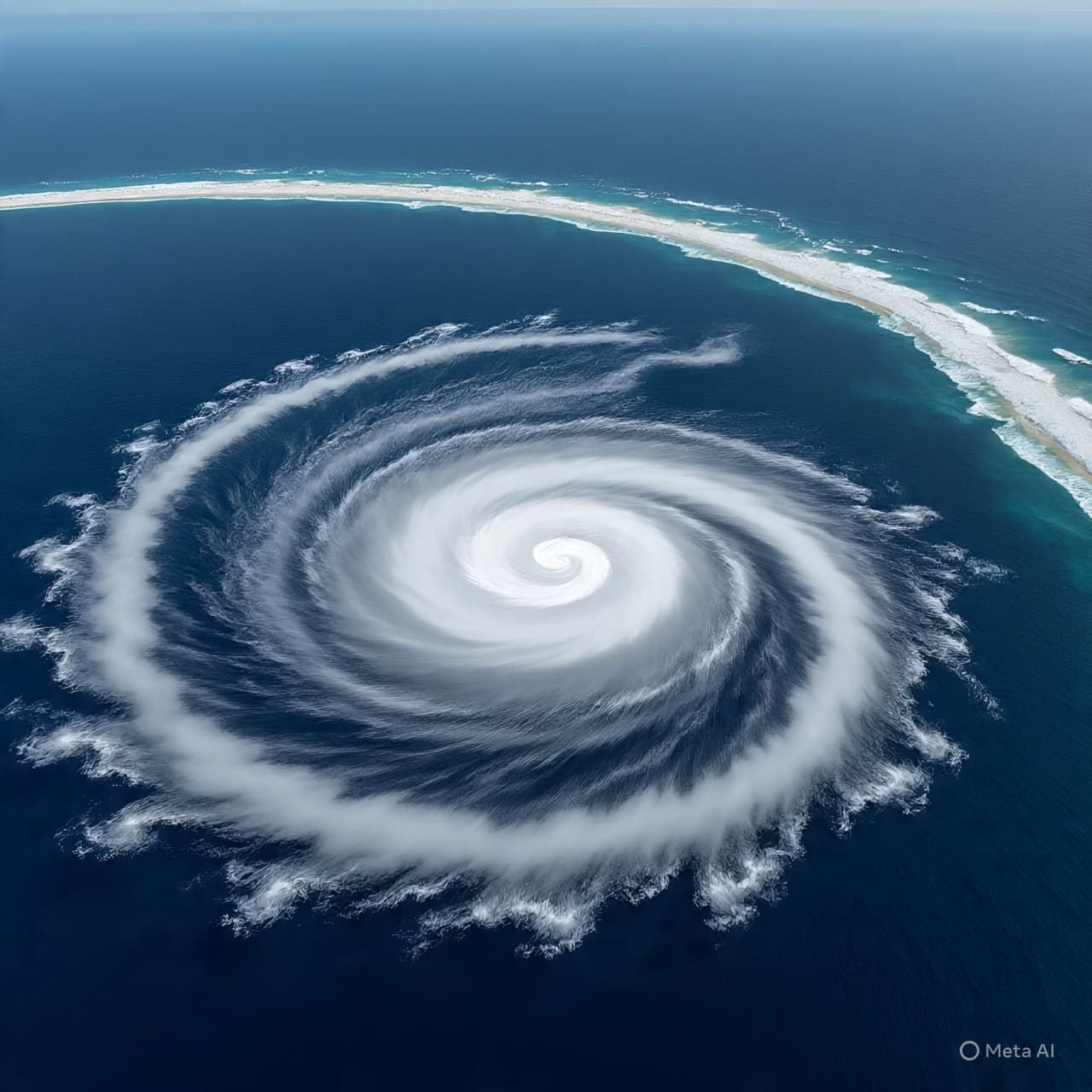
AI Image Disclaimer Illustrations were produced with AI and serve as conceptual depictions.
Source Check Bureau of Meteorology Australia Reuters BBC Weather The Guardian Al Jazeera
Published by Banx Network. This article is part of the Banx decentralized media programme, powered by the BXE token on the XRP Ledger.