
Key Highlights
- Generative AI adoption surged in early 2026, transforming creative sectors.
- The partnership between humans and machines is redefining originality.
- Ethical considerations are paramount in the integration of AI into workflows.
The emergence of generative AI systems in early 2026 has sparked a transformative wave across creative and industrial sectors. This technological renaissance is characterized by a profound shift in how businesses approach problem-solving and content creation. As global technology firms report a significant increase in the adoption of these systems, the narrative of partnership between human expertise and machine learning is being rewritten.
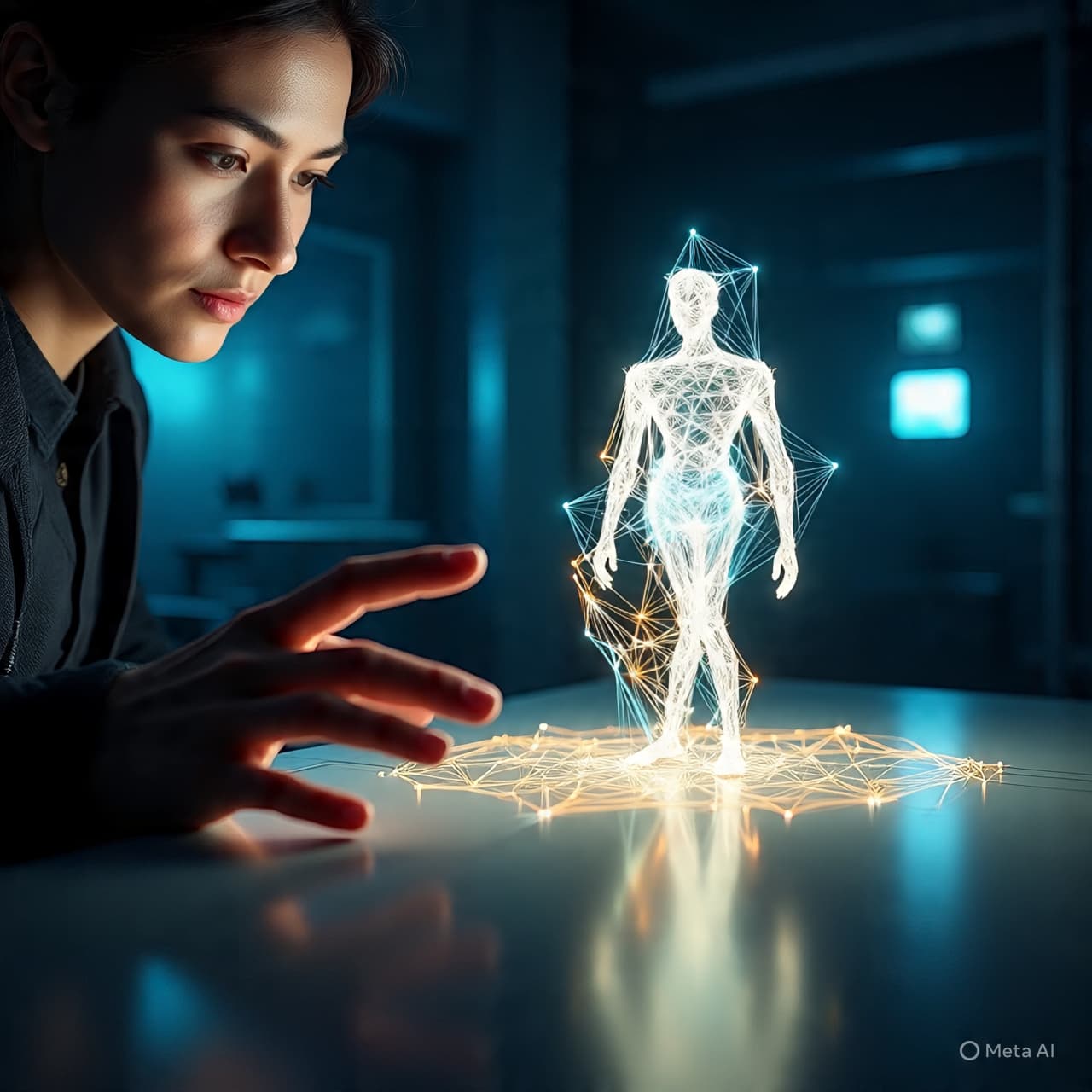
In this new landscape, the boundaries between human intuition and machine precision are becoming increasingly fluid. The rise of these generative systems is akin to opening a new, invisible forge, where raw data is transformed into innovative expressions. This cognitive leap signifies a tool evolving into a collaborator, amplifying individual creativity through the vast processing power of networks.
The implications of this shift extend beyond mere efficiency; they challenge our understanding of originality and the value of the human touch in creative endeavors. As machines begin to grasp the nuances of metaphor and artistic rhythm, they offer a glimpse into a future where the limitations of the physical world are transcended by the possibilities of the virtual. This evolution is not merely about replacing human effort but enhancing it, allowing creators to explore deeper realms of their imagination.
The atmosphere within creative and technical communities is one of focused wonder. There is a collective recognition that the rules of production have fundamentally changed. As we navigate this new terrain, ethical stewardship becomes crucial. Ensuring that machines serve to enhance rather than replace the human spirit is paramount. This forward-looking perspective emphasizes the need for a framework of trust that can withstand the pressures of rapid technological transformation.
In the quiet spaces of artists and the bustling offices of engineers, discussions are increasingly centered on the quality of the 'synthetic breath' that these tools provide. The true power of generative AI lies in its ability to handle mundane tasks, freeing human minds to pursue the sublime. This shift is not seen as a harbinger of obsolescence but rather as a triumphant homecoming—a new way to explore the depths of creativity.
As these systems become as ubiquitous as traditional tools like pens and cameras, their influence will ripple through classrooms and galleries worldwide. This suggests a future where humanity's narrative is one of boundless discovery and technical grace. The code is running, the forge is hot, and the path to a new era of collaborative thought is wider than ever. It is a testament to the enduring human desire to build a better, more intelligent world, where curiosity and technology drive progress together.
In summary, the rise of generative AI in 2026 marks a pivotal moment in the creative landscape. As we embrace these advancements, we must remain vigilant about the ethical implications and strive to ensure that technology serves as a partner in our creative journeys, rather than a replacement for the human spirit.
Published by Banx Network. This article is part of the Banx decentralized media programme, powered by the BXE token on the XRP Ledger.



