SCIENCE94% credibility
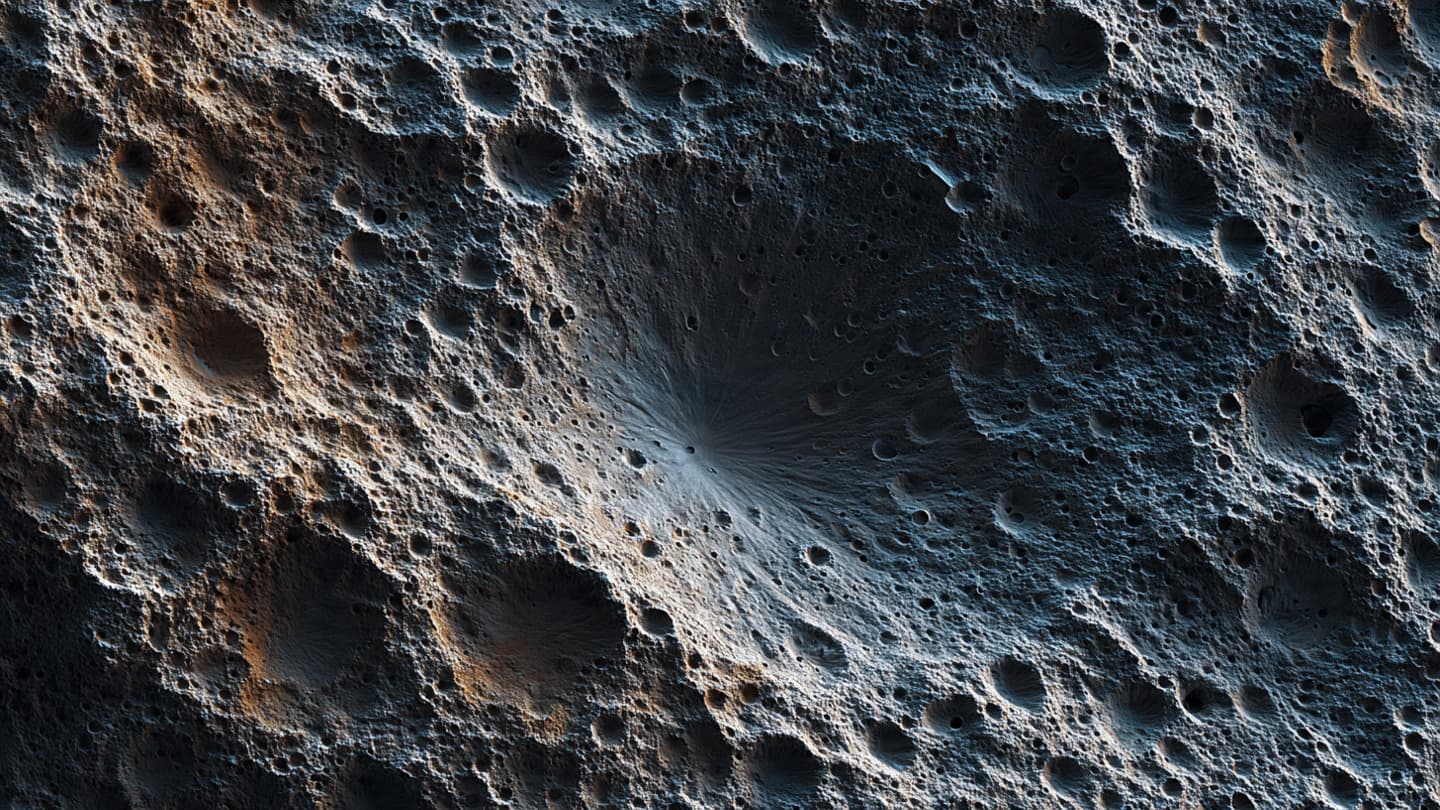
In countless tiny impacts, an asteroid’s surface quietly transforms
Studies of Ryugu samples show micrometeoroid impacts created a thin sodium-rich surface layer over the past 1,000 years.
1 min read

Studies of Ryugu samples show micrometeoroid impacts created a thin sodium-rich surface layer over the past 1,000 years.
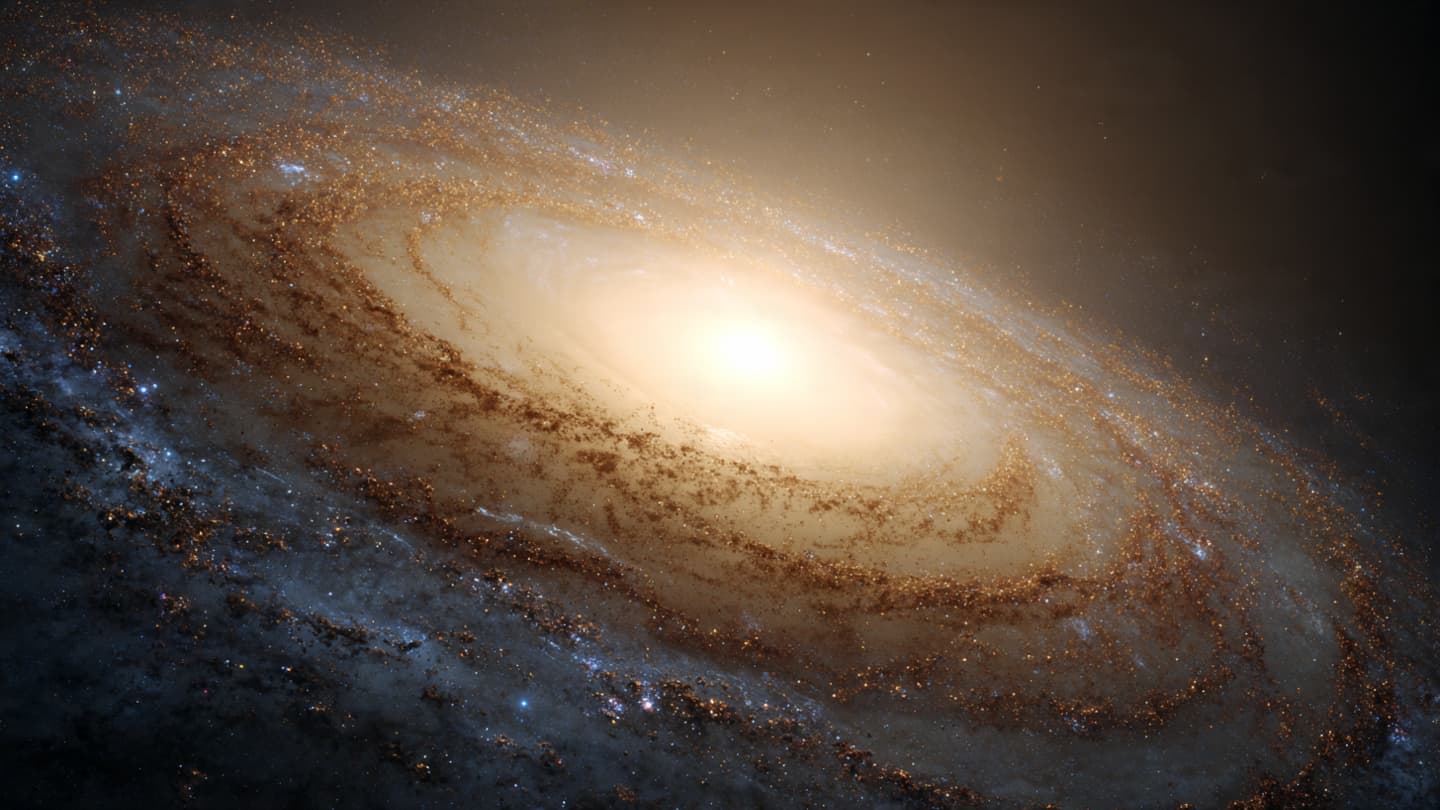
New telescope observations reveal the Sombrero Galaxy in enhanced detail, aiding research on galactic structure and evolution.
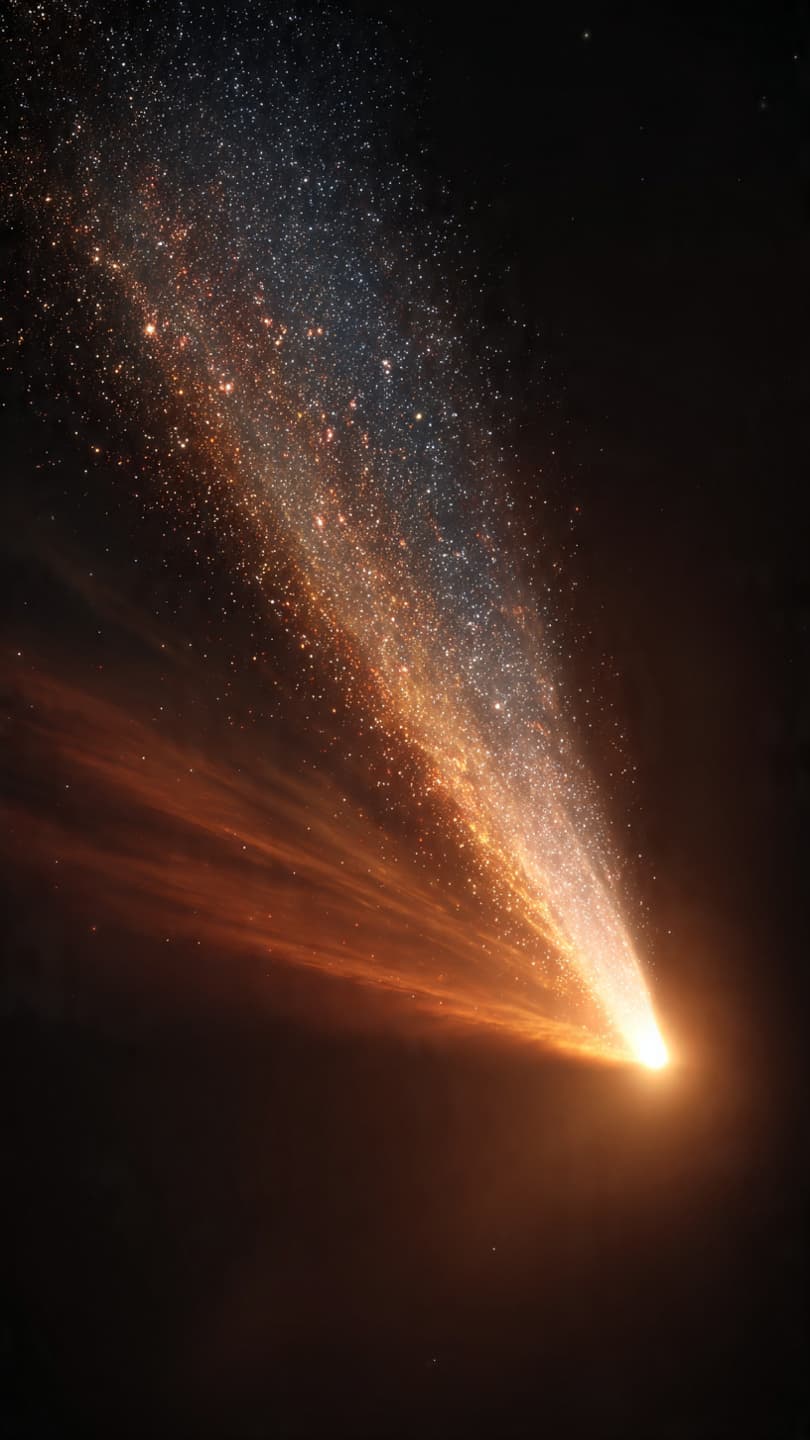
Scientists traced interstellar comet 3I/ATLAS to an extremely cold, ancient region of the Milky Way using its unusual water composition, offering insights into early planetary systems.

Wales has approved the expansion of regenerative sea farms following a marine biotech breakthrough, aiming to boost sustainable packaging production and carbon sequestration along the coast
Leiden University scientists have created hybrid bio-solar cells using bacterial proteins, increasing energy efficiency by 15% while reducing manufacturing carbon footprints.
The Dutch economy is projected to grow by 2.1% in 2026, driven by a surge in high-tech and renewable energy exports to key international markets.
Paleontologists in Neuquén have discovered a new 25-meter-long titanosaur species from the Late Cretaceous, offering unique insights into the diversity of prehistoric giants in South America.
The LLAMA observatory in high-altitude Salta has begun deep space mapping, utilizing advanced radio telescopes to study star formation and interstellar clouds in the southern sky.

An abandoned PhD research project contributes to new insights into the historical origins of the Twelve Apostles.
Eris TestFlight1 investigation examines launch anomalies, highlighting iterative learning in aerospace development.
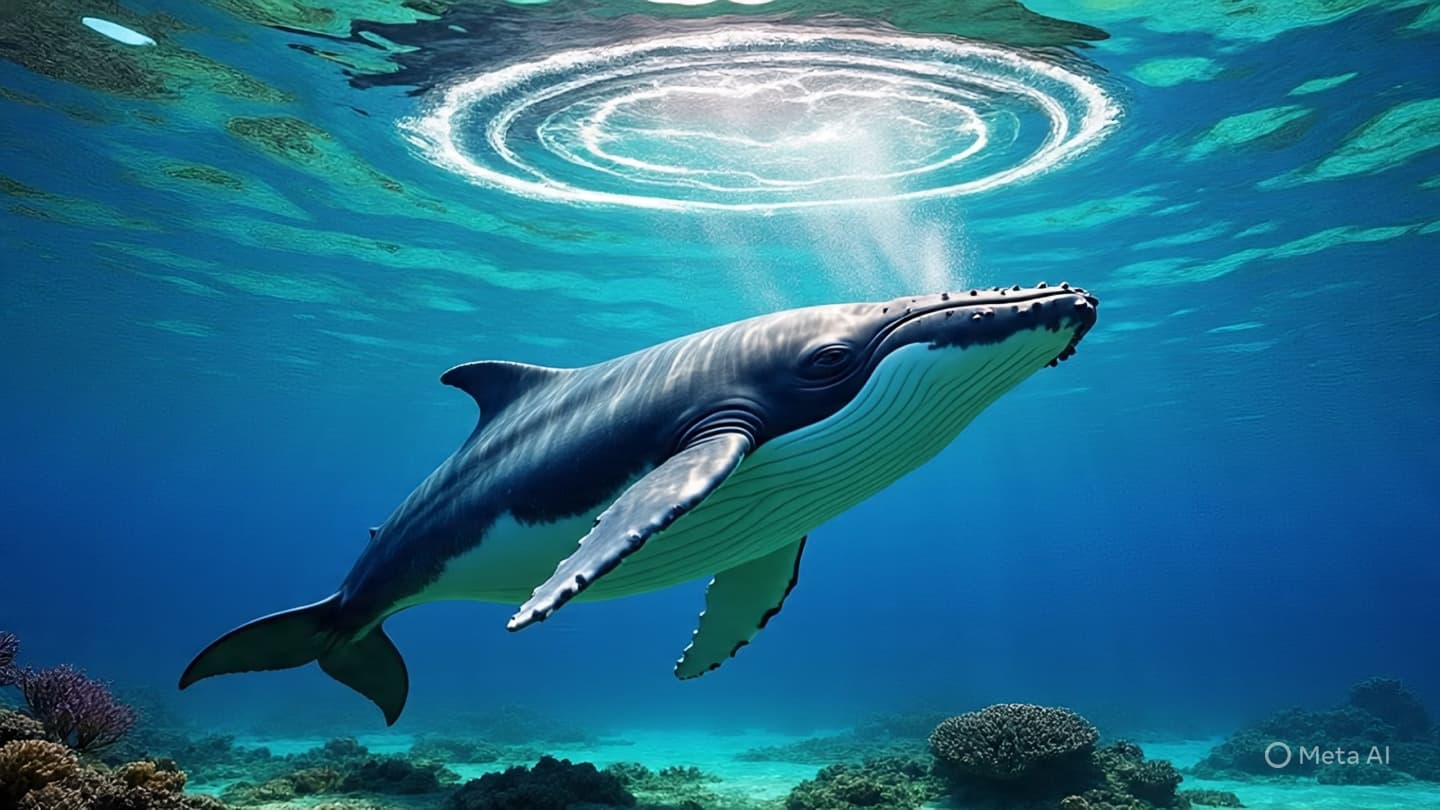
Scientists use whale songs and acoustic data to study marine ecosystems, revealing migration patterns and environmental changes.
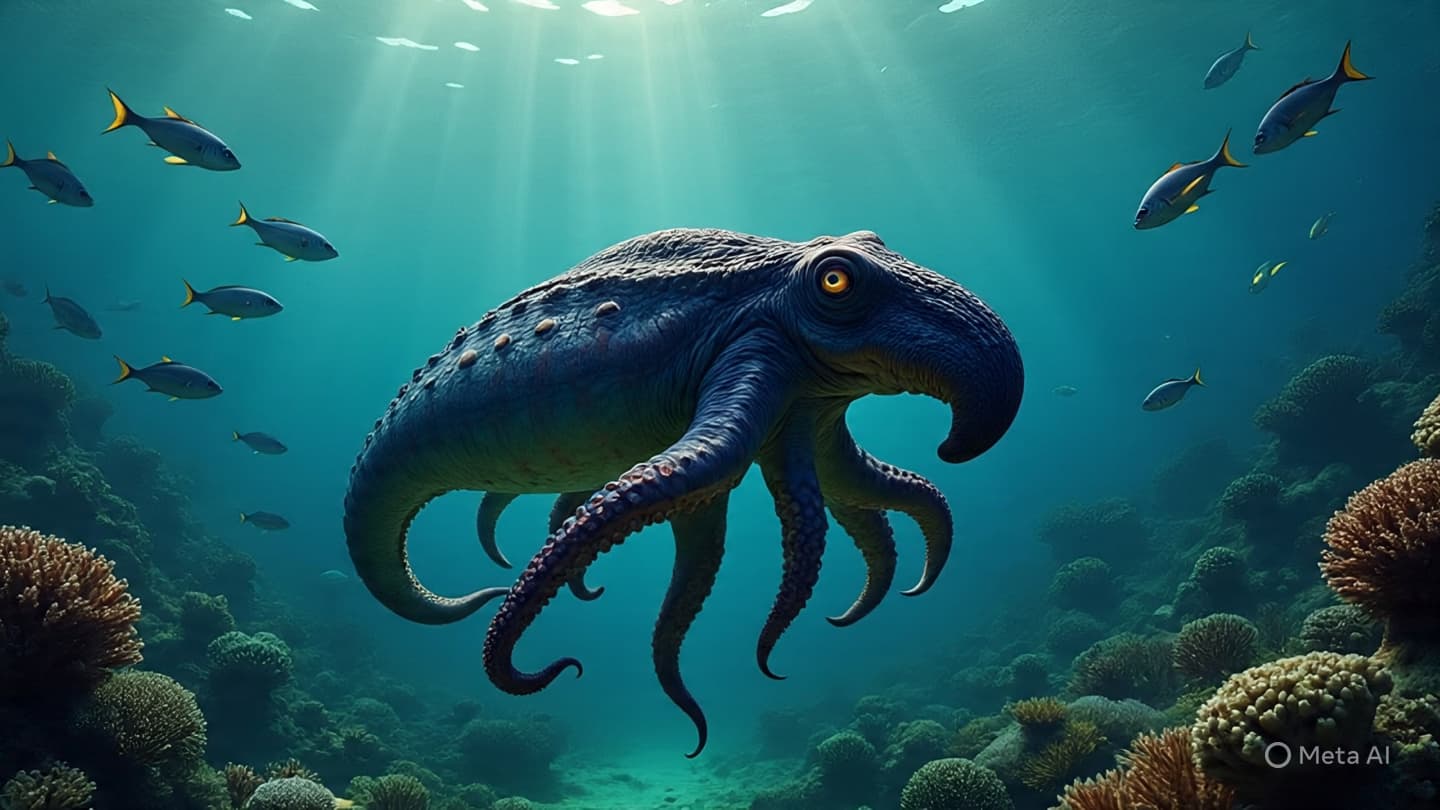
Scientists describe a possible 19-meter ancient octopus-like predator, based on fossil evidence, though interpretations remain under study.
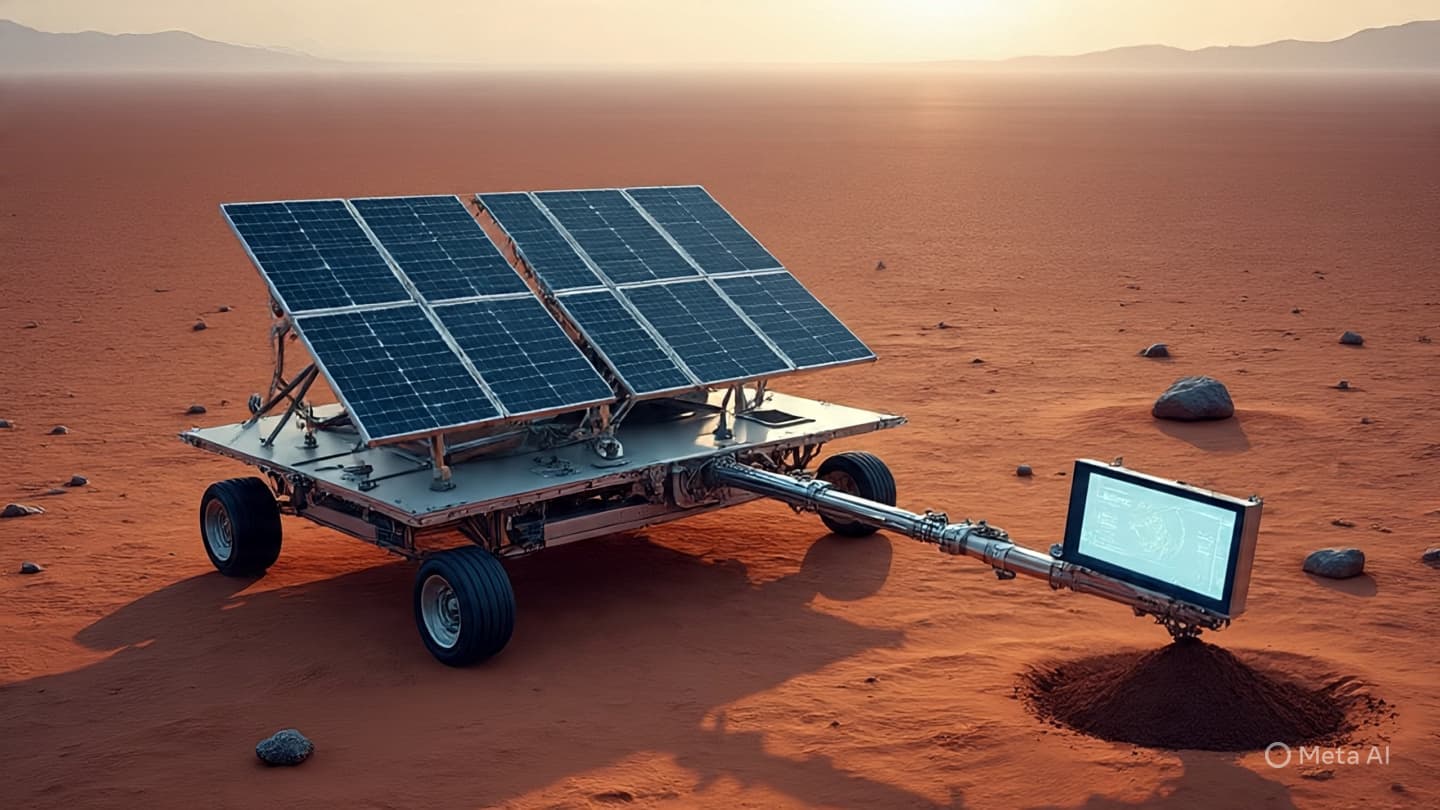
China’s Tianwen-3 mission aims to return Mars samples to Earth, advancing the global search for signs of past life.
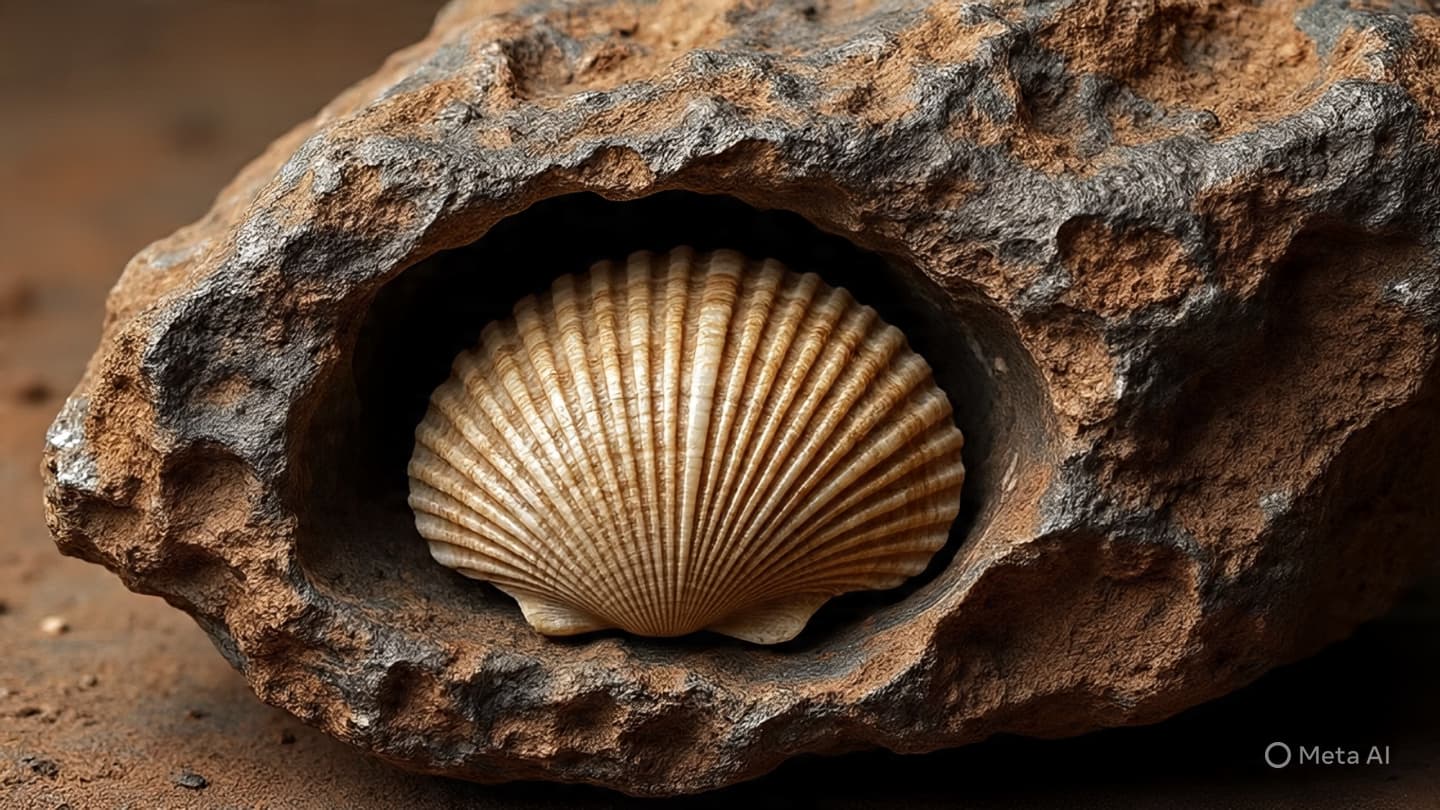
Scientists discovered exceptionally preserved fossils in iron-rich rock beneath Australian farmland, offering new insights into fossilization.
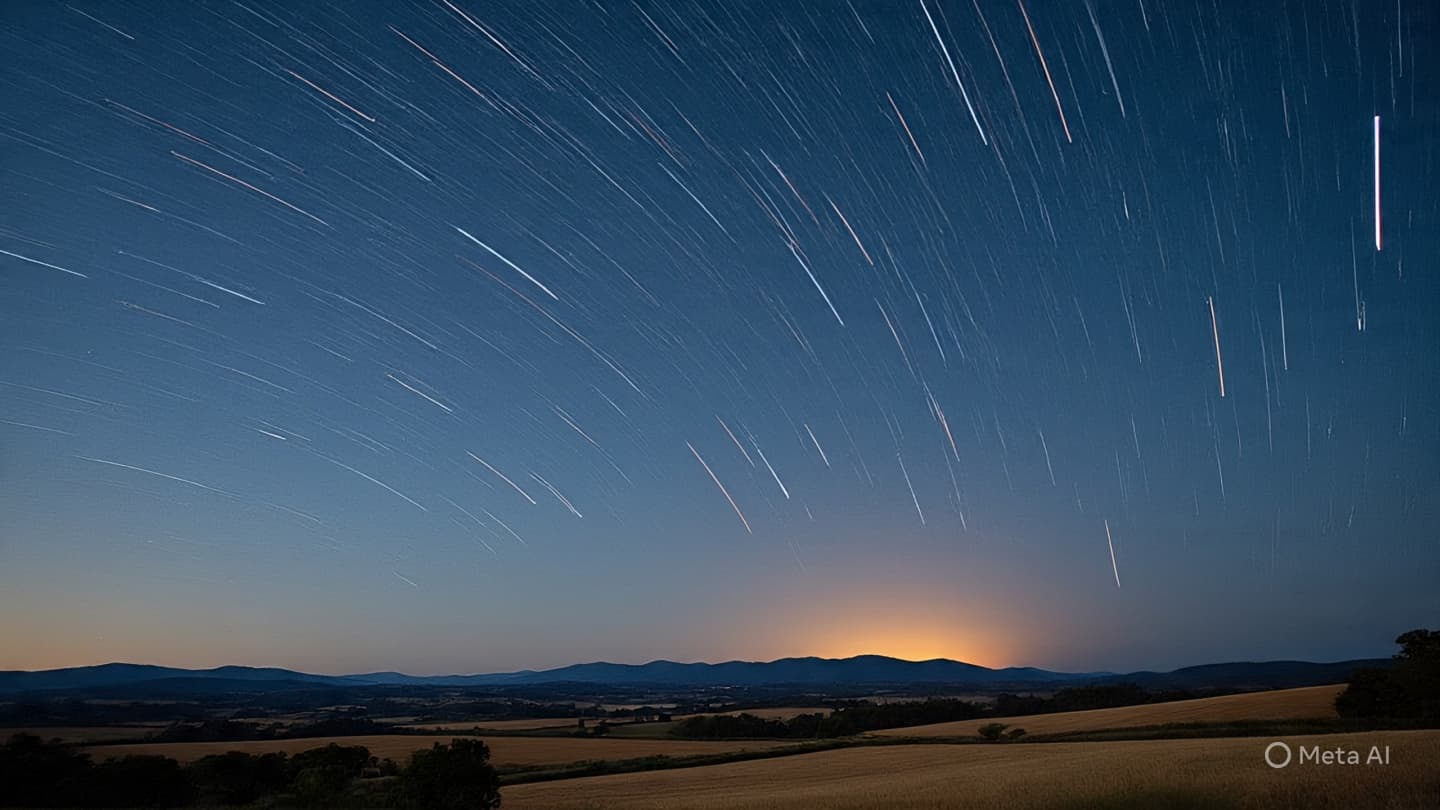
The Eta Aquariid meteor shower from Halley’s Comet will be visible over Victoria, offering bright, fast-moving meteors under clear skies.
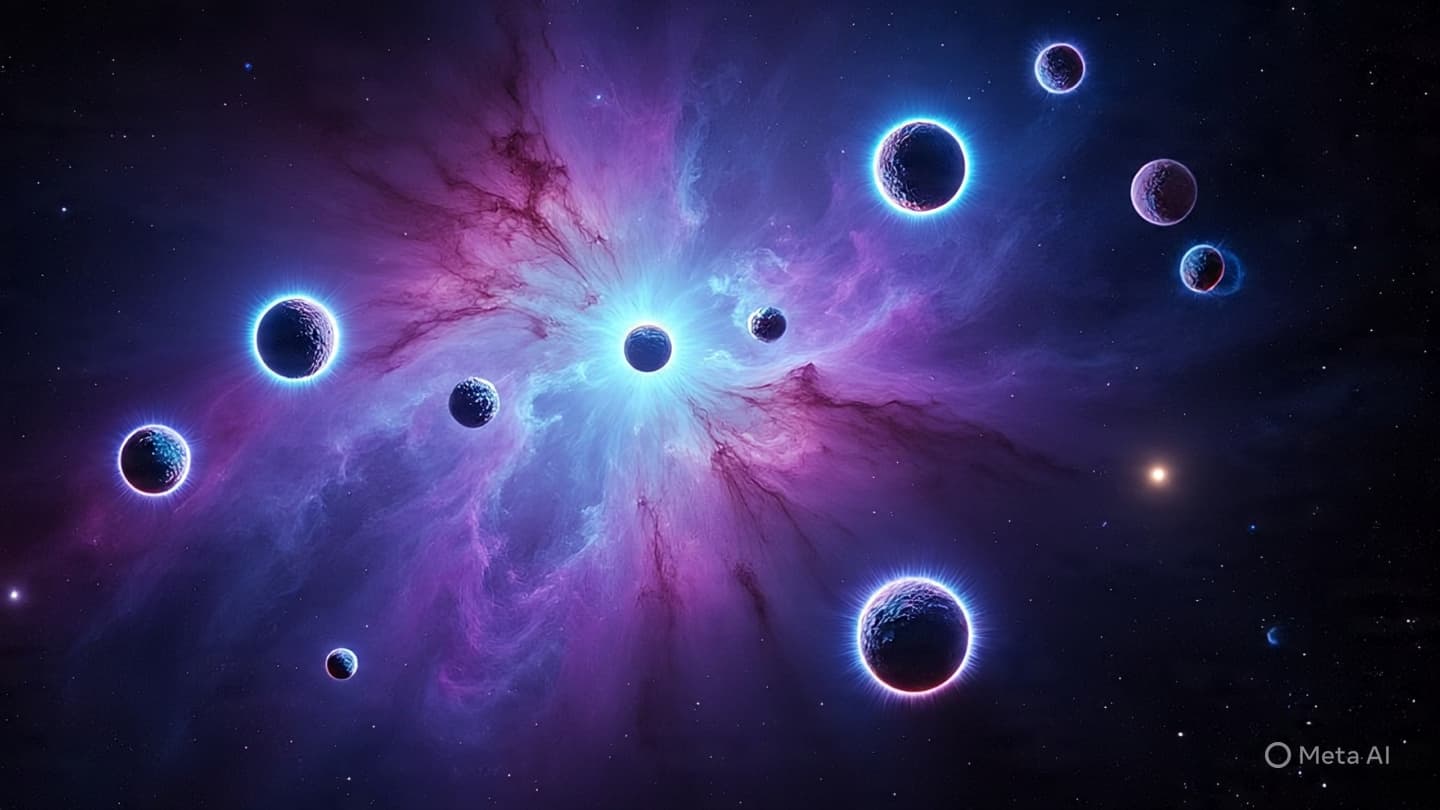
Webb telescope reveals detailed structures of carbon “buckyballs” around a dying star, offering new insights into cosmic chemistry.
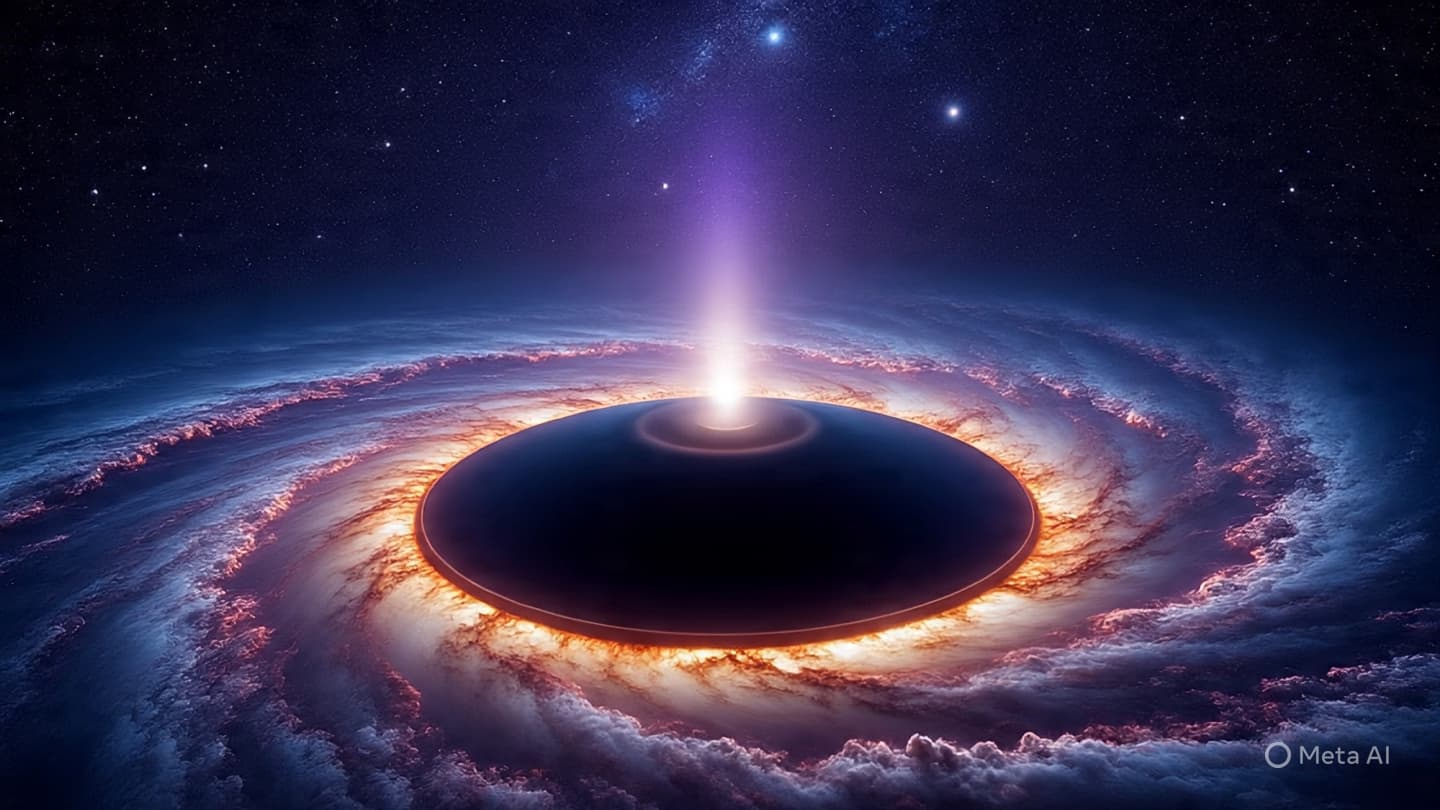
Scientists suggest gas clouds near the Milky Way’s black hole come from binary star interactions, offering a clearer explanation of their origin.
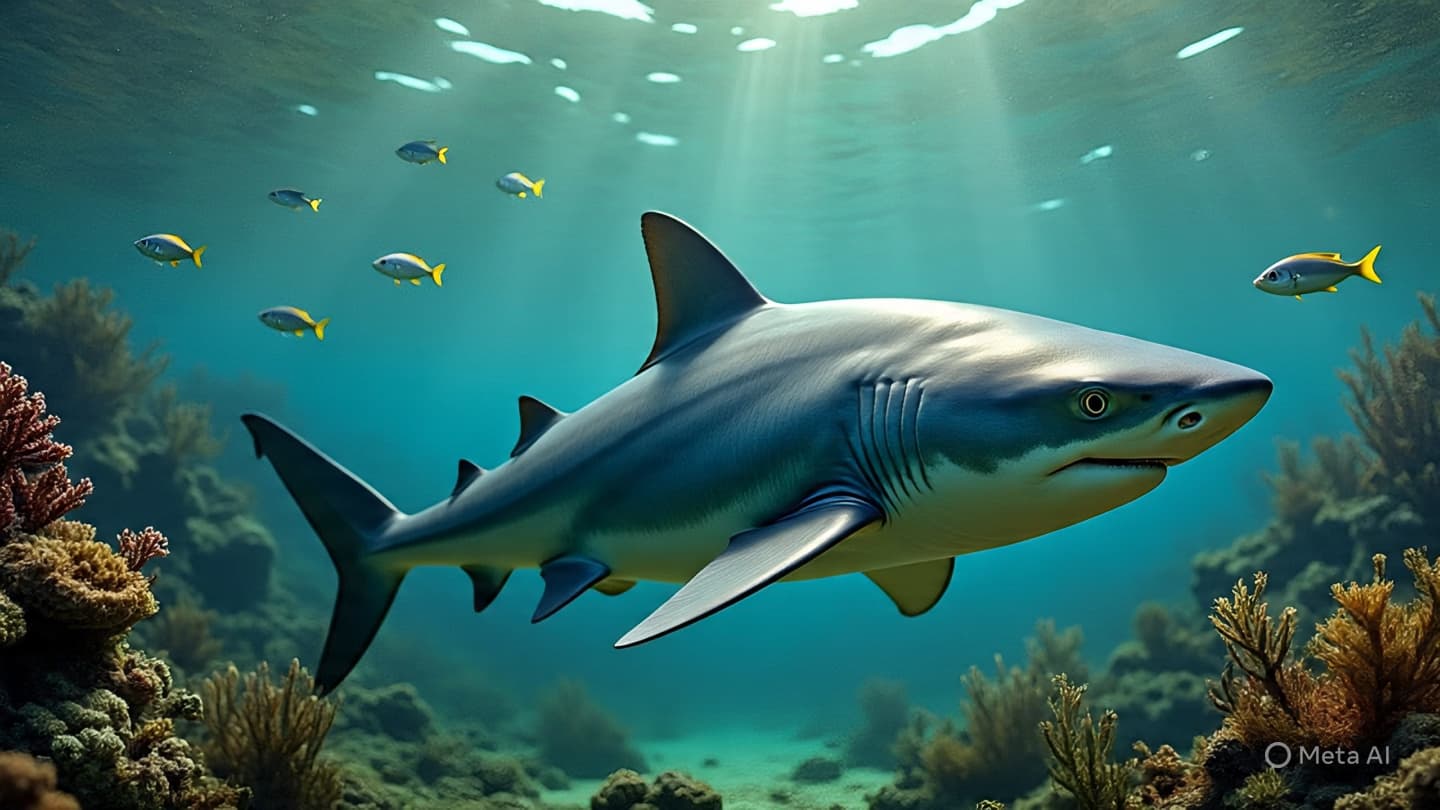
A fossil shark tooth suggests ancient predators once lived in the North Sea, raising questions about whether warming oceans could allow their return.
Cohere and Aleph Alpha announce a merger, combining expertise to strengthen AI development amid global competition.
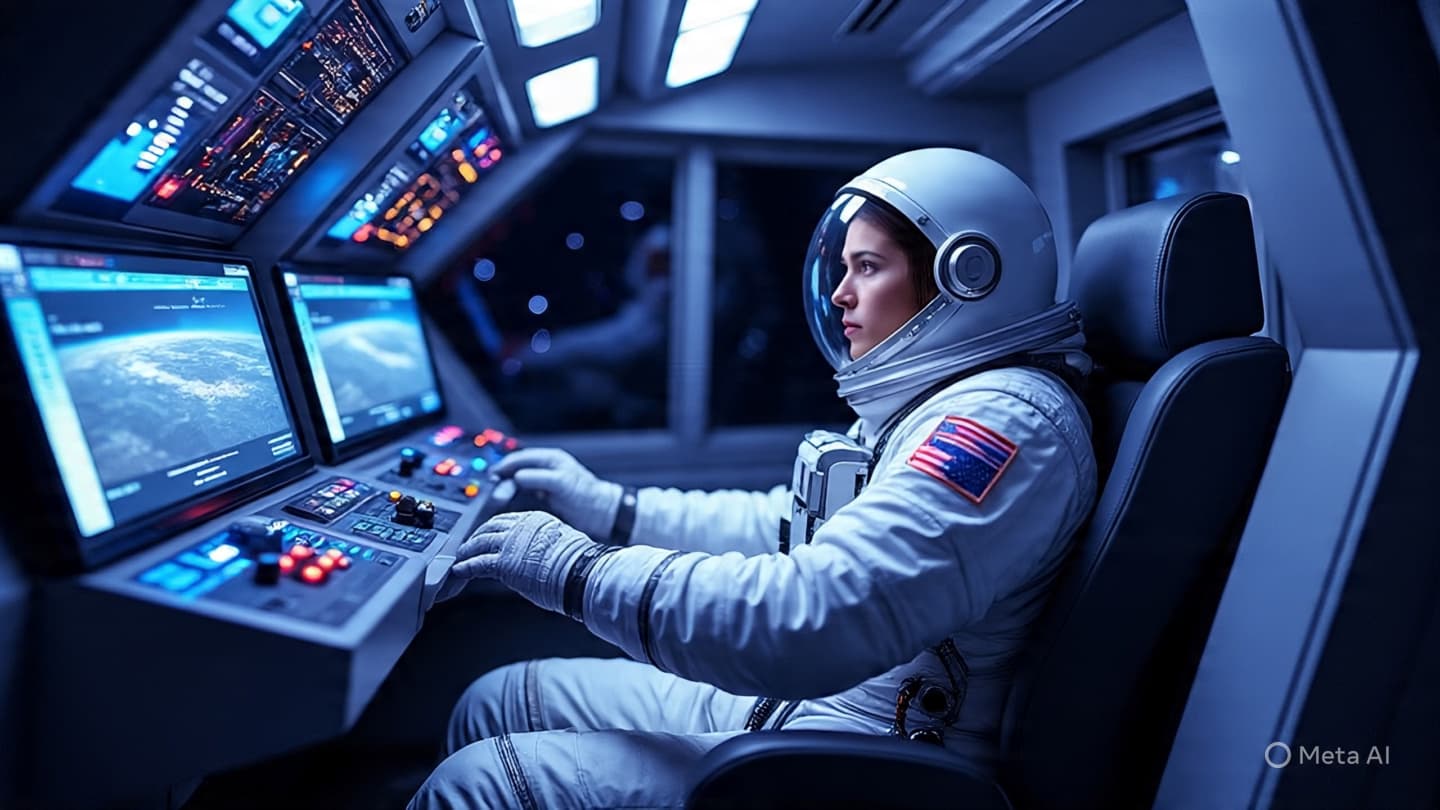
Canadian astronaut Joshua Kutryk has been selected for an upcoming International Space Station mission, continuing Canada’s role in space exploration.
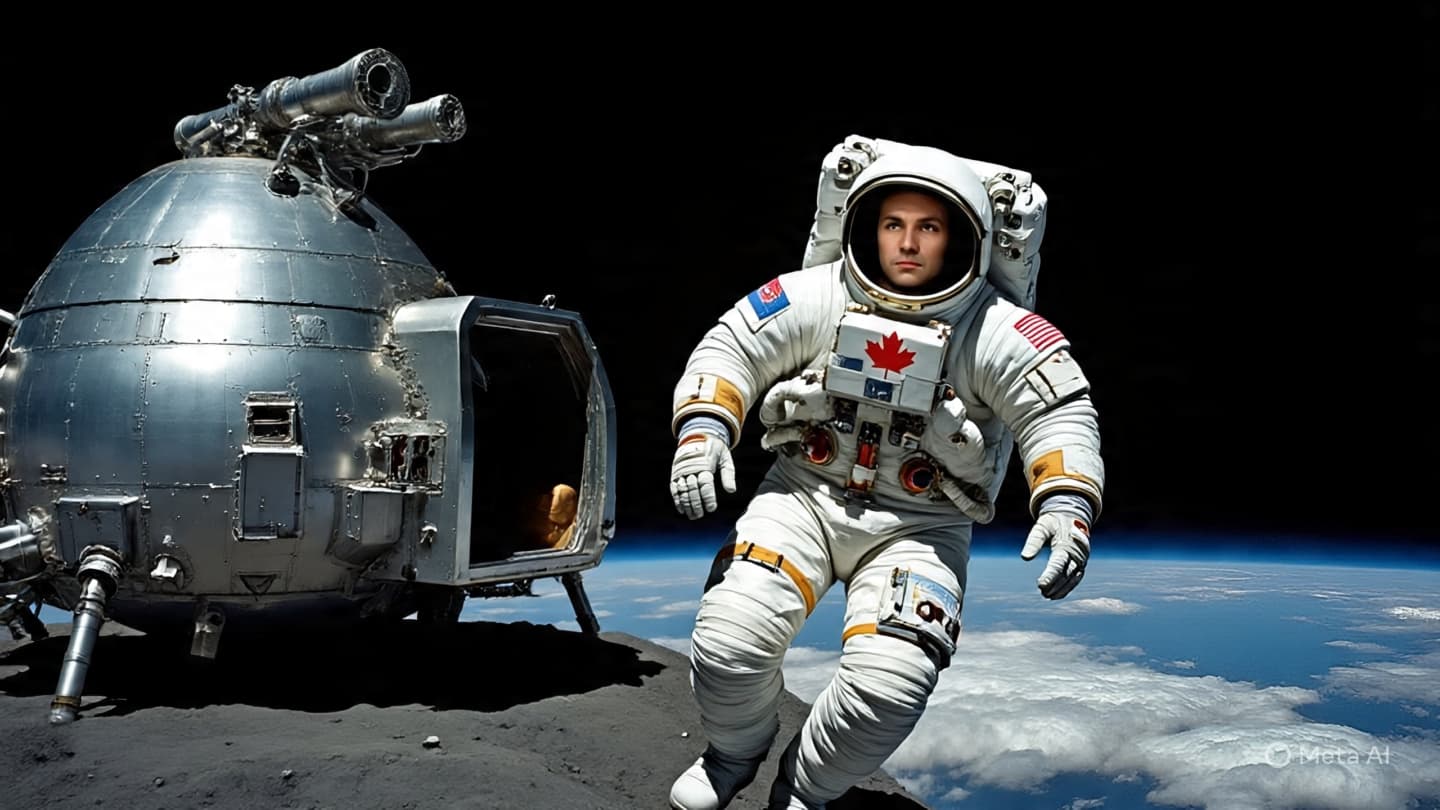
Canada plans continued involvement in lunar missions beyond Artemis II, focusing on robotics, astronauts, and long-term international collaboration.
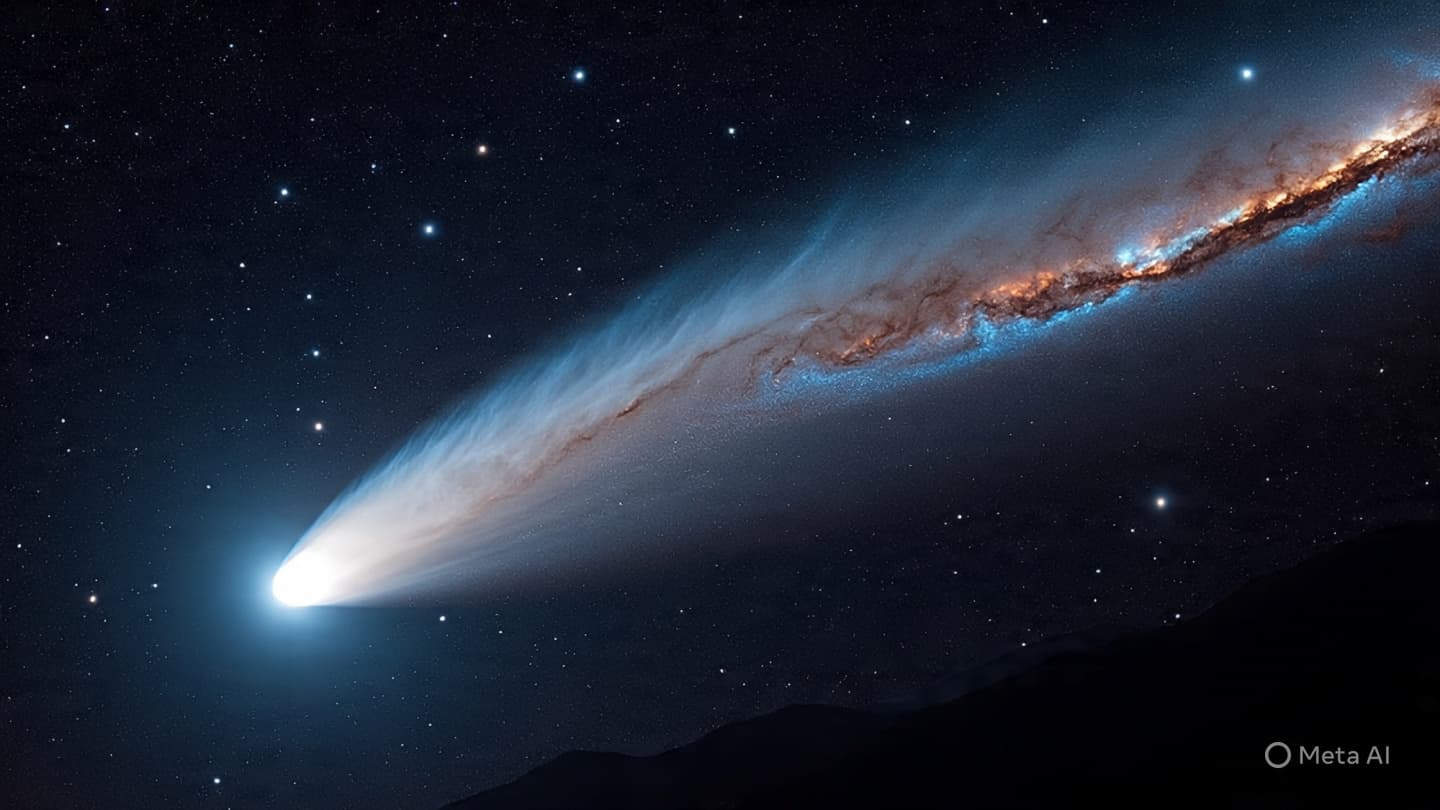
Interstellar comet 3I/ATLAS shows an unusually high ratio of semi-heavy water, offering new insights into how water forms and varies across star systems.
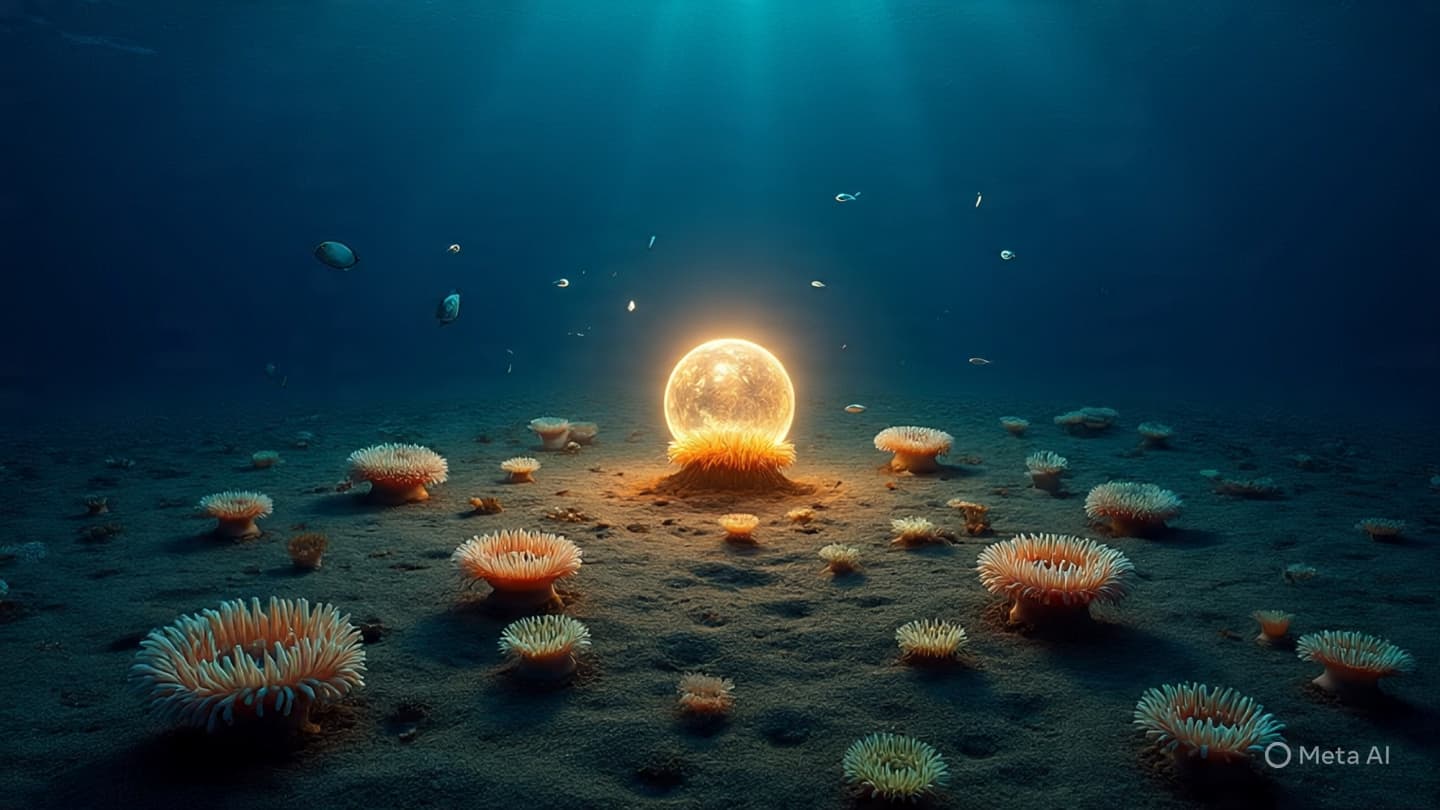
Scientists discovered a mysterious golden orb deep in the Gulf of Alaska, possibly a biological structure, highlighting how much of the ocean remains unexplored.
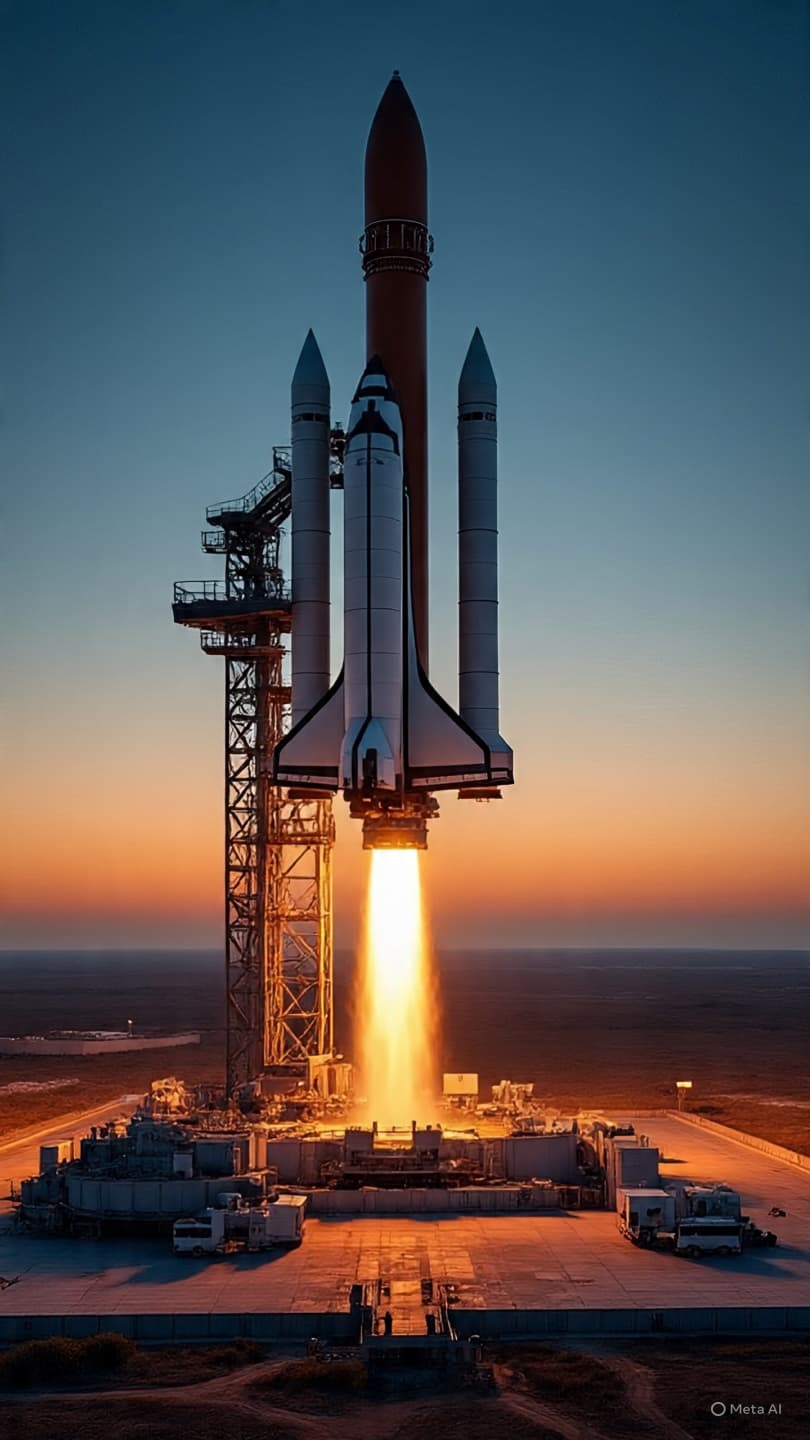
NASA is targeting a September launch for its next major space telescope, continuing efforts to expand our understanding of the universe.