Beneath the surface of ordinary landscapes, time often leaves behind quiet imprints. What appears unchanged from above can conceal layers of history, preserved not in grand formations but in subtle, unexpected places.
Researchers working in Australia have uncovered remarkably well-preserved fossils embedded within iron-rich rock formations, commonly referred to as rust. These discoveries, found beneath farmland, reveal ancient organisms captured in unusual geological conditions.
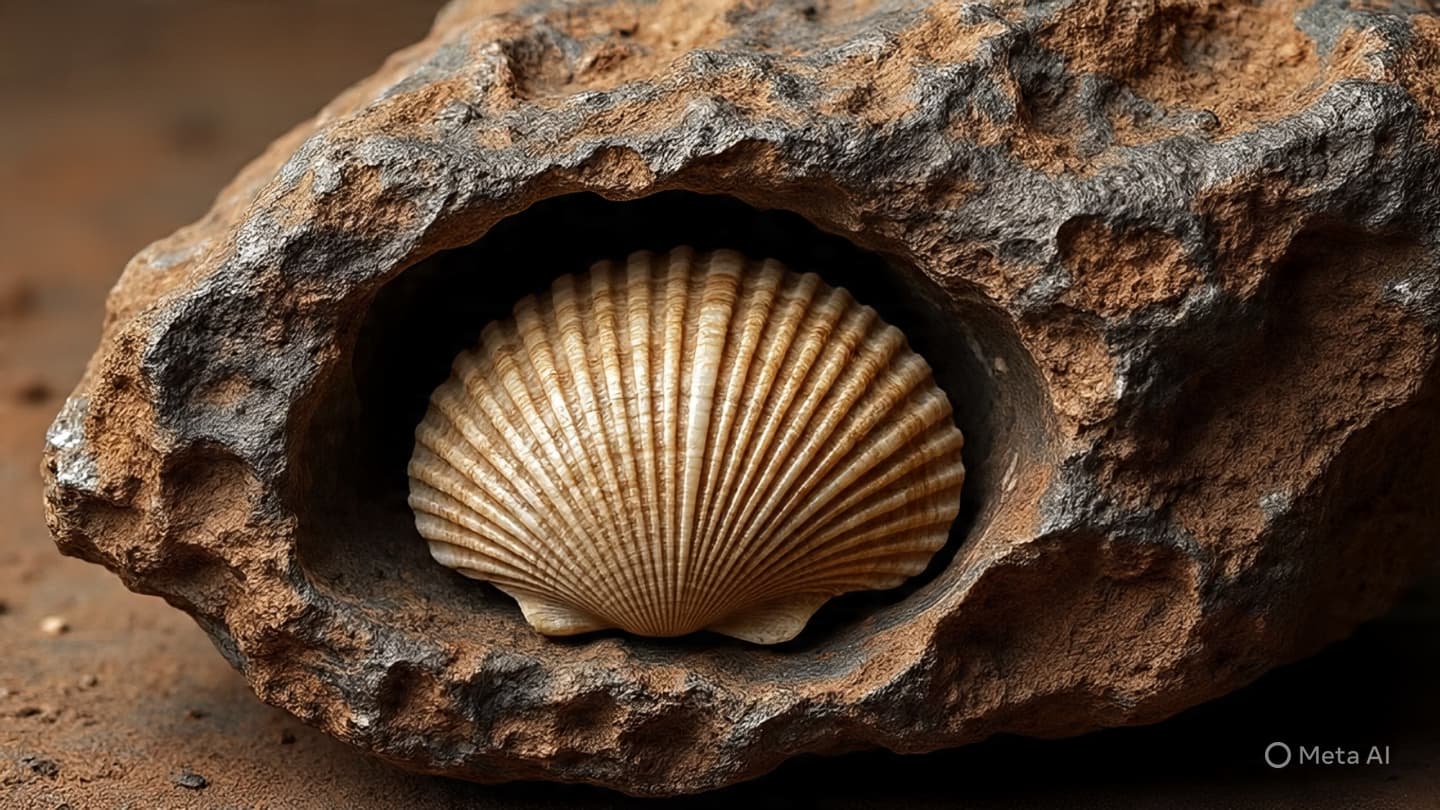
The fossils are preserved in what scientists describe as ironstone concretions, where mineral deposits form around organic material. Over time, these deposits harden, effectively sealing the remains and protecting them from decay.
What distinguishes these findings is the level of detail retained. Some fossils exhibit fine structural features that are rarely preserved in more typical sedimentary environments. This level of preservation provides valuable insight into ancient ecosystems.
Researchers believe that chemical reactions involving iron played a key role in this process. As iron oxidized, it created a stable environment that limited decomposition, allowing biological structures to remain intact over extended periods.
Such discoveries contribute to a broader understanding of fossilization processes. They suggest that under certain conditions, environments not traditionally associated with fossil preservation can yield significant scientific findings.
The farmland setting also highlights the intersection between everyday landscapes and scientific discovery. Areas used for agriculture may still hold geological records that have yet to be explored.
Scientists continue to analyze the fossils to determine their age and ecological context. Each specimen offers a small but meaningful piece of a much larger historical puzzle.
Further research is underway to better understand how these fossils formed and what they reveal about ancient life in the region.
AI Image Disclaimer: Some images illustrating this discovery are AI-generated to visualize fossil formation and geological context.
Sources: Nature, ABC News Australia, ScienceAlert, The Guardian
Published by Banx Network. This article is part of the Banx decentralized media programme, powered by the BXE token on the XRP Ledger.