Between Earth and Moon, Can Calm Signals Tell a Bigger Story?
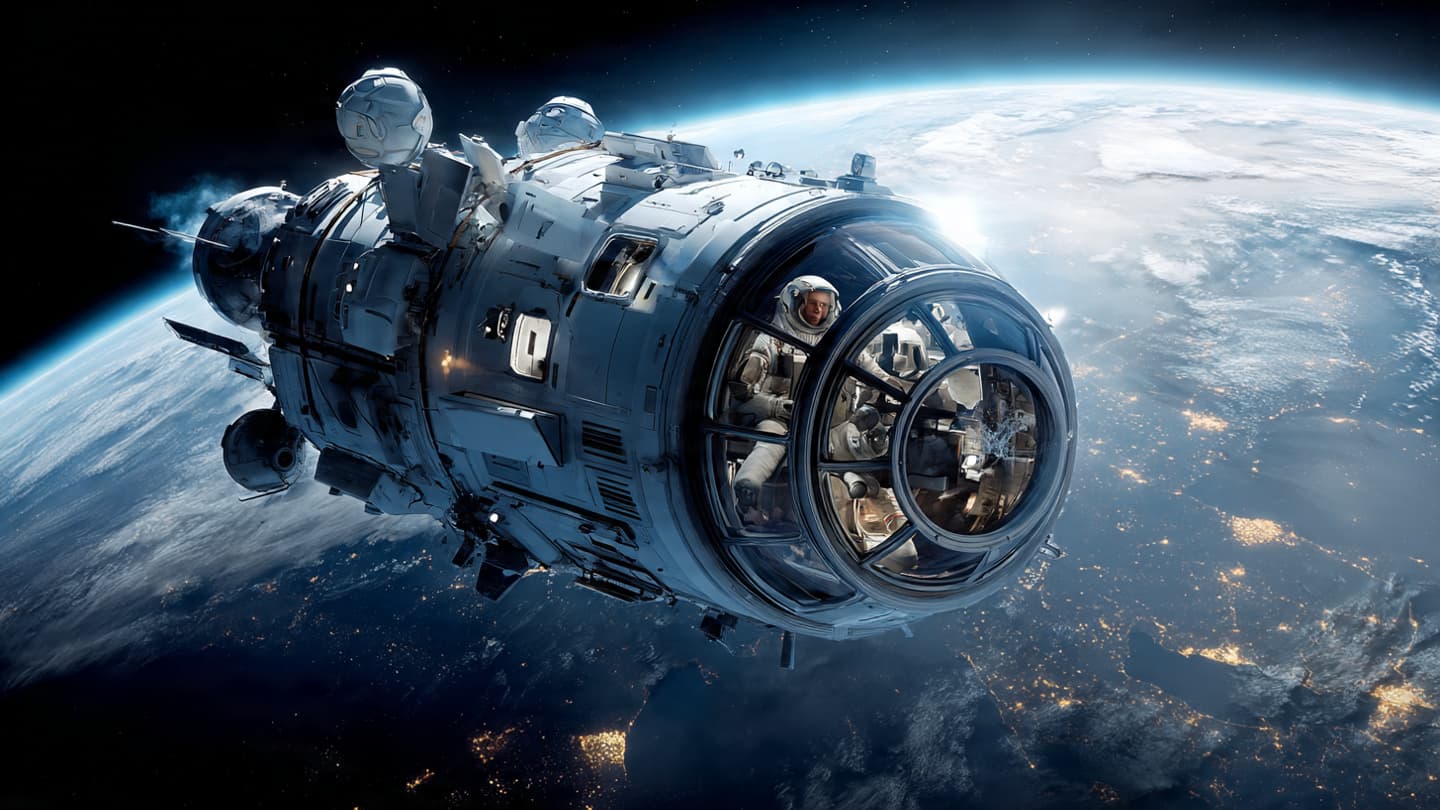
NASA reports astronauts are स्वस्थ and spacecraft systems are stable during an ongoing lunar mission, highlighting steady progress within the Artemis exploration program.

NASA reports astronauts are स्वस्थ and spacecraft systems are stable during an ongoing lunar mission, highlighting steady progress within the Artemis exploration program.

April’s full “Pink Moon” illuminated skies over Astana, drawing attention to seasonal traditions and astronomical rhythms, despite not appearing pink in color.

NASA is refining Orion’s waste management system for Artemis II, highlighting how essential human needs remain central in deep space missions.

Scientists warn that weakening ocean currents like AMOC could disrupt climate balance, creating regional cooling effects despite global warming trends.

China aims for a crewed Moon landing before 2030, potentially ahead of the U.S. Artemis program, highlighting shifting dynamics in modern space exploration.

Scientists uncover why Earth’s magnetic field became unstable 600 million years ago, linking it to core dynamics and offering insights into planetary evolution.

New James Webb images reveal hidden star-forming regions, offering unprecedented insight into how stars emerge within dense cosmic clouds.

Hatchery-raised Caribbean king crabs are released onto Florida reefs, supporting coral restoration by helping control algae and rebuild ecological balance.

A successful space launch advances technologies for nuclear power on the Moon, supporting future long-term missions and sustainable lunar exploration.

A Chinese satellite successfully tests robotic in-orbit refueling, marking progress toward longer-lasting space systems and reshaping how satellites are maintained and sustained.

NASA introduces next-generation Mars helicopters designed for deeper exploration, offering new capabilities to scout terrain, support missions, and expand our understanding of the Red Planet.

A Glasgow medical team is trialing genetic therapy targeting inherited heart disease, marking a cautious but promising step toward treating conditions at their genetic source.

A University of Edinburgh study suggests past carbon emissions may cause greater long-term climate damage than previously estimated, highlighting the enduring impact of earlier actions.

An intact Iron Age settlement has been uncovered in the Orkney Islands due to coastal erosion, offering rare insights while highlighting the fragile balance between discovery and preservation.

Danish researchers develop biodegradable plastic from brewery waste, turning spent grain into a sustainable material that could help reduce reliance on conventional plastics.

The North Sea energy island project begins testing 20MW wind turbines, marking a quiet but significant step toward large-scale offshore renewable energy transformation.

University of Copenhagen researchers map genomes of ancient drought-resistant plants, revealing genetic traits that could help future crops adapt to climate-driven water scarcity.

Danish scientists discover microbes in Greenland that may accelerate ice melt, adding a new biological dimension to understanding Arctic climate change.

NASA’s new lunar missions aim to revisit the perspective first revealed by Earthrise, potentially offering renewed insight into Earth’s fragility and unity.

A Starlink satellite fragmented into multiple objects in orbit, prompting investigation into possible causes and raising concerns about space debris and satellite reliability.

NASA’s Bennu samples reveal unexpected chemical anomalies, suggesting new insights into early solar system processes and possibly the origins of organic compounds

Artemis II nears launch as NASA monitors systems and weather conditions. The mission marks a key step toward returning astronauts beyond Earth orbit.

April’s Pink Moon will rise this week, marking a seasonal shift. Though not actually pink, it reflects spring traditions and offers a calm, familiar celestial moment.

An interstellar comet, 3I/ATLAS, may be up to 12 billion years old, offering rare insight into the early Milky Way and possibly originating from a star system that no longer exists.