SCIENCE84% credibility
When Bright Galaxies Fall Quiet, Science Begins to Understand Why
A new study suggests internal forces like stellar winds and black holes may explain why starburst galaxies stop forming stars.
1 min read

A new study suggests internal forces like stellar winds and black holes may explain why starburst galaxies stop forming stars.
Scientists are studying a hypothetical particle that could help explain how matter gains mass, extending current particle physics models.
Skywatchers can observe key celestial objects representing historic “firsts,” connecting modern viewing with milestones in astronomy and space exploration.
Astronomers report two supermassive black holes may merge within 100 years, offering insight into gravitational waves and galaxy evolution.
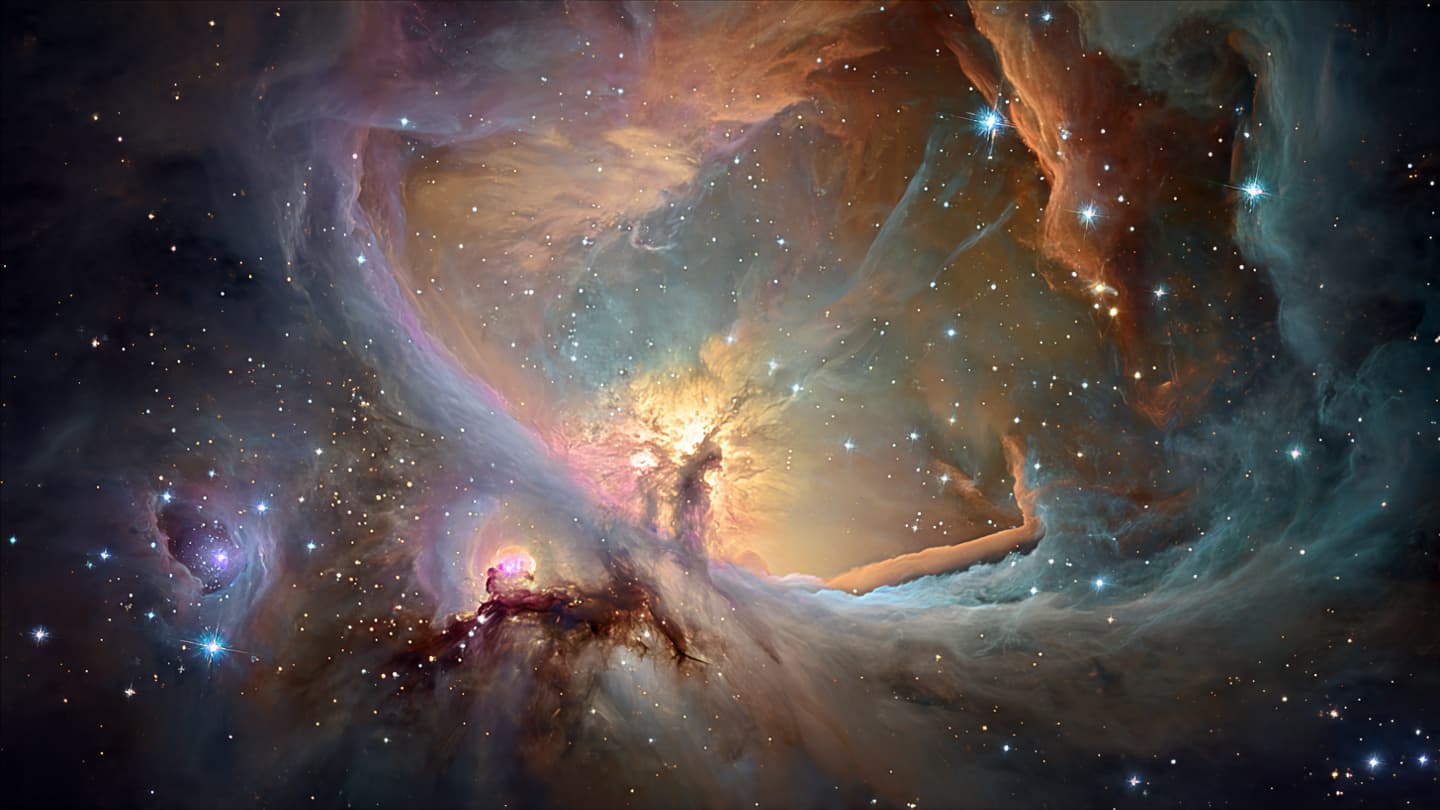
Astronomers have refined measurements of young stars in Orion, improving understanding of their masses and early development.
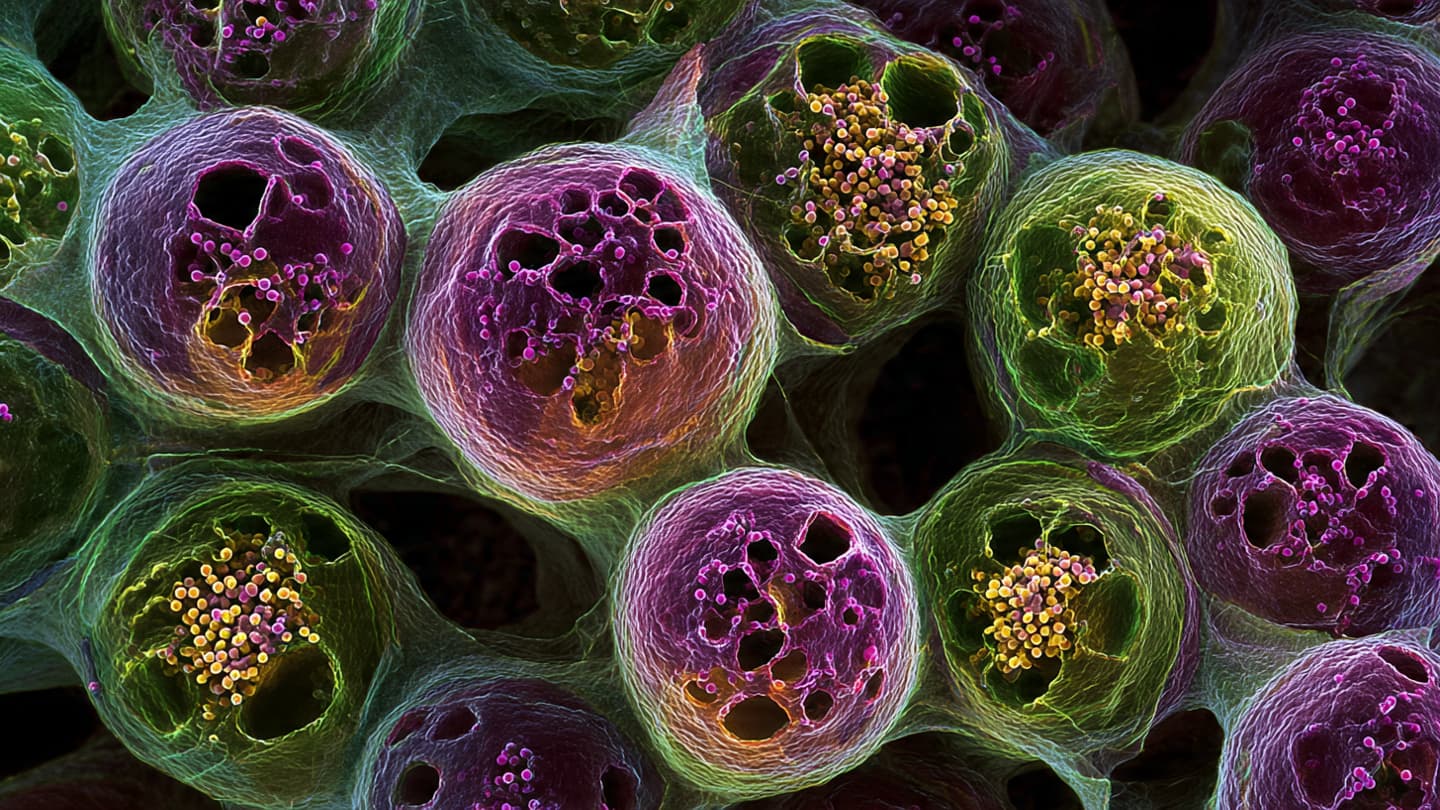
Scientists have identified a key regulator controlling plant cell growth, offering insights into development and potential agricultural applications.
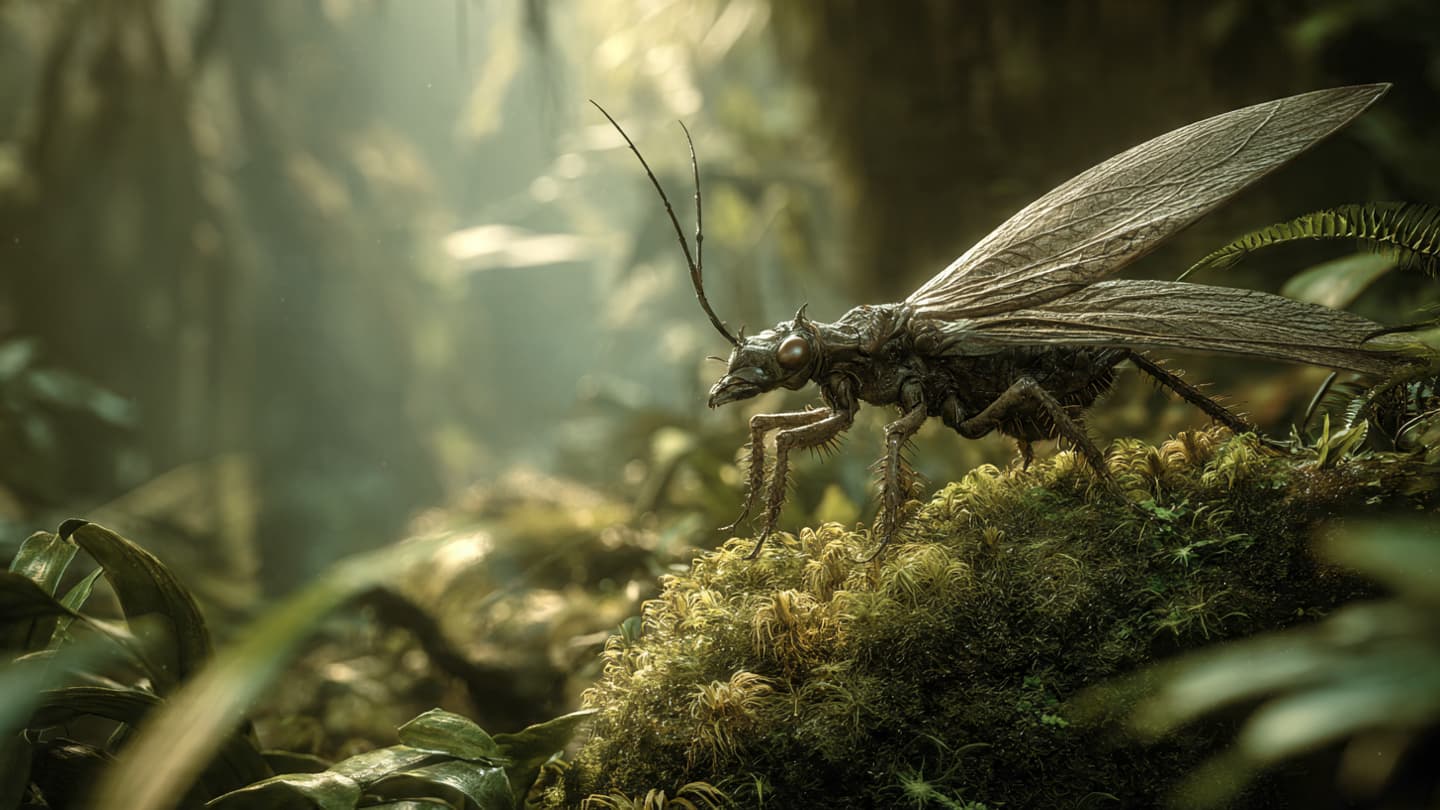
A new study suggests high oxygen levels may not explain giant prehistoric insects, pointing instead to broader ecological factors.
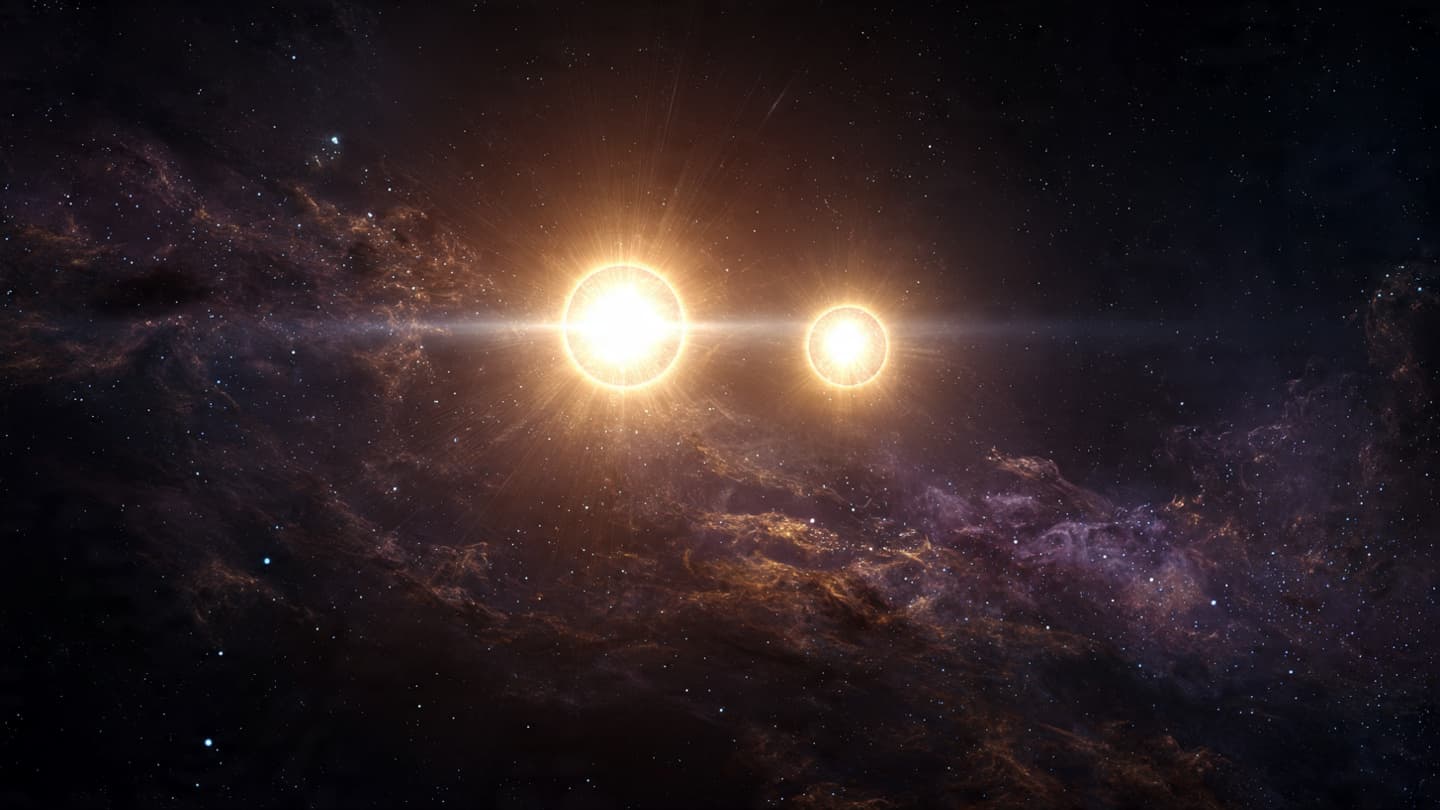
New research shows most close binary stars form together as “cosmic twins,” reshaping understanding of stellar formation.
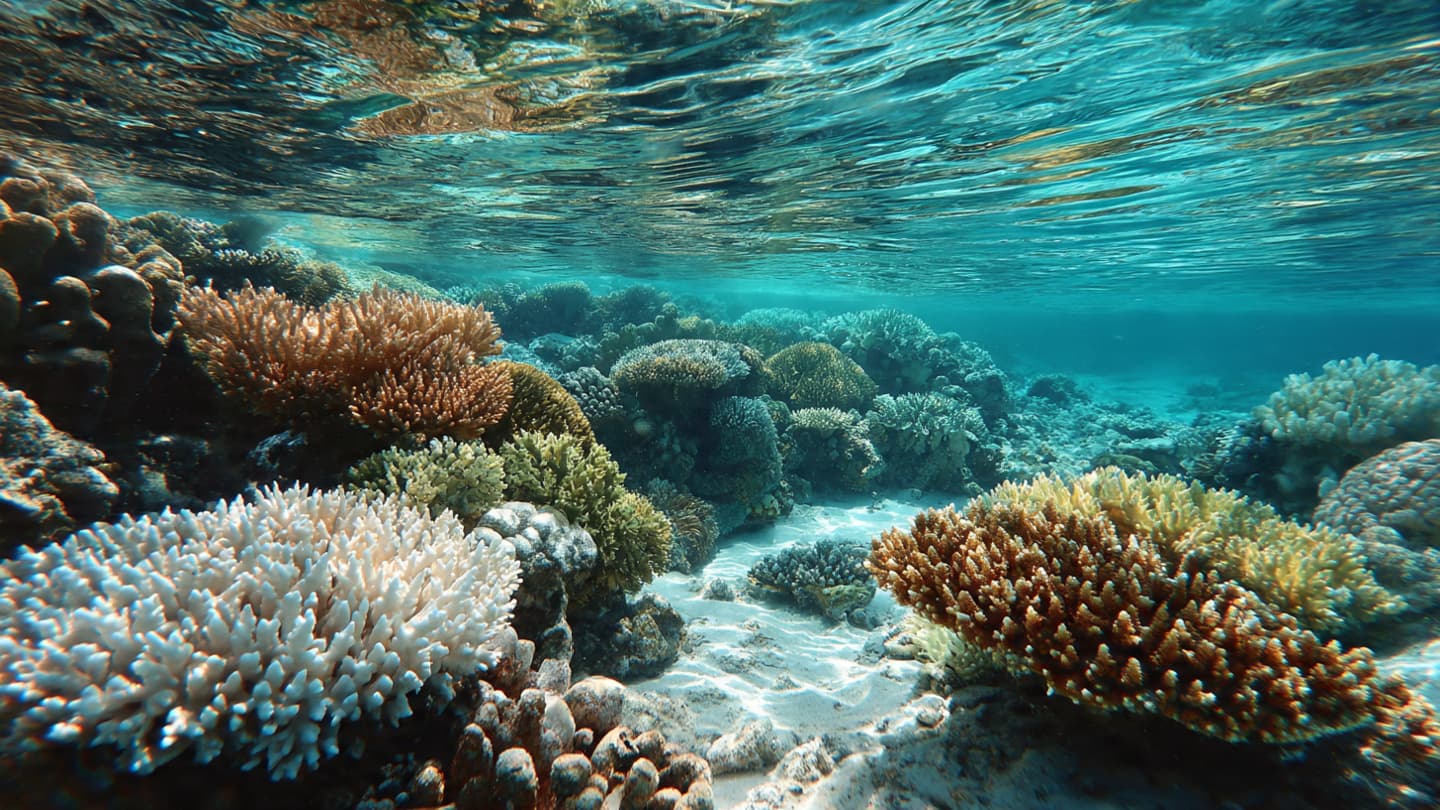
A new study suggests some corals may rapidly adapt to rising temperatures, offering cautious hope for reef survival amid climate change.
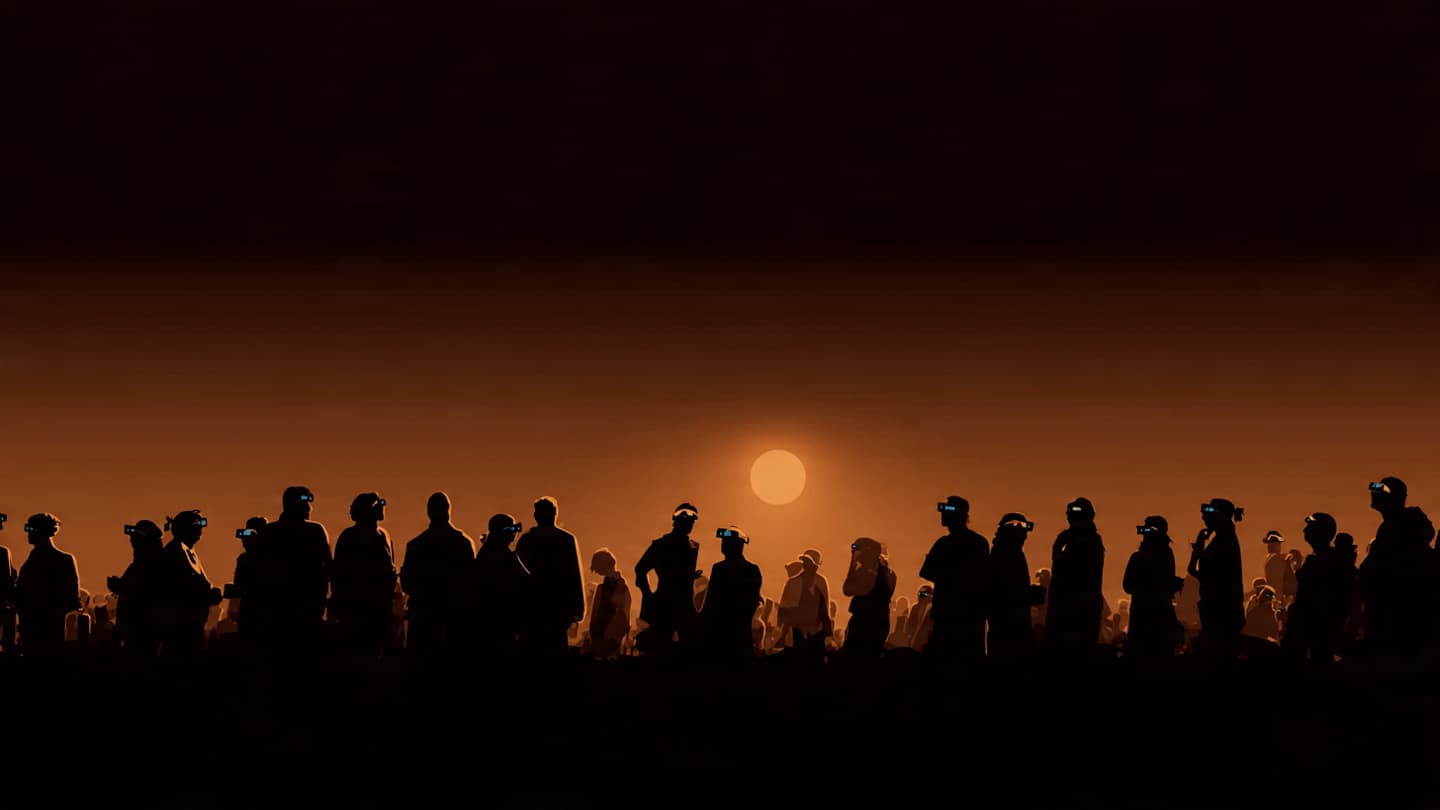
A total solar eclipse this summer offers a rare viewing opportunity, with safety and preparation essential for observers.
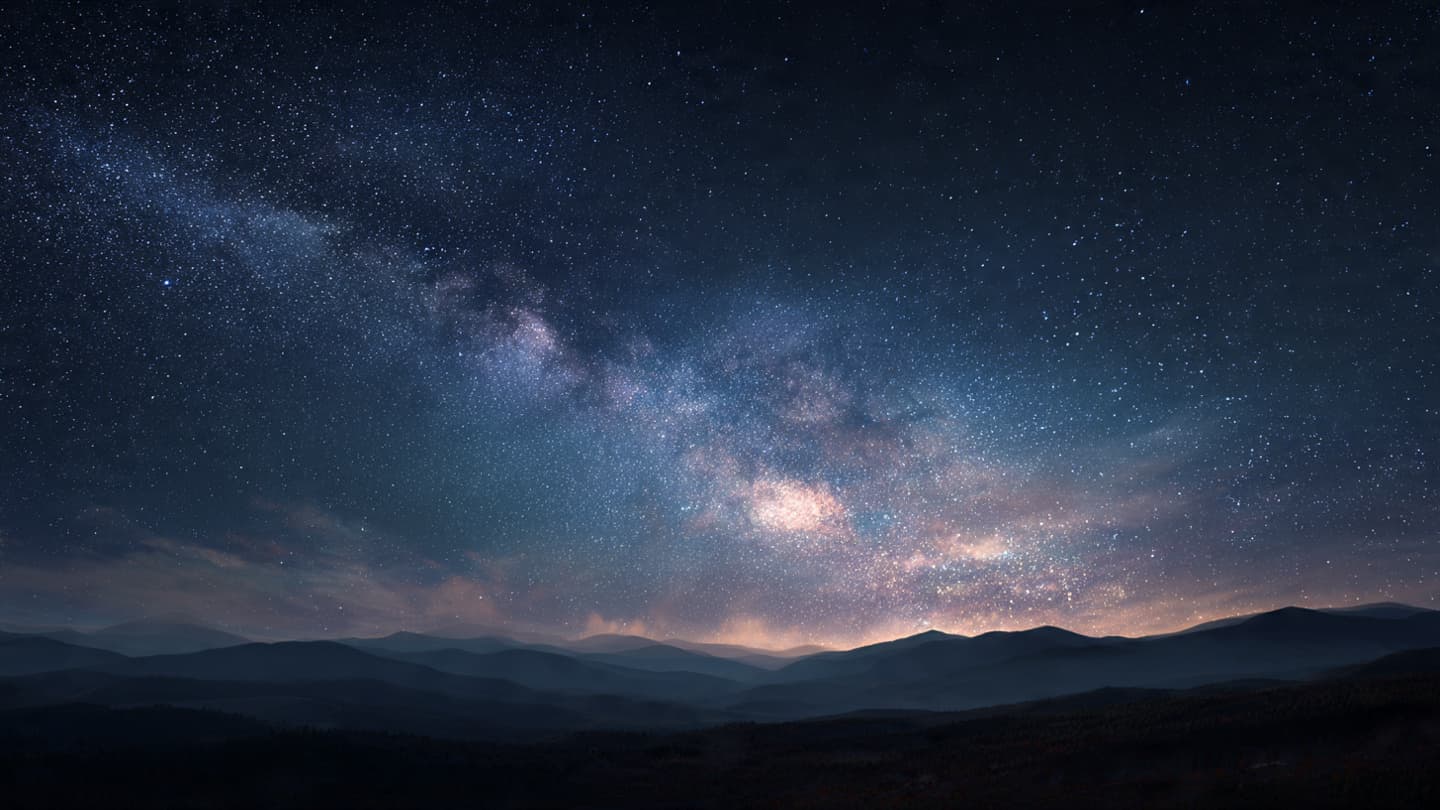
Milky Way season returns, offering optimal conditions for stargazing and astrophotography across many regions.
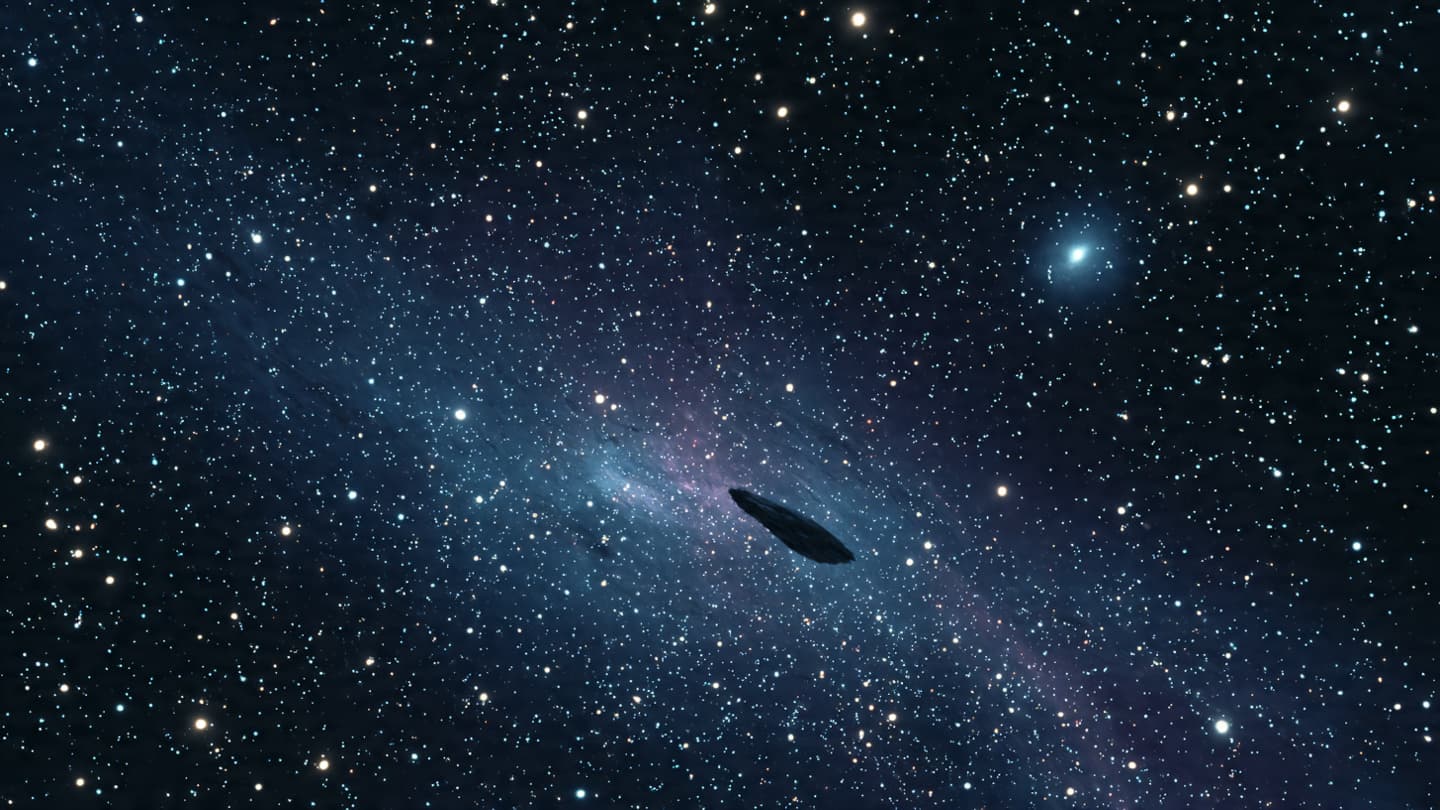
Astronomers uncover new evidence suggesting 3I/ATLAS may be an interstellar object, offering insights into distant star systems.
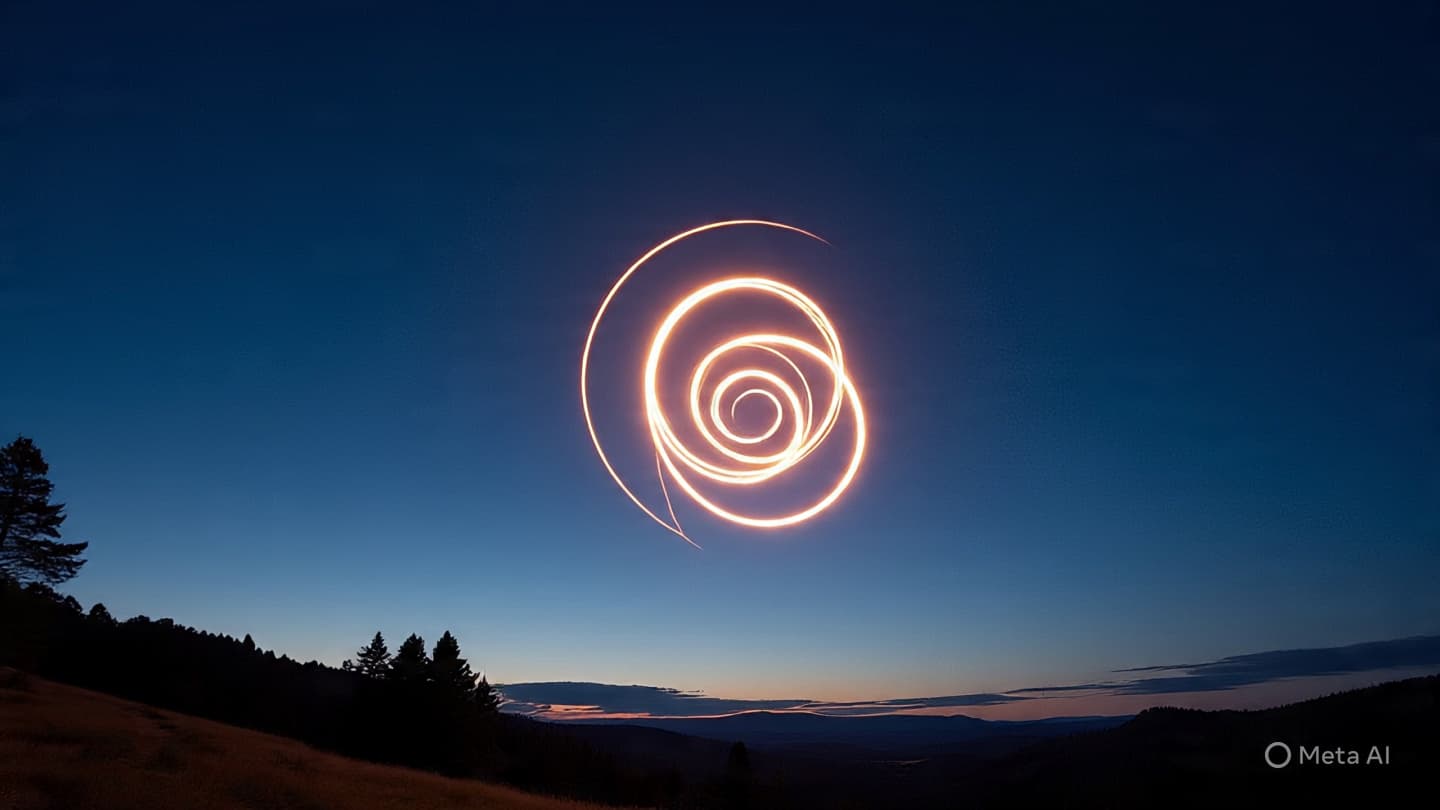
A mysterious sky light was likely caused by a Chinese rocket launch, illustrating how space activity can create striking visual effects in Earth’s atmosphere.
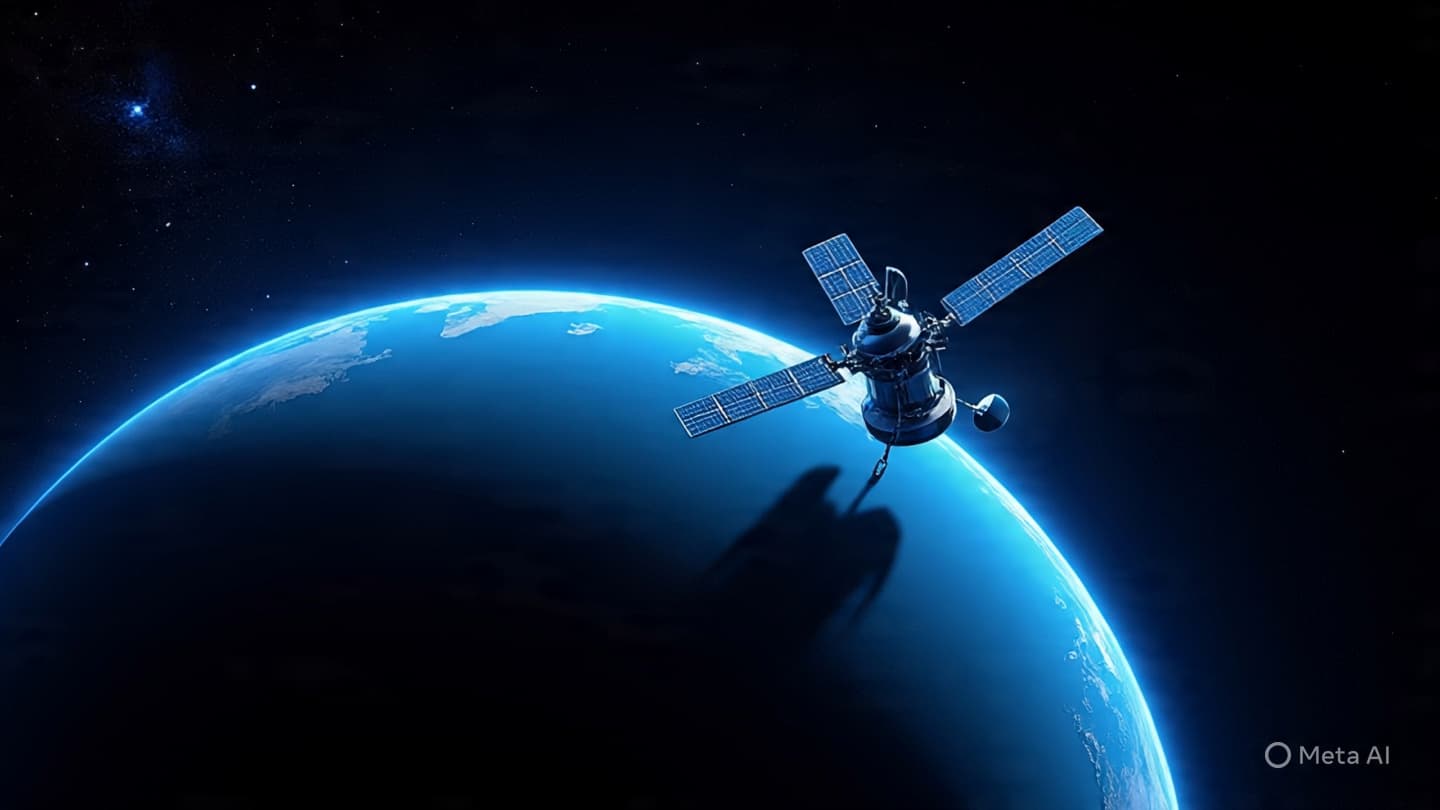
The Technical University of Denmark successfully launched a suborbital satellite to map atmospheric weather patterns, enhancing our understanding of climate dynamics through high-precision sensor technology from space.

Danish scientists have created a bio-degradable alternative to industrial microplastics using plant polymers, offering a sustainable solution to persistent plastic pollution in the world's oceans.
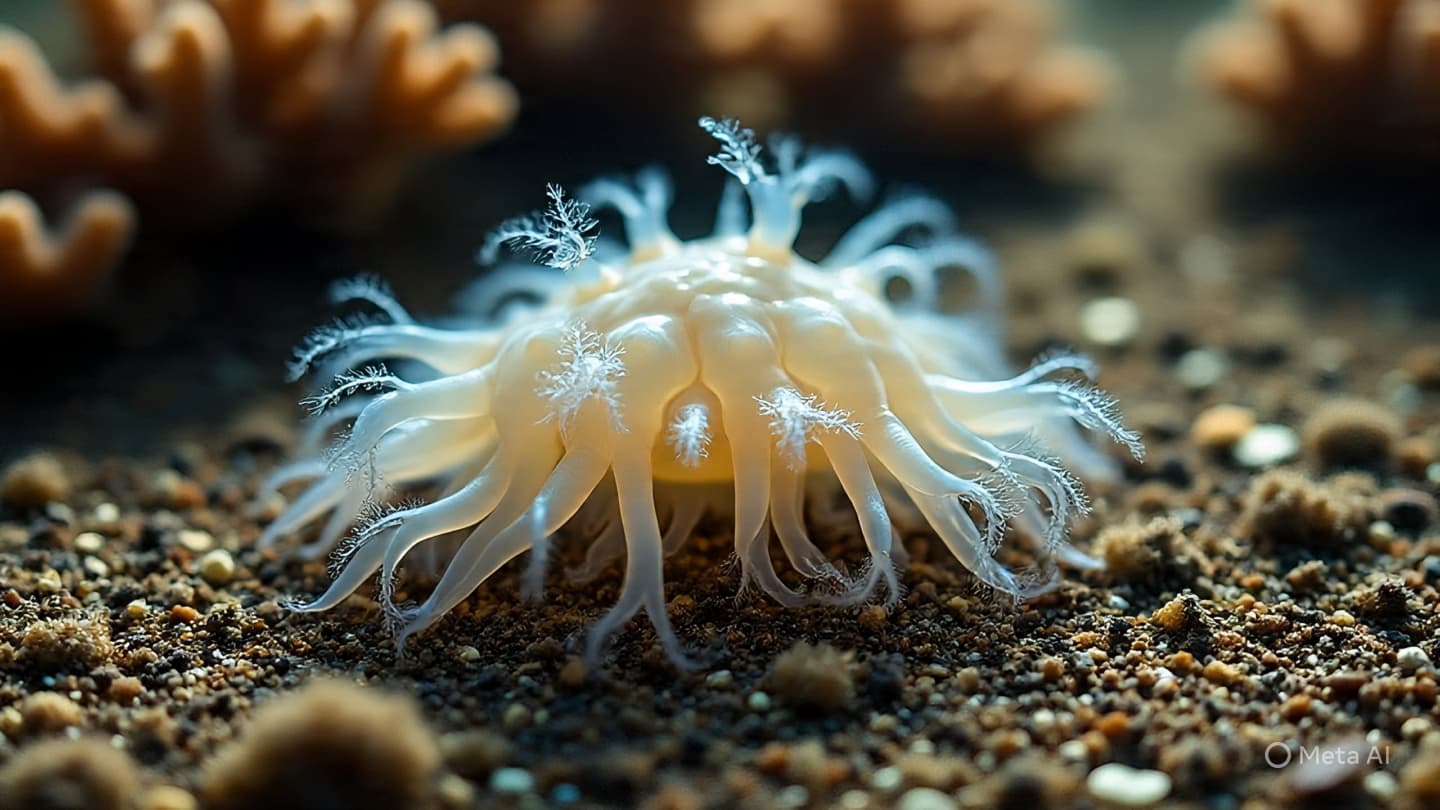
University of Copenhagen researchers identified a new marine species in the Kattegat Strait, underscoring the hidden biodiversity of Danish waters and the importance of continued seabed exploration.

Scientists are sounding alarms about a potential resurgence of a dangerous coronavirus strain in East Africa. A newly identified bat-borne virus, known as CcCoV-KY43, has the ability to infect human cells, raising significant health concerns. Detected in heart-nosed bats across Kenya, northern Tanzania, and eastern Sudan, the research involved collaboration between UK scientists and Kenya Medical Research Institute (KeMRI) researchers.

An editorial reflection on the successful coral seeding efforts in the Great Barrier Reef, celebrating the intersection of human science and natural resilience.

An editorial exploration of CSIRO's breakthrough in green steel, viewing it as a transformative moment for heavy industry and environmental health.

A lyrical observation of Qantas's new direct Perth-to-Paris route, reflecting on the human desire to bridge vast distances through technological innovation.
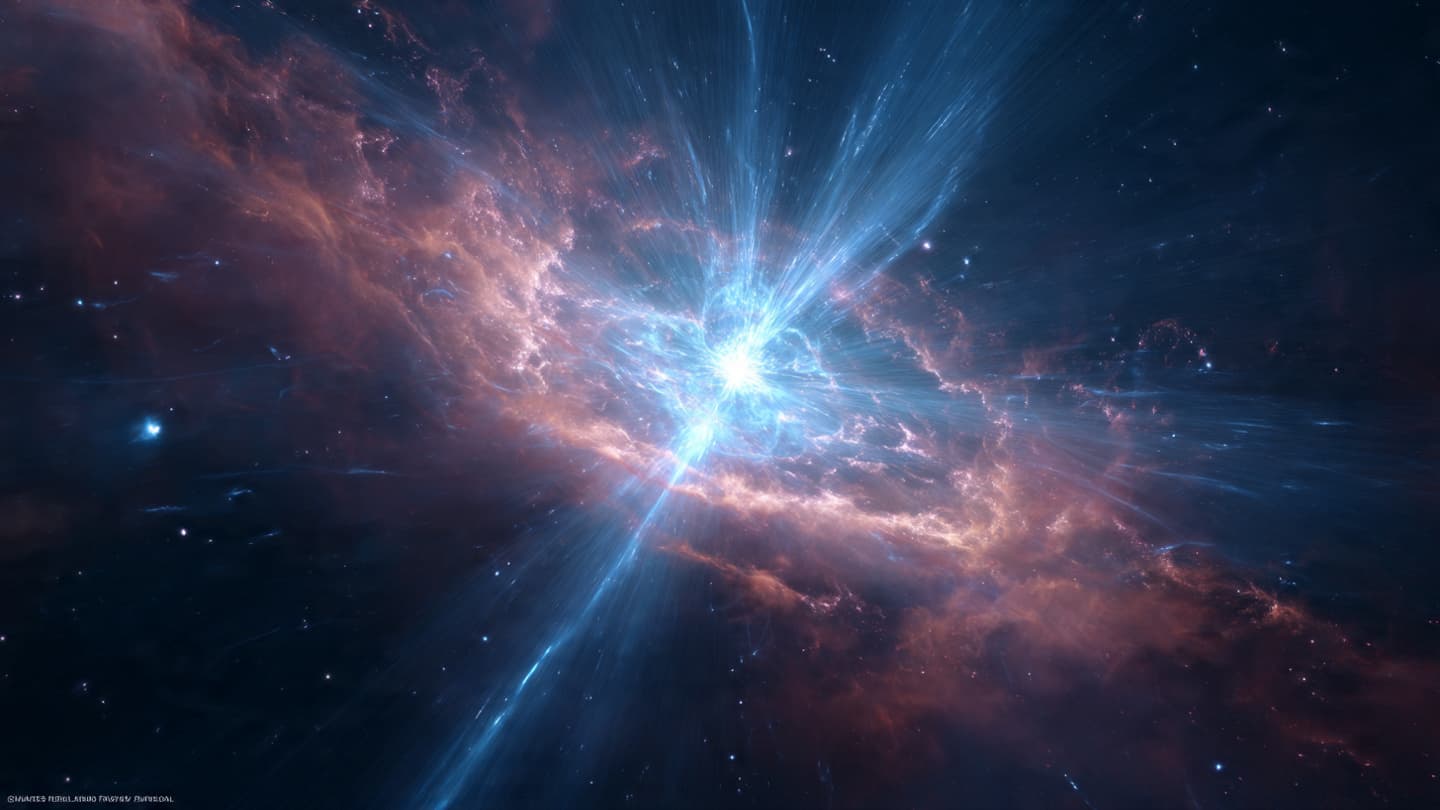
The “Aquila Booster” observation suggests particle acceleration in pulsar wind nebulae may exceed current theoretical limits.
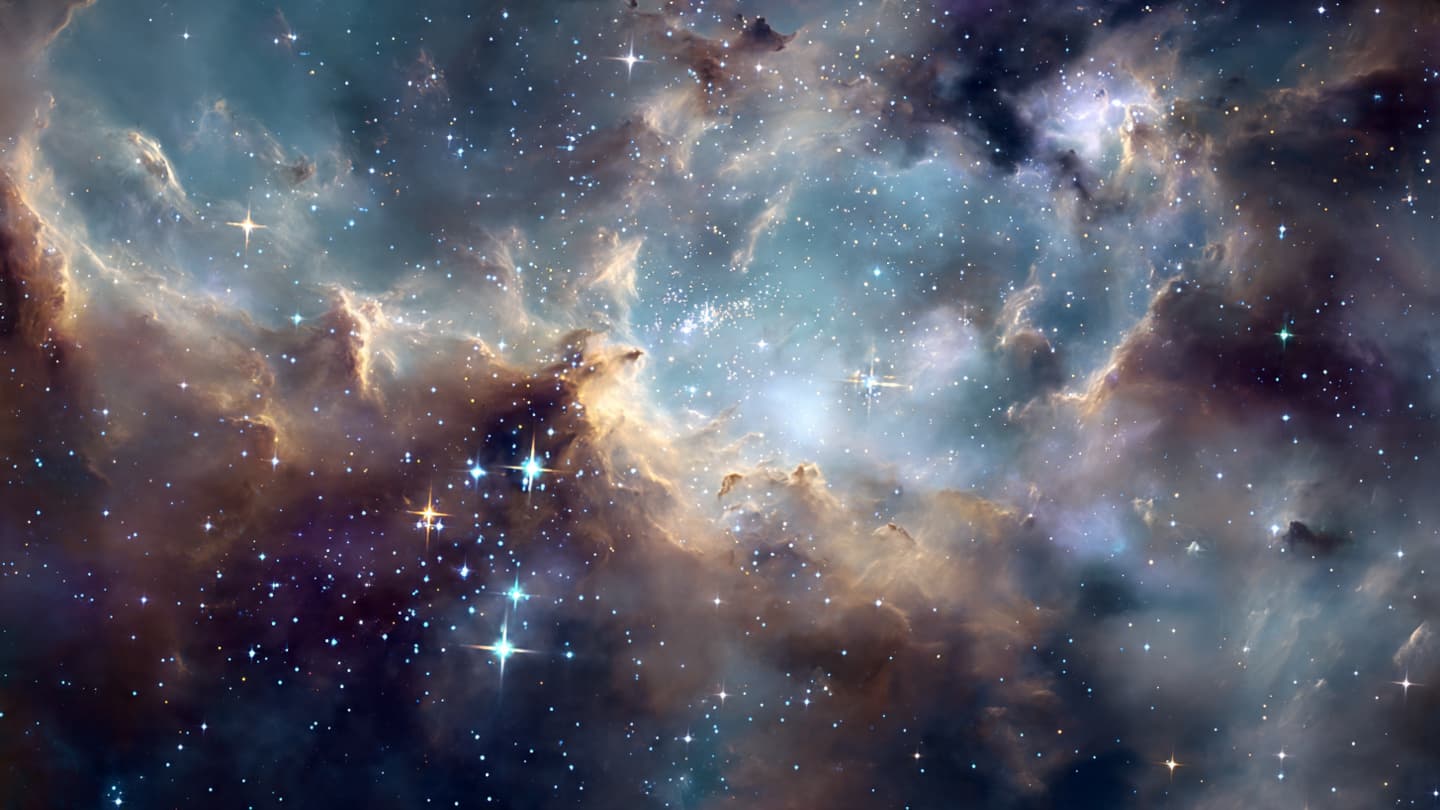
Astronomers detect acetone in star-forming hot cores, highlighting the growing complexity of interstellar chemistry.
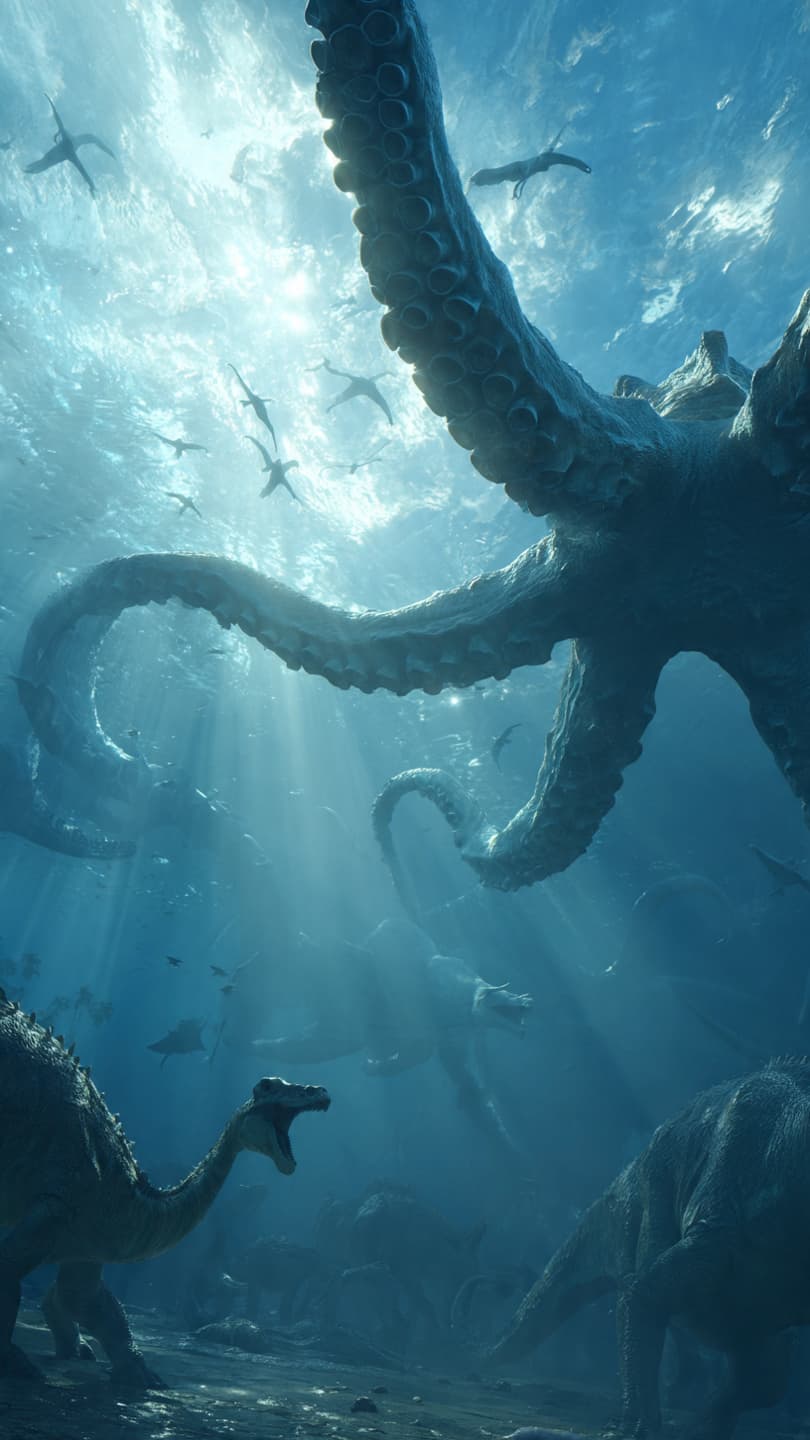
Fossilized jaws suggest a 60-foot octopus-like predator lived during the Cretaceous, potentially serving as an apex marine hunter alongside dinosaurs.

Scientists have identified the mysterious “golden orb” found in Alaska’s deep sea as a remnant of a giant anemone’s base, revealing more about the hidden complexity of ocean life.