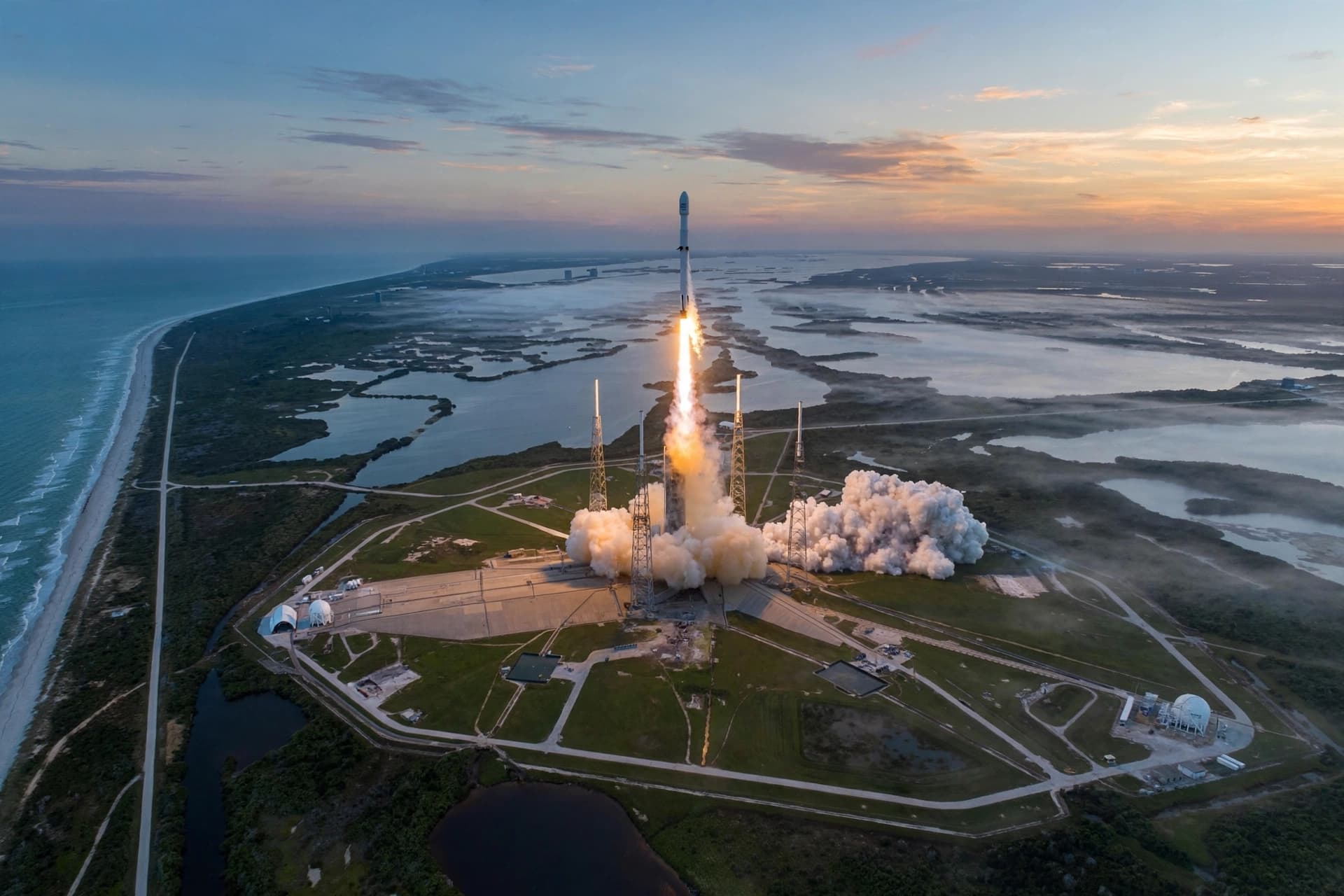
Exploration has long carried a quiet dual purpose—to understand what lies beyond and, in doing so, to reflect on what exists within reach. As humanity looks toward distant planets, each mission becomes less a journey outward and more a careful extension of curiosity across space.
China has outlined plans for its next major interplanetary mission, known as Tianwen-3, with the goal of returning samples from Mars to Earth. The mission represents a significant step in the country’s expanding space program and its ongoing interest in planetary science.
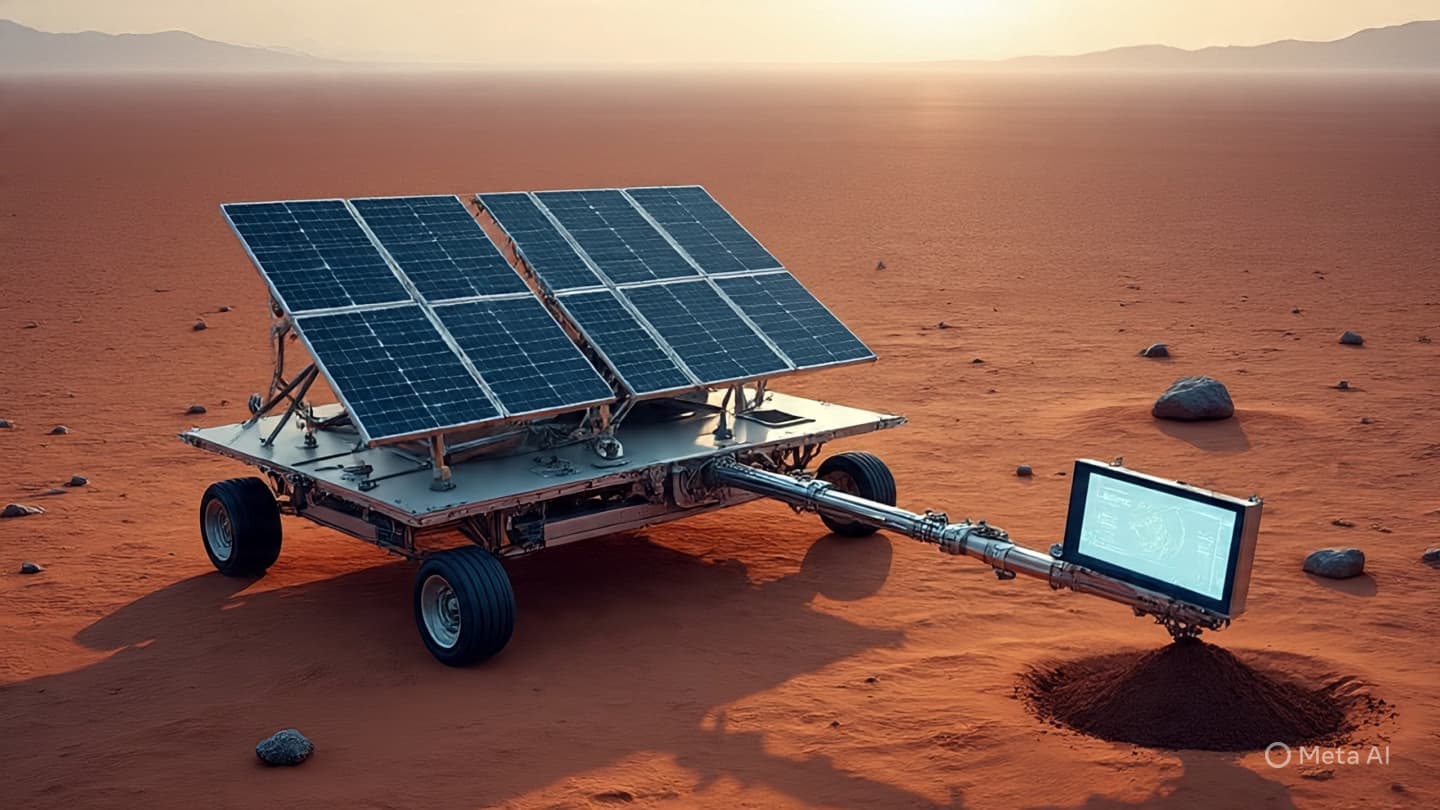
According to official briefings and research institutions, Tianwen-3 is designed to collect Martian soil and rock, then transport these materials back for detailed analysis. Scientists view sample-return missions as one of the most effective ways to study planetary composition and search for signs of past microbial life.
The mission builds on earlier efforts, including China’s Tianwen-1 mission, which successfully placed a rover on Mars. That achievement demonstrated both technological capability and a sustained commitment to deep-space exploration.
Internationally, Mars exploration has become a shared scientific endeavor, with agencies such as NASA and the European Space Agency also pursuing similar objectives. Sample-return missions, in particular, are seen as complex but highly valuable due to the precision they offer in laboratory analysis.
Researchers emphasize that the search for life does not necessarily imply the discovery of living organisms. Instead, the focus often lies on identifying chemical signatures or fossilized evidence that may indicate ancient biological processes.
The timeline for Tianwen-3 reflects the technical challenges involved. Launch windows, planetary alignment, and the coordination of multiple spacecraft components all contribute to the mission’s complexity.
Beyond its scientific aims, the mission also reflects broader developments in global space exploration. As more nations expand their capabilities, collaboration and competition continue to shape the trajectory of research beyond Earth.
China’s Tianwen-3 mission remains in development, with scientists and engineers working toward a future launch that could deepen understanding of Mars and its history.
AI Image Disclaimer: Some visuals accompanying this article are AI-generated to illustrate space missions and planetary environments.
Sources: Xinhua News Agency, China National Space Administration, NASA, Nature
Published by Banx Network. This article is part of the Banx decentralized media programme, powered by the BXE token on the XRP Ledger.