The Earth often keeps its oldest memories hidden beneath scars left by violence from the sky. Asteroid impacts, once associated mainly with destruction and extinction, may also preserve delicate traces of ancient biological history deep beneath fractured rock. Recently, scientists studying material buried under an asteroid crater reported evidence suggesting ancient microbial life may have survived or persisted in environments shaped by one of these catastrophic collisions.
The discovery emerged from research examining rock formations beneath a major impact crater where heat, pressure, and underground water systems once interacted over long periods of time. Scientists identified microscopic structures and chemical signatures consistent with microbial activity preserved within deep subsurface environments.
Researchers explain that asteroid impacts can dramatically alter underground geology. While surface ecosystems may experience devastation, the fractured rock beneath impact sites can create channels for heated water and mineral circulation. These conditions may support microbial habitats capable of surviving long after the original collision occurred.
The findings contribute to broader scientific interest in extremophiles, organisms able to live under harsh environmental conditions. Microbial life on Earth has previously been found deep underground, near hydrothermal vents, and in highly acidic or frozen environments, expanding scientific understanding of where life can endure.
Scientists involved in the study say the crater environment may have functioned like a natural underground laboratory. Minerals deposited through heated groundwater systems appear to contain evidence of ancient biological processes that occurred after the asteroid impact reshaped the region.
The research also carries implications beyond Earth. Planetary scientists studying Mars and other rocky worlds have long wondered whether impact craters could preserve traces of ancient extraterrestrial life. If microbial ecosystems can survive beneath impact structures on Earth, similar environments elsewhere in the solar system may warrant closer investigation.
Researchers caution that interpreting ancient biological evidence remains highly complex. Geological processes unfolding over millions of years can alter rocks and minerals in ways that resemble biological activity. Additional analysis and independent verification are therefore considered essential before broader conclusions are reached.
Still, the discovery highlights how destruction and renewal sometimes coexist in planetary history. An asteroid capable of reshaping landscapes may also create hidden environments where life adapts quietly beneath the surface, beyond immediate visibility.
Scientists plan to continue studying deep crater systems and underground microbial signatures in future projects. For now, the findings offer another reminder that Earth’s oldest forms of life may still linger in places once shaped by cosmic catastrophe.
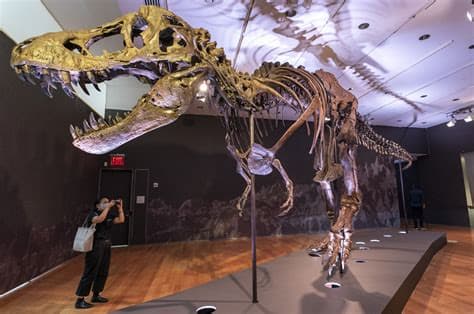
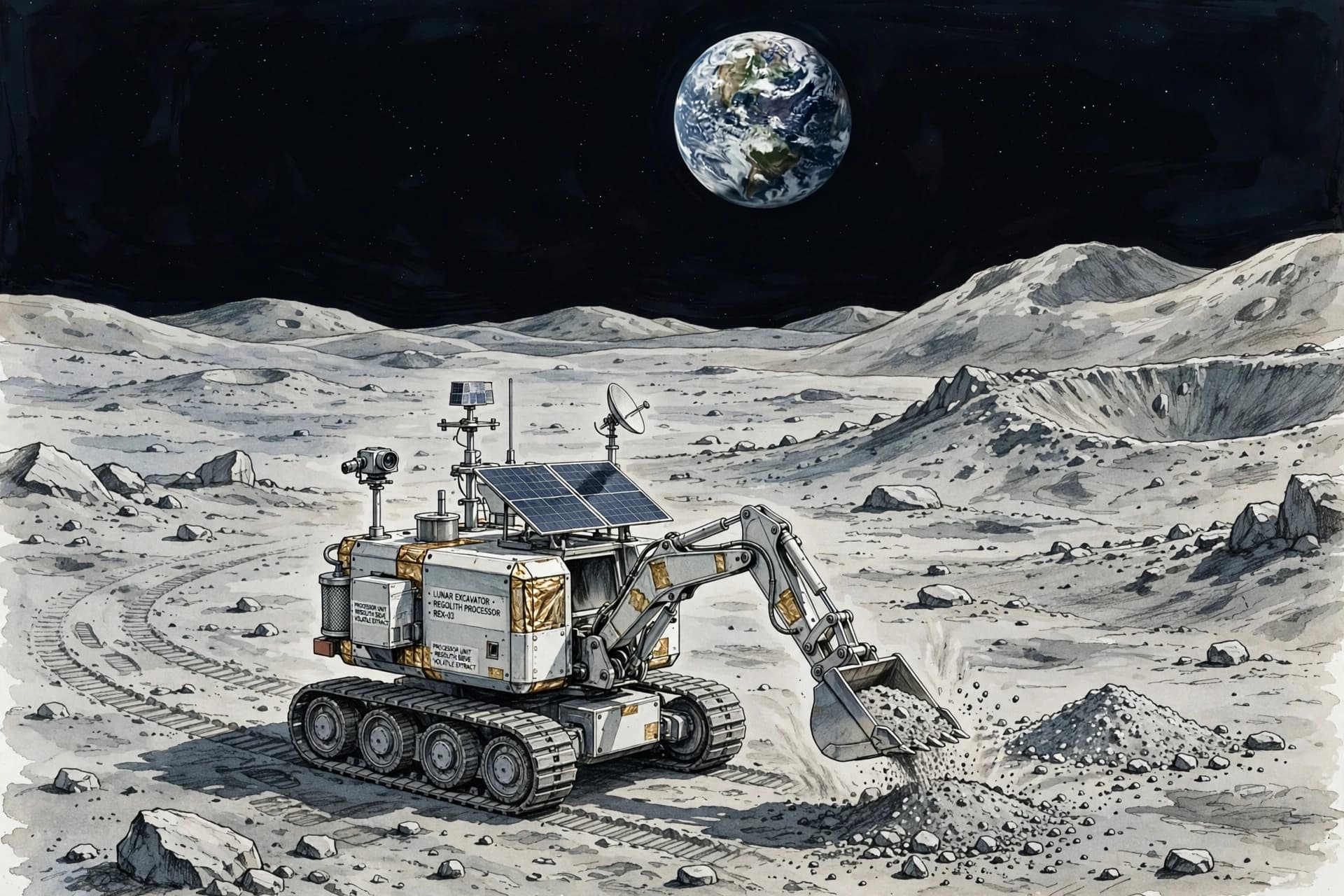
AI Image Disclaimer: Some scientific visuals accompanying this article were generated using AI-assisted geological reconstruction imagery.
Sources: Nature Geoscience, NASA, Smithsonian Magazine, Science Magazine, New Scientist
Published by Banx Network. This article is part of the Banx decentralized media programme, powered by the BXE token on the XRP Ledger.