First atlas of brain organization shows development over a lifetime
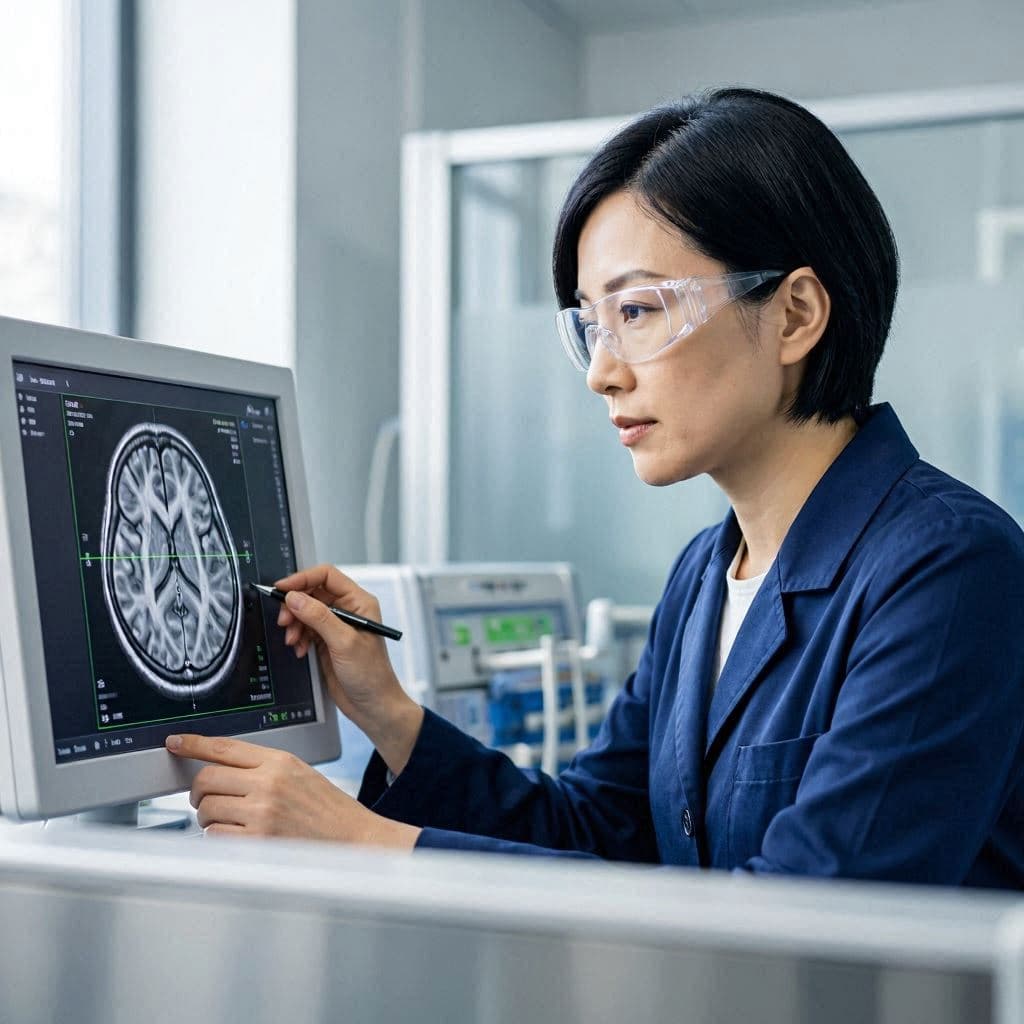
Scans of more than 3,500 people allow scientists to draw up a guide to the brain areas that work together from birth to 100 years old.

Scans of more than 3,500 people allow scientists to draw up a guide to the brain areas that work together from birth to 100 years old.

France integrates AI into healthcare to improve diagnosis and efficiency while maintaining ethical standards.

French tech companies expand into Asian markets, building partnerships and adapting innovations to diverse and growing economies.

France adapts its healthcare system to an aging population, focusing on long-term care, technology, and sustainable medical support.

French clinics trial innovative therapies for type 2 diabetes, combining personalized treatment, AI analysis, and patient-centered care.

AI is transforming healthcare systems globally by improving diagnostics, efficiency, and access, while maintaining the essential human element of care.

French healthtech startups focus on early detection of Alzheimer’s using AI and biomarkers, enhancing patient care and family support.

AI is increasingly used in French healthcare to assist diagnosis and treatment, enhancing patient care while keeping human judgment central.

Singapore’s “Strong Silvers” movement highlights a growing trend of active aging, where seniors embrace fitness and community to improve health and redefine later life.

A growing global shortage of healthcare workers is reshaping medical systems, with technology and international collaboration emerging as partial solutions.

Baird Medical receives approval to introduce minimally invasive technology in Argentina, expanding healthcare innovation and improving patient treatment options.

Argentina finalizes its withdrawal from the World Health Organization after a year‑long process, emphasizing national health priorities while preserving bilateral health cooperation.

Ultra-processed foods, while convenient, are increasingly linked to higher risks of heart disease, stroke, and long-term health issues, raising questions about modern dietary habits.

AI is becoming central to healthcare in France, enabling earlier diagnoses and personalized treatment while raising important ethical and systemic questions.

Simple food swaps—like using healthier oils, whole grains, and better protein sources—may gradually improve heart health without drastic diet changes.

New Zealand advances real-time disease modeling, improving public health forecasting and enabling earlier, more precise responses to outbreaks.

Mexico’s large measles vaccination campaign sees mixed public response, balancing strong participation in some areas with hesitancy in others.

A major data breach in New Zealand’s digital health system raises concerns over privacy and security, highlighting the need for stronger safeguards in modern healthcare.

Research suggests certain blood types, especially type B, may carry a slightly higher risk of type 2 diabetes, though lifestyle factors remain far more influential.

Recent healthcare agreements between the U.S. and various African nations are raising concerns over their implications, as critics argue these deals may undermine local health systems and global health standards.

Scientists have mapped the full clitoral nerve network for the first time, revealing over 10,000 nerve fibers and offering new insights that may improve surgical outcomes and deepen understanding of human anatomy.

The missing aid boats that went off course have successfully landed in Cuba, following their location by the Mexican navy. This development has alleviated concerns over the humanitarian mission and its crucial supplies.

Indonesia is advancing AI-based healthcare digitalization to improve access, efficiency, and diagnostics, especially in remote areas, while addressing challenges like data privacy and infrastructure.

Asia is accelerating AI adoption in healthcare, balancing innovation with ethical concerns around privacy, bias, and human roles in medicine.