The human body is a marvel of biological engineering, yet it still holds secrets that surprise even the most seasoned scientists. Recent attention has turned to the thymus, an organ that plays a crucial role in the immune system but shrinks significantly as we age. Often called the "disappearing organ," the thymus is now being studied for its potential link to longevity and healthy aging. This research invites reflection on the intricate relationship between immunity, aging, and the possibility of extending healthspan. It suggests that understanding this small gland could unlock new ways to maintain vitality in later life.
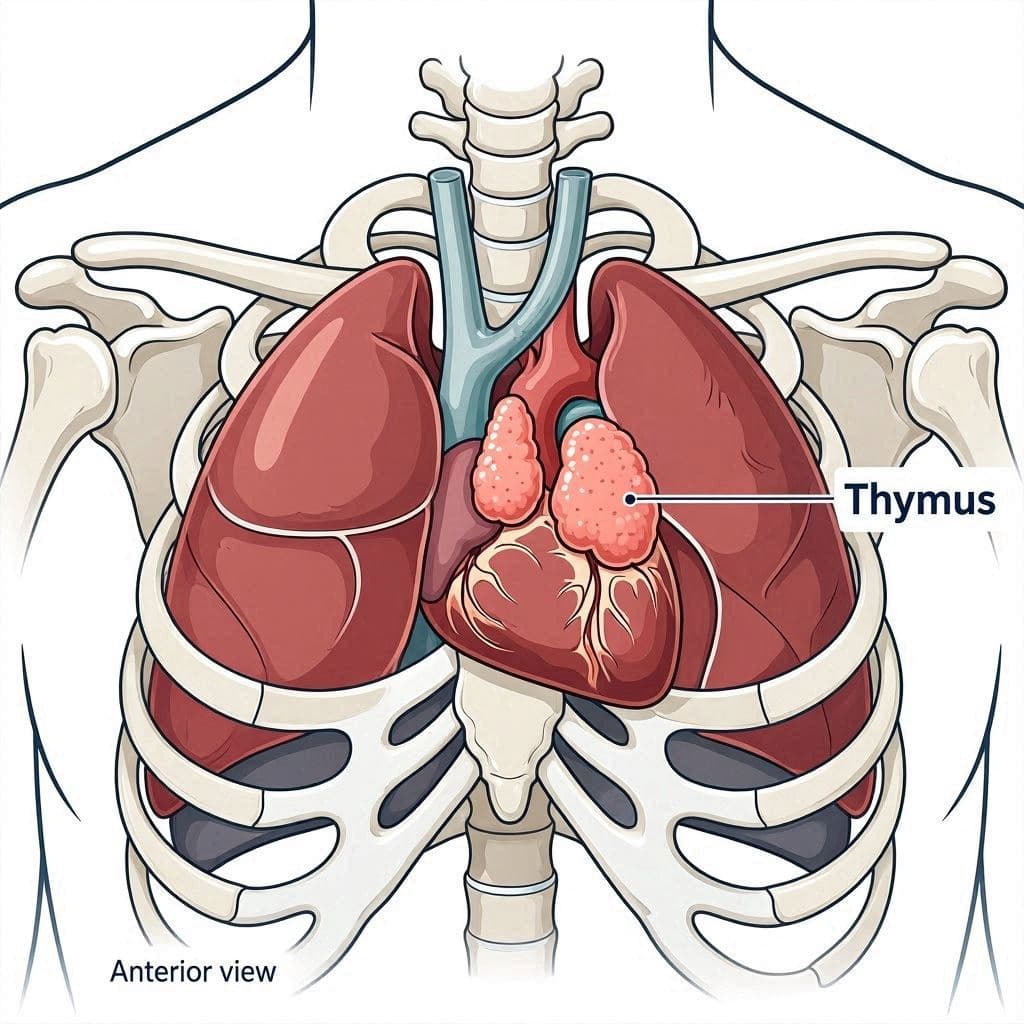
Body: The thymus is located behind the breastbone and is responsible for producing T-cells, which are essential for fighting infections and cancer. In childhood, it is large and active, but after puberty, it begins to atrophy, replaced by fatty tissue. This process, known as involution, leads to a decline in immune function, making older adults more susceptible to disease. Scientists are now exploring whether slowing or reversing this shrinkage could boost immunity and extend lifespan.
Recent studies have identified genetic and hormonal factors that influence thymic involution. By targeting these pathways, researchers hope to develop therapies that preserve thymic function. Early experiments in animal models have shown promising results, with treated subjects exhibiting stronger immune responses and longer healthspans. While human applications are still in the early stages, the potential is significant.
The connection between the thymus and longevity is not just about fighting illness. A robust immune system contributes to overall vitality, reducing inflammation and promoting cellular repair. This holistic benefit suggests that thymic health is central to healthy aging. It challenges the notion that decline is inevitable, offering hope for interventions that can maintain quality of life.
Public interest in longevity is growing, driven by advances in medical science and a desire for healthier later years. The thymus represents a tangible target for these efforts. Unlike vague lifestyle advice, thymic therapy offers a specific biological mechanism that can be measured and modified. This precision appeals to those seeking evidence-based approaches to aging.
However, caution is necessary. Manipulating the immune system carries risks, including autoimmunity and cancer. Any therapeutic intervention must be carefully tested to ensure safety and efficacy. Regulatory bodies will play a crucial role in evaluating new treatments, ensuring that benefits outweigh potential harms. It is a balance of innovation and prudence.
Ethical considerations also arise. If longevity treatments become available, who will have access? Ensuring equity in healthcare is essential to prevent widening disparities. Society must engage in dialogue about the implications of extended healthspans, considering economic, social, and personal impacts. It is a conversation that requires wisdom and foresight.
For now, maintaining a healthy lifestyle remains the best way to support immune function. Nutrition, exercise, and stress management all play roles in preserving thymic health. While we wait for scientific breakthroughs, these foundational practices offer immediate benefits. They empower individuals to take charge of their well-being.
Closing: In the end, the mysterious disappearing organ offers a glimpse into the future of aging research. It highlights the potential for science to enhance human health and longevity. As we continue to explore the thymus, the hope is that we will find ways to age not just longer, but better.
AI Image Disclaimer: The visual representations associated with this article are AI-generated artistic interpretations designed to illustrate the themes of human anatomy and medical research.
Sources: Nature Aging Harvard Health Publishing The Guardian
Published by Banx Network. This article is part of the Banx decentralized media programme, powered by the BXE token on the XRP Ledger.

.jpg&w=3840&q=75 "Qantas Grounds Plane After Passengers Report Bedbug Bites")