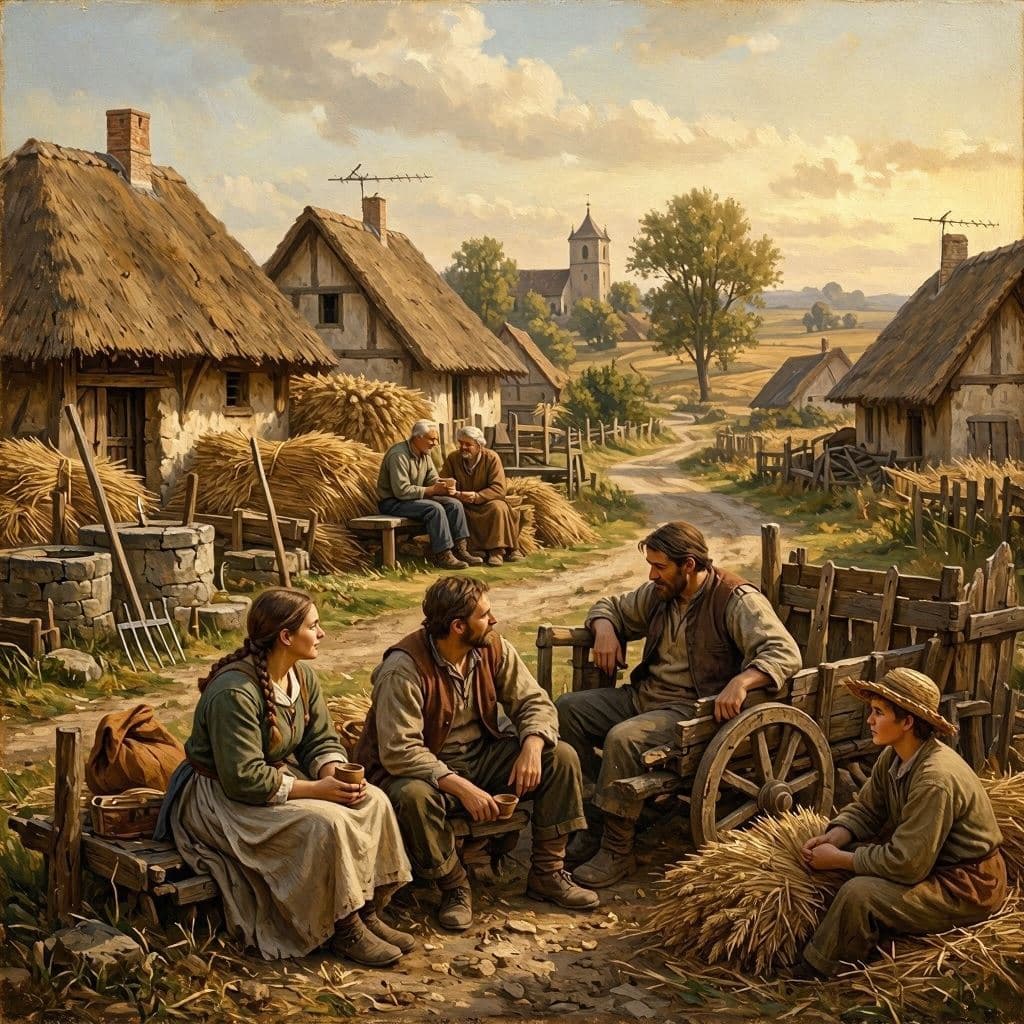
In our relentless pursuit of productivity, we often forget that rest is not a luxury but a necessity. The modern epidemic of burnout, characterized by exhaustion and cynicism, stands in stark contrast to the rhythms of life in the Middle Ages. While often romanticized or vilified, the medieval period offers surprising insights into the importance of balance, community, and seasonal living. It invites reflection on how we might reclaim a healthier relationship with work, drawing wisdom from a time when life was dictated by natural cycles rather than digital clocks.
Body: Medieval life was governed by the agricultural calendar, with periods of intense labor followed by mandatory rest. Religious festivals and holy days provided regular breaks, ensuring that communities had time to recover and reconnect. This structured rhythm prevented the chronic stress that plagues modern workers, who often face uninterrupted demands. The concept of "Sabbath" was not just spiritual but practical, enforcing a boundary between work and leisure.
Community played a central role in mitigating individual burden. Tasks were often shared, and social bonds provided emotional support. Isolation, a key contributor to burnout today, was rare in medieval villages where interdependence was essential for survival. This sense of belonging fostered resilience, allowing individuals to cope with hardships through collective strength. It reminds us that we are not meant to carry our loads alone.
The medieval understanding of health was holistic, integrating physical, mental, and spiritual well-being. Illness was seen as an imbalance, requiring rest and reflection rather than just medication. This perspective encourages a more intuitive approach to self-care, listening to the body’s signals rather than pushing through pain. It validates the need for pause as a form of healing.
Modern work culture, with its emphasis on constant availability and output, disrupts these natural rhythms. The blurring of boundaries between home and office, exacerbated by technology, leads to perpetual engagement. Looking back at the Middle Ages highlights the artificiality of our current expectations. It suggests that reclaiming boundaries is essential for sustainable productivity.
Scholars note that medieval artisans took pride in their craft but also respected limits. Work was a part of life, not the entirety of it. This distinction allowed for a richer existence, filled with storytelling, music, and celebration. Integrating joy and creativity into daily routines can counteract the monotony that fuels burnout. It is a reminder that life is more than labor.
Applying these lessons today does not mean abandoning progress but rebalancing priorities. Employers can encourage regular breaks, respect offline time, and foster community among staff. Individuals can practice digital detoxes and prioritize sleep and leisure. These small changes, rooted in ancient wisdom, can have profound effects on mental health.
The Middle Ages also teach us the value of patience. In a world of instant gratification, slowing down feels counterintuitive. Yet, sustainable growth requires time and care. Embracing a slower pace can reduce anxiety and improve focus, leading to better outcomes in the long run. It is a shift from speed to depth.
Closing: In the end, the Middle Ages offer a mirror to our modern struggles with burnout. They remind us that rest, community, and balance are timeless needs. As we navigate the pressures of contemporary life, the hope is that we can integrate these ancient truths, creating a work culture that honors human limits and potential.
AI Image Disclaimer: Visuals accompanying this text are AI-generated conceptualizations intended to depict the themes of history and well-being.
Sources: The Atlantic History Today Psychology Today
Published by Banx Network. This article is part of the Banx decentralized media programme, powered by the BXE token on the XRP Ledger.