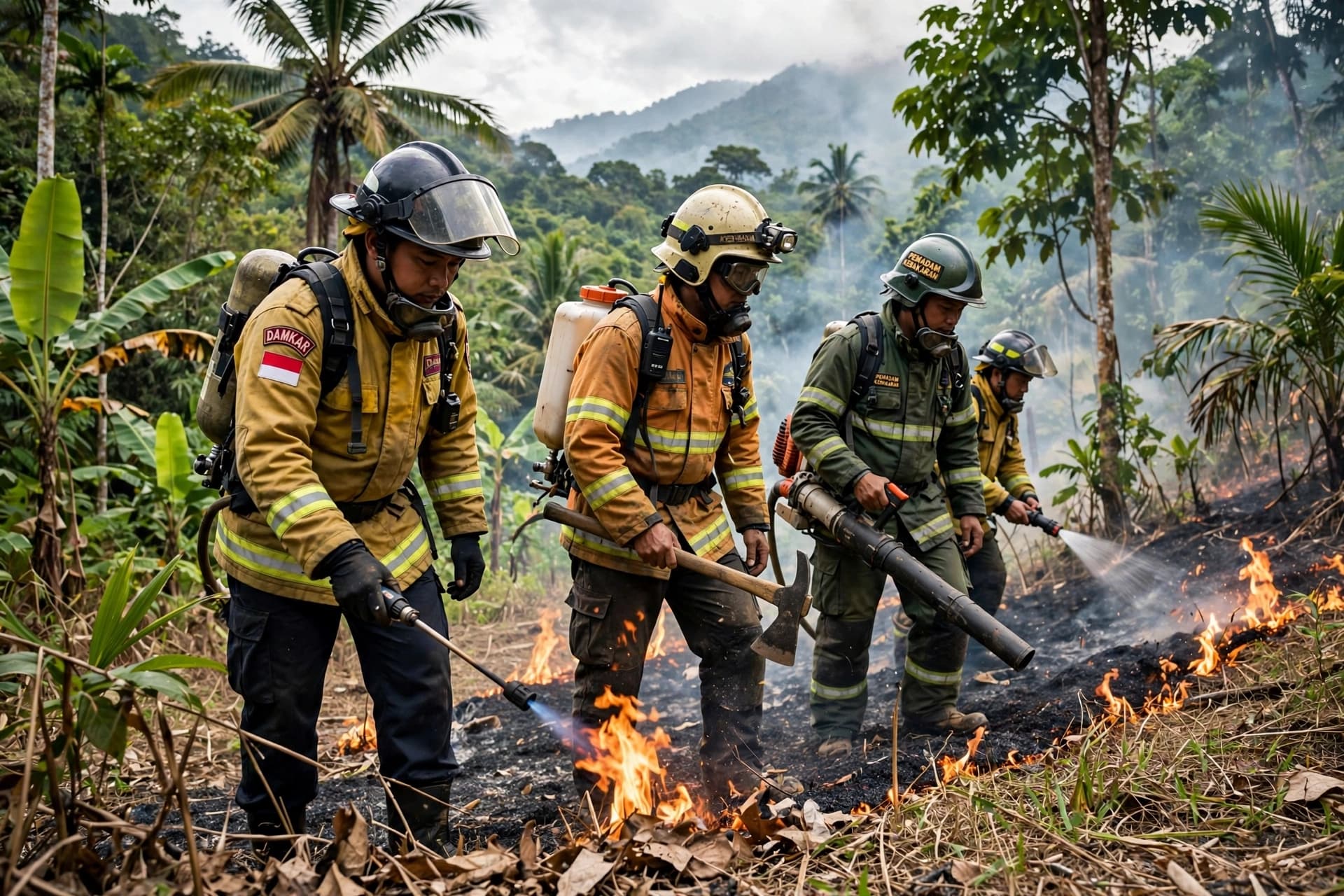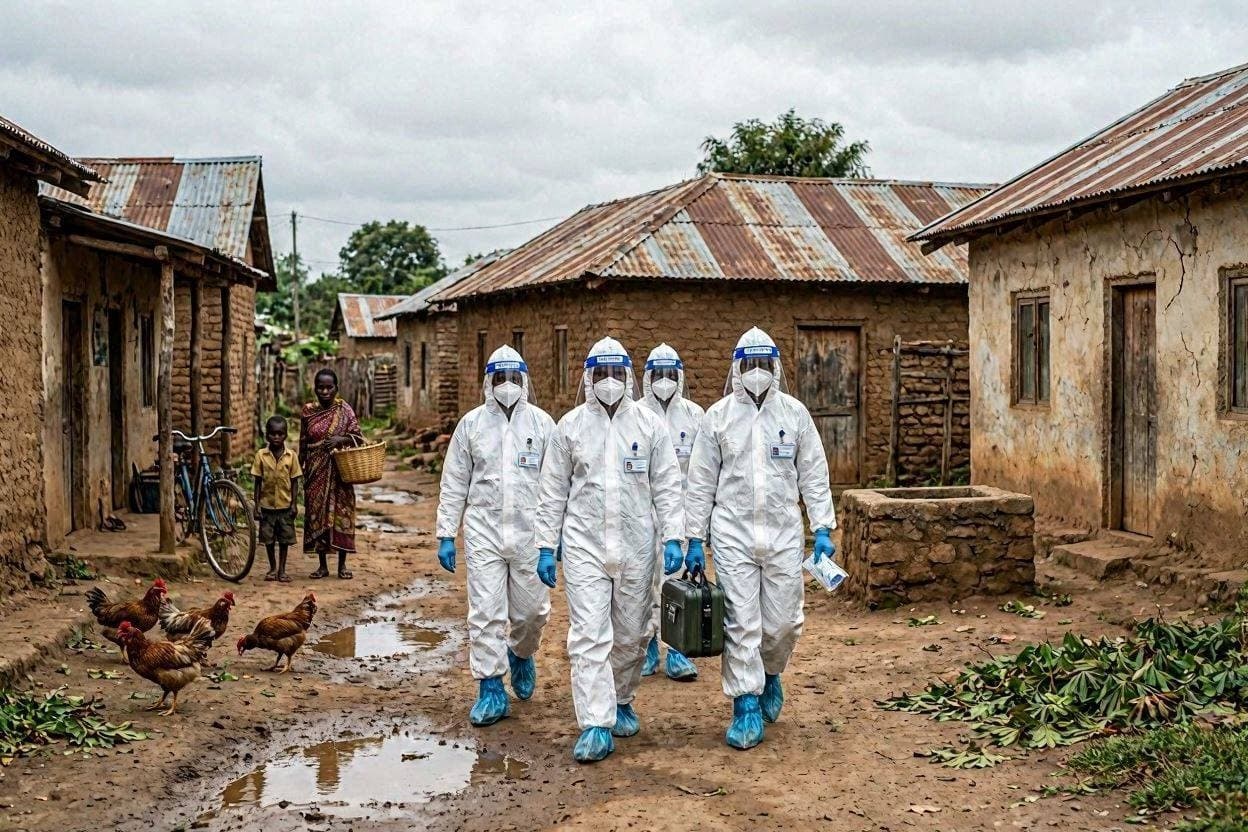
In the dense, humid forests of eastern Democratic Republic of the Congo, a silent and deadly enemy has taken hold. The 2026 Ebola outbreak, caused by the Bundibugyo virus variant, has surged with unprecedented speed, becoming the fastest-growing epidemic of its kind in recorded history. As case numbers climb past 4,000, health officials face a complex web of challenges that threaten to overwhelm containment efforts and spread the crisis beyond borders.
The rapid expansion of the virus is fueled by a perfect storm of humanitarian crises, insecurity, and high population density in remote areas. Unlike previous outbreaks in more isolated regions, this epidemic is unfolding in communities where displacement due to conflict has weakened traditional social structures and healthcare access. People on the move are harder to track, trace, and treat, allowing the virus to slip through the cracks of standard containment protocols.
Adding to the difficulty is the specific nature of the Bundibugyo variant. While similar to the more common Zaire ebolavirus, it presents unique clinical challenges and may respond differently to existing treatments and vaccines. Research teams are working around the clock to adapt medical countermeasures, but the lag time between identification and deployment leaves a vulnerable window where the virus can spread unchecked.
Security remains a paramount concern for response teams. Armed groups operating in the region often view health workers with suspicion or hostility, leading to attacks on treatment centers and vaccination campaigns. This violence not only endangers staff but also drives communities underground, where they avoid seeking care for fear of retribution or stigma. Trust, already fragile, is further eroded by misinformation and fear.
International organizations, including the World Health Organization and Doctors Without Borders, have mobilized significant resources, deploying thousands of staff and tons of supplies. However, the sheer scale of the outbreak strains even the most robust logistical networks. Supply chains for personal protective equipment, diagnostic tests, and therapeutics are stretched thin, requiring constant innovation and coordination to maintain flow.
The risk of cross-border transmission is another critical factor. With cases reported in neighboring Uganda and concerns about spread to other ten countries, regional cooperation is essential. Border screenings and community awareness programs are being intensified, but the porous nature of these boundaries makes complete containment a daunting task. A coordinated regional strategy is vital to prevent a wider continental crisis.
Despite these hurdles, there are stories of resilience and hope. Local community leaders are stepping up to educate their neighbors, and health workers continue to serve with courage and dedication. Their efforts highlight the importance of grassroots engagement in public health emergencies, proving that trust and communication are as powerful as any medicine.
Closing: As the world watches the situation in the DRC, the focus remains on supporting those on the front lines. The challenge is immense, but with sustained international commitment and local leadership, there is hope for turning the tide against this historic outbreak.
AI Image Disclaimer: The visual content accompanying this article is AI-generated for illustrative purposes and does not depict actual patients or specific treatment centers in the DRC.
Sources: World Health Organization ABC News Doctors Without Borders CDC
Published by Banx Network. This article is part of the Banx decentralized media programme, powered by the BXE token on the XRP Ledger.


.jpg&w=3840&q=75 "Qantas Grounds Plane After Passengers Report Bedbug Bites")