
HEALTH94% credibility
French Cities Explore New Cooling Solutions as Summers Become Warmer
French cities are developing new approaches to reduce heat impacts through greener spaces, cooling areas, and climate-focused urban planning.
1 min read

French cities are developing new approaches to reduce heat impacts through greener spaces, cooling areas, and climate-focused urban planning.

France recorded thousands of excess deaths during the June heatwave, highlighting the serious health impact of extreme temperatures.

Residents and visitors across Paris continue adjusting their daily routines as prolonged heat affects outdoor activities and public spaces.

France continues implementing its national extreme heat response as the country's third heatwave of the year persists, with authorities focusing on protecting vulnerable residents.

A new mouse study shows the ketogenic diet reduces cancer risk in the small intestine but may increase it in the colon, highlighting the complex and location-specific effects of diet on health.

Investigations into a school stabbing in Brisbane reveal that interpersonal claims and rumors triggered the attack, highlighting the need for better conflict resolution and mental health support.
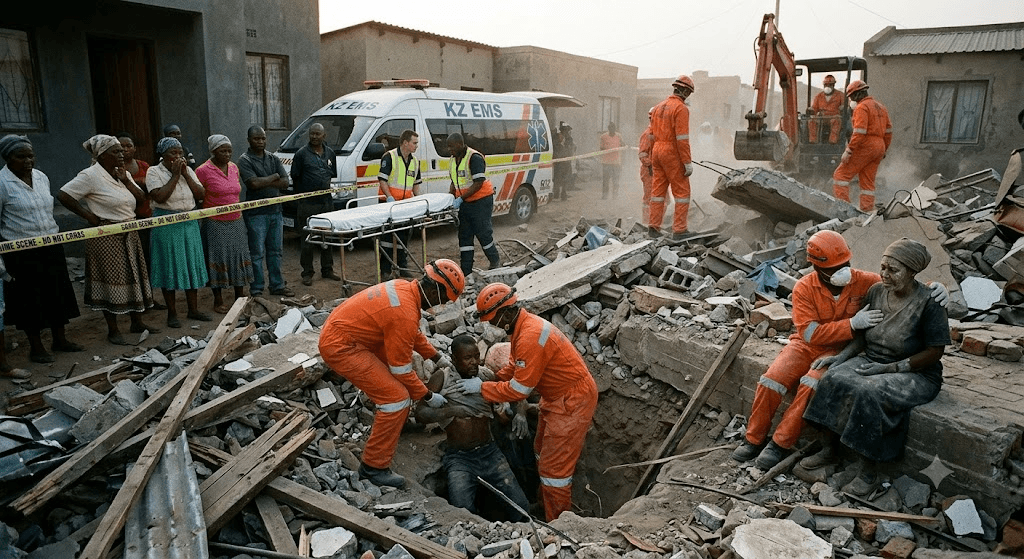
Eight people were hospitalized Monday after a building structure suddenly collapsed in Ebuhleni village, Inanda. Emergency teams extricated the victims, who are being treated for various injuries.

French authorities continue urging residents to follow heat safety guidance as above-average temperatures persist across much of the country

France's third heatwave of the year continues, prompting authorities to maintain emergency health measures and support for vulnerable communities.

Southern France continues experiencing unusually high temperatures as residents adapt to another week of persistent summer heat.

Repeated heatwaves are encouraging France to expand climate adaptation measures, focusing on public health, infrastructure, and environmental resilience.

Much of France remains under heat alerts as authorities continue encouraging residents to protect themselves from prolonged high temperatures and heat-related illnesses

French health authorities reported more than 2,000 excess deaths during the June heatwave, highlighting the growing health risks associated with prolonged extreme temperatures

French authorities have expanded public swimming areas, including sites in Paris, to help residents cope with repeated summer heatwaves and encourage safe cooling options.
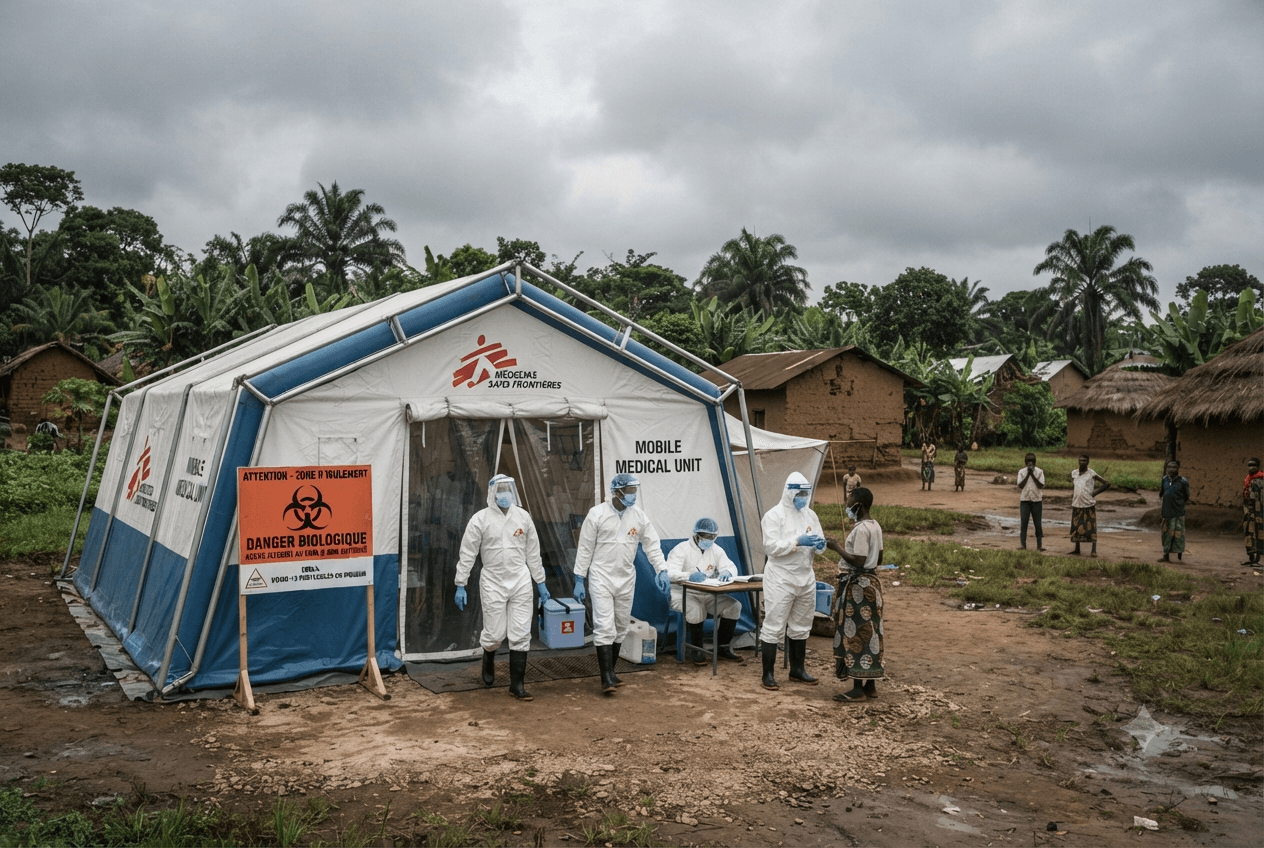
As of July 15, 2026, the Ebola outbreak in the Democratic Republic of the Congo has claimed 702 lives, with transmission rapidly expanding across multiple provinces despite containment efforts.

A worker was hospitalized with injuries following an industrial accident at a port facility in Tauranga on July 15, 2026, prompting a safety review at the site.

French health authorities continue expanding heat emergency measures as prolonged high temperatures increase health risks, particularly for elderly and vulnerable residents.

French authorities are encouraging communities to strengthen local preparedness as repeated heatwaves continue affecting public health, infrastructure, and daily life.

A worker was hospitalized with serious injuries after falling at a work site in Eden Terrace, Auckland, on July 15, 2026, leading to an investigation by safety officials.

Emergency services responded to a minor incident in Flat Bush, Auckland, on July 15, 2026, where one person received medical treatment for non-life-threatening injuries.

A person died following a serious medical emergency at a property in Wellsford on July 15, 2026, prompting an immediate response from local fire and ambulance crews.

Paramedics treated one person for critical injuries after a medical-related emergency in Henderson on July 15, 2026, requiring an urgent transport to the hospital.

Wildlife rescue organizations across France are reporting a sharp increase in injured and dehydrated animals as prolonged heatwaves continue affecting ecosystems nationwide.

Hamilton County health officials report an increase in cyclosporiasis cases, likely linked to contaminated fresh produce. Residents are urged to wash vegetables thoroughly and stay informed about local health advisories.