
TECHNOLOGY81% credibility
Featured
When Reality Gains a Digital Reflection
Digital twin technology is gaining adoption across industries as organizations use virtual models to improve planning, efficiency, and operational performance.
5 min read

Digital twin technology is gaining adoption across industries as organizations use virtual models to improve planning, efficiency, and operational performance.

Food technology companies are developing innovative solutions aimed at improving efficiency, sustainability, and resilience across the food supply chain.
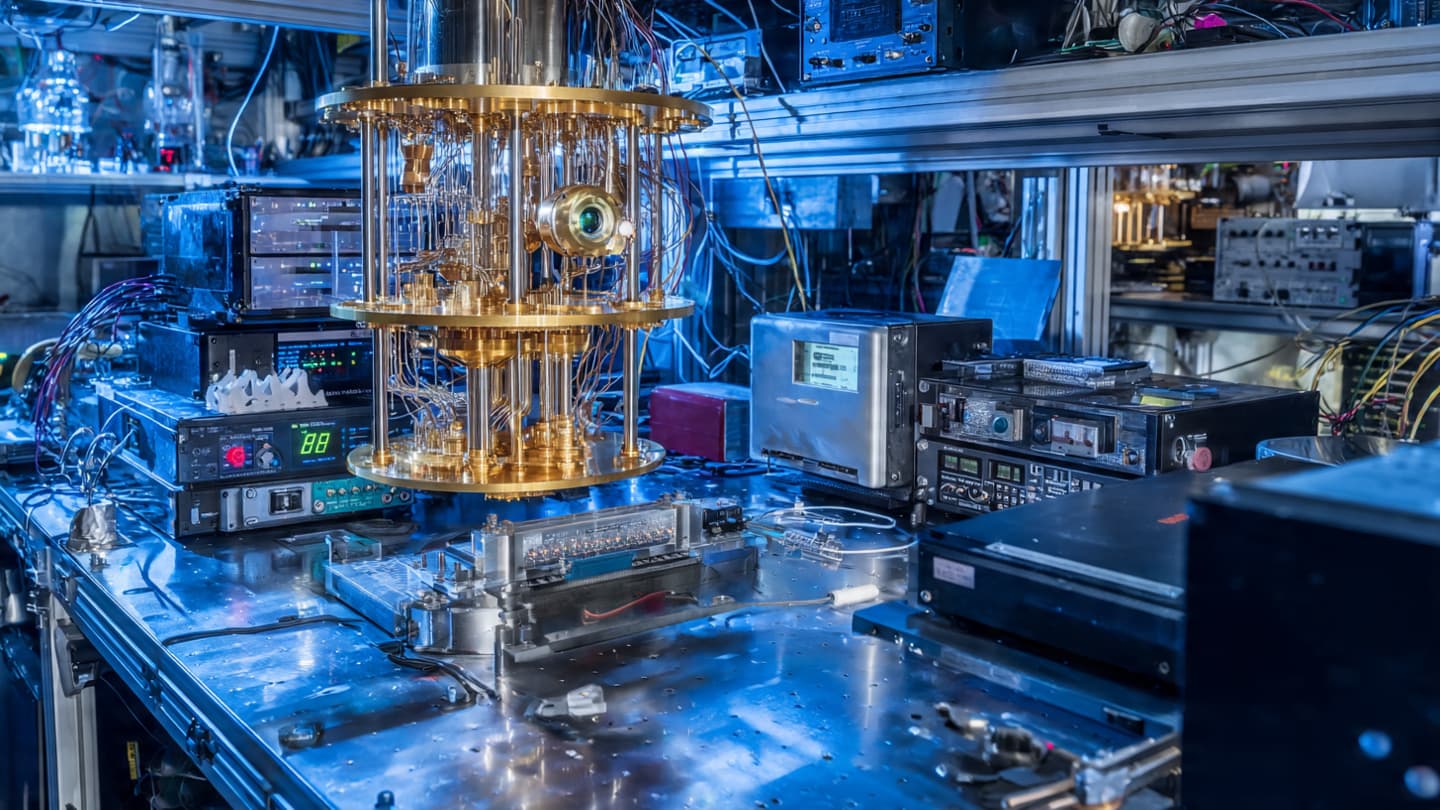
Research institutions and technology companies are accelerating investments in quantum computing, a field that could transform scientific research and complex problem-solving.

Researchers and healthcare companies are exploring personalized nutrition strategies that use health data to support individualized wellness recommendations.

Rising tensions around the Strait of Hormuz have pushed oil prices higher, highlighting the waterway's critical role in global energy markets.

Israeli airstrikes in southern Lebanon have heightened regional concerns while international leaders continue urging restraint and diplomatic engagement.

Growing tensions between Iran and the United States have renewed concerns about regional stability, energy security, and the prospects for diplomatic de-escalation.

Green building technologies and sustainable construction practices are gaining momentum across the United States as developers pursue energy efficiency and environmental performance.
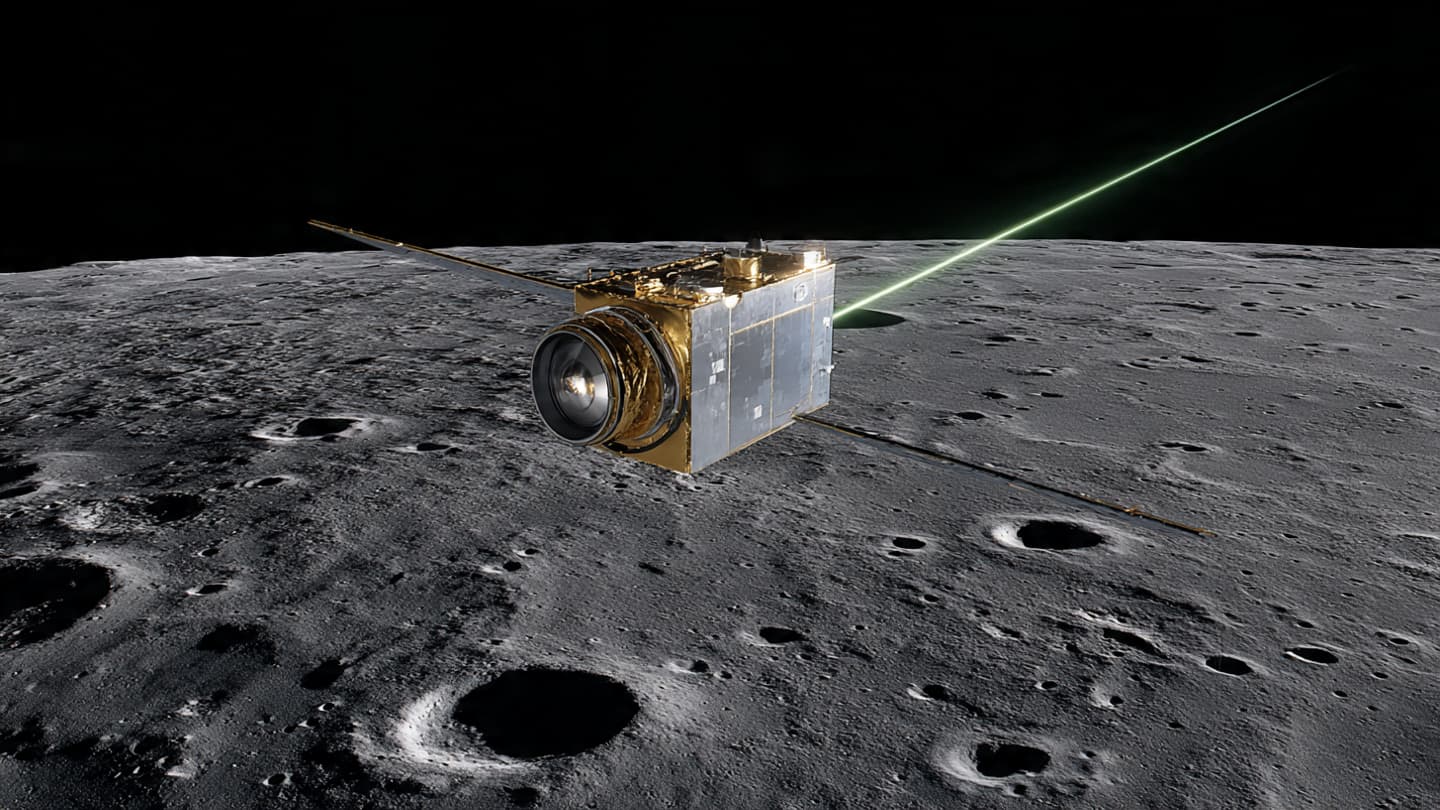
Researchers are developing a lightweight X-ray telescope that could create detailed chemical maps of the Moon's surface.
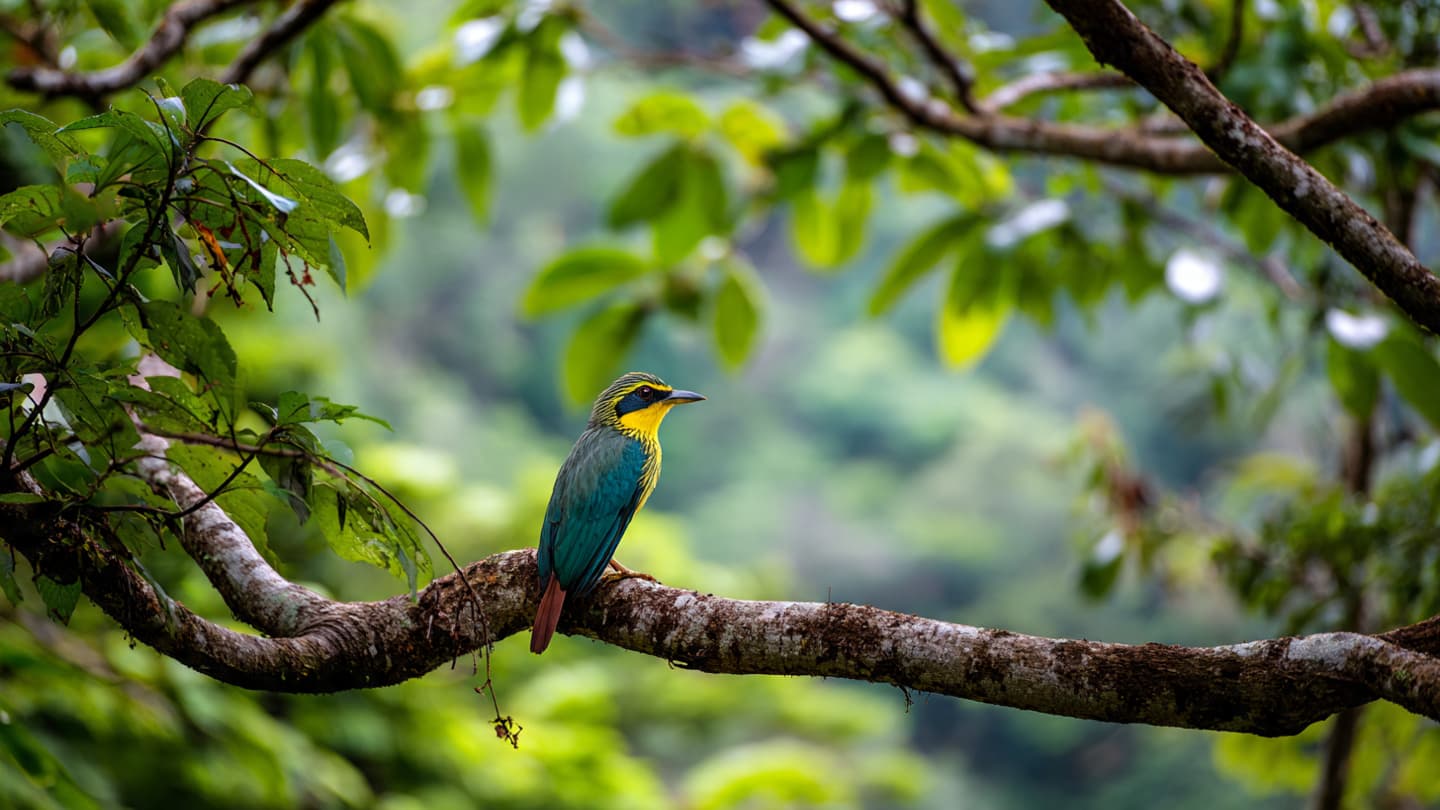
Scientists have identified a new bird species in Indonesia, highlighting the region's extraordinary biodiversity and conservation importance.

Astronomers have identified evidence of a long-sought black hole wind in the Milky Way, providing new insight into galactic evolution.

Researchers are exploring new medical applications for the century-old BCG vaccine, including potential benefits beyond tuberculosis prevention.

Scientists have identified a new biological mechanism linked to Alzheimer's disease, potentially opening avenues for future research and therapies.

Scientists have demonstrated a new gene-editing technique in human embryos, advancing medical research while renewing ethical discussions.

New cancer research highlights advances in immunotherapy and precision medicine, offering promising directions for future treatment strategies.

A rare lunar occultation of Venus will occur this June, offering skywatchers a unique opportunity to observe a striking celestial alignment.
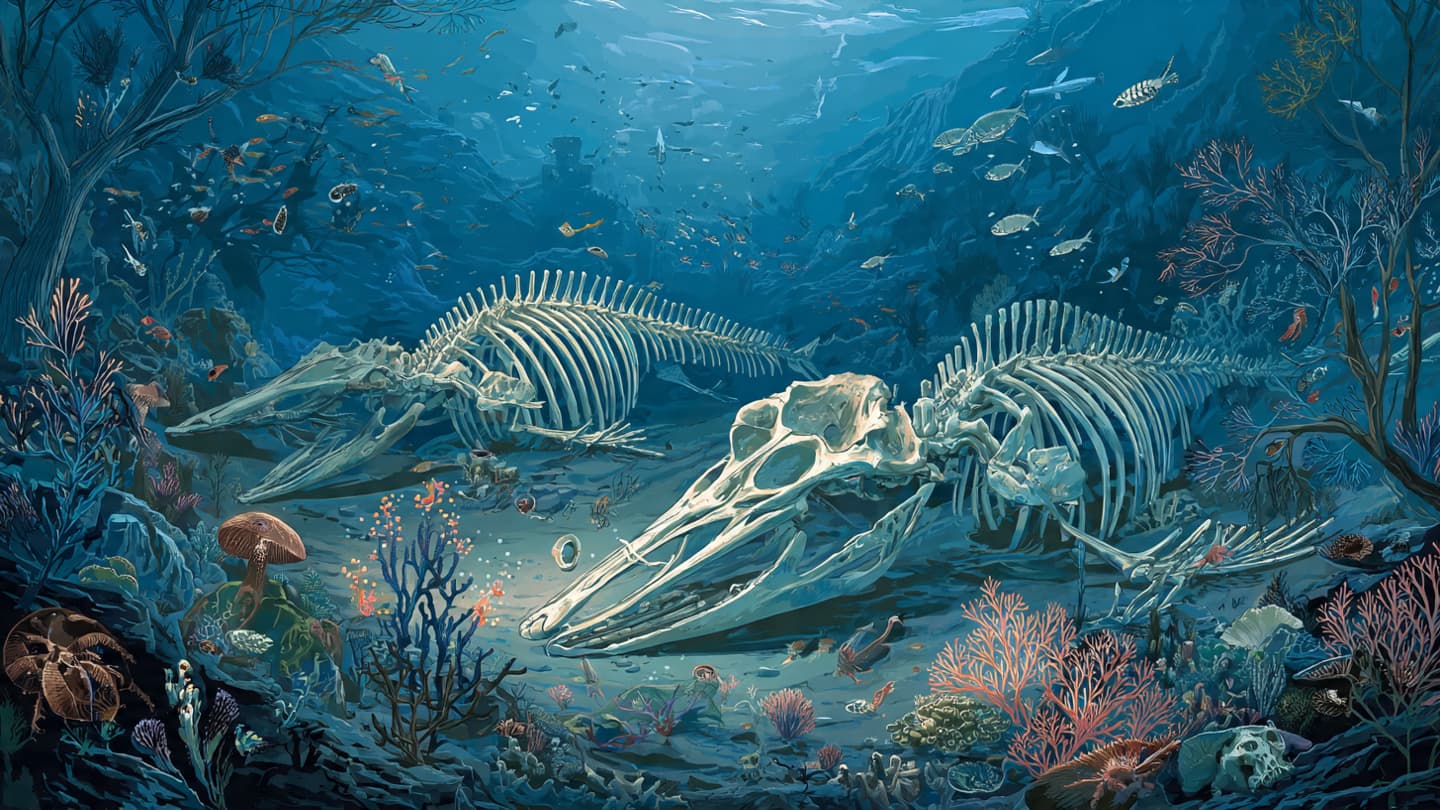
Scientists have discovered the largest known whale graveyard in the Indian Ocean, offering valuable insight into marine ecosystems and ocean history.
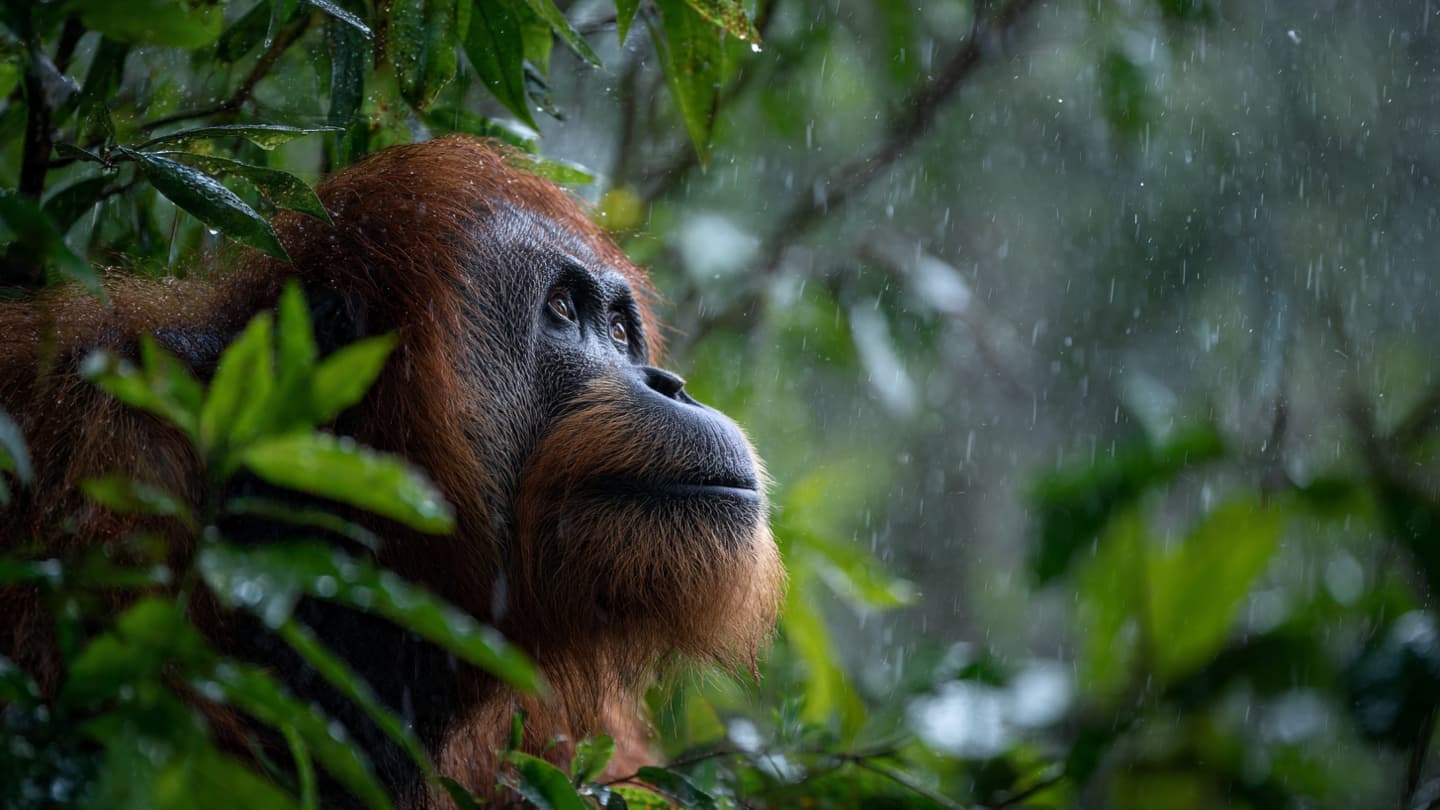
Floods and landslides in Sumatra have contributed to concerns about declining numbers of the critically endangered Tapanuli orangutan.

Researchers warn that reductions in ocean monitoring systems could affect climate research, weather forecasting, and disaster preparedness.

Scientists predict El Niño could develop in the coming months, potentially influencing weather patterns, agriculture, and disaster preparedness worldwide.

NASA has withdrawn an earlier evacuation warning for the International Space Station after further technical assessments reduced immediate concerns.
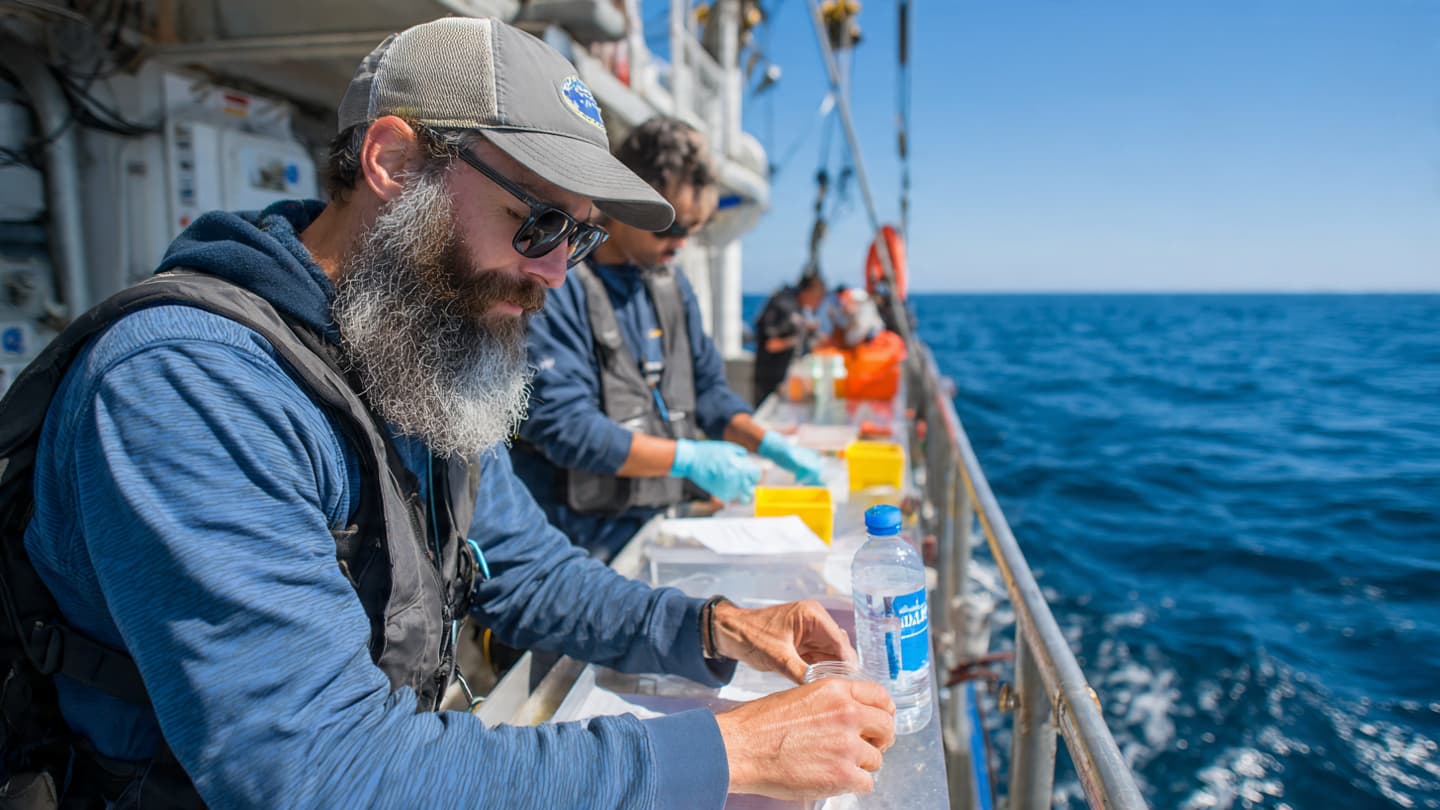
Scientists have identified antibiotic resistance genes across global oceans, reinforcing concerns about the environmental dimensions of antimicrobial resistance.

Astronomers have identified evidence of magnetic fields on distant exoplanets, a factor that may influence planetary habitability.

New research suggests biodiversity loss could increase financial vulnerability and contribute to future debt crises in some countries.