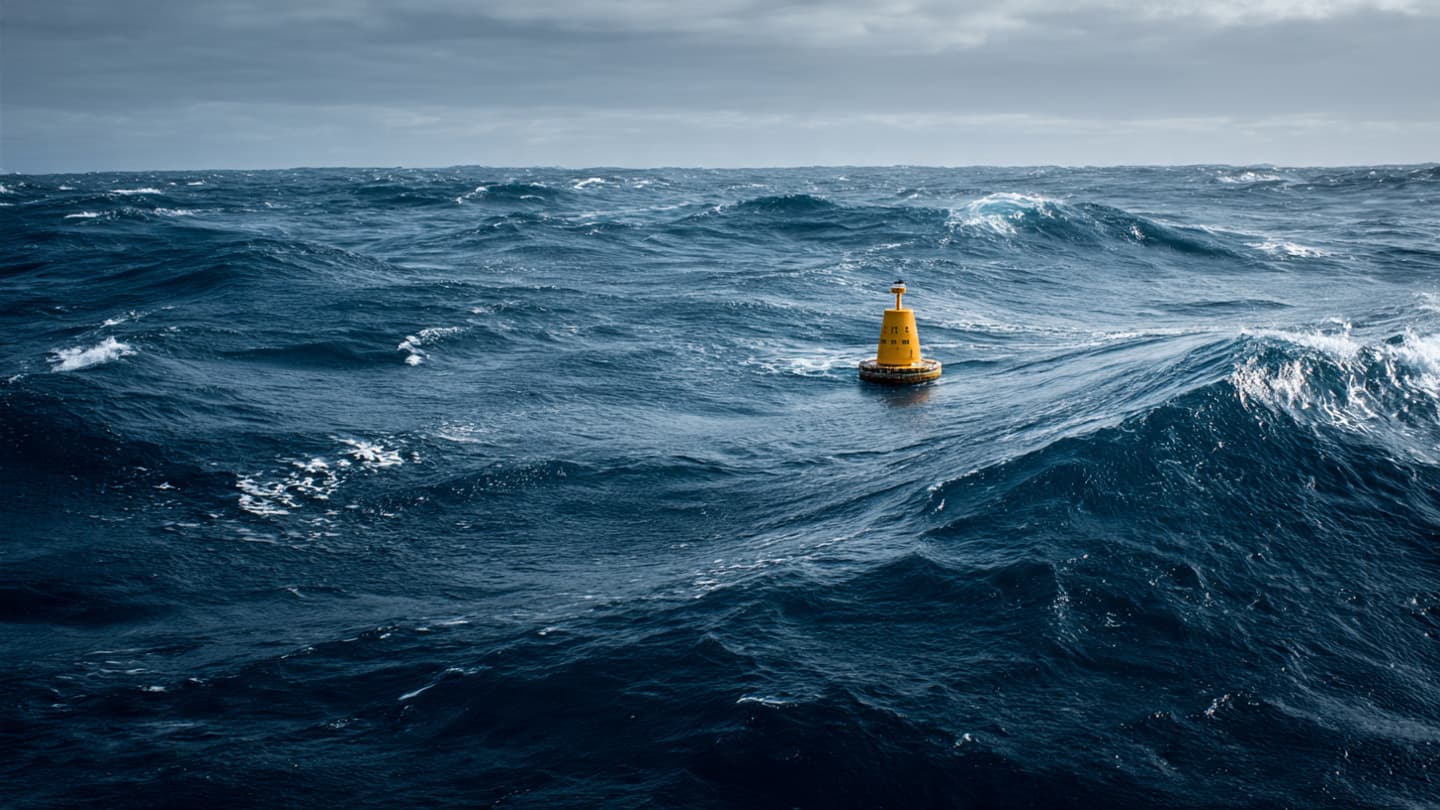
Across the vast Pacific Ocean, changes often begin quietly. A slight increase in sea-surface temperatures, subtle shifts in atmospheric circulation, and variations in wind patterns may seem insignificant at first glance. Yet these developments can eventually influence weather conditions across continents. Scientists are now warning that El Niño is likely to develop in the coming months, potentially affecting climates around the world.
El Niño is a naturally occurring climate phenomenon characterized by warmer-than-average sea-surface temperatures in the central and eastern Pacific Ocean. Although it originates far from many populated regions, its influence extends across the globe, affecting rainfall patterns, temperatures, and storm activity.
Meteorological agencies have reported increasing indicators consistent with El Niño development. Forecast models suggest a high probability that the phenomenon will emerge and strengthen over the coming months. As a result, governments and climate experts are closely monitoring conditions.
Historically, El Niño has been associated with droughts in some regions and excessive rainfall in others. Agricultural production can be affected as changing weather patterns influence planting seasons, water availability, and crop yields. Farmers often pay close attention to seasonal forecasts during these periods.
The phenomenon also has implications for disaster preparedness. Increased rainfall may elevate flood risks in certain areas, while prolonged dry conditions elsewhere can contribute to drought and wildfire concerns. Early planning allows communities to better manage potential impacts.
Scientists emphasize that El Niño is distinct from long-term climate change, although the two can interact. Natural climate cycles continue to occur against a backdrop of rising global temperatures, creating additional complexity for researchers seeking to understand future weather trends.
International cooperation plays an important role in monitoring the Pacific Ocean. Satellites, ocean buoys, research vessels, and forecasting centers contribute data that help scientists track evolving conditions and improve predictive models.
Businesses and policymakers also monitor El Niño forecasts closely. Transportation networks, energy systems, insurance markets, and agricultural industries can all be influenced by significant weather variations associated with the phenomenon.
As the Pacific continues to evolve, scientists remain focused on gathering data and refining forecasts. While uncertainty remains regarding the exact strength and effects of the event, preparations are already underway in many parts of the world to reduce potential disruptions.
AI Image Disclaimer: The illustration accompanying this article is AI-generated and designed to visually represent climate monitoring and oceanic weather patterns.
Sources Verified World Meteorological Organization, Reuters, NOAA, Associated Press, BBC NewsScience
Published by Banx Network. This article is part of the Banx decentralized media programme, powered by the BXE token on the XRP Ledger.